
Butterfly Refugia Conservation: Powerful Secrets

Creating butterfly refugia is vital for butterfly conservation. By providing food, shelter, and breeding grounds, you directly support butterfly populations. Learn how to design, plant, and maintain your own butterfly haven to make a real difference!
Butterflies are more than just beautiful; they’re essential pollinators. But with habitat loss and climate change, these delicate creatures need our help more than ever. You might feel overwhelmed, but creating a butterfly refugium, even a small one, can make a big difference. This guide will walk you through each step, from planning to planting, so you can create a thriving haven for butterflies. Get ready to transform your space into a butterfly paradise and contribute to their conservation!
Frequently Asked Questions About Butterfly Refugia
What is a butterfly refugium?
A butterfly refugium is a protected area designed to provide butterflies with the resources they need to survive and reproduce, including food, shelter, and breeding sites.
Why is butterfly conservation important?
Butterflies are important pollinators and indicators of a healthy ecosystem. Their decline can signal broader environmental problems.
What plants attract butterflies?
Nectar plants like butterfly bush, zinnias, and milkweed are great for attracting adult butterflies. Host plants like milkweed, dill, and parsley are essential for caterpillars.
How big does a butterfly refugium need to be?
Any size helps! Even a small container garden can provide valuable resources for butterflies. Larger spaces can support more butterflies and a greater diversity of species.
How can I protect butterflies from pesticides?
Avoid using pesticides in your garden. Choose organic gardening methods and encourage natural predators like birds and ladybugs to control pests.
What else can I do to help butterflies?
Provide a shallow dish of water with pebbles for butterflies to drink from. Leave out some rotting fruit as a food source. Educate others about butterfly conservation.
How do I maintain my butterfly refugium?
Regularly water and weed your garden. Prune plants to encourage new growth and flowering. Monitor for pests and diseases and take action as needed.
Creating a Butterfly Refugium: A Step-by-Step Guide
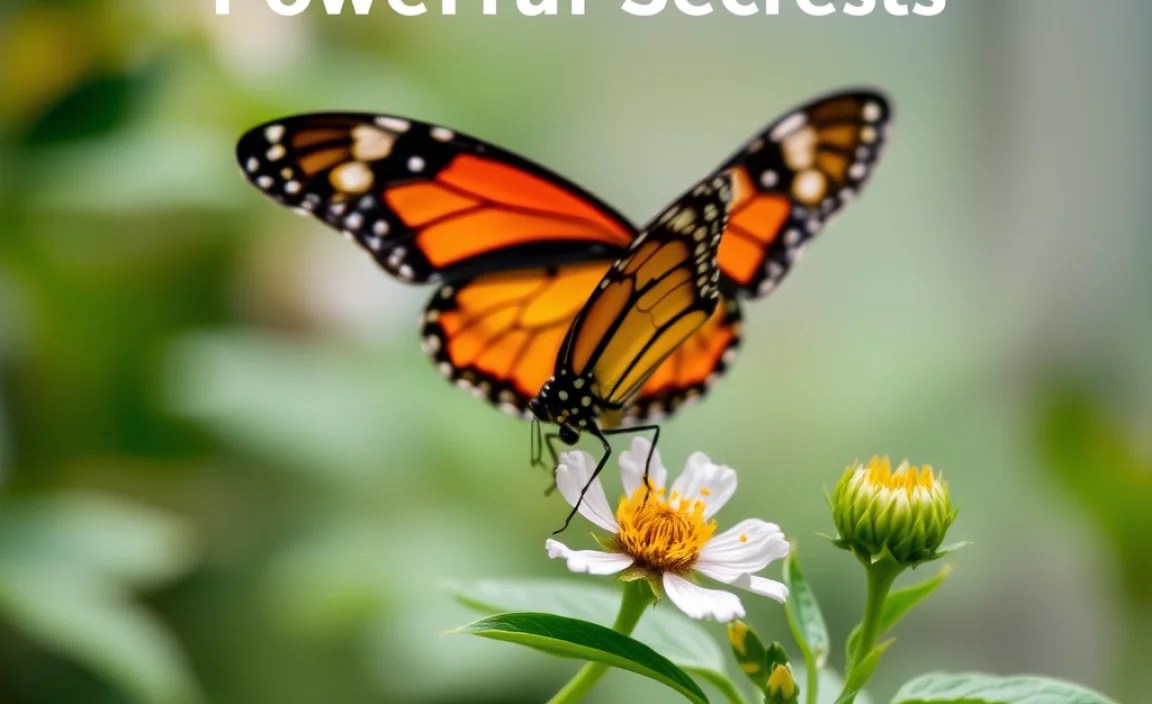
Let’s dive into the practical steps of creating your butterfly refugium. From planning your space to choosing the right plants, each step is designed to help you create a thriving habitat for these amazing creatures.
Step 1: Planning Your Butterfly Refugium
Before you start digging, take some time to plan your butterfly refugium. Consider the space you have available, the amount of sunlight it receives, and the types of butterflies you want to attract. Proper planning will ensure your refugium is both beautiful and beneficial for butterflies.
Assess Your Space
- Size: Determine the area you can dedicate to your refugium. Even a small balcony garden can make a difference.
- Sunlight: Most butterfly plants need at least six hours of sunlight per day. Observe how sunlight falls on your space throughout the day.
- Soil: Test your soil to determine its pH and nutrient content. Amend the soil as needed to ensure it’s suitable for butterfly plants. A local nursery can provide soil testing services and recommendations.
- Water Source: Consider how you will water your plants. A nearby water source or rain barrel can be helpful.
- Wind Protection: Butterflies prefer sheltered areas. If your space is exposed to strong winds, consider planting a windbreak or using trellises.
Choose Your Target Butterflies
Research the butterfly species native to your area. This will help you select the right host and nectar plants.
- Local Species: Contact your local nature center or butterfly club to learn about the butterflies in your area.
- Host Plants: Identify the host plants for your target butterflies. These are the plants that caterpillars feed on. For example, Monarch caterpillars feed exclusively on milkweed.
- Nectar Plants: Choose nectar plants that bloom at different times of the year to provide a continuous food source for adult butterflies.
Design Your Layout
Create a rough sketch of your refugium. Consider the placement of plants, pathways, and other features.
- Plant Grouping: Group plants with similar needs together. This will make watering and maintenance easier.
- Pathways: Include pathways to allow easy access for weeding and observation.
- Shelter: Provide sheltered areas where butterflies can rest and escape from predators.
- Water Source: Incorporate a shallow dish of water with pebbles for butterflies to drink from.
Step 2: Selecting the Right Plants
The plants you choose are the heart of your butterfly refugium. Select a variety of host and nectar plants that will provide food and shelter for butterflies throughout their life cycle. Native plants are generally the best choice, as they are adapted to your local climate and support native butterfly populations. The Xerces Society is an excellent resource for finding native plant recommendations.
Host Plants
Host plants are essential for butterfly reproduction. These are the plants that caterpillars feed on. Without host plants, butterflies cannot complete their life cycle. Here are some examples of host plants for common butterflies:
- Monarch Butterfly: Milkweed (Asclepias spp.)
- Black Swallowtail Butterfly: Parsley (Petroselinum crispum), Dill (Anethum graveolens), Fennel (Foeniculum vulgare)
- Spicebush Swallowtail Butterfly: Spicebush (Lindera benzoin), Sassafras (Sassafras albidum)
- Painted Lady Butterfly: Thistle (Cirsium spp.), Mallow (Malva spp.)
- Question Mark Butterfly: Elm (Ulmus spp.), Hackberry (Celtis occidentalis)
Nectar Plants
Nectar plants provide food for adult butterflies. Choose a variety of nectar plants that bloom at different times of the year to provide a continuous food source.
- Butterfly Bush (Buddleja davidii): A popular choice, but consider native alternatives in some areas.
- Zinnias (Zinnia elegans): Easy to grow and available in a variety of colors.
- Coneflowers (Echinacea spp.): Native to North America and attractive to many butterfly species.
- Asters (Symphyotrichum spp.): Late-blooming flowers that provide nectar in the fall.
- Lantana (Lantana camara): A colorful and long-blooming option in warmer climates.
Creating a Blooming Schedule
To ensure a continuous food source for butterflies, plan your planting to provide blooms throughout the growing season.
| Season | Plant Examples | Benefits |
|---|---|---|
| Spring | Phlox, Columbine, Lilac | Provides early nectar for emerging butterflies. |
| Summer | Butterfly Bush, Zinnias, Milkweed | Offers abundant nectar during peak butterfly activity. |
| Fall | Asters, Sedum, Goldenrod | Supplies nectar for migrating butterflies and those preparing for overwintering. |
Step 3: Preparing the Soil
Healthy soil is essential for healthy plants. Before planting, prepare the soil by removing weeds, amending with compost, and ensuring good drainage. Proper soil preparation will give your plants the best start possible. Many Cooperative Extension offices offer low-cost soil testing.
Remove Weeds
Clear the area of weeds and grass. Remove the entire root system to prevent them from growing back.
Amend the Soil
Add compost or other organic matter to improve soil fertility and drainage. Work the amendments into the top 6-12 inches of soil.
Ensure Good Drainage
Butterfly plants generally prefer well-drained soil. If your soil is heavy clay, consider adding sand or gravel to improve drainage. Raised beds can also be helpful.
Step 4: Planting Your Butterfly Refugium
Now it’s time to plant your butterfly refugium. Follow these tips to ensure your plants thrive:
- Planting Time: The best time to plant is usually in the spring or fall, when temperatures are mild.
- Spacing: Follow the spacing recommendations on the plant labels. Give plants enough room to grow and spread.
- Watering: Water plants thoroughly after planting. Keep the soil moist but not soggy until the plants are established.
- Mulching: Apply a layer of mulch around the plants to help retain moisture, suppress weeds, and regulate soil temperature.
Step 5: Providing Water and Shelter
Butterflies need water and shelter to survive. Provide these essential resources in your refugium to create a welcoming environment. A simple butterfly puddler can be created with a shallow dish and some wet sand. The U.S. Forest Service provides more information about creating pollinator-friendly habitats.
Water Source
Provide a shallow dish of water with pebbles or marbles for butterflies to drink from. The pebbles provide a safe landing spot.
Shelter
Plant shrubs or trees to provide shelter from wind and predators. Butterflies also need sunny spots to bask and warm up.
Basking Spots
Place flat stones or rocks in sunny areas where butterflies can bask. These basking spots help butterflies regulate their body temperature.
Step 6: Maintaining Your Butterfly Refugium
Regular maintenance is essential to keep your butterfly refugium thriving. This includes watering, weeding, pruning, and monitoring for pests and diseases. Consistent care will ensure your refugium remains a beautiful and beneficial habitat for butterflies.
Watering
Water plants regularly, especially during dry periods. Water deeply and less frequently to encourage strong root growth.
Weeding
Remove weeds regularly to prevent them from competing with your butterfly plants. Hand-pulling is the best method, as it avoids the use of herbicides.
Pruning
Prune plants to encourage new growth and flowering. Remove dead or diseased branches.
Pest and Disease Control
Monitor your plants for pests and diseases. Use organic methods to control problems. Avoid using pesticides, as they can harm butterflies and other beneficial insects. Introducing beneficial insects like ladybugs can help control aphids.
Step 7: Avoiding Pesticides and Herbicides
One of the most important aspects of butterfly conservation is avoiding the use of pesticides and herbicides. These chemicals can be harmful to butterflies and other beneficial insects. Choose organic gardening methods to protect your butterfly refugium.
Organic Gardening
Use organic fertilizers and soil amendments. Control pests with natural methods, such as introducing beneficial insects or using insecticidal soap.
Hand-Pulling Weeds
Avoid using herbicides to control weeds. Hand-pull weeds or use a hoe to remove them.
Educate Others
Share your knowledge with others and encourage them to avoid using pesticides and herbicides in their gardens. The more people who adopt organic gardening practices, the better it will be for butterflies and other wildlife.
Step 8: Observing and Enjoying Your Butterfly Refugium
Once your butterfly refugium is established, take time to observe and enjoy the butterflies that visit. Keep a journal to record the species you see and the plants they are using. Share your observations with others and help spread the word about butterfly conservation.
Butterfly Identification
Learn to identify the butterflies that visit your refugium. A field guide or online resource can be helpful. The National Audubon Society offers excellent field guides for identifying butterflies.
Record Keeping
Keep a journal to record the dates when you see different butterfly species. Note which plants they are using for nectar and host plants.
Share Your Observations
Share your observations with others. Post photos and information about your butterfly refugium on social media. Encourage others to create their own butterfly habitats.
Additional Tips for Butterfly Refugia Conservation
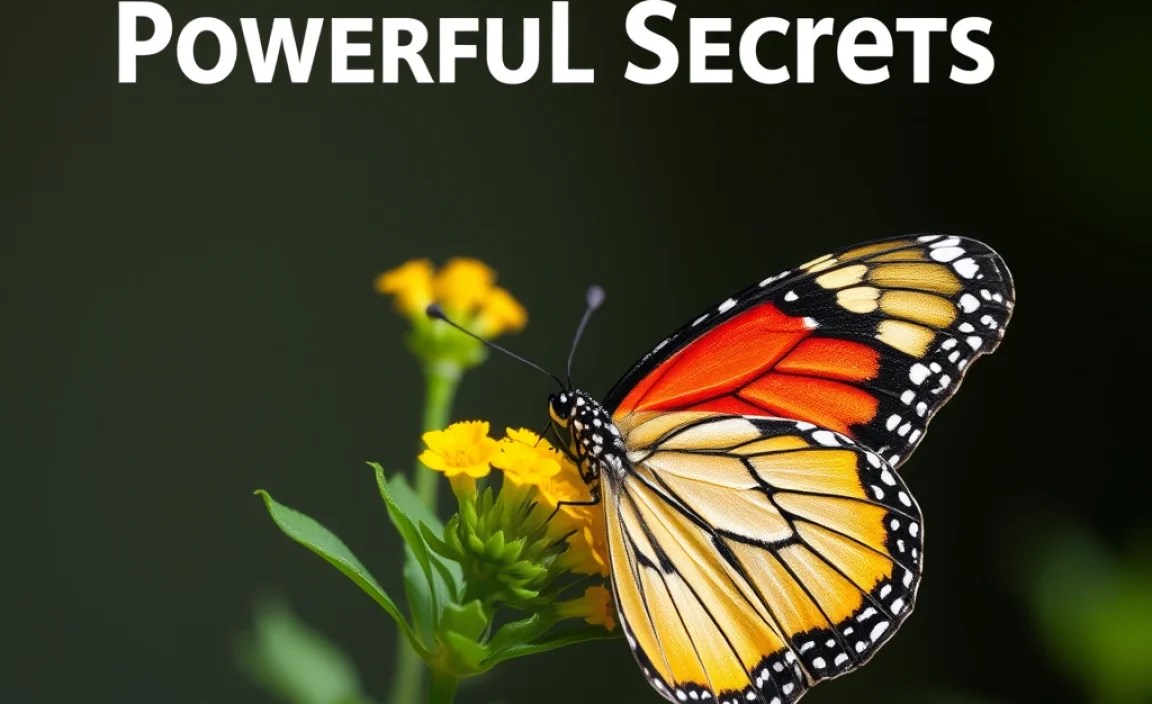
Here are some extra tips to enhance your butterfly conservation efforts:
- Provide Overwintering Habitat: Leave leaf litter and dead stems in your garden over the winter to provide shelter for overwintering butterflies and other insects.
- Create a Butterfly Puddling Area: Butterflies need minerals and salts, which they often obtain from puddles. Create a puddling area by filling a shallow dish with sand and keeping it moist.
- Plant Native Trees and Shrubs: Native trees and shrubs provide food and shelter for butterflies and other wildlife.
- Join a Butterfly Conservation Organization: Support organizations that are working to protect butterflies and their habitats.
- Educate Your Community: Share your knowledge about butterfly conservation with your neighbors, friends, and family.
The Benefits of Butterfly Refugia

Creating a butterfly refugium offers numerous benefits, not only for butterflies but also for you and the environment.
| Benefit | Description |
|---|---|
| Supporting Pollinators | Butterflies are important pollinators, and their decline can have a negative impact on ecosystems. By creating a butterfly refugium, you are helping to support these essential creatures. |
| Enhancing Biodiversity | Butterfly refugia provide habitat for a variety of other insects and wildlife. This can help to increase biodiversity in your area. |
| Beautifying Your Landscape | Butterfly plants are often beautiful and colorful, adding visual interest to your garden. |
| Providing Educational Opportunities | A butterfly refugium can be a valuable educational resource for children and adults alike. It can teach people about butterfly biology, ecology, and conservation. |
| Promoting Mental Well-being | Spending time in nature has been shown to have numerous mental health benefits. Watching butterflies in your refugium can be a relaxing and enjoyable experience. |
Conclusion
Creating a butterfly refugium is a rewarding and impactful way to contribute to butterfly conservation. By following these steps, you can transform your space into a haven for butterflies, providing them with the food, shelter, and breeding grounds they need to thrive. Every effort, no matter how small, makes a difference in protecting these beautiful and essential creatures. So, get started today and watch your garden transform into a vibrant butterfly paradise. Happy gardening!


