
Butterflies as Bioindicators: A Powerful Guide

Butterflies are excellent bioindicators, meaning they can tell us a lot about the health of an environment. Their presence, absence, or changes in population size can signal shifts in habitat quality, climate change impacts, and the overall well-being of an ecosystem. By studying butterflies, we gain valuable insights into the environment’s condition.
Have you ever wondered how we know if an ecosystem is healthy? It’s a big question, and luckily, nature gives us clues! Butterflies, those beautiful, fluttering insects, are more than just pretty faces. They’re like tiny environmental detectives, offering insights into the health of our planet. Changes in their populations, where they live, and how they behave can tell us if something is amiss. This guide will show you how these delicate creatures help scientists and nature lovers understand the well-being of our environment, step by step.
What are Bioindicators?
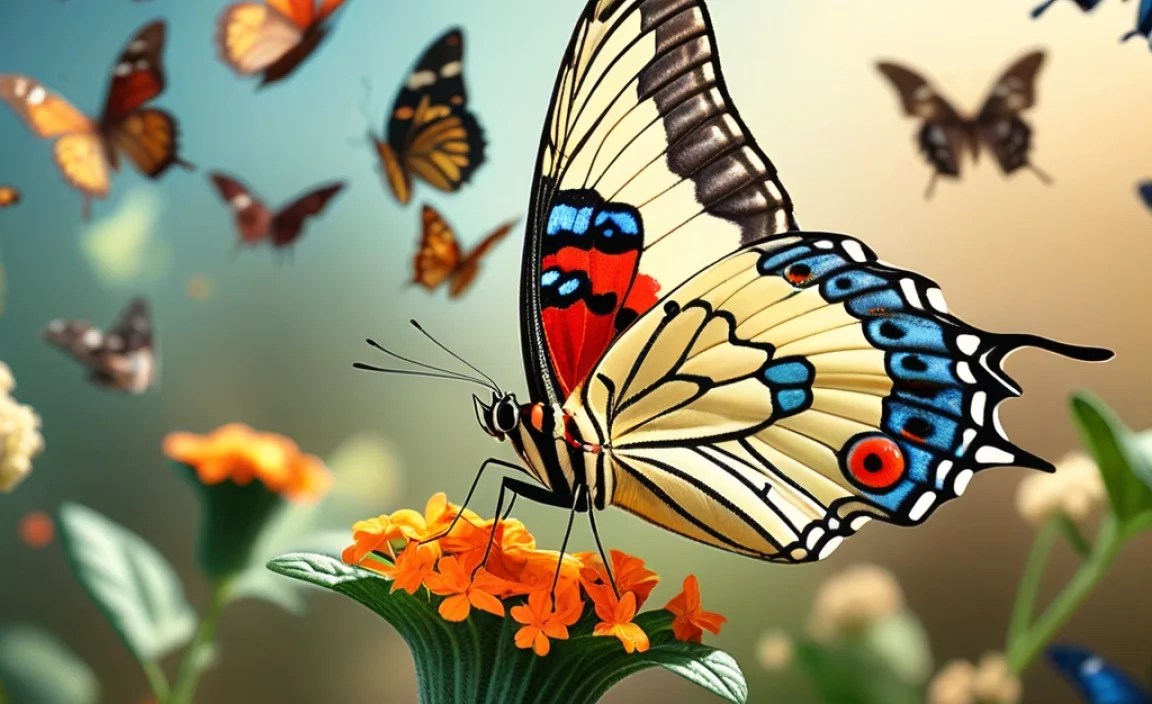
Bioindicators are living organisms that scientists use to assess the health of an ecosystem. They act as early warning systems, signaling changes in the environment caused by pollution, habitat loss, or climate change. By studying these organisms, we can gain valuable insights into the overall health of the environment and take steps to protect it.
- Early Warning System: Bioindicators provide an alert to environmental changes.
- Ecosystem Health Assessment: They help determine the condition of an environment.
- Pollution Detection: They can indicate the presence of pollutants.
Why Butterflies?

Butterflies make excellent bioindicators for several reasons:
- Sensitivity: Butterflies are very sensitive to environmental changes, such as habitat loss, pollution, and climate change.
- Wide Distribution: Butterflies are found in a wide variety of habitats, from forests and meadows to urban gardens.
- Well-Studied: Butterflies are one of the most well-studied insect groups, with a wealth of information available on their distribution, behavior, and ecology.
- Visibility: Butterflies are easy to observe and identify, making them a popular choice for citizen science projects.
- Specialized Diets: Many butterfly species have specific host plants that their caterpillars feed on, making them vulnerable to habitat loss and degradation.
How Butterflies Indicate Environmental Health

Butterflies can indicate environmental health in several ways:
Species Richness and Abundance
The number of different butterfly species (species richness) and the number of individuals of each species (abundance) can indicate the health of a habitat. A healthy habitat will typically support a diverse and abundant butterfly population. A decline in species richness or abundance can signal environmental problems.
Range Shifts
As climate change alters habitats, butterfly species may shift their ranges to find suitable conditions. By tracking these range shifts, scientists can monitor the impacts of climate change on ecosystems.
Phenology
Phenology refers to the timing of biological events, such as when butterflies emerge from their pupae or when they begin to migrate. Changes in phenology can indicate the effects of climate change on butterfly life cycles. For example, if butterflies emerge earlier in the spring due to warmer temperatures, it could disrupt their synchrony with their host plants and nectar sources.
Deformities and Abnormalities
Exposure to pollutants can cause deformities and abnormalities in butterflies. For example, butterflies exposed to pesticides may have deformed wings or antennae.
Habitat Specificity
Some butterfly species are highly specialized to specific habitats or host plants. The presence or absence of these species can indicate the health of those habitats. For example, the presence of a rare butterfly species that depends on a particular type of wildflower indicates that the wildflower population is healthy and the habitat is intact.
Examples of Butterflies as Bioindicators

Here are some specific examples of how butterflies have been used as bioindicators:
Monarch Butterflies
Monarch butterflies are famous for their long-distance migrations. Their populations have declined dramatically in recent years due to habitat loss and the use of pesticides. Monitoring monarch populations can provide insights into the health of their breeding and overwintering habitats. The World Wildlife Fund actively works to protect monarch butterflies and their habitats.
Lycaenidae (Gossamer-winged Butterflies)
Many species in the Lycaenidae family are highly dependent on specific host plants and ant species. Their presence or absence can indicate the health of their associated habitats. For example, some species rely on specific ant species to protect their caterpillars from predators. The health of the ant colonies is directly linked to the butterfly’s survival.
Apollo Butterflies (Parnassius)
Apollo butterflies are sensitive to habitat fragmentation and climate change. Their populations have declined in many areas due to these threats. Monitoring Apollo butterfly populations can provide insights into the health of alpine and mountainous ecosystems.
How to Use Butterflies as Bioindicators in Your Own Backyard
You don’t need to be a scientist to use butterflies as bioindicators. Here’s how you can monitor butterflies in your own backyard or local area:
- Learn to Identify Local Butterflies: Get a field guide or use online resources to learn to identify the butterfly species in your area.
- Create a Butterfly Garden: Plant native host plants and nectar sources to attract butterflies to your yard.
- Observe and Record: Keep a record of the butterfly species you see in your yard, as well as their abundance and behavior.
- Participate in Citizen Science Projects: Join a citizen science project, such as the North American Butterfly Association’s Butterfly Count, to contribute data to scientific research.
- Reduce Pesticide Use: Avoid using pesticides in your yard, as they can harm butterflies and other beneficial insects.
- Support Local Conservation Efforts: Support local conservation organizations that are working to protect butterfly habitats.
Step-by-Step Guide to Butterfly Monitoring
Here’s a more detailed step-by-step guide to monitoring butterflies:
Step 1: Choose a Monitoring Site
Select a site that is representative of the habitat you want to monitor. This could be your backyard, a local park, or a nature preserve. Make sure the site is accessible and safe to visit regularly.
Step 2: Learn Butterfly Identification
Invest in a good field guide to butterflies in your region. Peterson Field Guides and Kaufman Field Guides are excellent choices. Practice identifying butterflies in your area until you are confident in your ability to distinguish between species. Online resources, such as the Butterflies and Moths of North America website, can also be helpful.
Step 3: Establish a Transect
A transect is a fixed route that you will walk each time you monitor butterflies. The transect should be representative of the habitat you are monitoring and should be at least 100 meters long. Mark the start and end points of the transect with GPS coordinates or landmarks.
Step 4: Conduct Butterfly Counts
Walk the transect at a slow, steady pace, identifying and counting all the butterflies you see within a 5-meter radius of the transect line. Record the species, number of individuals, and any interesting behavior you observe. Conduct butterfly counts on sunny, warm days when butterflies are most active. Avoid counting on windy or rainy days.
Step 5: Record Data
Keep a detailed record of your butterfly counts, including the date, time, location, weather conditions, and the number of individuals of each species. Use a notebook, spreadsheet, or a dedicated butterfly monitoring app to record your data.
Step 6: Analyze Data
Analyze your data to look for trends in butterfly populations. Are certain species declining or increasing in abundance? Are there any changes in the timing of butterfly emergence or migration? Use statistical tools or consult with a local expert to help you analyze your data.
Step 7: Share Your Findings
Share your findings with local conservation organizations, researchers, or other citizen scientists. Your data can contribute to a better understanding of butterfly populations and the health of the environment. Consider publishing your findings in a local newsletter or presenting them at a community event.
Tools and Resources for Butterfly Monitoring
Here are some tools and resources that can help you monitor butterflies:
- Field Guides: Peterson Field Guides, Kaufman Field Guides, National Audubon Society Field Guides
- Online Resources: Butterflies and Moths of North America, North American Butterfly Association, Xerces Society
- Butterfly Monitoring Apps: iNaturalist, eButterfly
- Binoculars: A good pair of binoculars can help you identify butterflies from a distance.
- Camera: A camera can help you document your butterfly observations.
- Notebook and Pencil: A notebook and pencil are essential for recording your data in the field.
- GPS Device: A GPS device can help you mark the location of your transect and butterfly sightings.
Benefits of Using Butterflies as Bioindicators
Using butterflies as bioindicators offers several benefits:
- Cost-Effective: Monitoring butterflies is a relatively inexpensive way to assess environmental health.
- Easy to Implement: Butterfly monitoring can be implemented by citizen scientists with minimal training.
- Provides Early Warning: Butterflies can provide an early warning of environmental problems, allowing for timely intervention.
- Engages the Public: Butterfly monitoring can engage the public in environmental conservation.
- Supports Conservation: Butterfly monitoring can provide data to support conservation efforts.
Challenges of Using Butterflies as Bioindicators
There are also some challenges associated with using butterflies as bioindicators:
- Requires Expertise: Identifying butterflies requires some expertise.
- Weather Dependent: Butterfly monitoring is weather dependent.
- Limited Scope: Butterflies may not be sensitive to all types of environmental changes.
- Population Fluctuations: Butterfly populations can fluctuate naturally, making it difficult to detect long-term trends.
- Habitat Loss: Habitat loss can make it difficult to find butterflies to monitor.
Case Studies: Butterfly Monitoring in Action
Here are a few case studies that illustrate how butterfly monitoring has been used to assess environmental health:
The UK Butterfly Monitoring Scheme
The UK Butterfly Monitoring Scheme is one of the longest-running butterfly monitoring programs in the world. The scheme has been running since 1976 and has collected data on butterfly populations across the UK. The data has been used to assess the impacts of climate change, habitat loss, and agricultural intensification on butterfly populations. The scheme has also been used to evaluate the effectiveness of conservation measures.
The North American Butterfly Association’s Butterfly Count
The North American Butterfly Association’s Butterfly Count is a citizen science project that has been running since 1975. Volunteers conduct butterfly counts in their local areas and submit their data to the NABA. The data is used to track butterfly populations across North America and to assess the impacts of environmental changes. The count provides valuable information on the distribution and abundance of butterflies and helps to raise awareness of butterfly conservation.
Butterfly Monitoring in Protected Areas
Butterfly monitoring is often used in protected areas to assess the effectiveness of management practices. For example, butterfly monitoring may be used to assess the impacts of grazing, burning, or logging on butterfly populations. The data can be used to adjust management practices to better protect butterfly habitats.
Butterfly Conservation
Butterflies are facing numerous threats, including habitat loss, climate change, pollution, and pesticide use. Butterfly conservation is essential for protecting these beautiful and important insects. Here are some things you can do to help butterflies:
- Create a Butterfly Garden: Plant native host plants and nectar sources to attract butterflies to your yard.
- Reduce Pesticide Use: Avoid using pesticides in your yard, as they can harm butterflies and other beneficial insects.
- Support Local Conservation Efforts: Support local conservation organizations that are working to protect butterfly habitats.
- Educate Others: Educate others about the importance of butterflies and the threats they face.
- Participate in Citizen Science Projects: Join a citizen science project, such as the North American Butterfly Association’s Butterfly Count, to contribute data to scientific research.
| Threat | Impact on Butterflies | Conservation Action |
|---|---|---|
| Habitat Loss | Reduced food sources and breeding sites | Plant native vegetation, protect natural areas |
| Climate Change | Range shifts, phenological mismatches | Reduce carbon footprint, support climate action |
| Pollution | Toxicity to caterpillars and adults | Reduce pesticide use, promote clean air and water |
| Pesticide Use | Direct mortality, reduced food sources | Use organic gardening methods, advocate for responsible pesticide use |
The Future of Butterflies as Bioindicators
As environmental challenges continue to grow, the role of butterflies as bioindicators will become even more important. By monitoring butterfly populations, we can gain valuable insights into the health of our ecosystems and take steps to protect them. Advances in technology, such as remote sensing and DNA barcoding, are making it easier to monitor butterflies and to study their ecology. Citizen science projects are also playing an increasingly important role in butterfly monitoring, engaging the public in environmental conservation and providing valuable data to scientists.
Here are some potential future directions for the use of butterflies as bioindicators:
- Integrating butterfly monitoring data with other environmental data, such as climate data and land use data, to gain a more comprehensive understanding of ecosystem health.
- Using butterfly monitoring data to develop predictive models of ecosystem change.
- Using butterfly monitoring data to evaluate the effectiveness of conservation policies and management practices.
- Expanding butterfly monitoring programs to under-represented regions of the world.
- Developing new tools and technologies for butterfly monitoring, such as automated butterfly identification systems and drone-based butterfly surveys.
FAQ about Butterflies as Bioindicators
What exactly does it mean for a butterfly to be a bioindicator?
Being a bioindicator means that butterflies tell us about the health of the environment. Their presence, absence, or changes in population can signal shifts in habitat quality or climate change.
Why are butterflies such good bioindicators?
Butterflies are sensitive to environmental changes, are found in many places, are easy to spot, and are well-studied, making them perfect indicators.
Can anyone use butterflies to assess environmental health?
Yes! By learning to identify local butterflies, creating butterfly gardens, and recording your observations, you can contribute to monitoring efforts.
What kind of environmental problems can butterflies indicate?
Butterflies can signal habitat loss, pollution, and the effects of climate change, such as changes in the timing of their life cycles.
How can I help protect butterflies and their role as bioindicators?
Plant native plants, reduce pesticide use, support local conservation groups, educate others, and participate in citizen science projects.
Where can I learn more about butterfly monitoring?
Organizations like the North American Butterfly Association and the Xerces Society offer resources, field guides, and monitoring programs.
What is a “transect” in butterfly monitoring?
A transect is a fixed path you walk regularly to count butterflies, helping track changes over time in a consistent area.
Conclusion
Butterflies, with their delicate wings and vibrant colors, are more than just beautiful creatures. They are valuable bioindicators, providing insights into the health of our environment. By monitoring butterfly populations, we can gain a better understanding of the challenges facing our ecosystems and take steps to protect them. Whether you’re a scientist, a nature enthusiast, or a gardener, you can play a role in butterfly conservation and help ensure that these important insects continue to thrive for generations to come. So, go out there, explore the world of butterflies, and become a citizen scientist for a healthier planet!


