
Urgent Butterfly Decline Research: What You Must Know

Quick Summary: Butterfly populations are declining worldwide due to habitat loss, pesticide use, climate change, and other factors. Research focuses on understanding these threats, monitoring butterfly numbers, and finding ways to protect them through habitat restoration, sustainable practices, and conservation efforts. By studying butterfly declines, scientists hope to implement strategies to reverse the trend and ensure these beautiful creatures thrive for generations to come.
Butterflies, those colorful jewels of our gardens and meadows, are facing a tough time. You might have noticed fewer fluttering around than you used to. This decline in butterfly populations is a real concern, and scientists around the world are working hard to understand why it’s happening and what we can do to help. It’s a complex issue, but the good news is that by understanding the threats, we can all play a part in protecting these vital creatures.
In this article, we’ll explore the key research areas focusing on butterfly decline. We’ll look at the main threats butterflies face, how scientists are studying these declines, and, most importantly, what actions we can take to support butterfly conservation. Let’s dive in and discover how we can make a difference!
Understanding Butterfly Decline Research
Butterfly decline research is a critical field of study aimed at understanding why butterfly populations are decreasing globally. This research involves identifying the factors contributing to these declines, monitoring butterfly populations, and developing strategies to mitigate the negative impacts. Here’s a closer look at the key areas of focus:
Key Research Areas
- Habitat Loss and Fragmentation: Investigating how the destruction and division of natural habitats affect butterfly populations.
- Pesticide Use: Studying the impact of insecticides and herbicides on butterfly health and survival.
- Climate Change: Examining how changing temperatures, altered rainfall patterns, and extreme weather events influence butterfly life cycles and distribution.
- Disease and Parasites: Researching the role of pathogens and parasites in butterfly mortality.
- Pollution: Assessing the effects of air, water, and soil pollution on butterfly habitats and food sources.
Why is This Research Important?
Butterflies are more than just pretty insects; they play vital roles in our ecosystems:
- Pollination: Butterflies are important pollinators, helping to fertilize plants, including many food crops.
- Food Source: They serve as a food source for birds, reptiles, and other animals.
- Indicators of Environmental Health: Butterfly populations are sensitive to environmental changes, making them valuable indicators of ecosystem health.
Understanding butterfly decline is essential for maintaining biodiversity, supporting healthy ecosystems, and ensuring the sustainability of our environment. Without this research, we risk losing these beautiful creatures and the important roles they play in the natural world.
Factors Contributing to Butterfly Decline
Butterfly populations are affected by a complex web of interacting factors. Let’s explore the primary drivers of their decline in more detail:
Habitat Loss and Fragmentation
Habitat loss is one of the most significant threats to butterflies. As natural areas are converted for agriculture, urbanization, and other human activities, butterflies lose their homes and food sources. Fragmentation, where habitats are broken into smaller, isolated patches, further exacerbates the problem by limiting butterfly movement and gene flow. According to the Xerces Society, habitat loss is a leading cause of pollinator decline.
Pesticide Use
Pesticides, especially insecticides, can directly harm butterflies and their larvae. Even pesticides not specifically targeted at butterflies can have unintended consequences, affecting their nervous systems, reproduction, and overall health. Neonicotinoids, a widely used class of insecticides, have been shown to have particularly detrimental effects on pollinators, including butterflies. Research published in the journal Nature highlights the negative impacts of neonicotinoids on butterfly populations.
Climate Change
Climate change is altering butterfly habitats and disrupting their life cycles. Rising temperatures, changes in rainfall patterns, and more frequent extreme weather events can affect butterfly distribution, migration, and food availability. Some butterfly species are shifting their ranges northward or to higher elevations in response to warming temperatures, while others are unable to adapt quickly enough. A study by the National Wildlife Federation shows how climate change impacts monarch butterfly migration and breeding.
Disease and Parasites
Butterflies are susceptible to various diseases and parasites, which can cause significant mortality, especially in stressed or weakened populations. For example, the protozoan parasite Ophryocystis elektroscirrha (OE) can infect monarch butterflies, reducing their lifespan and reproductive success. Habitat loss and other stressors can make butterflies more vulnerable to these pathogens. Scientists at the Monarch Joint Venture are actively researching the impact of OE on monarch populations.
Pollution
Air, water, and soil pollution can indirectly affect butterflies by harming their host plants and food sources. Pollutants can also directly impact butterfly health, weakening their immune systems and making them more susceptible to disease. Industrial emissions, agricultural runoff, and other forms of pollution can degrade butterfly habitats and reduce their suitability for survival.
Here’s a table summarizing these factors:
| Factor | Description | Impact on Butterflies |
|---|---|---|
| Habitat Loss | Destruction of natural areas for human use. | Reduces food sources and breeding grounds. |
| Pesticide Use | Application of chemicals to control pests. | Directly harms butterflies and their larvae. |
| Climate Change | Altered weather patterns and rising temperatures. | Disrupts life cycles and shifts habitats. |
| Disease and Parasites | Infections that weaken butterfly populations. | Increases mortality, especially in stressed populations. |
| Pollution | Contamination of air, water, and soil. | Harms host plants and weakens butterfly health. |
Methods Used in Butterfly Decline Research
Researchers employ a variety of methods to study butterfly decline, each providing unique insights into the factors affecting butterfly populations. Here are some key research techniques:
Population Monitoring
Population monitoring involves tracking butterfly numbers over time to detect trends and changes in abundance. This can be done through:
- Butterfly Counts: Regular surveys conducted by volunteers and scientists to count butterflies in specific areas.
- Transect Walks: Walking along fixed routes (transects) and recording all butterflies observed within a certain distance.
- Mark-Recapture Studies: Capturing, marking, and releasing butterflies to estimate population size and movement patterns.
Organizations like the Butterflies and Moths of North America (BAMONA) coordinate citizen science projects that contribute valuable data to population monitoring efforts.
Habitat Assessments
Habitat assessments involve evaluating the quality and suitability of butterfly habitats. This includes:
- Vegetation Surveys: Identifying and quantifying the types of plants present in an area, including host plants and nectar sources.
- Habitat Mapping: Creating maps of butterfly habitats to assess their size, connectivity, and fragmentation.
- Soil Analysis: Testing soil samples for pollutants and nutrient levels that may affect plant growth and butterfly health.
Laboratory Studies
Laboratory studies are conducted to investigate the direct effects of various factors on butterflies under controlled conditions. This can include:
- Pesticide Exposure Studies: Exposing butterflies to different concentrations of pesticides to assess their toxicity and sublethal effects.
- Climate Change Experiments: Raising butterflies at different temperatures and humidity levels to study their physiological responses.
- Disease Transmission Studies: Investigating how diseases and parasites spread among butterfly populations.
Genetic Analysis
Genetic analysis is used to study the genetic diversity and structure of butterfly populations. This can help researchers understand:
- Population Connectivity: How different butterfly populations are related and whether they exchange genes.
- Adaptation Potential: The ability of butterflies to adapt to changing environmental conditions.
- Inbreeding Depression: The negative effects of reduced genetic diversity in small, isolated populations.
Modeling and Data Analysis
Modeling and data analysis are used to integrate data from various sources and make predictions about butterfly populations. This includes:
- Population Viability Analysis (PVA): Using mathematical models to assess the likelihood of a population persisting over time.
- Species Distribution Modeling (SDM): Predicting the potential distribution of butterfly species based on environmental factors.
- Statistical Analysis: Analyzing data to identify correlations between butterfly populations and environmental variables.
Conservation Strategies for Butterflies
Based on the research findings, several conservation strategies can be implemented to protect butterflies and their habitats. Here are some key approaches:
Habitat Restoration and Creation
Restoring and creating butterfly habitats is essential for providing food, shelter, and breeding sites. This can involve:
- Planting Native Host Plants: Growing the specific plants that butterfly larvae need to feed on. For example, planting milkweed for monarch butterflies.
- Creating Nectar-Rich Gardens: Planting a variety of flowering plants that provide nectar for adult butterflies.
- Restoring Natural Areas: Replanting native vegetation in degraded areas and removing invasive species.
Reducing Pesticide Use
Minimizing pesticide use is crucial for protecting butterflies from direct harm. This can be achieved through:
- Promoting Integrated Pest Management (IPM): Using a combination of biological, cultural, and chemical control methods to manage pests.
- Using Butterfly-Friendly Pesticides: Selecting pesticides that are less toxic to butterflies and applying them carefully to avoid harming non-target species.
- Advocating for Pesticide Regulations: Supporting policies that restrict the use of harmful pesticides and promote safer alternatives.
Addressing Climate Change
Mitigating climate change and helping butterflies adapt to its effects is a long-term conservation goal. This can involve:
- Reducing Greenhouse Gas Emissions: Supporting policies and practices that reduce carbon emissions and slow down global warming.
- Creating Climate-Resilient Habitats: Designing habitats that can withstand extreme weather events and provide refuge for butterflies during periods of stress.
- Assisted Migration: Moving butterfly populations to more suitable habitats if their current range becomes uninhabitable.
Managing Disease and Parasites
Controlling disease and parasite outbreaks can help reduce mortality in butterfly populations. This can involve:
- Promoting Healthy Habitats: Maintaining high-quality habitats that reduce stress and improve butterfly immune function.
- Monitoring for Disease Outbreaks: Tracking butterfly populations for signs of disease and taking action to prevent further spread.
- Implementing Best Practices for Butterfly Rearing: Following strict hygiene protocols when raising butterflies in captivity to prevent the transmission of diseases.
Raising Awareness and Educating the Public
Educating the public about butterfly conservation is essential for fostering support and inspiring action. This can involve:
- Creating Educational Programs: Developing programs for schools, community groups, and the general public to learn about butterflies and their importance.
- Organizing Butterfly Festivals and Events: Hosting events that celebrate butterflies and provide opportunities for people to learn about conservation efforts.
- Using Social Media and Online Resources: Sharing information about butterflies and conservation on social media platforms and websites.
Here’s a table summarizing conservation strategies:
| Strategy | Description | How it Helps Butterflies |
|---|---|---|
| Habitat Restoration | Recreating natural areas for butterflies. | Provides food, shelter, and breeding sites. |
| Reduce Pesticides | Minimizing harmful chemical use. | Protects butterflies from direct harm. |
| Address Climate Change | Reducing emissions, creating resilient habitats. | Helps butterflies adapt to changing conditions. |
| Manage Diseases | Promoting healthy habitats, monitoring outbreaks. | Reduces mortality and disease spread. |
| Raise Awareness | Educating the public about butterflies. | Fosters support for conservation efforts. |
How You Can Help Butterflies
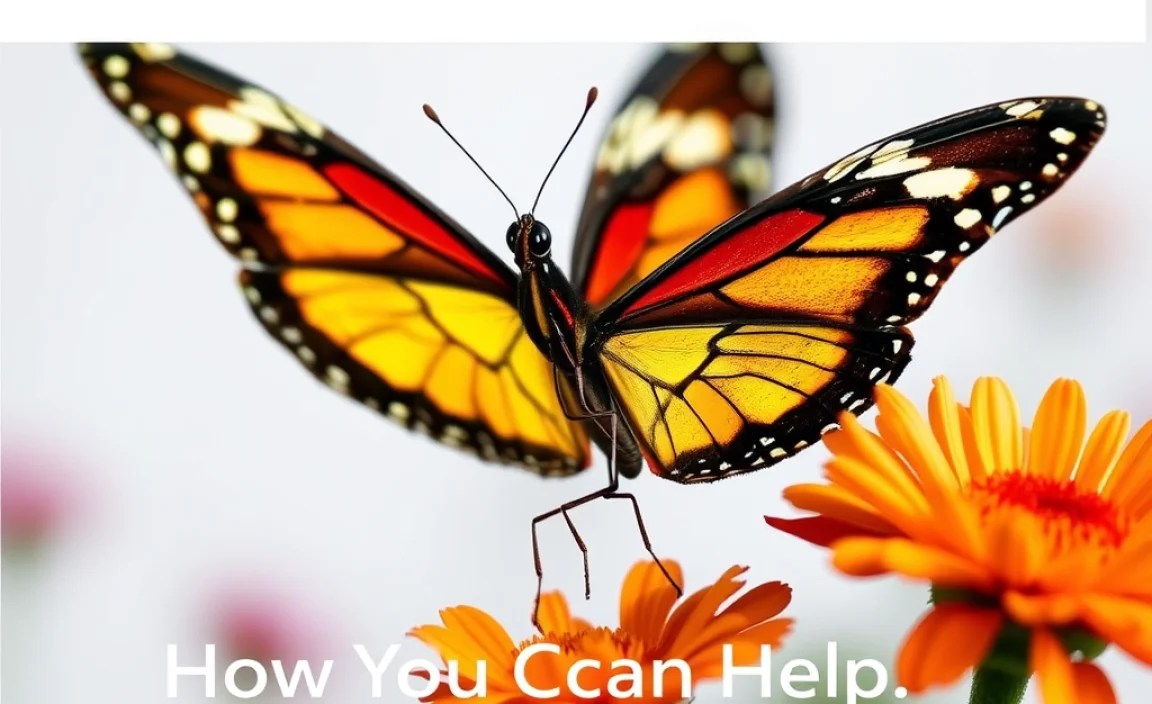
You don’t need to be a scientist to contribute to butterfly conservation. Here are some simple steps you can take to make a difference:
- Plant a Butterfly Garden: Create a butterfly-friendly garden with native host plants and nectar sources. This provides essential food and habitat for butterflies in your area.
- Avoid Using Pesticides: Choose organic gardening methods and avoid using pesticides that can harm butterflies and other beneficial insects.
- Support Local Conservation Organizations: Donate to or volunteer with local organizations that are working to protect butterfly habitats.
- Participate in Citizen Science Projects: Join butterfly counts and other monitoring programs to help researchers track butterfly populations.
- Educate Others: Share your knowledge about butterflies and conservation with friends, family, and neighbors.
- Advocate for Butterfly-Friendly Policies: Support policies that protect butterfly habitats and promote sustainable practices.
Every small action adds up, and together we can create a brighter future for butterflies.
FAQ About Butterfly Decline
Here are some frequently asked questions about butterfly decline, with simple and clear answers:
1. Why are butterfly populations declining?
Butterfly populations are declining due to several factors, including habitat loss, pesticide use, climate change, diseases, and pollution. These factors reduce their food sources, breeding sites, and overall survival rates.
2. What is habitat loss, and how does it affect butterflies?
Habitat loss refers to the destruction or fragmentation of natural areas where butterflies live and feed. This loss reduces the availability of host plants for caterpillars and nectar sources for adult butterflies, making it harder for them to survive.
3. How do pesticides harm butterflies?
Pesticides, especially insecticides, can directly poison butterflies and their larvae. Even if the pesticides don’t kill them outright, they can weaken their immune systems, disrupt their reproduction, and make them more susceptible to diseases.
4. What role does climate change play in butterfly decline?
Climate change can alter butterfly habitats, disrupt their life cycles, and affect their migration patterns. Rising temperatures, changes in rainfall, and extreme weather events can make it difficult for butterflies to find food and reproduce.
5. What can I plant in my garden to help butterflies?
To help butterflies, plant native host plants for caterpillars and nectar-rich flowers for adult butterflies. Milkweed is essential for monarch butterflies, while other good choices include coneflowers, asters, and butterfly bush.
6. How can I participate in butterfly conservation efforts?
You can participate in butterfly conservation by planting a butterfly garden, avoiding pesticides, supporting local conservation organizations, participating in citizen science projects, and educating others about the importance of butterflies.
7. Are some butterfly species more at risk than others?
Yes, some butterfly species are more at risk than others due to their specific habitat requirements, limited ranges, or specialized diets. Monarch butterflies, for example, are currently facing significant threats due to habitat loss and climate change.
Conclusion
Butterfly decline is a serious environmental issue, but it’s not too late to take action. By understanding the factors contributing to these declines and implementing effective conservation strategies, we can help protect these beautiful and important creatures. Whether it’s planting a butterfly garden, reducing pesticide use, or supporting conservation organizations, every effort makes a difference. Let’s work together to ensure that future generations can enjoy the beauty and ecological benefits of butterflies.


