
Butterfly Microrefugia: Discover Secret Havens

Butterfly microrefugia are small, sheltered areas that offer butterflies protection from harsh weather, predators, and habitat loss. These vital spots, like patches of specific host plants or sunny, wind-sheltered nooks, help butterflies survive and reproduce, especially during challenging times. Understanding and preserving microrefugia is key to butterfly conservation.
Have you ever noticed how butterflies seem to disappear when the weather turns bad, only to reappear as soon as the sun peeks through the clouds? It’s not magic; they’re likely taking refuge in microrefugia! These tiny havens are crucial for their survival, but often overlooked. Finding and protecting these spots is vital for helping butterfly populations thrive.
In this article, we’ll explore what butterfly microrefugia are, why they matter, and how you can identify and create them in your own backyard or community. Get ready to discover the secret world of butterfly shelters!
Understanding Butterfly Microrefugia
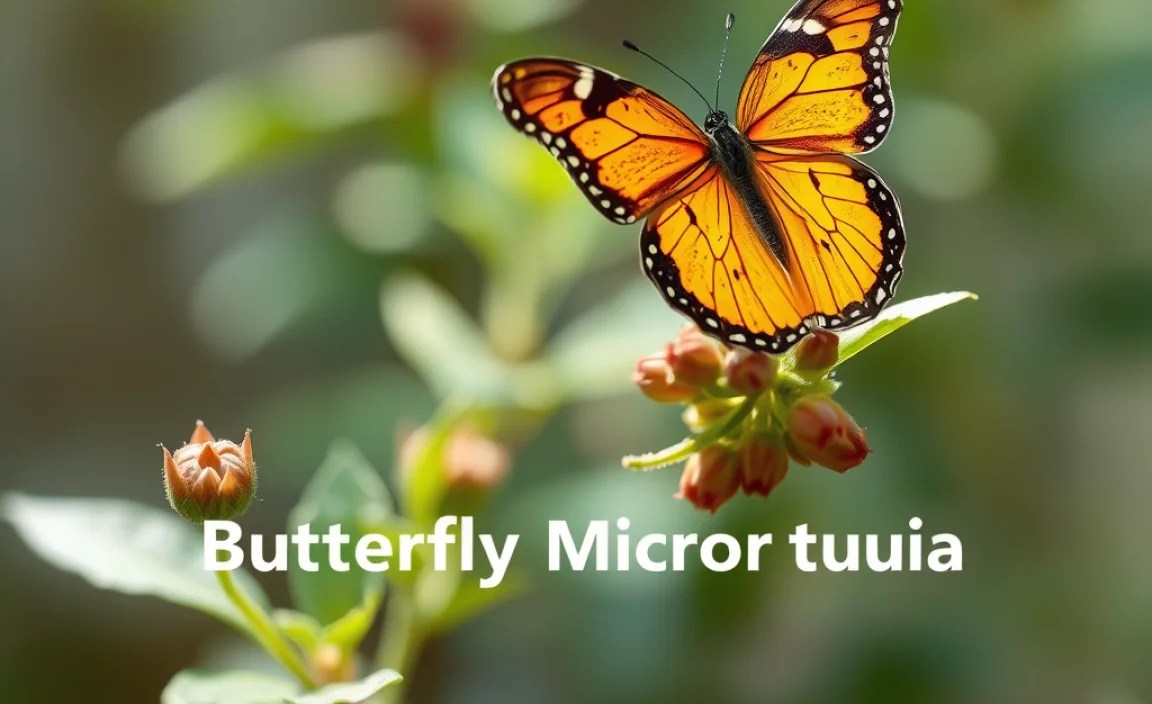
Microrefugia are small, localized environments that provide specific conditions necessary for the survival of certain species, especially during periods of environmental stress. For butterflies, these areas offer shelter from extreme weather, provide essential resources like food and water, and protect them from predators.
What Makes a Good Butterfly Microrefugium?
Several factors contribute to the suitability of a microrefugium for butterflies:
- Shelter from Wind: Butterflies are delicate and easily blown about by strong winds. Areas sheltered by trees, shrubs, or even rocks can provide crucial protection.
- Sun Exposure: Butterflies are cold-blooded and rely on sunlight to warm their bodies. Sunny spots within a sheltered area are ideal.
- Host Plants: These are the specific plants that butterfly larvae (caterpillars) need to feed on. The presence of host plants is essential for reproduction.
- Nectar Sources: Adult butterflies need nectar for energy. A variety of flowering plants that bloom at different times of the year is ideal.
- Water Source: Butterflies need water, especially during hot weather. A shallow dish of water with pebbles for them to land on can be a lifesaver.
- Protection from Predators: Areas with dense vegetation can provide cover from birds and other predators.
Examples of Butterfly Microrefugia
Microrefugia can take many forms, both natural and human-created:
- Natural Microrefugia:
- Woodland Edges: The transition zone between a forest and an open field often provides a mix of sun, shelter, and host plants.
- Rock Outcrops: Rocks absorb heat from the sun, creating warm microclimates, and can also provide shelter from the wind.
- Dense Thickets: Thorny shrubs and dense vegetation can offer protection from predators and harsh weather.
- Streamside Vegetation: Plants along streams and rivers often provide both food and water sources for butterflies.
- Human-Created Microrefugia:
- Butterfly Gardens: Gardens specifically designed to attract butterflies with host plants, nectar sources, and shelter.
- Brush Piles: Piles of branches and leaves can provide shelter for butterflies and other insects.
- Greenhouses and Cold Frames: These structures can extend the butterfly season by providing a warm, sheltered environment.
Why Butterfly Microrefugia Are Important

Butterfly microrefugia play a critical role in the survival and conservation of butterfly populations.
Climate Change Resilience
As climate change brings more extreme weather events, microrefugia become even more important. They provide butterflies with a buffer against heat waves, droughts, and severe storms. A study by the Nature Conservancy highlights the importance of microrefugia in helping species adapt to changing climate conditions.
Habitat Loss Mitigation
Habitat loss is one of the biggest threats to butterfly populations. Microrefugia can provide small pockets of suitable habitat in fragmented landscapes, allowing butterflies to persist even when their larger habitats are degraded or destroyed. The Xerces Society offers excellent resources on habitat restoration and conservation for butterflies.
Supporting Butterfly Life Cycles
Butterflies have complex life cycles, with different stages requiring different resources and conditions. Microrefugia can provide the specific conditions needed for each stage, from egg-laying to larval development to pupation to adult feeding and reproduction.
Promoting Biodiversity
By providing habitat for butterflies, microrefugia also support a wide range of other insects and wildlife. Butterflies are important pollinators, and their presence can contribute to the overall health and biodiversity of an ecosystem.
How to Identify Butterfly Microrefugia

Learning to identify potential butterfly microrefugia is a valuable skill for any nature enthusiast or conservationist.
Look for Sheltered Areas
Start by identifying areas that offer protection from wind and weather. These might be on the leeward side of hills, near dense vegetation, or in sheltered valleys. Observe how the wind flows through the landscape and identify areas where it is blocked or reduced.
Assess Sun Exposure
Butterflies need sunlight to warm their bodies, so look for sunny spots within sheltered areas. Note how the sun moves across the landscape throughout the day and identify areas that receive direct sunlight for several hours. Southern-facing slopes often receive the most sunlight.
Identify Host Plants
The presence of host plants is a key indicator of potential microrefugia. Learn to identify the host plants for the butterfly species in your area. Some common host plants include milkweed for monarch butterflies, parsley and dill for swallowtail butterflies, and violets for fritillary butterflies. Resources like the National Wildlife Federation can help you identify host plants in your region.
Observe Butterfly Behavior
Pay attention to where butterflies are most active. Are they congregating in certain areas? Are they consistently visiting specific plants? Are they seeking shelter in particular spots during windy or rainy weather? Observing butterfly behavior can provide valuable clues about the location of microrefugia.
Consider the Surrounding Landscape
Microrefugia are most effective when they are connected to other habitats. Consider the surrounding landscape and how it might influence butterfly movement and dispersal. Are there corridors of vegetation that connect the microrefugium to other suitable habitats? Are there barriers that might prevent butterflies from accessing the area?
Creating Butterfly Microrefugia in Your Own Space

You can create butterfly microrefugia in your own backyard, garden, or community space. Here’s how:
Plant Host Plants and Nectar Sources
Choose a variety of host plants and nectar sources that are native to your area. Native plants are best adapted to the local climate and soil conditions, and they are more likely to attract native butterflies. Plant them in sunny, sheltered locations.
Provide Shelter
Create sheltered areas by planting trees, shrubs, and tall grasses. You can also build a brush pile or rock garden to provide additional shelter. Arrange plants to create windbreaks and sunny nooks.
Offer a Water Source
Butterflies need water, especially during hot weather. Provide a shallow dish of water with pebbles or marbles for them to land on. You can also create a small puddle or bog garden.
Avoid Pesticides
Pesticides can be harmful to butterflies and other beneficial insects. Avoid using pesticides in your garden, or choose organic and natural alternatives. Encourage natural pest control by attracting beneficial insects like ladybugs and lacewings.
Leave Leaf Litter and Dead Stems
Many butterflies overwinter as pupae or larvae in leaf litter and dead stems. Leave some of these materials in your garden to provide overwintering habitat. Wait until spring to clean up your garden, after the butterflies have emerged.
Consider a Butterfly House
While the effectiveness of butterfly houses is debated, they can provide additional shelter for butterflies, especially during inclement weather. Choose a butterfly house that is well-ventilated and placed in a sheltered location.
Example Microrefugia Garden Plan
| Plant Type | Plant Name | Benefits | Location |
|---|---|---|---|
| Host Plant | Milkweed (Asclepias spp.) | Food for Monarch butterfly larvae | Sunny area, well-drained soil |
| Nectar Source | Butterfly Bush (Buddleja davidii) | Attracts many butterfly species with its nectar-rich flowers | Sunny area, well-drained soil |
| Shelter | Serviceberry (Amelanchier spp.) | Provides shelter from wind and predators | Edge of garden, partial shade |
| Water Source | Shallow dish with pebbles | Provides water for butterflies to drink | Sunny area, near nectar sources |
| Overwintering Habitat | Leave leaf litter and dead stems | Provides overwintering habitat for butterfly pupae and larvae | Under shrubs and trees |
The Role of Community and Conservation

Creating and protecting butterfly microrefugia is not just an individual effort; it requires community involvement and conservation initiatives.
Community Gardens and Parks
Encourage the creation of butterfly-friendly habitats in community gardens and parks. These spaces can provide valuable microrefugia for butterflies and other wildlife, as well as educational opportunities for the public. Advocate for the use of native plants and sustainable gardening practices in these spaces.
School Gardens and Education Programs
School gardens can be a great way to teach children about butterflies and their importance. Involve students in creating butterfly microrefugia in their school gardens and develop educational programs that focus on butterfly biology, ecology, and conservation. Resources like the Environmental Protection Agency (EPA) offer educational materials on environmental topics.
Conservation Organizations
Support local and national conservation organizations that are working to protect butterfly habitats. These organizations often conduct research, restore habitats, and advocate for policies that benefit butterflies and other wildlife. Consider volunteering your time or donating to these organizations.
Citizen Science Projects
Participate in citizen science projects that monitor butterfly populations and habitats. These projects can provide valuable data on butterfly distribution, abundance, and habitat use. They also offer a great way to learn more about butterflies and contribute to conservation efforts. The iNaturalist platform is a great place to record butterfly sightings and contribute to biodiversity research.
Advanced Techniques for Enhancing Microrefugia
For those looking to take their microrefugia efforts to the next level, here are some advanced techniques to consider:
Microclimate Manipulation
Actively manipulate the microclimate of your microrefugia to create optimal conditions for butterflies. This might involve adding rocks to create warm basking spots, building windbreaks to reduce wind exposure, or irrigating the area during dry periods. Use a thermometer and humidity sensor to monitor conditions and make adjustments as needed.
Soil Improvement
Improve the soil quality in your microrefugia to promote healthy plant growth. Conduct a soil test to determine the nutrient content and pH level. Amend the soil with compost, manure, or other organic materials to improve its fertility and drainage. Consider using mycorrhizal fungi to enhance plant root growth and nutrient uptake.
Succession Management
Manage the plant succession in your microrefugia to maintain a diversity of habitats. Regularly remove invasive species and prune trees and shrubs to prevent them from shading out other plants. Consider using controlled burns to create open areas and promote the growth of early successional plants.
Connectivity Enhancement
Enhance the connectivity of your microrefugia to other habitats by creating corridors of vegetation. Plant trees, shrubs, and wildflowers along fences, roads, and other barriers to create pathways for butterflies to move between habitats. Consider working with your neighbors to create a network of butterfly-friendly habitats in your community.
Predator Management
Manage predators in your microrefugia to reduce the risk of butterfly mortality. Install bird netting to protect caterpillars from birds. Remove invasive predators like cats and non-native insects. Encourage natural predators like ladybugs and lacewings to control pest populations.
FAQ About Butterfly Microrefugia
Here are some frequently asked questions about butterfly microrefugia:
What exactly is a butterfly microrefugium?
A butterfly microrefugium is a small, specific area that offers butterflies shelter, food, and protection, helping them survive harsh conditions or habitat loss.
Why are microrefugia important for butterflies?
They provide essential resources and protection, especially during climate change, habitat loss, and critical stages of the butterfly life cycle.
What kind of plants should I include in a butterfly microrefugium?
Focus on native host plants (for caterpillars) and nectar-rich flowering plants (for adult butterflies) that are specific to your region.
How can I create a microrefugium in my small backyard?
Even in a small space, you can plant host plants, provide a shallow water dish, and create sheltered areas with shrubs or small trees.
Do butterfly houses really help?
While debated, a well-ventilated butterfly house placed in a sheltered spot can offer extra protection during bad weather.
How do I protect my microrefugium from pesticides?
Avoid all pesticides! Encourage natural pest control by attracting beneficial insects like ladybugs.
How can I get my community involved in creating microrefugia?
Promote butterfly-friendly habitats in community gardens, schools, and parks. Encourage the use of native plants and sustainable practices.
Conclusion
Butterfly microrefugia are essential for the survival and conservation of these beautiful creatures. By understanding what makes a good microrefugium, learning to identify them in the landscape, and creating them in our own spaces, we can all play a role in helping butterfly populations thrive. Whether you’re a gardener, a nature enthusiast, or simply someone who appreciates the beauty of butterflies, you can make a difference. So get outside, explore your surroundings, and start creating butterfly microrefugia today! Let’s ensure these delicate creatures have the havens they need to flourish for generations to come.


