
Butterflies and Climate Resilience: A Powerful Secret

Butterflies face increasing challenges from climate change, including habitat loss and altered migration patterns. You can help by planting native nectar sources and host plants, creating sheltered microclimates in your garden, and supporting local conservation efforts. These actions boost butterfly populations and enhance their ability to withstand environmental changes.
Have you noticed fewer butterflies fluttering around lately? It’s a common concern, and the changing climate is a major reason why. Warmer temperatures, altered rainfall patterns, and extreme weather events are disrupting butterfly habitats and life cycles. But don’t worry! There are simple, effective steps you can take to make a real difference. This guide will show you how to create a butterfly-friendly environment that helps these beautiful creatures thrive, even in the face of climate change. Let’s get started and bring back the butterflies!
Why Butterflies Matter: More Than Just Beauty

Butterflies are more than just pretty insects flitting through our gardens. They play a vital role in our ecosystem. They’re pollinators, just like bees, helping to spread pollen from flower to flower, which is essential for plant reproduction. This pollination supports the growth of many fruits, vegetables, and flowers that we rely on. Butterflies are also an important part of the food chain, serving as a food source for birds, reptiles, and other animals. When butterfly populations decline, it can have ripple effects throughout the entire ecosystem.
Climate Change: A Threat to Butterflies

Climate change poses several significant threats to butterfly populations:
- Habitat Loss: Rising temperatures and altered rainfall patterns can change or destroy the plants that butterflies depend on for food and shelter.
- Mismatched Timing: Butterflies may emerge earlier in the spring due to warmer temperatures, but if their host plants haven’t emerged yet, they can starve.
- Extreme Weather Events: Heatwaves, droughts, and floods can directly kill butterflies and damage their habitats.
- Range Shifts: As temperatures change, butterflies may try to move to new areas, but they may not be able to find suitable habitat or adapt to the new environment.
These challenges make it crucial to take action to help butterflies become more resilient to climate change. By creating butterfly-friendly habitats and supporting conservation efforts, we can give them a fighting chance.
Creating a Butterfly Haven: Step-by-Step Guide
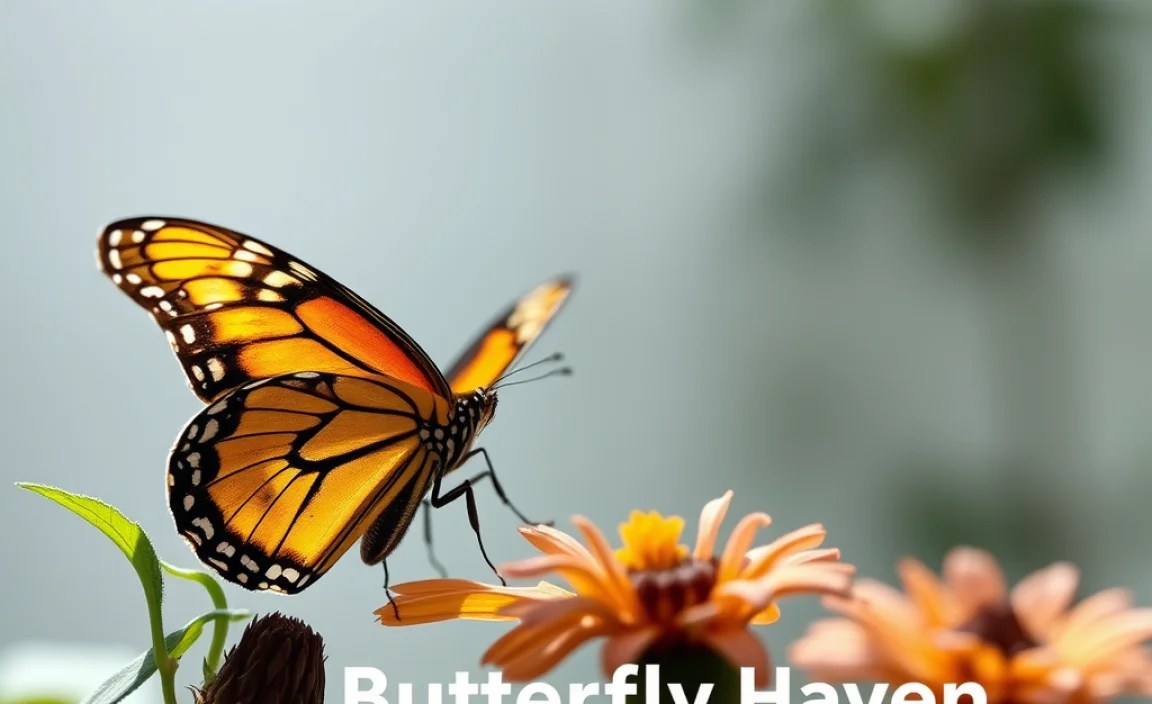
Transforming your garden into a haven for butterflies is easier than you think. Here’s a step-by-step guide to get you started:
Step 1: Plant Native Nectar Sources
Nectar is a butterfly’s primary food source. Planting a variety of native flowering plants that bloom throughout the growing season will provide a continuous supply of nectar. Native plants are best because butterflies have evolved alongside them and are well-adapted to feeding on their nectar. Contact your local native plant society for plant recommendations. Some popular choices include:
- Milkweed (Asclepias): A must-have for Monarch butterflies, as it’s the only plant their caterpillars can eat.
- Purple Coneflower (Echinacea purpurea): A beautiful and reliable nectar source that attracts many butterfly species.
- Black-Eyed Susan (Rudbeckia hirta): A cheerful flower that blooms for a long time and provides plenty of nectar.
- Asters (Symphyotrichum): Late-blooming flowers that provide nectar when other sources are scarce.
Step 2: Provide Host Plants for Caterpillars
Butterflies lay their eggs on specific host plants that their caterpillars can eat. Without these host plants, butterflies can’t complete their life cycle. Research which butterfly species are common in your area and plant their host plants. Some examples include:
- Milkweed (Asclepias): Host plant for Monarch caterpillars.
- Spicebush (Lindera benzoin): Host plant for Spicebush Swallowtail caterpillars.
- Willow (Salix): Host plant for Viceroy and Mourning Cloak caterpillars.
- Dill, Fennel, Parsley: Host plants for Black Swallowtail caterpillars.
Step 3: Create Sheltered Microclimates
Butterflies are cold-blooded and need warmth to be active. Create sheltered microclimates in your garden where they can bask in the sun and escape the wind. This can be achieved by:
- Planting shrubs and trees: These provide windbreaks and create warmer areas.
- Adding rocks and stones: These absorb heat from the sun and provide basking spots.
- Creating a butterfly puddling area: A shallow dish or damp patch of sand provides butterflies with essential minerals and moisture.
Step 4: Avoid Pesticides
Pesticides can be harmful to butterflies and other beneficial insects. Avoid using pesticides in your garden, or choose organic and natural alternatives. Encourage natural pest control by attracting beneficial insects like ladybugs and lacewings.
Step 5: Provide a Water Source
Butterflies need water to survive, but they can’t drink from deep puddles or bird baths. Provide a shallow water source, such as a dish filled with pebbles and a small amount of water. The pebbles provide a place for butterflies to land and drink safely.
Step 6: Reduce Lawn Area
Lawns offer little to no food or shelter for butterflies. Reduce your lawn area and replace it with native plants, flowerbeds, and shrubs. This will create a more diverse and butterfly-friendly habitat. The Xerces Society provides excellent resources on habitat restoration.
Step 7: Support Local Conservation Efforts
Get involved in local butterfly conservation efforts. This could include volunteering at a butterfly garden, participating in citizen science projects, or donating to conservation organizations. Working together, we can make a bigger impact on butterfly conservation.
Specific Strategies for Climate Resilience
Beyond the basics of creating a butterfly garden, here are some specific strategies to help butterflies cope with climate change:
Choosing Climate-Resilient Plants
Select plant varieties that are drought-tolerant and heat-resistant. These plants will be more likely to survive extreme weather events and provide a reliable food source for butterflies. Consider plants native to warmer regions within your area’s broader climate zone.
Water Conservation Techniques
Use water-wise gardening techniques to conserve water and help your plants survive dry spells. This includes:
- Mulching: Applying a layer of mulch around your plants helps retain moisture in the soil.
- Drip irrigation: This delivers water directly to the roots of plants, reducing water waste.
- Rain barrels: Collect rainwater to use for watering your garden.
Creating Shade and Cooling
Provide shade for butterflies and their host plants during hot summer days. This can be achieved by:
- Planting trees: Trees provide shade and help cool the surrounding area.
- Using shade cloth: Shade cloth can be used to protect delicate plants from the sun.
- Misting plants: Misting plants with water can help cool them down and provide butterflies with a refreshing drink.
Protecting from Extreme Weather
Take steps to protect butterflies and their habitats from extreme weather events, such as:
- Providing shelter: Plant dense shrubs and trees to provide shelter from wind and rain.
- Covering plants: Cover delicate plants with blankets or tarps during frosts or freezes.
- Moving potted plants: Move potted plants indoors or to a sheltered location during extreme weather.
Examples of Climate-Resilient Butterfly Gardens

Several organizations and individuals have created climate-resilient butterfly gardens that serve as models for others. Here are a few examples:
- The Desert Botanical Garden in Phoenix, Arizona: This garden showcases native plants that are adapted to arid conditions and provides habitat for desert butterflies.
- The Brooklyn Botanic Garden in New York City: This garden has implemented several strategies to help butterflies cope with climate change, including planting drought-tolerant plants and creating sheltered microclimates.
- Many home gardeners are adapting their practices: Gardeners across the country are incorporating native plants, water conservation techniques, and other strategies to create butterfly-friendly habitats that can withstand the challenges of climate change.
Documenting Your Success
Tracking your efforts and observing the butterflies in your garden can be very rewarding. Consider the following:
- Keep a Garden Journal: Note the plants you’ve added, the dates you see different butterfly species, and any changes you observe over time.
- Take Photos: Capture images of the butterflies and plants in your garden to document your progress and share your success with others.
- Participate in Citizen Science: Contribute your observations to butterfly monitoring programs like the North American Butterfly Association (NABA) citizen science projects.
Table: Butterfly-Friendly Plants for Different Climates
Here’s a table with examples of butterfly-friendly plants for different climate zones. Remember to choose native plants specific to your region for the best results.
| Climate Zone | Native Nectar Plants | Host Plants |
|---|---|---|
| Northeast (e.g., New York) | Asters, Goldenrod, Joe-Pye Weed | Milkweed (Monarch), Spicebush (Spicebush Swallowtail) |
| Southeast (e.g., Florida) | Butterfly Bush (non-native, use with caution), Lantana, Salvia | Passionflower (Gulf Fritillary), Citrus Trees (Giant Swallowtail) |
| Midwest (e.g., Illinois) | Purple Coneflower, Black-Eyed Susan, Bee Balm | Milkweed (Monarch), Wild Cherry (Tiger Swallowtail) |
| Southwest (e.g., Arizona) | Desert Milkweed, Penstemon, Globe Mallow | Milkweed (Monarch), Pipevine (Pipevine Swallowtail) |
| Pacific Northwest (e.g., Washington) | California Poppy, Yarrow, Lavender | Serviceberry ( বিভিন্ন Swallowtails), Red Alder ( বিভিন্ন Swallowtails) |
Table: Climate Change Impacts on Butterflies and Potential Solutions
This table summarizes the key climate change impacts on butterflies and the solutions we can implement to help them.
| Climate Change Impact | Effect on Butterflies | Potential Solutions |
|---|---|---|
| Habitat Loss | Reduced food and shelter availability. | Plant native nectar and host plants, reduce lawn area. |
| Mismatched Timing | Butterflies emerge before or after their food sources are available. | Select plant varieties with staggered bloom times, monitor butterfly emergence. |
| Extreme Weather Events | Direct mortality, habitat damage. | Create sheltered microclimates, provide shade and cooling, protect from wind and rain. |
| Range Shifts | Butterflies struggle to find suitable habitat in new areas. | Support habitat conservation efforts, create butterfly corridors. |
FAQ: Helping Butterflies Thrive in a Changing Climate
Here are some frequently asked questions about butterflies and climate resilience:
What is climate resilience for butterflies?
Climate resilience refers to the ability of butterfly populations to withstand and recover from the negative impacts of climate change, such as habitat loss, extreme weather events, and altered migration patterns.
Why are native plants important for butterfly conservation?
Native plants are essential because butterflies have evolved alongside them and are specifically adapted to feed on their nectar and use them as host plants for their caterpillars. Non-native plants may not provide the necessary nutrients or support for butterfly life cycles.
How can I create a butterfly puddling area?
Create a butterfly puddling area by filling a shallow dish with sand or gravel and adding water. Keep the sand or gravel moist to provide butterflies with essential minerals and moisture.
What are some alternatives to pesticides for controlling pests in my garden?
Alternatives to pesticides include using organic pest control methods, attracting beneficial insects like ladybugs and lacewings, and hand-picking pests off plants.
How can I get involved in local butterfly conservation efforts?
You can get involved by volunteering at a butterfly garden, participating in citizen science projects, or donating to conservation organizations. Contact your local nature center or conservation group for opportunities in your area.
What is a butterfly corridor, and why is it important?
A butterfly corridor is a network of connected habitats that allows butterflies to move between different areas. These corridors are important because they help butterflies find food, shelter, and mates, especially as their habitats become fragmented due to climate change and development.
How do I choose the right host plants for the butterflies in my area?
Research the butterfly species common in your region and identify the specific plants their caterpillars need to eat. Local nurseries or native plant societies can provide recommendations for host plants suitable for your area.
Conclusion
Helping butterflies thrive in the face of climate change is a rewarding and essential task. By creating butterfly-friendly habitats, supporting conservation efforts, and adopting climate-resilient gardening practices, you can make a real difference in the lives of these beautiful and important creatures. Every small action counts, and together, we can ensure that butterflies continue to flutter through our gardens for generations to come. So, get outside, start planting, and watch the butterflies return to your little corner of the world!


