
Buffer Strips: Endangered Butterflies’ Powerful Secret?

Buffer strips, areas of vegetation planted along field edges, can be vital for endangered butterflies. They provide food, shelter, and breeding grounds, helping these fragile populations thrive amidst agricultural landscapes. By creating these butterfly-friendly zones, we can support biodiversity and ensure a future for these beautiful creatures.
Butterflies are more than just pretty insects flitting through our gardens. They’re essential pollinators, playing a crucial role in our ecosystem. Sadly, many butterfly species are endangered due to habitat loss, pesticide use, and climate change. It can feel overwhelming, but there are simple, effective ways we can help.
One of the most impactful actions you can take is creating or supporting buffer strips. These vegetated areas act as safe havens for butterflies, offering them food, shelter, and a place to raise their young. In this guide, I’ll walk you through everything you need to know about how buffer strips can save endangered butterflies, and how you can get involved.
Frequently Asked Questions About Buffer Strips and Butterflies
What exactly is a buffer strip?
A buffer strip is a strip of land covered in vegetation, usually grasses, wildflowers, shrubs, or trees, planted alongside agricultural fields, roads, or waterways. They act as a barrier, protecting the surrounding environment.
Why are butterflies endangered?
Butterflies face many threats, including habitat loss due to development and agriculture, pesticide use, climate change, and the spread of invasive species.
How do buffer strips help butterflies?
Buffer strips provide butterflies with food sources (nectar from flowers), shelter from predators and harsh weather, and breeding sites for laying eggs.
What plants are best for butterfly buffer strips?
Native wildflowers and grasses are ideal. Choose a variety of plants that bloom at different times of the year to provide a continuous food source for butterflies.
Can I create a buffer strip in my backyard?
Absolutely! Even a small patch of butterfly-friendly plants can make a difference. Focus on native species and avoid using pesticides.
Are buffer strips only for farms?
No, buffer strips can be implemented in various settings, including residential areas, parks, and along roadsides. Anywhere you can create a vegetated strip, you can help butterflies.
How can I get involved in buffer strip conservation?
You can support organizations that promote buffer strip programs, volunteer to plant native vegetation, or advocate for policies that encourage buffer strip implementation.
Understanding the Butterfly Crisis

Before diving into the solution, let’s take a closer look at why butterflies are in trouble. As a naturalist, I’ve witnessed firsthand the decline in butterfly populations, and the reasons are multifaceted:
- Habitat Loss: Urban sprawl and intensive agriculture have destroyed vast areas of natural butterfly habitat.
- Pesticide Use: Insecticides, herbicides, and fungicides can directly kill butterflies or eliminate their food sources. Even “safe” pesticides can harm butterflies.
- Climate Change: Altered weather patterns can disrupt butterfly life cycles, migration, and food availability.
- Invasive Species: Non-native plants and insects can outcompete native butterfly food sources and prey on butterfly larvae.
The Xerces Society for Invertebrate Conservation is a fantastic resource for learning more about the threats facing butterflies and other pollinators.
The Power of Buffer Strips: A Butterfly Lifeline
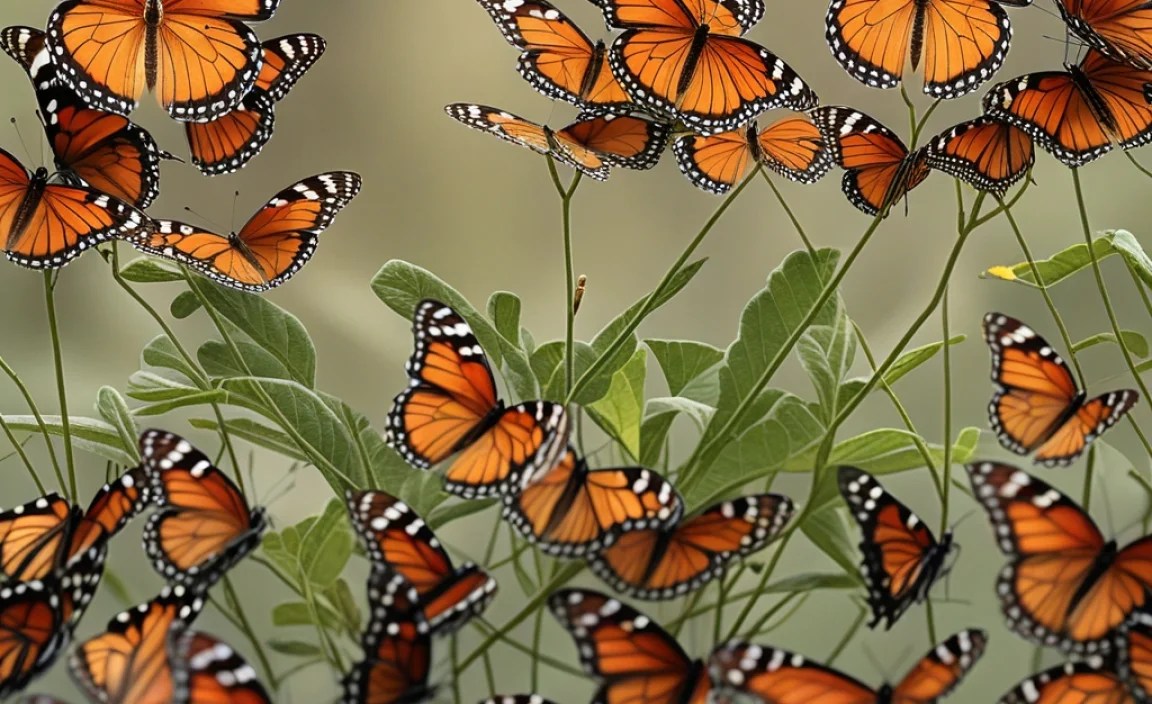
Buffer strips offer a simple yet powerful solution to help endangered butterflies. Here’s how they work:
Food Source
Buffer strips are planted with a variety of flowering plants that provide nectar, the primary food source for adult butterflies. By selecting plants that bloom at different times of the year, you can ensure a continuous supply of nectar throughout the butterfly season.
Shelter
Butterflies need shelter from harsh weather conditions, such as wind, rain, and extreme temperatures. Buffer strips provide a protected environment where butterflies can rest, roost, and seek refuge from predators.
Breeding Grounds
Many butterflies are highly selective about where they lay their eggs. Buffer strips can provide the specific host plants that butterfly larvae need to survive. For example, Monarch butterflies rely on milkweed plants, while Black Swallowtails prefer plants in the carrot family.
Connectivity
Buffer strips can connect fragmented habitats, allowing butterflies to move more easily between different areas. This is especially important for species that need to migrate or disperse to find new resources.
Creating Your Own Butterfly Buffer Strip: A Step-by-Step Guide
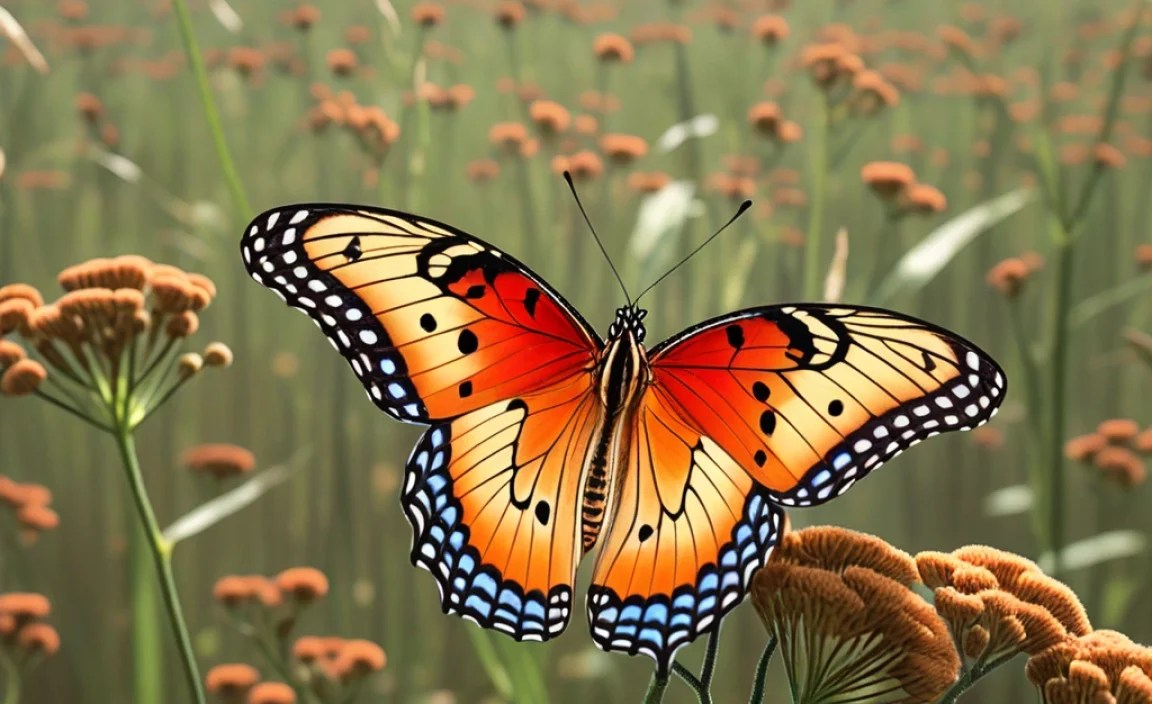
Ready to create your own butterfly buffer strip? Here’s a step-by-step guide to get you started:
Step 1: Assess Your Site
Before you start planting, take some time to assess your site. Consider the following factors:
- Size: How much space do you have available for a buffer strip? Even a small strip can make a difference.
- Sunlight: How much sunlight does the area receive each day? Choose plants that are well-suited to the amount of sunlight available.
- Soil Type: What type of soil do you have? Is it sandy, clayey, or loamy? Conduct a soil test to determine the pH and nutrient levels.
- Water Availability: Is the area well-drained, or does it tend to be wet? Choose plants that are adapted to the moisture conditions of your site.
Step 2: Choose the Right Plants
Selecting the right plants is crucial for creating a successful butterfly buffer strip. Here are some tips:
- Focus on Native Species: Native plants are best adapted to your local climate and soil conditions, and they provide the most nutritious food for butterflies.
- Select a Variety of Plants: Choose a mix of flowering plants that bloom at different times of the year to provide a continuous source of nectar.
- Include Host Plants: Be sure to include the host plants that specific butterfly species need to lay their eggs.
- Consider Plant Height and Spacing: Choose plants that will create a layered effect, with taller plants in the back and shorter plants in the front. Space the plants according to their mature size to avoid overcrowding.
Here are some examples of butterfly-friendly plants:
| Plant Name | Butterfly Attracted | Bloom Time | Sunlight |
|---|---|---|---|
| Milkweed (Asclepias spp.) | Monarch | Summer | Full Sun |
| Purple Coneflower (Echinacea purpurea) | Eastern Tiger Swallowtail, Painted Lady | Summer | Full Sun |
| Black-Eyed Susan (Rudbeckia hirta) | American Lady, Pearl Crescent | Summer to Fall | Full Sun |
| Aster (Symphyotrichum spp.) | Monarch, Clouded Sulphur | Fall | Full Sun to Partial Shade |
| Joe-Pye Weed (Eutrochium purpureum) | Swallowtails, Fritillaries | Summer | Full Sun to Partial Shade |
Step 3: Prepare the Soil
Proper soil preparation is essential for healthy plant growth. Follow these steps:
- Remove Existing Vegetation: Clear the area of any existing grass, weeds, or other vegetation. You can do this manually or by using a herbicide.
- Amend the Soil: Add compost or other organic matter to improve the soil’s drainage, fertility, and water-holding capacity.
- Till or Dig the Soil: Loosen the soil to a depth of at least 12 inches to allow the plants’ roots to penetrate easily.
- Rake the Soil Smooth: Create a level surface for planting.
Step 4: Plant Your Buffer Strip
Now it’s time to plant your butterfly buffer strip! Here are some tips:
- Plant at the Right Time: The best time to plant is typically in the spring or fall, when the weather is mild and the soil is moist.
- Follow Planting Instructions: Carefully follow the planting instructions for each type of plant. Pay attention to spacing, depth, and watering requirements.
- Water Thoroughly: Water the plants thoroughly after planting to help them establish their roots.
- Mulch the Area: Apply a layer of mulch around the plants to help retain moisture, suppress weeds, and regulate soil temperature.
Step 5: Maintain Your Buffer Strip
Once your buffer strip is planted, it’s important to maintain it properly to ensure its long-term success. Here are some tips:
- Water Regularly: Water the plants regularly, especially during dry periods.
- Weed Regularly: Remove any weeds that may compete with the plants for resources.
- Fertilize as Needed: Fertilize the plants as needed, using a slow-release fertilizer that is specifically formulated for native plants.
- Prune as Needed: Prune the plants as needed to maintain their shape and encourage flowering.
- Avoid Pesticides: Never use pesticides in your buffer strip, as they can harm or kill butterflies and other beneficial insects.
Buffer Strips Beyond the Farm: Expanding the Impact

While buffer strips are commonly associated with agricultural landscapes, their benefits extend to various other settings. Here are some ways you can implement buffer strips beyond the farm:
- Residential Areas: Create butterfly-friendly gardens along property lines or around trees and shrubs.
- Parks and Green Spaces: Establish buffer strips along walking trails, streams, or other natural features.
- Roadsides: Plant native wildflowers and grasses along roadsides to provide habitat for butterflies and other pollinators.
- Corporate Campuses: Incorporate buffer strips into landscaping plans to enhance biodiversity and create a more attractive environment for employees and visitors.
- Schools and Community Gardens: Engage students and community members in planting and maintaining buffer strips to educate them about the importance of conservation.
The Economic Benefits of Buffer Strips
Beyond their ecological benefits, buffer strips can also provide economic advantages. Here are some examples:
- Reduced Soil Erosion: Buffer strips can help prevent soil erosion, which can save farmers money on fertilizer and other inputs.
- Improved Water Quality: Buffer strips can filter pollutants from runoff, improving water quality and reducing the need for expensive water treatment.
- Increased Crop Yields: In some cases, buffer strips can actually increase crop yields by providing habitat for beneficial insects that prey on crop pests.
- Enhanced Property Values: Properties with attractive landscaping and natural features tend to be more valuable than those without.
- Ecotourism Opportunities: Buffer strips can attract tourists who are interested in birdwatching, butterfly watching, and other nature-based activities.
Overcoming Challenges
Implementing buffer strips can sometimes present challenges. Here are some common obstacles and how to overcome them:
| Challenge | Solution |
|---|---|
| Lack of Space | Even small buffer strips can be beneficial. Focus on planting native wildflowers and host plants in tight spaces. |
| Limited Funding | Seek grants or cost-sharing programs from government agencies or conservation organizations. |
| Weed Control | Use a combination of manual weeding, mulching, and cover crops to suppress weeds. |
| Deer Browsing | Install fencing or use deer-resistant plants to protect your buffer strip. |
| Community Resistance | Educate community members about the benefits of buffer strips and involve them in the planning and implementation process. |
Engaging Your Community
Creating a butterfly-friendly community is a team effort. Here are some ways to engage your neighbors, friends, and local organizations:
- Host Workshops: Organize workshops to teach people about the importance of buffer strips and how to create them.
- Organize Planting Days: Get people involved in planting native vegetation in buffer strips.
- Partner with Local Schools: Work with schools to create educational buffer strips on school grounds.
- Promote Buffer Strips on Social Media: Share photos and information about buffer strips on social media to raise awareness and inspire others.
- Advocate for Policies: Support policies that encourage the creation and maintenance of buffer strips.
The U.S. Department of Agriculture (USDA) offers various programs to support farmers and landowners in implementing conservation practices like buffer strips.
The Future of Butterflies: A Call to Action
The fate of endangered butterflies rests in our hands. By creating and supporting buffer strips, we can provide these beautiful creatures with the food, shelter, and breeding grounds they need to survive. Every small action counts, and together, we can make a big difference.
As a lifelong butterfly enthusiast, I urge you to take action today. Plant a butterfly garden, support local conservation organizations, and advocate for policies that protect butterfly habitat. Let’s work together to ensure that future generations can enjoy the beauty and wonder of butterflies.
Resources for Further Learning
- The Xerces Society for Invertebrate Conservation: https://xerces.org/
- U.S. Department of Agriculture (USDA): https://www.usda.gov/
- National Wildlife Federation: https://www.nwf.org/
Remember, every effort, no matter how small, contributes to the larger goal of butterfly conservation. Let’s create a world where butterflies thrive!


