
Butterflies of Costa Rica: Your Ultimate Guide

Quick Summary: Costa Rica boasts an astounding diversity of butterflies – over 10% of the world’s known species! This guide helps you identify common types like Blue Morphos and Swallowtails, discover the best butterfly-watching spots (La Paz Waterfall Gardens!), learn how to attract them to your garden, and understand their vital role in Costa Rica’s ecosystem. Get ready to explore the vibrant world of Costa Rican butterflies!
Have you ever dreamt of being surrounded by fluttering wings, a kaleidoscope of colors dancing in the tropical sunlight? Costa Rica, a small country with immense biodiversity, is a butterfly paradise. But with so many species, it can feel overwhelming to know where to start. Don’t worry! This guide will show you how to identify some of the most stunning butterflies of Costa Rica, find the best places to see them, and even create your own butterfly haven.
Discovering the Butterflies of Costa Rica

Costa Rica is a land brimming with natural wonders, and its butterfly population is no exception. Thanks to its diverse ecosystems, from rainforests to cloud forests, Costa Rica is home to an astonishing number of butterfly species – more than 1,600, representing about 10% of the world’s total! This incredible variety makes it a dream destination for butterfly enthusiasts.
Why Costa Rica is a Butterfly Hotspot
Several factors contribute to Costa Rica’s remarkable butterfly diversity:
- Tropical Climate: The warm, humid climate provides ideal conditions for butterflies to thrive year-round.
- Diverse Habitats: From lush rainforests to cloud forests and coastal areas, Costa Rica offers a wide range of habitats that support different butterfly species.
- Abundant Food Sources: The country’s rich flora provides ample food for butterfly larvae (caterpillars) and adult butterflies.
- Conservation Efforts: Costa Rica’s commitment to conservation helps protect butterfly habitats and populations.
Identifying Common Costa Rican Butterflies
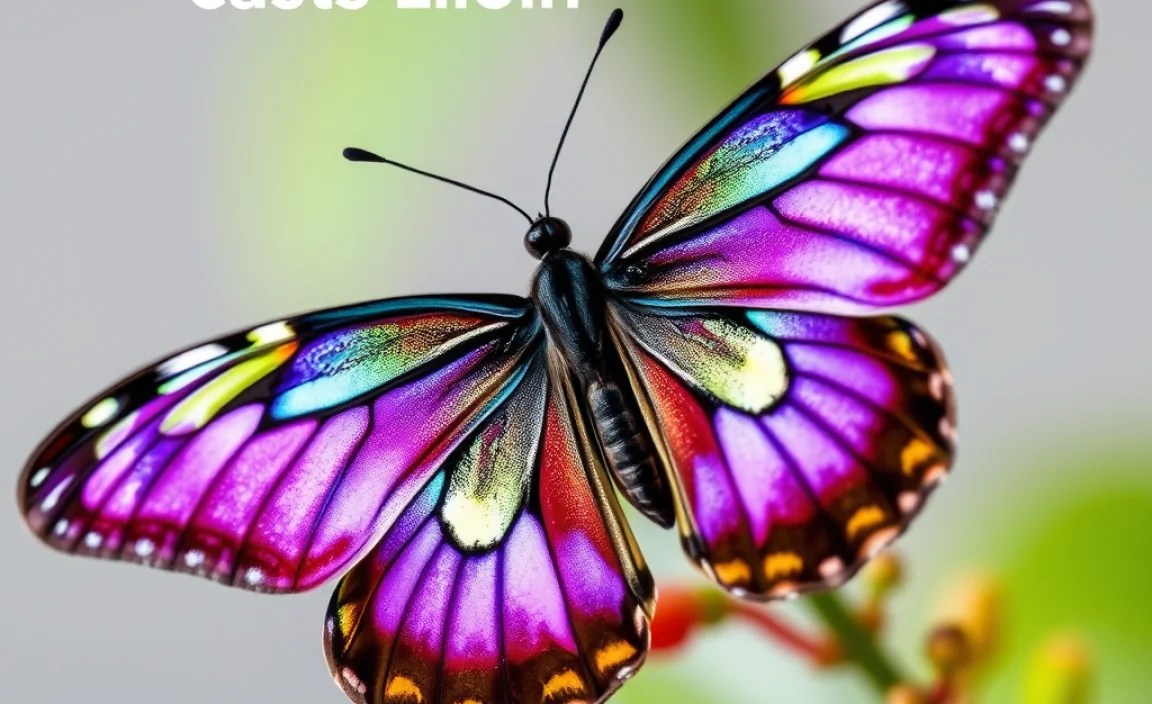
With so many species, identifying butterflies can seem daunting. Here are a few of the most iconic and commonly seen butterflies in Costa Rica:
The Blue Morpho (Morpho peleides)
Perhaps the most famous Costa Rican butterfly, the Blue Morpho is renowned for its iridescent blue wings. These large butterflies are a sight to behold as they flutter through the rainforest canopy.
- Appearance: Brilliant, iridescent blue wings with a dark brown border on the underside. Wingspan can reach up to 8 inches.
- Habitat: Rainforests and tropical forests.
- Fun Fact: The vibrant blue color is created by microscopic scales on the wings that reflect light, not by pigment.
The Owl Butterfly (Caligo memnon)
The Owl Butterfly is named for the large, eye-like markings on its wings, which resemble an owl’s face. This camouflage helps deter predators.
- Appearance: Large brown wings with prominent eye spots on the underside.
- Habitat: Tropical forests and gardens.
- Fun Fact: Owl Butterflies are crepuscular, meaning they are most active at dawn and dusk.
The Monarch Butterfly (Danaus plexippus)
While Monarchs are famous for their long migrations in North America, they can also be found in Costa Rica, although they don’t migrate there.
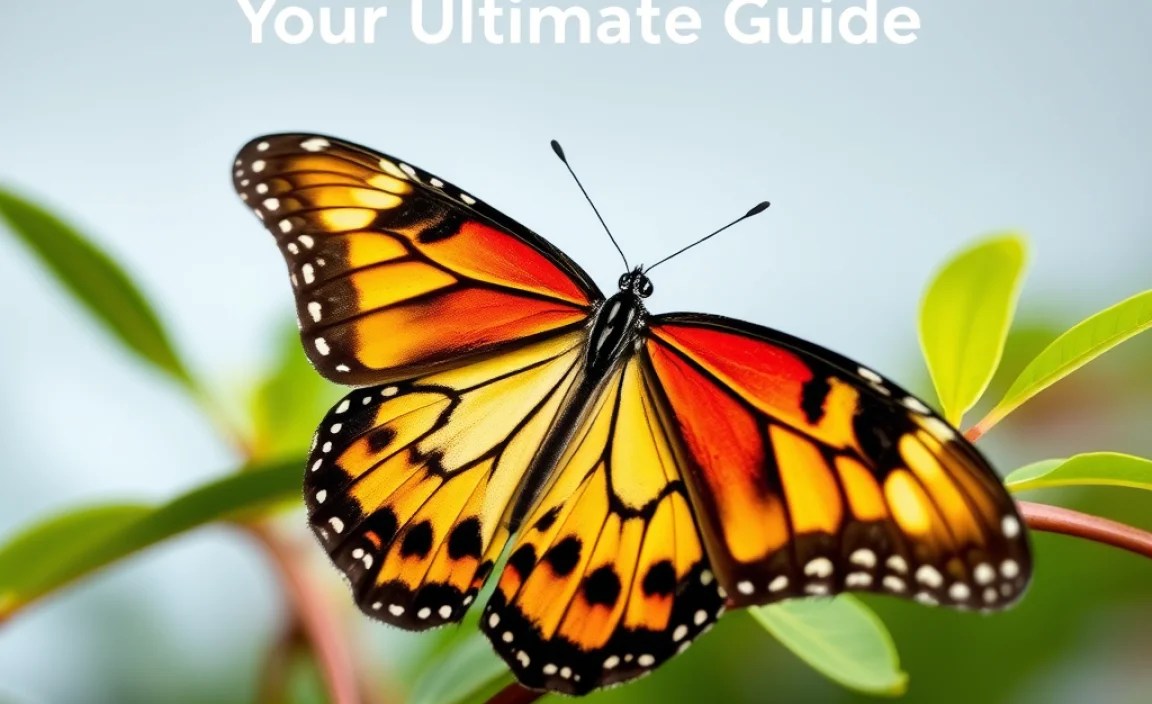
- Appearance: Bright orange wings with black veins and white spots.
- Habitat: Open fields, gardens, and forests.
- Fun Fact: Monarch caterpillars feed exclusively on milkweed plants, which makes them poisonous to predators.
Swallowtail Butterflies (Family Papilionidae)
Swallowtails are a diverse group of butterflies characterized by their distinctive tails on their hindwings. Several species can be found in Costa Rica, including the Schaus’ Swallowtail (Heraclides aristodemus ponceanus) and the Polydamas Swallowtail (Battus polydamas).
- Appearance: Varies depending on the species, but generally large with colorful patterns and distinctive tails.
- Habitat: A wide range of habitats, including forests, gardens, and open areas.
- Fun Fact: Some swallowtail caterpillars mimic bird droppings to avoid being eaten by predators.
The Glasswing Butterfly (Greta oto)
This butterfly is very unique and known for its transparent wings.
- Appearance: Clear, transparent wings with a dark border.
- Habitat: Rainforests.
- Fun Fact: The transparent wings are created by a lack of scales, making them difficult for predators to spot.
Tips for Butterfly Identification
Identifying butterflies can be tricky, but here are a few tips to help you get started:
- Observe the size and shape of the butterfly.
- Note the color and pattern of the wings.
- Pay attention to the butterfly’s behavior and habitat.
- Use a field guide or online resources to help with identification.
- Take photos to compare with images in guides or online.
Best Places to See Butterflies in Costa Rica

Costa Rica offers many fantastic locations for butterfly watching. Here are a few of the most popular spots:
La Paz Waterfall Gardens
La Paz Waterfall Gardens is home to one of the largest butterfly observatories in the world. Here, you can walk among hundreds of butterflies in a controlled environment, making it an excellent place to see a wide variety of species up close. Learn more about La Paz Waterfall Gardens.
Monteverde Cloud Forest
The Monteverde Cloud Forest is a biodiversity hotspot, and it’s also a great place to see butterflies. Hike through the forest and keep an eye out for butterflies flitting among the trees.
Manuel Antonio National Park
Manuel Antonio National Park is known for its stunning beaches and lush rainforests. It’s also home to a variety of butterfly species. Take a guided tour to learn more about the park’s butterfly population.
Butterfly Farms and Gardens
Many butterfly farms and gardens throughout Costa Rica offer guided tours and educational programs. These are excellent places to learn about butterfly biology and conservation.
Attracting Butterflies to Your Garden

Want to create your own butterfly paradise? Here’s how to attract butterflies to your garden:
Plant Host Plants
Host plants are plants that butterfly caterpillars feed on. Planting host plants is essential for attracting butterflies to your garden and supporting their life cycle. Some popular host plants for Costa Rican butterflies include:
- Milkweed (Asclepias spp.): Host plant for Monarch butterflies.
- Passionflower (Passiflora spp.): Host plant for many butterfly species, including the Zebra Longwing.
- Citrus Trees (Citrus spp.): Host plant for Giant Swallowtail butterflies.
- Pipevine (Aristolochia spp.): Host plant for Pipevine Swallowtail butterflies.
Provide Nectar Sources
Nectar is the primary food source for adult butterflies. Plant flowers that provide nectar throughout the year to attract butterflies to your garden. Some good nectar sources for Costa Rican butterflies include:
- Lantana (Lantana spp.)
- Hibiscus (Hibiscus spp.)
- Pentas (Pentas lanceolata)
- Salvia (Salvia spp.)
Offer a Water Source
Butterflies need water to stay hydrated. Provide a shallow dish of water with pebbles or stones for butterflies to land on.
Provide Shelter
Butterflies need shelter from wind and rain. Plant shrubs and trees to provide protection.
Avoid Pesticides
Pesticides can harm or kill butterflies and other beneficial insects. Avoid using pesticides in your garden.
The Butterfly Life Cycle
Understanding the butterfly life cycle can deepen your appreciation for these amazing creatures.
- Egg: Butterflies lay their eggs on host plants.
- Larva (Caterpillar): The larva hatches from the egg and feeds on the host plant.
- Pupa (Chrysalis): The larva transforms into a pupa, or chrysalis.
- Adult Butterfly: The adult butterfly emerges from the chrysalis.
Butterfly Conservation
Many butterfly species are threatened by habitat loss, climate change, and pesticide use. Here are some ways you can help protect butterflies:
- Support butterfly conservation organizations.
- Create butterfly-friendly habitats in your garden.
- Educate others about the importance of butterflies.
- Reduce your use of pesticides.
- Support sustainable agriculture practices.
Butterfly Symbolism and Cultural Significance
Butterflies have held symbolic meaning for centuries across various cultures. They often represent:
- Transformation and Rebirth: The butterfly’s metamorphosis from caterpillar to pupa to winged adult symbolizes transformation and new beginnings.
- Hope and Beauty: Their delicate beauty and graceful flight evoke feelings of hope and joy.
- Souls and Spirits: In some cultures, butterflies are believed to represent the souls of the departed.
In Costa Rica, butterflies are often seen as a symbol of good luck and positive change.
Butterflies and Costa Rica’s Ecosystem
Butterflies play a vital role in Costa Rica’s ecosystem as pollinators. As they feed on nectar, they transfer pollen from one flower to another, helping plants reproduce. They are also an important food source for birds, lizards, and other animals.
| Butterfly Species | Host Plant Examples | Nectar Source Examples |
|---|---|---|
| Blue Morpho | Dalbergia, Machaerium | Rotting fruit, tree sap |
| Monarch | Milkweed (Asclepias spp.) | Lantana, Salvia |
| Owl Butterfly | Banana, Mango, Bamboo | Rotting fruit |
| Glasswing | Cestrum, Trophis | Lantana, various small flowers |
Frequently Asked Questions (FAQ)
What is the best time of year to see butterflies in Costa Rica?
Butterflies can be seen year-round in Costa Rica, but the best time is during the rainy season (May to November) when plants are lush and flowering.
Are butterflies endangered in Costa Rica?
Some butterfly species in Costa Rica are threatened due to habitat loss and other factors. Conservation efforts are underway to protect these species.
What should I bring when butterfly watching?
Bring binoculars, a field guide, a camera, sunscreen, insect repellent, and comfortable shoes.
How can I attract more butterflies to my garden?
Plant host plants and nectar sources, provide a water source, avoid pesticides, and provide shelter.
Are butterflies important to the environment?
Yes, butterflies are important pollinators and a vital part of the food chain.
Where can I learn more about Costa Rican butterflies?
Visit butterfly farms, gardens, or online resources like the Xerces Society website.
What is the largest butterfly in Costa Rica?
One of the largest is the Giant Swallowtail (Papilio cresphontes), known for its impressive wingspan.
Conclusion
Exploring the butterflies of Costa Rica is an enchanting experience. By learning to identify these beautiful creatures, discovering the best places to see them, and creating butterfly-friendly habitats, you can contribute to their conservation and enjoy their beauty for years to come. So, grab your binoculars, head out into nature, and immerse yourself in the wonderful world of Costa Rican butterflies! Remember, every small action, from planting a butterfly garden to supporting conservation organizations, makes a difference in protecting these delicate and vital creatures.


