
Butterflies of Amazon Basin: A Colorful Guide

The Amazon Basin is home to an astonishing variety of butterflies, estimated to be around 10% of the world’s butterfly species! These vibrant insects play a crucial role in the rainforest ecosystem as pollinators and a food source. Identifying them can be tricky due to their diversity, but understanding their families, habitats, and behaviors is key.
Have you ever dreamed of exploring the Amazon rainforest, captivated by the flutter of a thousand butterfly wings? The Amazon Basin is a treasure trove of biodiversity, especially when it comes to butterflies. But with so many different species, it can feel overwhelming to even begin identifying them. Don’t worry, you’re not alone! Many nature lovers feel the same way. In this guide, we’ll break down the basics, introduce you to some common families, and give you the tools to start your own butterfly adventure. Get ready to uncover the stunning world of Amazonian butterflies!
Exploring the Butterflies of the Amazon Basin

The Amazon Basin, a vast and biodiverse region in South America, is a haven for an incredible array of butterfly species. From the iridescent blues of the Morpho butterflies to the intricate patterns of the Owl butterflies, the Amazon rainforest offers a kaleidoscope of winged wonders. Let’s dive into the world of these fascinating creatures.
Why Are There So Many Butterflies in the Amazon?

The Amazon’s warm, humid climate and abundant plant life create ideal conditions for butterflies to thrive. Here’s a closer look:
- Climate: Butterflies are cold-blooded, so they need warm temperatures to be active. The Amazon’s consistently warm climate allows butterflies to be active year-round.
- Food Sources: The vast array of flowering plants in the Amazon provides ample nectar for adult butterflies.
- Host Plants: Each butterfly species relies on specific plants for its caterpillars to feed on. The Amazon’s plant diversity ensures that almost every butterfly species can find its host plant.
- Habitat Diversity: From dense rainforests to open riverbanks, the Amazon offers a variety of habitats that support different butterfly communities.
Common Butterfly Families in the Amazon Basin

To begin identifying butterflies, it’s helpful to understand the major butterfly families found in the Amazon. Here are a few of the most prominent:
- Nymphalidae (Brush-footed Butterflies): This is one of the largest butterfly families, known for their reduced front legs, which they use for tasting rather than walking. Many Nymphalids are brightly colored and have unique wing shapes.
- Papilionidae (Swallowtail Butterflies): Swallowtails are often large and striking, with distinctive “tails” on their hindwings. Many species are brightly colored with black and yellow patterns.
- Pieridae (Whites and Sulphurs): These butterflies are typically white, yellow, or orange, and are often seen flying in large groups. They are known for their strong flight and migratory behavior.
- Lycaenidae (Gossamer-winged Butterflies): Lycaenids are small and often brightly colored, with intricate patterns on their wings. Many species have a close relationship with ants.
- Riodinidae (Metalmark Butterflies): Metalmarks are small to medium-sized butterflies with metallic spots on their wings. They are often found in shady areas of the rainforest.
Identifying Amazonian Butterflies: A Step-by-Step Guide
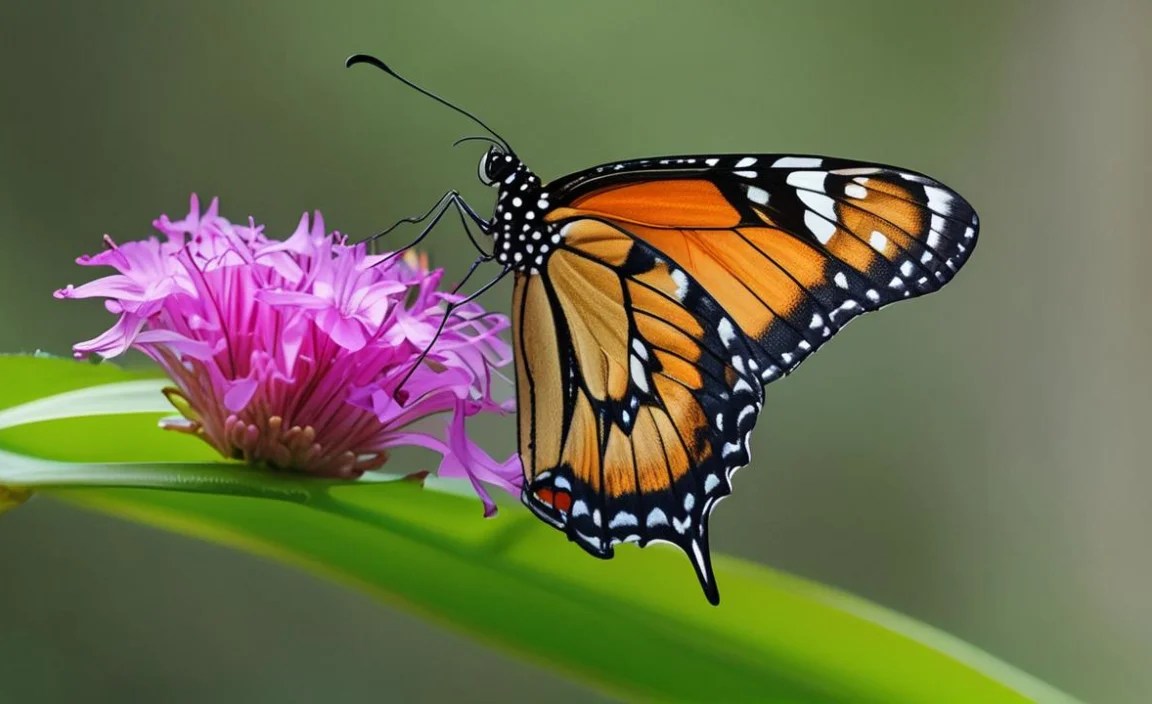
Identifying butterflies can be a rewarding experience. Here’s a step-by-step guide to help you get started:
- Observe the Butterfly: Take note of the butterfly’s size, shape, color, and wing patterns. Pay attention to any unique features, such as tails, spots, or stripes.
- Note the Habitat: Where did you see the butterfly? Was it in a dense forest, near a river, or in an open field? This can help narrow down the possibilities.
- Photograph the Butterfly: If possible, take clear photos of the butterfly from different angles. This will be helpful for later identification.
- Consult Field Guides: Use field guides specific to the Amazon region to compare your observations with known species. Some excellent resources include “Butterflies of the Amazon and Andes” by Andrew Neild and “Field Guide to the Butterflies of the Amazon” by Richard Lewington.
- Use Online Resources: Websites like Butterflies and Moths of North America (while focused on North America, it provides valuable identification tips) and iNaturalist allow you to upload photos and get help from experts in identifying butterflies.
- Consider Butterfly Families: Start by identifying the butterfly’s family based on its general characteristics. This will help you narrow down the search.
- Look for Key Identification Marks: Once you’ve identified the family, look for specific markings or patterns that distinguish different species within that family.
Spotlight on Spectacular Species
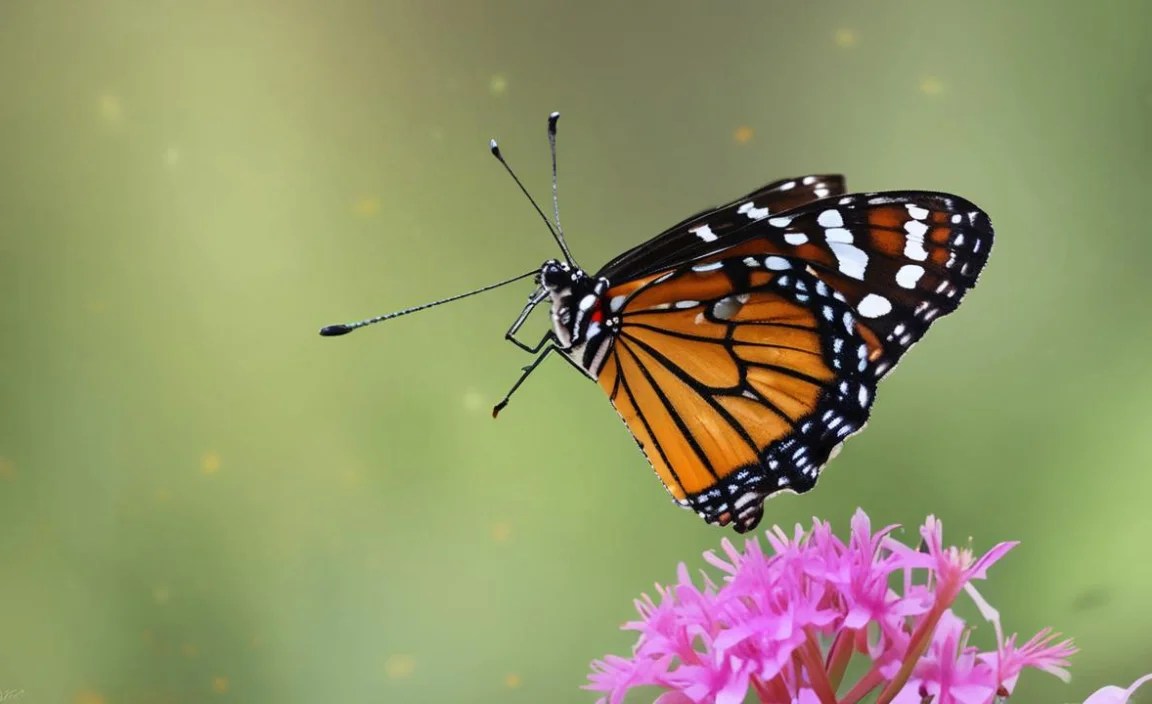
The Amazon is home to some truly remarkable butterfly species. Here are a few examples:
Morpho Butterflies
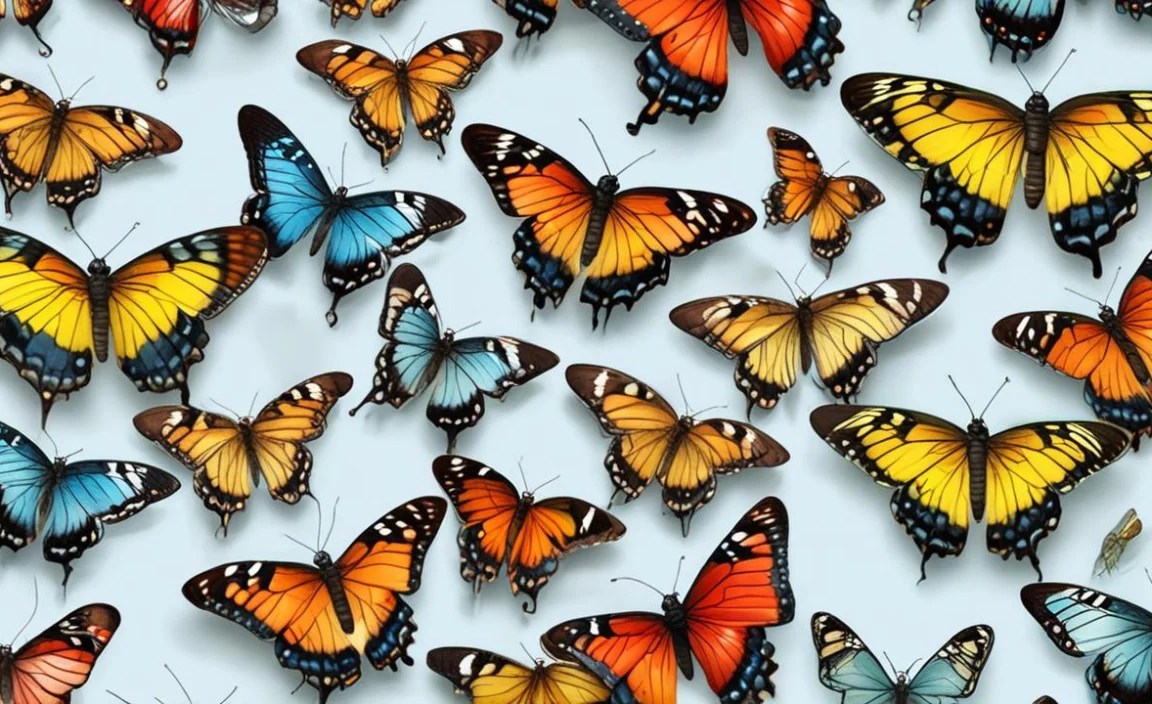
The Morpho butterflies are famous for their iridescent blue wings. The brilliant color is not due to pigment, but rather to the microscopic structure of the wing scales, which reflect light in a way that creates the shimmering blue effect. Some notable Morpho species include:
- Blue Morpho (Morpho menelaus): This is one of the most well-known Morpho species, with wings that can span up to 5 inches.
- White Morpho (Morpho polyphemus): As the name suggests, this species has white wings with a subtle iridescent sheen.
- Sunset Morpho (Morpho hecuba): A larger species of Morpho with a wingspan of 5–6 inches. Their wings have a beautiful orange-yellow hue.
Owl Butterflies
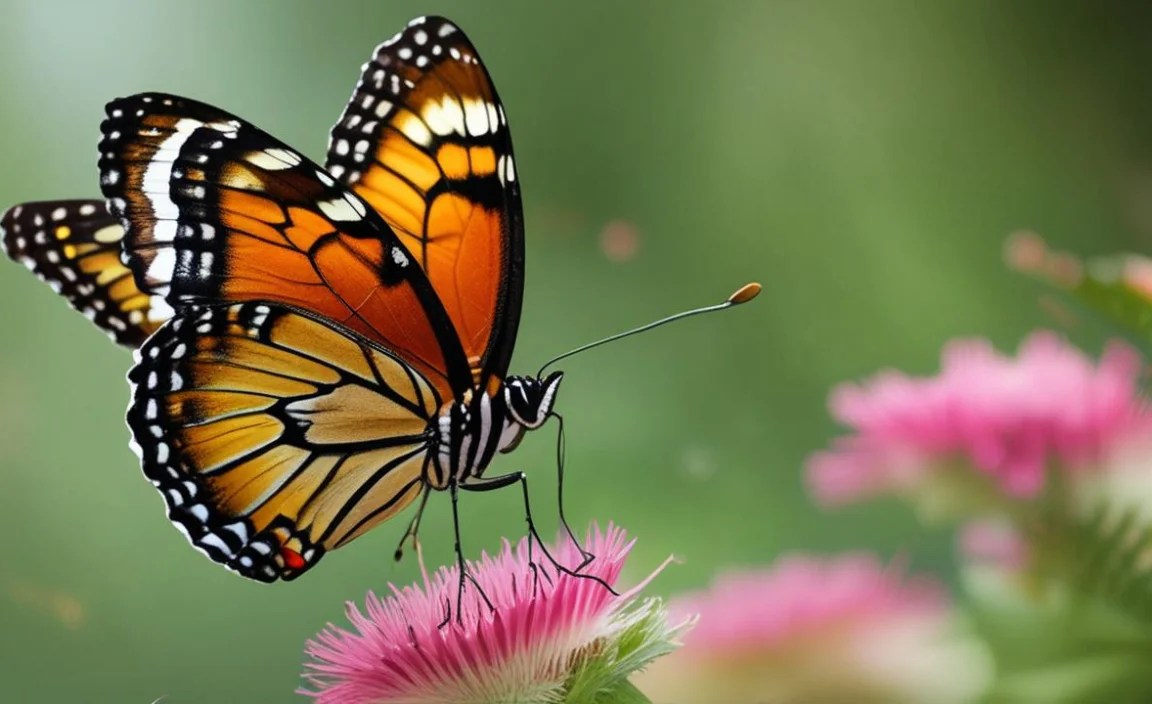
Owl butterflies are named for the large eyespots on their hindwings, which resemble the eyes of an owl. These eyespots are thought to startle predators and help the butterfly escape. A common species is:
- Giant Owl Butterfly (Caligo memnon): This large butterfly has a wingspan of up to 8 inches and is often seen flying at dusk.
Glasswing Butterflies
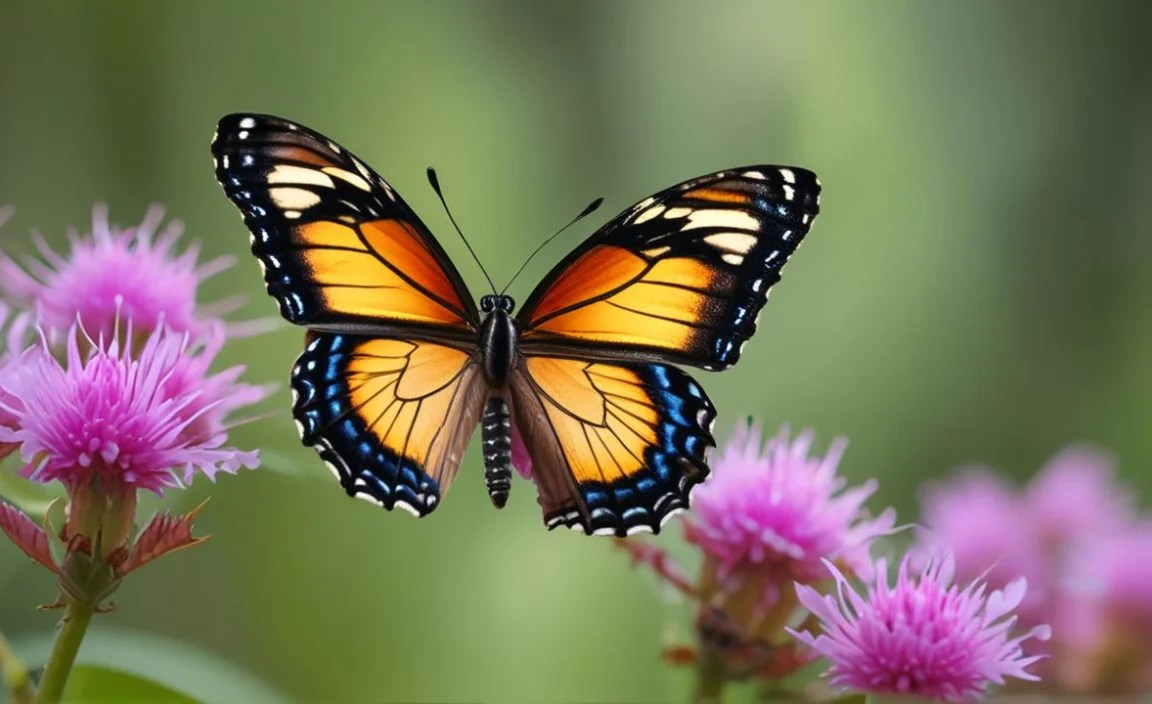
Glasswing butterflies have transparent wings, which allow them to blend in with their surroundings and avoid predators. One well-known species is:
- Glasswing Butterfly (Greta oto): This delicate butterfly has transparent wings with a narrow dark border.
Attracting Butterflies to Your Amazonian Garden

If you live in or are visiting the Amazon region, you can attract butterflies to your garden by planting their favorite nectar sources and host plants. Here are some tips:
- Plant a Variety of Flowers: Butterflies are attracted to a wide range of flowers, so plant a mix of colors, shapes, and sizes. Native plants are often the best choice.
- Include Host Plants: Research which plants are the host plants for the butterfly species in your area and include them in your garden.
- Provide a Water Source: Butterflies need water to drink. You can provide a shallow dish of water with pebbles or sand for them to land on.
- Avoid Pesticides: Pesticides can harm or kill butterflies, so avoid using them in your garden.
- Create a Sunny Spot: Butterflies need sunlight to warm their bodies, so create a sunny spot in your garden where they can bask.
The Ecological Importance of Butterflies

Butterflies play a vital role in the Amazonian ecosystem. Here’s why they’re so important:
- Pollination: Butterflies are important pollinators, helping to transfer pollen from one flower to another, which is essential for plant reproduction. According to the U.S. Forest Service, butterflies pollinate many plants.
- Food Source: Butterflies and their caterpillars are a food source for birds, reptiles, and other animals.
- Indicator Species: Butterflies are sensitive to changes in their environment, making them useful indicators of ecosystem health.
- Aesthetic Value: Butterflies add beauty and wonder to the Amazon rainforest, attracting tourists and inspiring nature lovers.
Conservation Efforts for Amazonian Butterflies
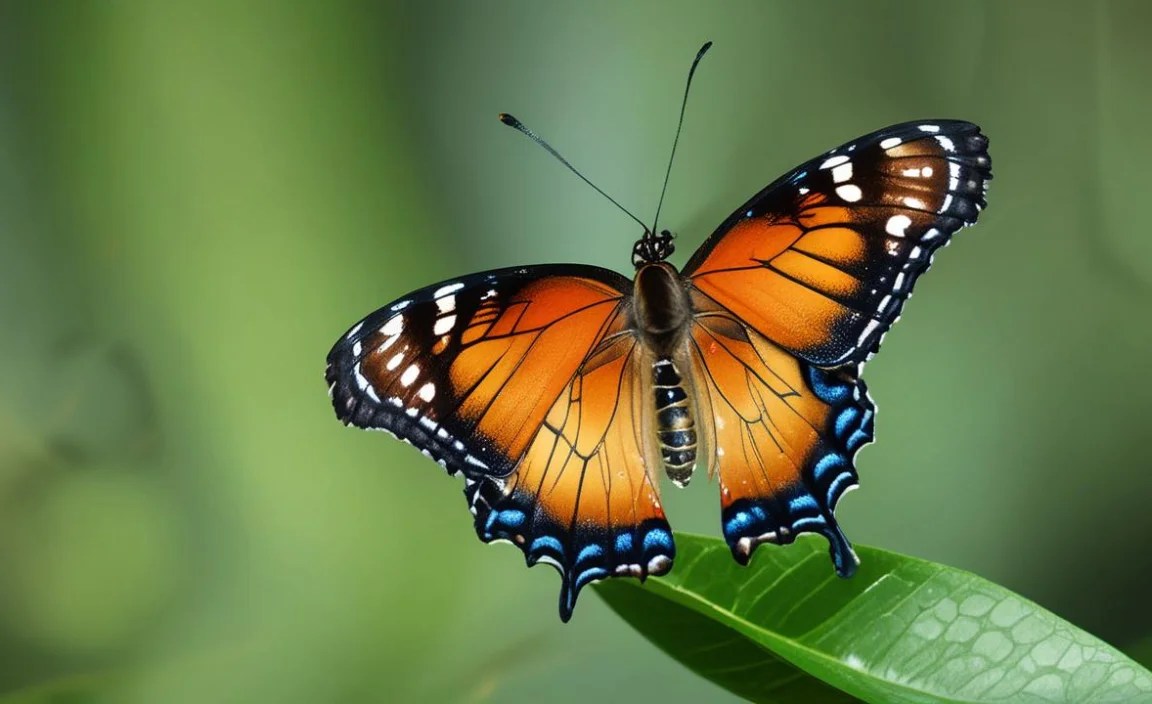
Many butterfly species in the Amazon are threatened by habitat loss, deforestation, and climate change. Conservation efforts are essential to protect these beautiful creatures and their habitat. Here are some ways you can help:
- Support Conservation Organizations: Donate to or volunteer with organizations that are working to protect the Amazon rainforest.
- Promote Sustainable Practices: Support businesses that are committed to sustainable practices, such as eco-tourism and responsible agriculture.
- Reduce Your Carbon Footprint: Climate change is a major threat to butterflies, so reduce your carbon footprint by conserving energy, using public transportation, and eating locally.
- Educate Others: Spread awareness about the importance of butterflies and the need to protect their habitat.
Butterfly Watching in the Amazon: Ethical Considerations

When observing butterflies in their natural habitat, it’s important to do so in a way that minimizes disturbance. Here are some ethical considerations:
- Observe from a Distance: Avoid getting too close to butterflies, as this can stress them out.
- Do Not Touch Butterflies: Butterflies are delicate creatures, and touching them can damage their wings or remove their protective scales.
- Stay on Marked Trails: Avoid trampling vegetation or disturbing the habitat.
- Do Not Collect Butterflies: Collecting butterflies can harm populations, especially if they are rare or endangered.
- Respect Local Customs: If you are visiting indigenous communities, be respectful of their customs and traditions.
Butterfly Symbolism and Cultural Significance

Butterflies have long held symbolic meaning in various cultures around the world. In many cultures, butterflies are seen as symbols of transformation, rebirth, and hope. Their metamorphosis from caterpillar to chrysalis to butterfly is often interpreted as a metaphor for personal growth and spiritual awakening. In some cultures, butterflies are also associated with the souls of the departed. Their delicate beauty and ethereal flight have made them a source of inspiration for artists, poets, and writers throughout history.
Tools for Butterfly Identification
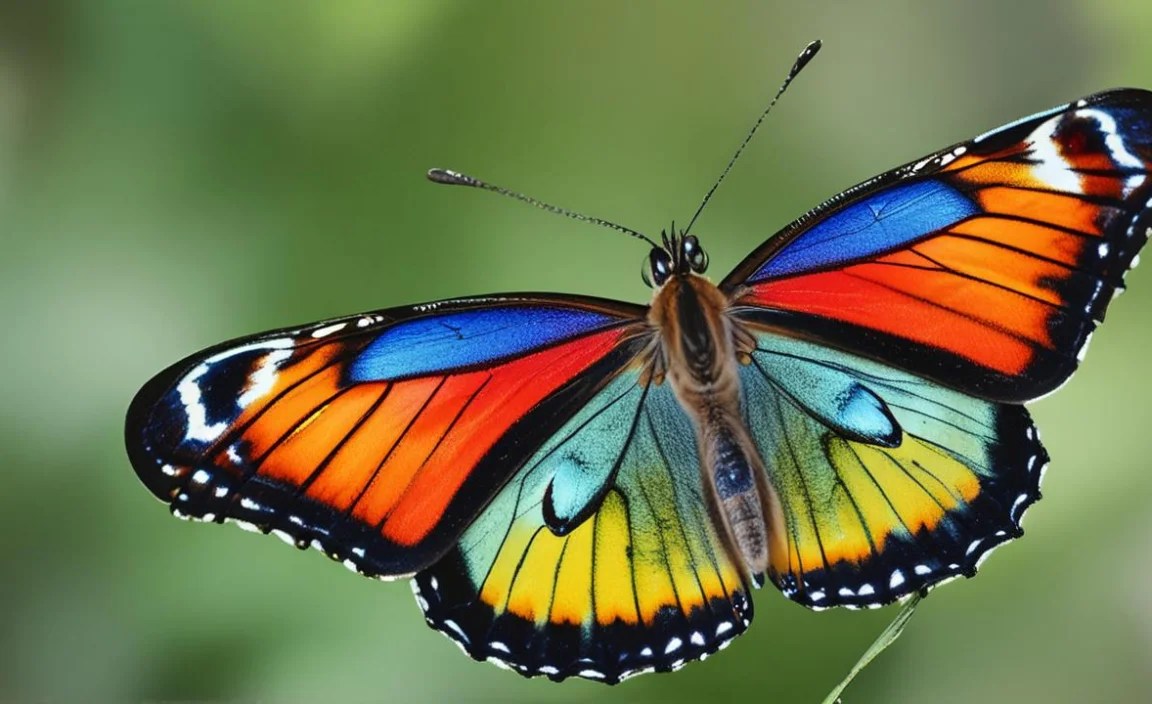
Identifying butterflies can be a challenging but rewarding task. Here are some essential tools to help you on your butterfly identification journey:
- Field Guides: A comprehensive field guide is indispensable. Look for guides specific to the Amazon region, such as “Butterflies of the Amazon and Andes” by Andrew Neild.
- Binoculars: A good pair of binoculars can help you get a closer look at butterflies without disturbing them.
- Camera: A camera with a macro lens is useful for capturing detailed photos of butterflies for later identification.
- Notebook and Pen: Keep a notebook and pen handy to record your observations, including the date, time, location, and behavior of the butterflies you see.
- Online Resources: Websites like Discover Life and Project Noah offer valuable information and images of butterflies.
Butterfly Anatomy Basics
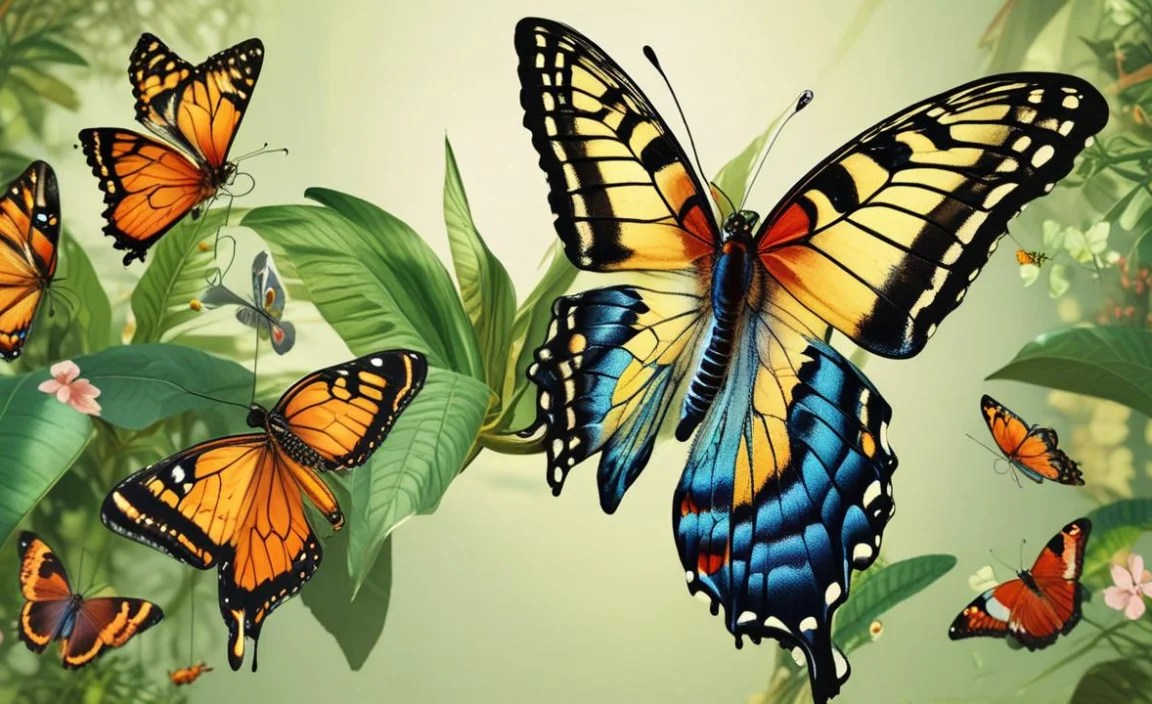
Understanding the basic anatomy of a butterfly can aid in identification. Here’s a quick overview:
| Anatomical Feature | Description |
|---|---|
| Wings | Butterflies have two pairs of wings covered in tiny scales. The patterns and colors of the wings are important for identification. |
| Body | The butterfly’s body is divided into three sections: the head, thorax, and abdomen. |
| Antennae | Butterflies have two antennae on their head, which they use to sense their environment. |
| Proboscis | The proboscis is a long, straw-like tongue that butterflies use to drink nectar from flowers. |
| Legs | Butterflies have six legs, but some species have reduced front legs that they use for tasting rather than walking. |
Butterfly Life Cycle
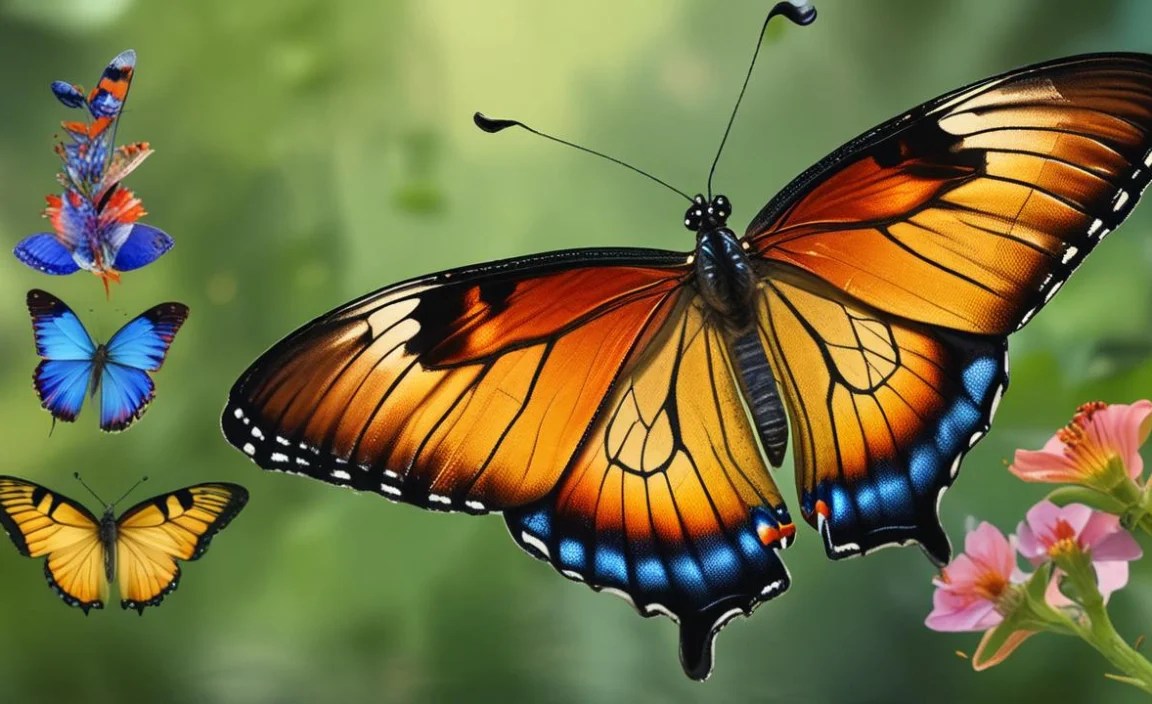
The butterfly life cycle is a fascinating process known as metamorphosis. It consists of four stages:
- Egg: Butterflies lay their eggs on or near their host plant. The eggs can vary in shape, size, and color.
- Larva (Caterpillar): The larva hatches from the egg and spends its time feeding and growing. Caterpillars molt several times as they grow larger.
- Pupa (Chrysalis): When the caterpillar is fully grown, it transforms into a pupa, also known as a chrysalis. Inside the chrysalis, the caterpillar undergoes a complete transformation.
- Adult Butterfly: After a period of time, the adult butterfly emerges from the chrysalis. The butterfly’s wings are initially soft and crumpled, but they soon expand and harden.
Threats to Amazonian Butterflies

Several factors threaten the survival of Amazonian butterflies. These include:
- Deforestation: The clearing of forests for agriculture, logging, and mining destroys butterfly habitats and reduces their food sources. According to the World Wildlife Fund, deforestation is a major threat to the Amazon rainforest.
- Climate Change: Changes in temperature and rainfall patterns can disrupt butterfly life cycles and alter the distribution of their host plants.
- Pesticide Use: Pesticides can harm or kill butterflies and their caterpillars, reducing their populations.
- Habitat Fragmentation: The division of habitats into smaller, isolated patches can make it difficult for butterflies to find mates and food sources.
How You Can Help Protect Amazonian Butterflies

Even if you don’t live in the Amazon region, there are still many ways you can help protect Amazonian butterflies:
- Support Sustainable Products: Choose products that are made from sustainably sourced materials, such as wood and paper.
- Reduce Your Carbon Footprint: Take steps to reduce your carbon footprint, such as conserving energy, using public transportation, and eating locally.
- Donate to Conservation Organizations: Support organizations that are working to protect the Amazon rainforest and its wildlife.
- Educate Others: Spread awareness about the importance of butterflies and the need to protect their habitat.
- Create a Butterfly Garden: Plant a butterfly garden in your own backyard to provide habitat and food sources for local butterflies.
Frequently Asked Questions
Let’s tackle some common questions about the butterflies of the Amazon Basin:
1. How many butterfly species are found in the Amazon Basin?

The Amazon Basin is estimated to be home to around 10% of the world’s butterfly species, which translates to thousands of different species!
2. What is the largest butterfly in the Amazon?

One of the largest butterflies in the Amazon is the Giant Owl Butterfly (Caligo memnon), which can have a wingspan of up to 8 inches.
3. Are Amazonian butterflies poisonous?

Some Amazonian butterflies, like the Heliconius butterflies, are poisonous because their caterpillars feed on toxic plants. This makes them unpalatable to predators.
4. What do Amazonian butterflies eat?
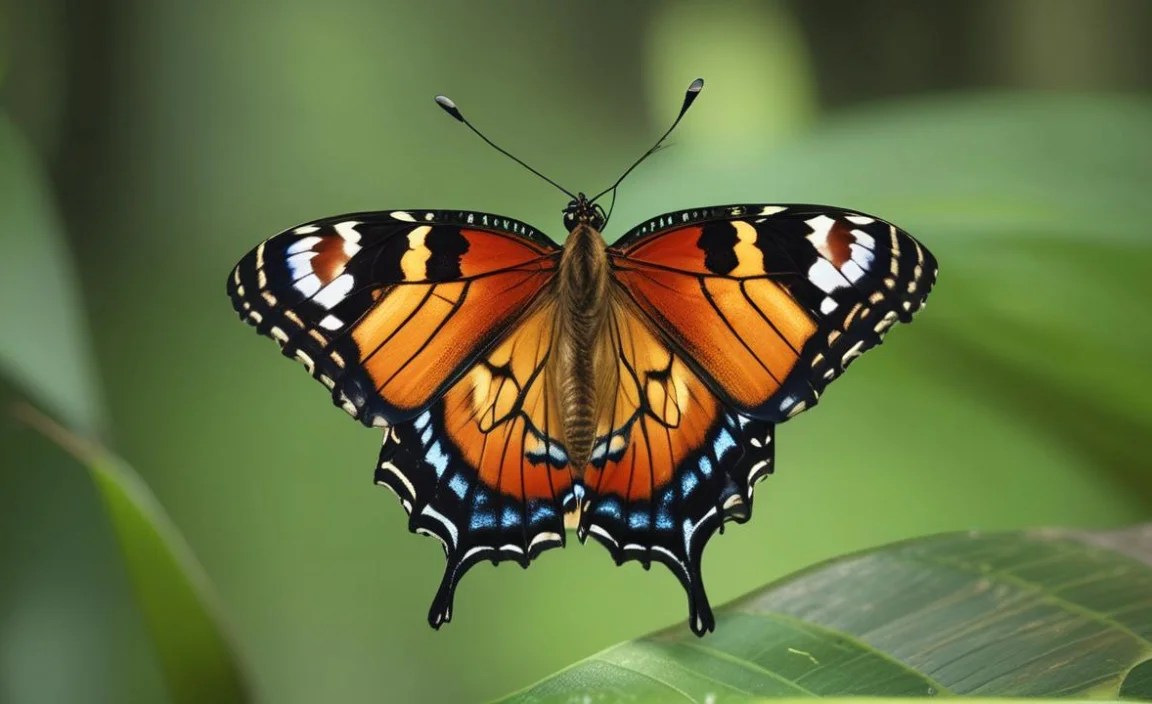
Adult Amazonian butterflies primarily feed on nectar from flowers. Caterpillars feed on the leaves of specific host plants.
5. How can I attract butterflies to my garden in the Amazon?

Plant a variety of native flowering plants that provide nectar for adult butterflies and host plants for their caterpillars. Also, provide a water source and avoid using pesticides.
6. Why are butterflies important to the Amazon ecosystem?

Butterflies are important pollinators, helping to transfer pollen from one flower to another. They are also a food source for other animals and serve as indicators of ecosystem health.
7. What are the main threats to butterflies in the Amazon?

The main threats to butterflies in the Amazon include deforestation, climate change, pesticide use, and habitat fragmentation.
Conclusion
The butterflies of the Amazon Basin are a testament to the incredible biodiversity of this region. From the shimmering Morphos to the camouflaged Owl butterflies, each species plays a unique role in the rainforest ecosystem. By learning about these fascinating creatures and supporting conservation efforts, we can help ensure that these winged wonders continue to thrive for generations to come. So, grab your binoculars, explore the Amazon (even if only in your imagination!), and discover the magic of its butterflies. Every small action we take to protect the environment contributes to the well-being of these delicate and essential creatures. Happy butterflying!


