
Butterflies of Assam Region: A Colorful Guide

Quick Summary: Assam, a biodiversity hotspot in India, is home to a stunning variety of butterflies. This guide explores some of the most beautiful and fascinating species, including the Kaiser-i-Hind, Bhutan Glory, and Common Bluebottle. We’ll cover how to identify them, where to find them, and ways to protect these vital pollinators in the Assam region.
Have you ever been mesmerized by the vibrant colors and delicate flight of butterflies? Assam, a northeastern state in India, is a true paradise for these winged jewels. But with so many different species, it can be tough to know where to start! Don’t worry, I’m Frances O’Brien, and I’m here to help you discover the wonderful world of Assam’s butterflies. Together, we’ll explore the region’s most beautiful butterflies, learn how to identify them, and discover how we can protect them for future generations. Get ready to be amazed by these incredible creatures!
Discovering the Butterflies of Assam: A Beginner’s Guide

Assam, nestled in the northeastern corner of India, boasts a rich tapestry of biodiversity. This makes it a haven for a dazzling array of butterflies. The region’s lush rainforests, rolling hills, and diverse ecosystems provide the perfect habitat for these delicate creatures. Let’s embark on a journey to explore some of the most remarkable butterflies found in Assam.
Why Assam is a Butterfly Hotspot

Assam’s unique geographical location and climate contribute to its exceptional butterfly diversity. Here’s what makes it so special:
- Climate: The region experiences a humid subtropical climate with warm, wet summers and mild, dry winters, creating ideal conditions for butterfly breeding and survival.
- Habitat Diversity: From dense forests to grasslands and wetlands, Assam offers a wide range of habitats that support different butterfly species.
- Abundant Food Sources: The rich flora of Assam provides ample nectar sources for adult butterflies and host plants for their caterpillars.
Spotlight on Specific Butterfly Species
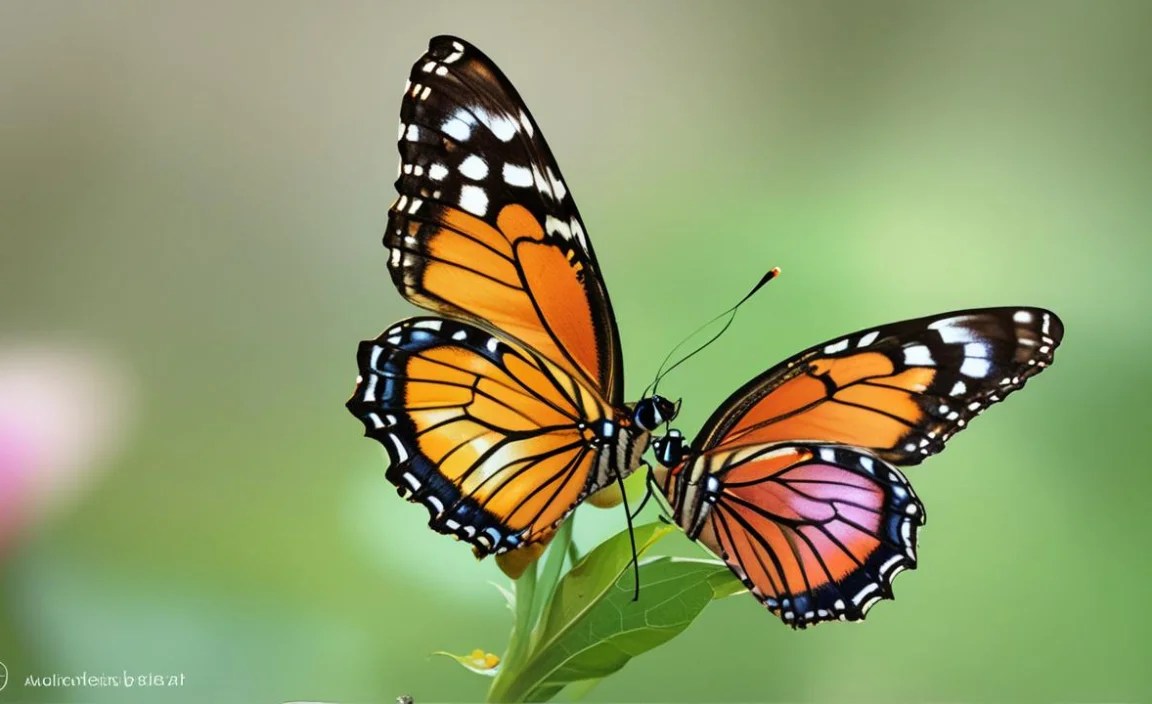
Let’s delve into some of the most iconic and fascinating butterfly species found in Assam:
Kaiser-i-Hind (Teinopalpus imperialis)
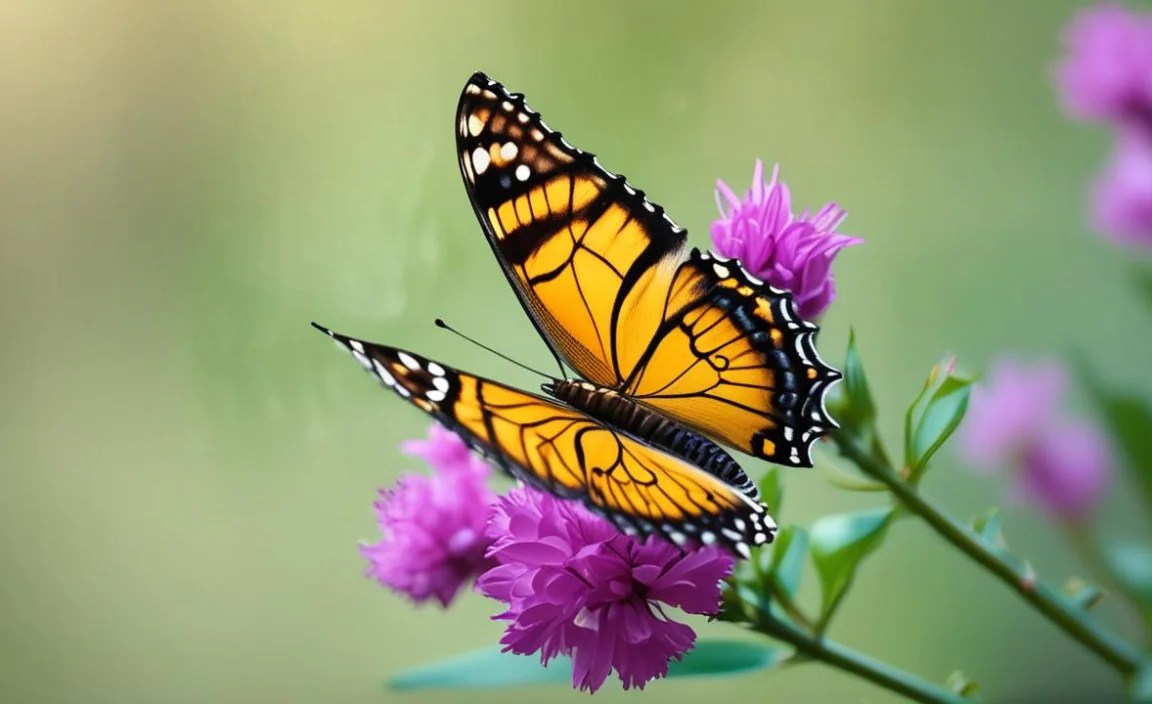
The Kaiser-i-Hind, meaning “Emperor of India,” is a magnificent butterfly known for its striking appearance and rarity. It’s a prized sight for any butterfly enthusiast.
- Appearance: This large butterfly has iridescent green wings with black markings and long, elegant tails.
- Habitat: It prefers dense, evergreen forests at higher altitudes.
- Conservation Status: The Kaiser-i-Hind is a protected species due to habitat loss and over-collection.
Bhutan Glory (Bhutanitis lidderdalii)
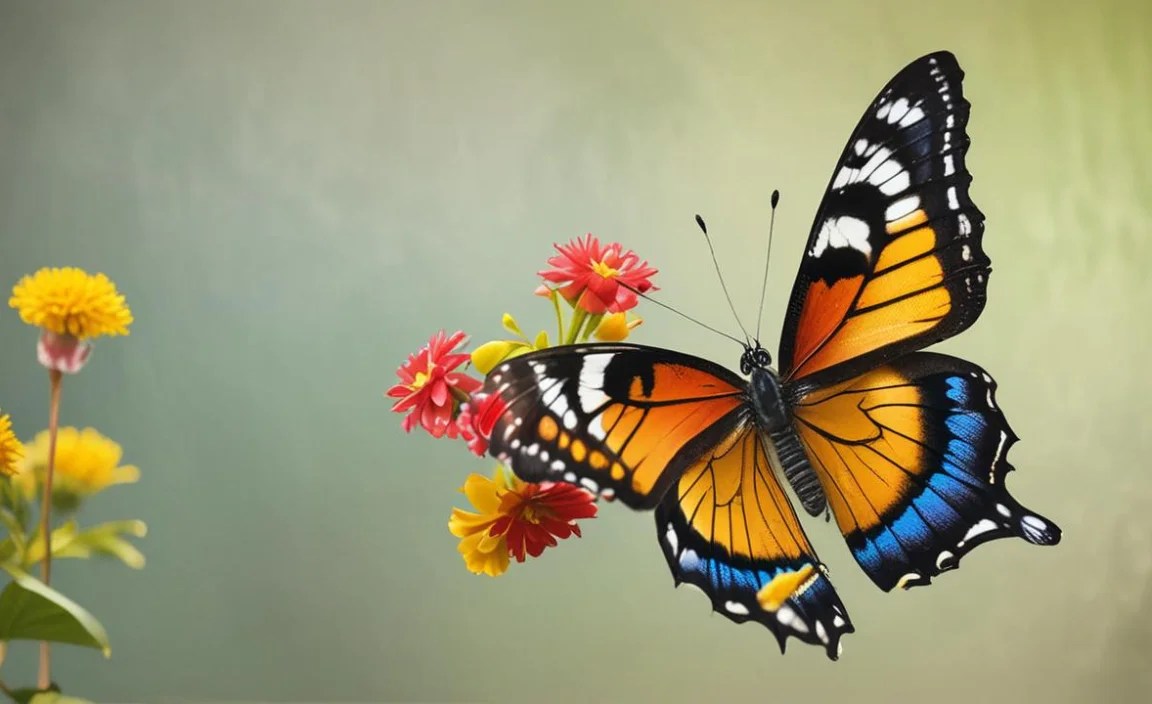
The Bhutan Glory is another spectacular butterfly found in Assam. It is easily recognizable by its unique wing shape and vibrant colors.
- Appearance: This butterfly has black wings with prominent red and white markings, and long, ornamental tails.
- Habitat: It thrives in moist, deciduous forests.
- Conservation Status: The Bhutan Glory is also a protected species, facing threats from deforestation and habitat degradation.
Common Bluebottle (Graphium sarpedon)
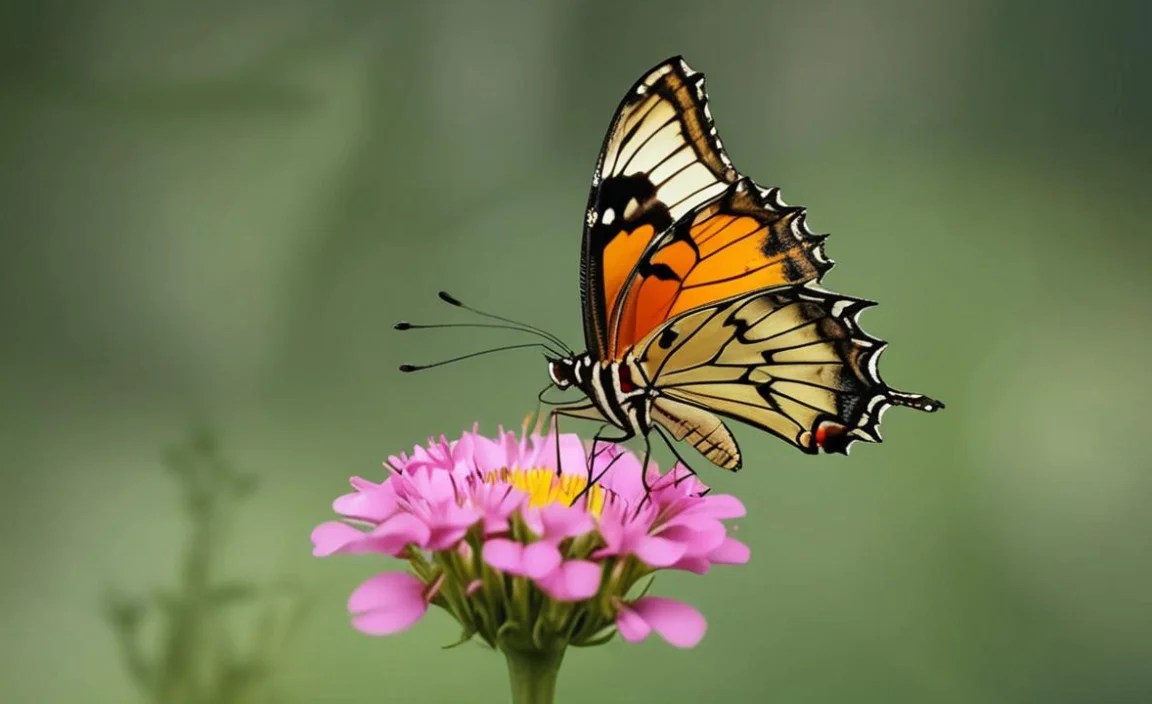
The Common Bluebottle is a widespread and easily recognizable butterfly. It’s known for its swift flight and beautiful blue bands.
- Appearance: This butterfly has black wings with vibrant blue bands that shimmer in the sunlight.
- Habitat: It can be found in a variety of habitats, including gardens, forests, and urban areas.
- Behavior: The Common Bluebottle is a fast-flying butterfly that is often seen feeding on nectar from flowers.
Indian Jezebel (Delias eucharis)
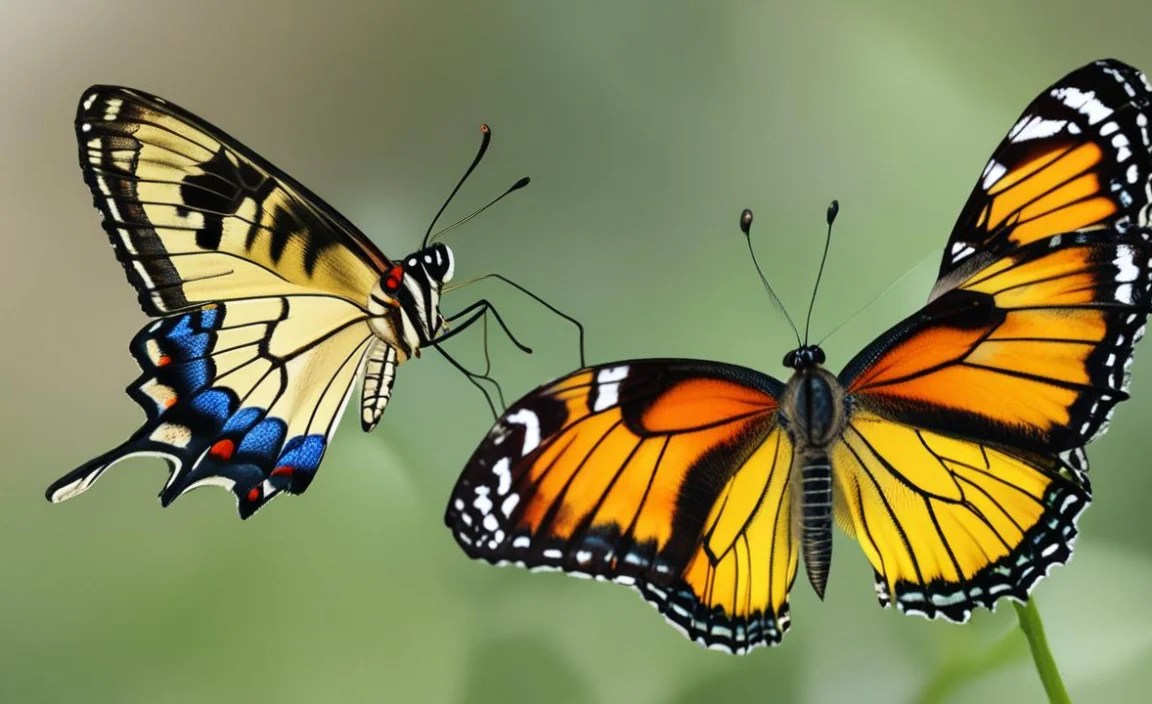
The Indian Jezebel is a striking butterfly with a contrasting color pattern. It’s a common sight in gardens and forests across Assam.
- Appearance: This butterfly has white wings with black borders and vibrant red and yellow markings on the underside.
- Habitat: It prefers open woodlands and gardens.
- Host Plant: The caterpillars of the Indian Jezebel feed on mistletoe plants.
Commander (Moduza procris)
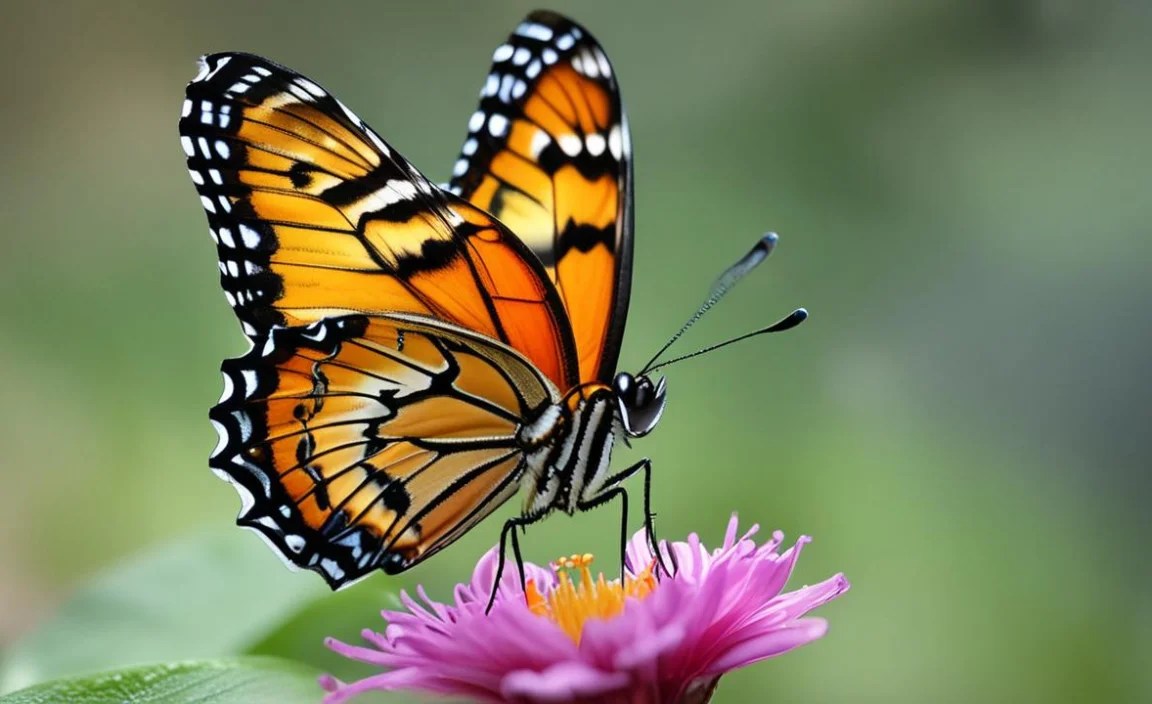
The Commander butterfly is known for its distinctive flight pattern and camouflage. It’s a master of disguise in the forest undergrowth.
- Appearance: This butterfly has brown wings with white bands and a distinctive flight pattern that resembles a military commander marching.
- Habitat: It prefers moist forests and shaded areas.
- Camouflage: The Commander’s wing patterns help it blend in with its surroundings, providing protection from predators.
Butterfly Identification Tips
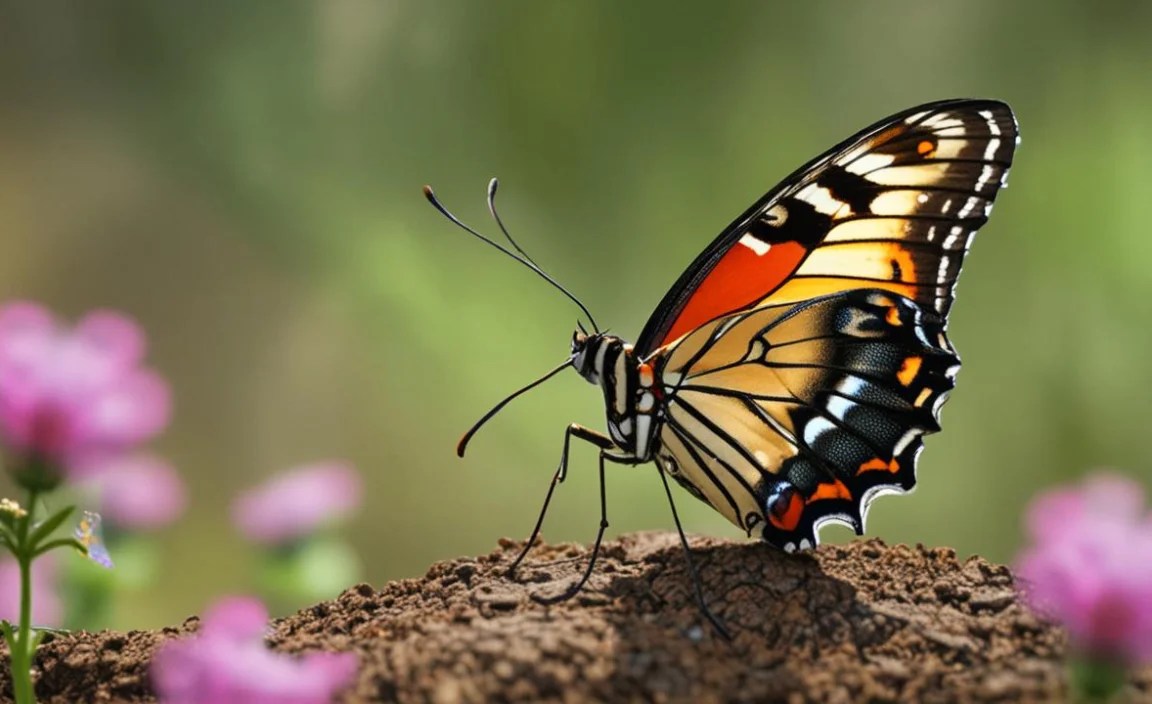
Identifying butterflies can be a rewarding and educational experience. Here are some tips to help you get started:
- Observe Wing Patterns: Pay close attention to the colors, shapes, and patterns on the butterfly’s wings.
- Note Size and Shape: Consider the butterfly’s size, wingspan, and overall body shape.
- Check Habitat: Note the type of habitat where you found the butterfly, as different species prefer different environments.
- Use Field Guides: Consult butterfly field guides specific to the Assam region for accurate identification.
- Take Photos: Capture clear photos of the butterfly from different angles to aid in identification.
Where to Find Butterflies in Assam

Assam offers numerous locations where you can observe these beautiful creatures in their natural habitat:
- Kaziranga National Park: Known for its diverse wildlife, Kaziranga also hosts a variety of butterfly species.
- Manas National Park: This UNESCO World Heritage Site is another excellent location for butterfly watching.
- Botanical Gardens: Many botanical gardens in Assam cultivate butterfly-friendly plants, attracting a wide range of species.
- Forest Reserves: Explore the numerous forest reserves in Assam for a chance to spot rare and endemic butterflies.
- Your Own Backyard: Plant butterfly-friendly flowers and host plants in your garden to attract butterflies to your home.
Attracting Butterflies to Your Garden

Creating a butterfly-friendly garden is a great way to support these vital pollinators and enjoy their beauty up close. Here’s how to do it:
- Plant Nectar-Rich Flowers: Choose a variety of flowers that provide nectar throughout the butterfly season. Some popular choices include lantana, zinnia, and butterfly bush.
- Provide Host Plants: Plant host plants that caterpillars can feed on. For example, milkweed is a host plant for monarch butterflies, and citrus trees are hosts for swallowtail butterflies.
- Offer a Water Source: Butterflies need water to survive. Provide a shallow dish of water with pebbles or stones for them to land on.
- Avoid Pesticides: Pesticides can harm or kill butterflies and other beneficial insects. Opt for organic gardening practices instead.
- Provide Shelter: Plant trees and shrubs to provide shelter from wind and predators.
- Create a Sunny Spot: Butterflies need sunlight to warm their bodies. Create a sunny spot in your garden where they can bask.
The Life Cycle of a Butterfly

Understanding the life cycle of a butterfly is essential for appreciating their complex biology and conservation needs. Here’s a brief overview:
- Egg: Butterflies lay their eggs on host plants. The eggs can vary in shape, size, and color depending on the species.
- Larva (Caterpillar): The larva hatches from the egg and feeds on the host plant. It grows and molts several times as it develops.
- Pupa (Chrysalis): The larva transforms into a pupa, also known as a chrysalis. Inside the pupa, the caterpillar undergoes a remarkable metamorphosis.
- Adult Butterfly: The adult butterfly emerges from the pupa. It flies off to reproduce and continue the cycle.
The Importance of Butterflies

Butterflies play a vital role in the ecosystem. They are not just beautiful creatures; they are also important pollinators and indicators of environmental health.
- Pollination: Butterflies help pollinate flowers, which is essential for plant reproduction and food production.
- Food Source: Butterflies and caterpillars serve as a food source for birds, reptiles, and other animals.
- Indicators of Environmental Health: Butterfly populations are sensitive to changes in their environment. Their presence or absence can indicate the health of an ecosystem.
Conservation Efforts in Assam
Several organizations and initiatives are working to protect butterflies and their habitats in Assam. Here are some examples:
- WWF India: WWF India is involved in habitat conservation and community-based conservation programs in Assam.
- Bombay Natural History Society (BNHS): BNHS conducts research and conservation projects focused on butterflies and other wildlife in the region.
- Local NGOs: Many local NGOs are working to raise awareness about butterfly conservation and promote sustainable practices.
Here’s a quick look at conservation efforts.
| Organization | Focus Area | Activities |
|---|---|---|
| WWF India | Habitat Conservation | Supporting protected areas, community-based conservation. |
| BNHS | Research & Conservation | Butterfly surveys, habitat restoration, awareness programs. |
| Local NGOs | Awareness & Sustainability | Educational workshops, promoting eco-tourism. |
Threats to Butterflies in Assam

Despite their beauty and importance, butterflies in Assam face several threats:
- Habitat Loss: Deforestation, urbanization, and agricultural expansion are destroying butterfly habitats.
- Pesticide Use: The use of pesticides in agriculture and gardens can harm or kill butterflies and their caterpillars.
- Climate Change: Changes in temperature and rainfall patterns can disrupt butterfly life cycles and distribution.
- Over-Collection: The illegal collection of butterflies for trade can threaten rare and endangered species.
How You Can Help
You can make a difference in protecting butterflies in Assam. Here are some simple steps you can take:
- Plant a Butterfly Garden: Create a butterfly-friendly garden in your backyard or community.
- Support Conservation Organizations: Donate to or volunteer with organizations working to protect butterflies and their habitats.
- Educate Others: Share your knowledge about butterflies with friends, family, and community members.
- Reduce Pesticide Use: Avoid using pesticides in your garden and support organic farming practices.
- Promote Sustainable Practices: Encourage sustainable land management practices that protect butterfly habitats.
Butterfly Symbolism and Cultural Significance

Butterflies have long held symbolic and cultural significance in various societies around the world. They often represent:
- Transformation: The butterfly’s metamorphosis from caterpillar to pupa to adult butterfly symbolizes transformation and rebirth.
- Beauty: Butterflies are admired for their exquisite beauty and delicate flight.
- Freedom: Butterflies are seen as symbols of freedom and joy.
- Soul: In some cultures, butterflies are believed to represent the human soul.
Resources for Further Learning
Want to learn more about butterflies in Assam and beyond? Here are some helpful resources:
- Butterfly Field Guides: Purchase a butterfly field guide specific to the Assam region for accurate identification.
- Online Butterfly Databases: Explore online butterfly databases such as Butterflies of India for information and photos.
- The Xerces Society: This organization provides resources and information on butterfly conservation.
- National Geographic: Explore National Geographic’s articles and videos on butterflies and their habitats.
- Smithsonian Institution: Discover the Smithsonian’s resources on butterfly biology and conservation.
Frequently Asked Questions (FAQ)
Here are some frequently asked questions about butterflies in Assam:
Q1: What is the best time to see butterflies in Assam?
A: The best time to see butterflies in Assam is during the post-monsoon season (October to November) and spring (March to May) when the weather is mild and flowers are in bloom.
Q2: Are there any endangered butterfly species in Assam?
A: Yes, some butterfly species in Assam, such as the Kaiser-i-Hind and Bhutan Glory, are considered endangered due to habitat loss and other threats.
Q3: What kind of plants attract butterflies to a garden?
A: Butterflies are attracted to nectar-rich flowers such as lantana, zinnia, butterfly bush, and milkweed. Also, providing host plants for caterpillars is essential.
Q4: How can I tell the difference between a butterfly and a moth?
A: Butterflies typically have slender bodies, club-tipped antennae, and hold their wings upright when at rest. Moths tend to have thicker bodies, feathery antennae, and often rest with their wings spread out.
Q5: What should I do if I find an injured butterfly?
A: If you find an injured butterfly, you can try to help it by placing it in a safe, sheltered area with access to nectar. You can also offer it a sugar-water solution on a cotton ball.
Q6: Are butterflies important for the environment?
A: Yes, butterflies are important pollinators and indicators of environmental health. They also serve as a food source for other animals.
Q7: Can climate change affect butterflies in Assam?
A: Yes, climate change can disrupt butterfly life cycles and distribution patterns in Assam by altering temperature and rainfall patterns.
Conclusion
The butterflies of Assam are a true treasure, adding beauty and ecological value to the region. By learning about these fascinating creatures, creating butterfly-friendly habitats, and supporting conservation efforts, we can all play a role in protecting them for future generations. So, get outside, explore the natural wonders of Assam, and discover the magic of butterflies!


