
Butterflies of Chile: Discover Hidden Gems

Chile boasts a surprising variety of butterflies! From the arid north to the temperate south, you can find these beautiful insects flitting among the diverse landscapes. This guide introduces you to some common Chilean butterflies, their habitats, and tips for attracting them to your garden. Get ready to explore the fascinating world of Chilean butterflies!
Have you ever wondered what types of butterflies you might spot while hiking in Chile? Or maybe you’re curious about how to create a butterfly-friendly garden in your own backyard? Identifying butterflies can seem tricky, and knowing how to support their populations even more so. Don’t worry, I’m here to help! In this guide, we’ll explore the wonderful world of Chilean butterflies, making it easy for you to recognize them and contribute to their conservation. Let’s get started on this exciting journey!
Frequently Asked Questions About Chilean Butterflies
Here are some frequently asked questions about Chilean butterflies:
What is the most common butterfly in Chile?
The Painted Lady (Vanessa cardui) is one of the most widespread butterflies globally and is commonly found in Chile.
Are there any endangered butterflies in Chile?
Yes, some Chilean butterfly species are threatened due to habitat loss and climate change. Conservation efforts are underway to protect them.
What plants attract butterflies in Chile?
Native Chilean plants like Buddleja (Butterfly Bush), Escallonia, and various flowering herbs are excellent for attracting butterflies.
Where is the best place to see butterflies in Chile?
You can find butterflies in various habitats throughout Chile, including national parks, gardens, and even urban areas with suitable vegetation.
When is the best time of year to see butterflies in Chile?
Spring and summer (September to March) are generally the best times to see butterflies in Chile when flowers are in bloom and the weather is warmer.
Do Chilean butterflies migrate?
Some butterfly species, like the Painted Lady, are known to migrate, while others remain in specific regions year-round.
How can I help protect butterflies in Chile?
You can help by planting native flowers, avoiding pesticides, supporting conservation organizations, and educating others about the importance of butterfly conservation.
Discovering the Butterflies of Chile

Chile, a land of striking contrasts, is home to a diverse range of butterfly species. From the arid landscapes of the Atacama Desert to the lush forests of Patagonia, these delicate creatures add a touch of magic to the Chilean environment. Let’s explore some of the most fascinating butterflies you might encounter in Chile.
Common Chilean Butterfly Species
Here are some of the butterflies you are most likely to see in Chile:
- Painted Lady (Vanessa cardui): A very common and widespread butterfly found almost worldwide, including Chile. Recognizable by its orange and brown patterned wings with white spots.
- Chilean Skippers (various species): Several species of skippers are native to Chile, often found in grasslands and shrublands. They are typically small and brown with hooked antennae.
- Andean Crescent (Eresia andina): This butterfly is adapted to high-altitude environments in the Andes Mountains. It has a distinctive pattern of orange and black markings.
- Hypsochila wagenknechti: Found in specific regions of Chile, this butterfly is known for its unique wing patterns and preference for certain host plants.
Butterfly Habitats in Chile
Chile’s diverse geography creates a variety of habitats suitable for different butterfly species:
- Deserts: Surprisingly, some butterflies thrive in the arid conditions of the Atacama Desert, often near oases or seasonal streams.
- Mediterranean Zone: Central Chile, with its mild, wet winters and dry summers, supports a rich array of butterfly species in its forests and scrublands.
- Andean Highlands: High-altitude regions are home to butterflies adapted to cold temperatures and strong winds.
- Temperate Rainforests: Southern Chile’s lush rainforests provide habitat for unique butterfly species that depend on specific host plants.
Identifying Chilean Butterflies: A Step-by-Step Guide
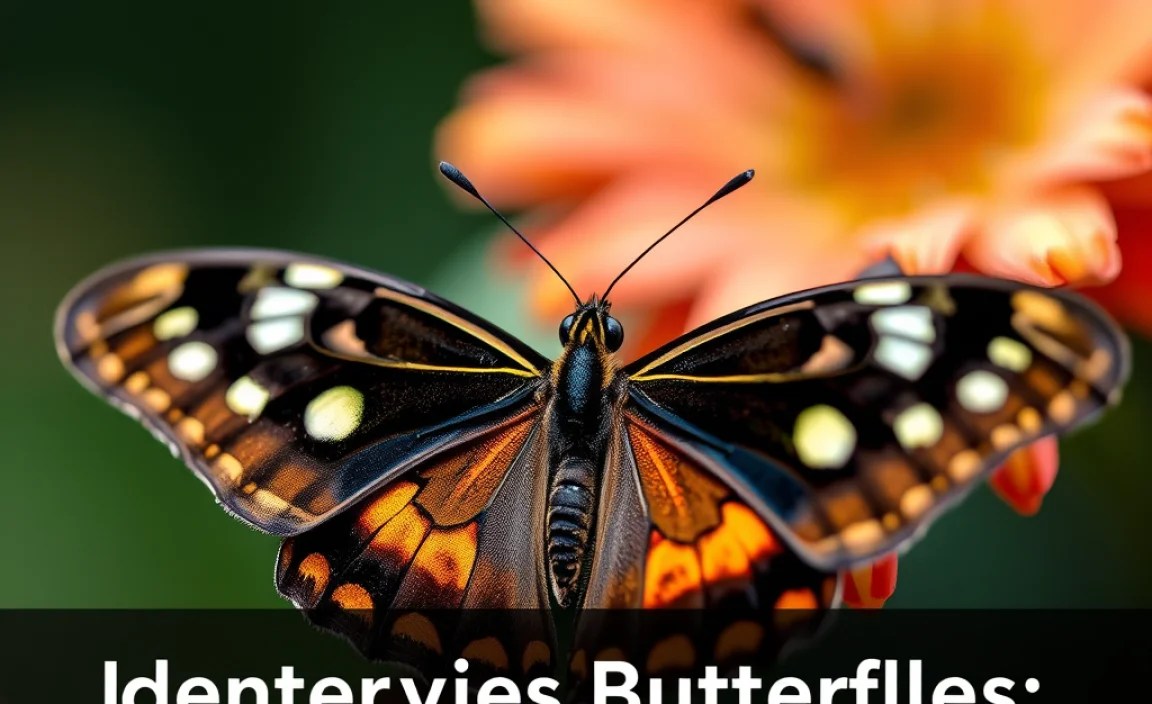
Identifying butterflies can be a rewarding experience. Here’s a simple guide to help you identify butterflies in Chile:
Step 1: Observe the Butterfly’s Size and Shape
Start by noting the butterfly’s size and overall shape. Is it small and delicate, or large and robust? Pay attention to the shape of the wings – are they rounded or angular?
Step 2: Examine the Wing Patterns and Colors
The wing patterns and colors are key to identification. Look for distinctive markings such as spots, stripes, or bands. Note the colors present, including shades of orange, brown, yellow, blue, and black.
Step 3: Consider the Habitat and Location
Where did you see the butterfly? Different species prefer different habitats. Knowing the location can narrow down the possibilities. For example, if you’re in the Andes, you might be looking at a high-altitude specialist.
Step 4: Use a Field Guide or Online Resource
A good field guide or online resource can be invaluable. Look for guides specific to Chilean butterflies or South American butterflies in general. Websites like iNaturalist and Butterfly Conservation offer helpful information and images.
Step 5: Take a Photo (If Possible)
If possible, take a photo of the butterfly. This will allow you to examine it more closely later and compare it to images in field guides or online databases. Be careful not to disturb the butterfly while taking photos.
Step 6: Compare with Known Species
Once you have gathered information about the butterfly’s appearance, habitat, and location, compare it with descriptions and images of known Chilean butterfly species. Pay close attention to the details of the wing patterns and colors.
Creating a Butterfly-Friendly Garden in Chile

Attracting butterflies to your garden is a wonderful way to enjoy their beauty and support their populations. Here’s how to create a butterfly-friendly garden in Chile:
Choosing the Right Plants
Select plants that provide nectar for adult butterflies and serve as host plants for caterpillars. Native Chilean plants are often the best choice.
- Nectar Plants: Buddleja (Butterfly Bush), Escallonia, Verbena, Lavender, and various flowering herbs.
- Host Plants: Plants that specific butterfly species use for laying eggs and that caterpillars feed on. Research which butterflies are common in your area and choose appropriate host plants.
Providing Shelter and Water
Butterflies need shelter from wind and rain. Plant shrubs and trees to provide protected areas. A shallow dish of water with pebbles or sand provides a place for butterflies to drink without drowning.
Avoiding Pesticides
Pesticides can harm or kill butterflies and other beneficial insects. Avoid using pesticides in your garden. Instead, use natural methods to control pests, such as introducing beneficial insects or hand-picking pests off plants.
Creating a Sunny Spot
Butterflies are cold-blooded and need sunlight to warm up. Create a sunny spot in your garden where butterflies can bask. A large, flat rock can serve as a perfect basking platform.
Planting in Clusters
Plant flowers in clusters to make it easier for butterflies to find them. A mass of color is more attractive to butterflies than scattered individual flowers.
Providing a Mud Puddle
Male butterflies often gather at mud puddles to obtain minerals and nutrients. Create a small mud puddle in your garden by wetting a patch of soil and adding some sand or compost.
Butterfly Conservation in Chile
Many butterfly species in Chile face threats from habitat loss, climate change, and pesticide use. Here are some ways to support butterfly conservation:
Supporting Conservation Organizations
Donate to or volunteer with organizations that work to protect butterfly habitats and promote sustainable land management practices. Some organizations working in Chile include:
- Red de Conservación de la Biodiversidad: A network of organizations working to protect biodiversity in Chile.
- Wildlife Conservation Society Chile: Focuses on protecting wild places and wildlife in Chile.
Promoting Sustainable Agriculture
Support farmers who use sustainable agricultural practices that minimize pesticide use and protect butterfly habitats. Look for locally grown, organic produce.
Educating Others
Share your knowledge and passion for butterflies with others. Educate your friends, family, and community about the importance of butterfly conservation. Host workshops, give presentations, or write articles about butterflies.
Creating Butterfly Gardens
Create butterfly gardens in your community to provide habitat for butterflies and educate others about butterfly conservation. Work with schools, parks, and other organizations to create butterfly gardens in public spaces.
Advocating for Policy Changes
Support policies that protect butterfly habitats and promote sustainable land management practices. Contact your elected officials and let them know that you support butterfly conservation.
The Cultural Significance of Butterflies in Chile

Butterflies hold cultural significance in many societies, and Chile is no exception. They often symbolize transformation, hope, and beauty.
Symbolism and Mythology
In some indigenous cultures of Chile, butterflies are seen as messengers from the spirit world or symbols of deceased ancestors. Their delicate beauty and ability to transform from caterpillar to butterfly have made them powerful symbols of change and renewal.
Art and Literature
Butterflies have inspired artists and writers in Chile for generations. They appear in paintings, poems, and stories, often representing freedom, joy, and the fleeting nature of beauty.
Modern Interpretations
Today, butterflies continue to be a popular motif in Chilean art, design, and popular culture. They are often used to promote environmental awareness and conservation efforts.
Butterfly Watching in Chile: Tips and Etiquette
Butterfly watching is a rewarding activity that allows you to connect with nature and learn about these fascinating creatures. Here are some tips for butterfly watching in Chile:
Best Time to Go
The best time to see butterflies in Chile is during the spring and summer months (September to March) when the weather is warm and flowers are in bloom. Midday is often the best time of day when butterflies are most active.
What to Bring
- Binoculars: To get a closer look at butterflies without disturbing them.
- Field Guide: To help you identify the butterflies you see.
- Camera: To capture beautiful photos of butterflies.
- Water and Snacks: To stay hydrated and energized.
- Sunscreen and Hat: To protect yourself from the sun.
- Comfortable Shoes: For walking in natural areas.
Butterfly Watching Etiquette
- Be Respectful: Observe butterflies from a distance and avoid disturbing them or their habitat.
- Stay on Trails: Stick to established trails to avoid trampling vegetation or disturbing wildlife.
- Avoid Touching Butterflies: Butterflies are delicate and can be easily harmed. Avoid touching them unless necessary for research purposes.
- Leave No Trace: Pack out everything you pack in and leave the area as you found it.
- Respect Private Property: Obtain permission before entering private property.
Threats to Chilean Butterflies
Unfortunately, Chilean butterflies face numerous threats that impact their populations and habitats. Understanding these challenges is crucial for effective conservation efforts.
Habitat Loss
Habitat loss is one of the most significant threats to Chilean butterflies. As land is converted for agriculture, urbanization, and forestry, butterfly habitats are destroyed or fragmented, leaving them with fewer places to live and breed.
Climate Change
Climate change poses a serious threat to butterflies in Chile. Changes in temperature and precipitation patterns can disrupt their life cycles, alter their food sources, and shift their ranges. Some species may be unable to adapt to these changes and could face extinction.
Pesticide Use
Pesticides used in agriculture and forestry can harm or kill butterflies and other beneficial insects. Even small amounts of pesticides can have a significant impact on butterfly populations, especially caterpillars.
Invasive Species
Invasive plant species can outcompete native plants that butterflies depend on for food and habitat. Invasive insects and diseases can also harm butterfly populations.
Over-Collection
Although less common today, over-collection of butterflies for scientific or commercial purposes can still pose a threat to some species, especially those with small or localized populations.
Table: Common Chilean Butterflies and Their Characteristics
| Species | Appearance | Habitat | Host Plants |
|---|---|---|---|
| Painted Lady (Vanessa cardui) | Orange and brown patterned wings with white spots | Widespread, various habitats | Thistles, mallows |
| Chilean Skipper (various species) | Small, brown with hooked antennae | Grasslands, shrublands | Grasses |
| Andean Crescent (Eresia andina) | Orange and black markings | Andes Mountains, high altitude | Specific host plants (research needed) |
| Hypsochila wagenknechti | Unique wing patterns | Specific regions of Chile | Specific host plants (research needed) |
Resources for Further Learning
Here are some resources to help you learn more about butterflies of Chile:
- Books: Look for field guides to South American butterflies or specific guides to Chilean butterflies.
- Websites:
- iNaturalist: A great resource for identifying and learning about butterflies and other insects. iNaturalist
- Butterfly Conservation: Offers information about butterfly conservation and identification. Butterfly Conservation
- Museums and Botanical Gardens: Visit natural history museums and botanical gardens in Chile to see butterfly collections and learn about butterfly conservation efforts.
Conclusion
Exploring the butterflies of Chile is an adventure filled with beauty and discovery. From the widespread Painted Lady to the specialized Andean Crescent, these delicate creatures showcase the incredible biodiversity of Chile’s landscapes. By learning to identify butterflies, creating butterfly-friendly gardens, and supporting conservation efforts, we can all play a part in protecting these precious insects for future generations. So, grab your binoculars, head outside, and immerse yourself in the captivating world of Chilean butterflies. Happy butterfly watching!


