
Butterflies in Central India: A Powerful Guide

Quick Summary: Central India is a butterfly paradise! You’ll find colorful butterflies like the Common Rose, Plain Tiger, and Common Mormon. These butterflies thrive in the region’s diverse forests and grasslands. Understanding their habitats and behaviors helps us protect these beautiful insects. Join us as we explore the butterfly wonders of Central India!
Have you ever wondered about the fluttering jewels you see in the heart of India? Central India, with its lush forests and open fields, is home to a stunning variety of butterflies. Identifying these delicate creatures can feel overwhelming, but don’t worry! This guide will help you discover the common and unique butterflies of this region. We’ll explore their habitats, life cycles, and how you can help protect them.
Get ready to dive into the vibrant world of butterflies in Central India. We will explore common species, their host plants, tips for butterfly gardening, and conservation efforts. Let’s flutter into the world of Central Indian butterflies!
Common Butterflies of Central India

Central India boasts a rich diversity of butterfly species. Here are some of the most commonly seen butterflies in the region:
- Common Rose (Pachliopta aristolochiae): A striking butterfly with black wings and vibrant red markings.
- Plain Tiger (Danaus chrysippus): A bright orange butterfly with black stripes, easily spotted in gardens and open areas.
- Common Mormon (Papilio polytes): A highly variable butterfly with different forms, often mimicking poisonous species.
- Lime Butterfly (Papilio demoleus): A beautiful butterfly with black and yellow markings, commonly found near citrus plants.
- Blue Tiger (Tirumala limniace): Recognizable by its blue and black striped wings.
- Common Emigrant (Catopsilia pomona): A sulfur-yellow butterfly.
Identifying Central Indian Butterflies
Identifying butterflies can be a fun and rewarding experience. Here are some tips to help you identify butterflies in Central India:
- Observe Wing Patterns: Pay close attention to the colors, shapes, and patterns on the wings.
- Note Size and Shape: Butterflies vary in size and wing shape, which can help narrow down the species.
- Check Habitat: Note where you see the butterfly. Some species prefer specific habitats like forests or gardens.
- Use Field Guides: Carry a field guide with pictures and descriptions of local butterflies.
- Take Photos: Capture clear photos of the butterfly from different angles to help with identification later.
Butterfly Identification Table
This table summarizes the key features to help you identify common butterflies in Central India:
| Butterfly Species | Appearance | Habitat | Host Plant |
|---|---|---|---|
| Common Rose (Pachliopta aristolochiae) | Black with red markings | Gardens, forests | Aristolochia species |
| Plain Tiger (Danaus chrysippus) | Orange with black stripes | Open areas, gardens | Milkweed |
| Common Mormon (Papilio polytes) | Variable; black with white or yellow markings | Gardens, forests | Citrus, curry leaf |
| Lime Butterfly (Papilio demoleus) | Black and yellow markings | Gardens, citrus orchards | Citrus species |
| Blue Tiger (Tirumala limniace) | Blue and black stripes | Moist forests | Climbing Oleander |
| Common Emigrant (Catopsilia pomona) | Sulfur-yellow | Open woodlands, gardens | Cassia species |
Butterfly Habitats in Central India

Central India’s diverse landscapes provide a variety of habitats for butterflies. Understanding these habitats is key to finding and observing different species.
Forests
The dense forests of Central India are home to many butterfly species that prefer shade and specific host plants. Species like the Blue Tiger and Common Mormon thrive in these environments.
Grasslands
Open grasslands provide nectar sources and breeding grounds for butterflies like the Plain Tiger and Common Emigrant. These butterflies are often seen flitting among the grasses and wildflowers.
Gardens
Home gardens are important habitats for many butterflies, especially those that feed on ornamental plants and herbs. The Common Rose and Lime Butterfly are frequently found in gardens with their host plants.
Riversides
Areas near rivers and streams offer moist conditions and diverse vegetation, attracting a variety of butterfly species. These areas often serve as important migration corridors.
Butterfly Life Cycle
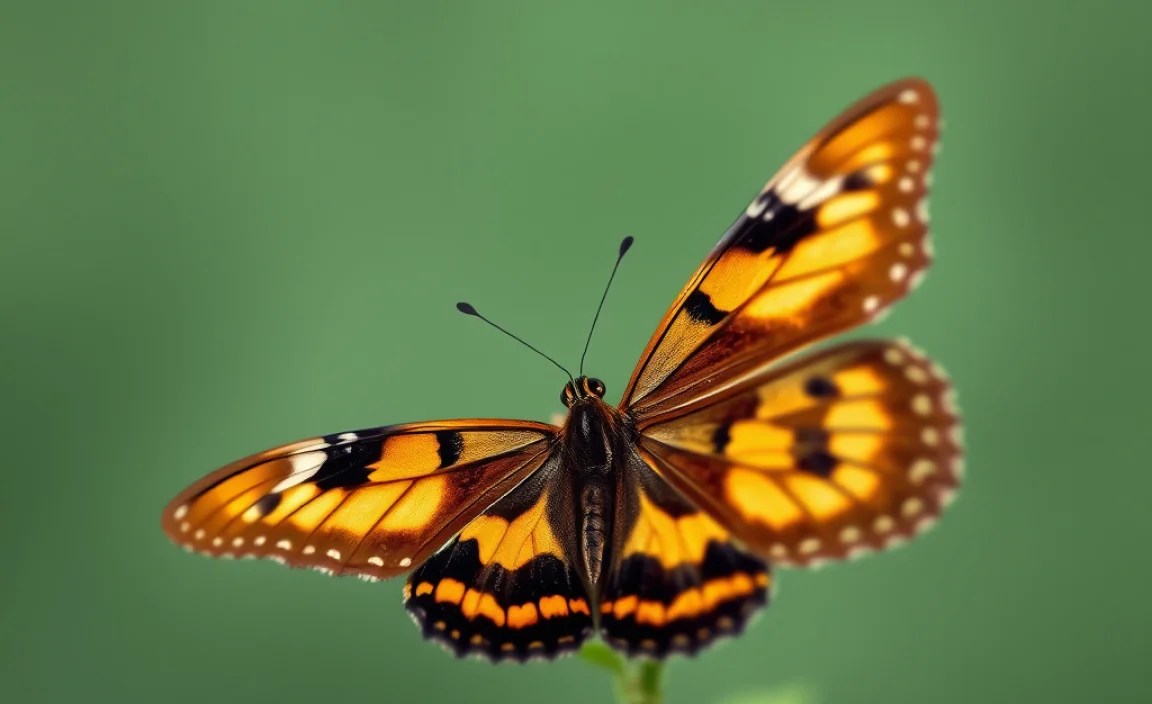
Butterflies undergo a complete metamorphosis, which includes four distinct stages:
- Egg: Butterflies lay their eggs on specific host plants. The eggs can vary in shape, size, and color.
- Larva (Caterpillar): The larva, or caterpillar, hatches from the egg and feeds voraciously on the host plant. It molts several times as it grows.
- Pupa (Chrysalis): The caterpillar transforms into a pupa, or chrysalis. This stage is a period of intense transformation, where the caterpillar’s body is reorganized into a butterfly.
- Adult Butterfly: The adult butterfly emerges from the pupa. It feeds on nectar, mates, and lays eggs, starting the cycle anew.
Host Plants and Nectar Sources
Butterflies rely on specific host plants for their caterpillars to feed on and nectar sources for adult butterflies. Providing these plants in your garden can attract and support local butterfly populations.
Common Host Plants
- Aristolochia species: Host plant for the Common Rose.
- Milkweed: Host plant for the Plain Tiger.
- Citrus and Curry Leaf: Host plants for the Common Mormon.
- Citrus species: Host plants for the Lime Butterfly.
- Climbing Oleander: Host plant for the Blue Tiger.
- Cassia species: Host plants for the Common Emigrant.
Nectar Sources
- Lantana: A popular nectar source for many butterflies.
- Zinnia: Colorful flowers that attract butterflies.
- Marigold: Easy-to-grow flowers that provide nectar.
- Cosmos: Delicate flowers that butterflies love.
- Hibiscus: A vibrant nectar source.
Attracting Butterflies to Your Garden

Creating a butterfly-friendly garden is a great way to support local butterfly populations and enjoy their beauty up close. Here are some tips to attract butterflies to your garden:
- Plant Host Plants: Include host plants for local butterfly species to provide food for caterpillars.
- Provide Nectar Sources: Plant a variety of nectar-rich flowers that bloom at different times of the year.
- Offer Water: Provide a shallow dish of water with pebbles for butterflies to land on and drink.
- Avoid Pesticides: Pesticides can harm or kill butterflies and other beneficial insects.
- Provide Shelter: Plant shrubs and trees to provide shelter from wind and predators.
- Create a Sunning Spot: Butterflies need sunlight to warm their bodies. Provide a sunny spot with flat stones or bare ground.
Butterfly Garden Design
When designing your butterfly garden, consider the following:
- Sunlight: Butterflies need at least six hours of sunlight per day.
- Shelter: Provide shelter from wind and rain with shrubs and trees.
- Plant Variety: Plant a variety of host plants and nectar sources to attract different butterfly species.
- Color: Butterflies are attracted to bright colors, especially red, orange, yellow, and purple.
- Grouping: Plant flowers in groups to make them more visible to butterflies.
Conservation of Butterflies in Central India

Butterflies face many threats, including habitat loss, pesticide use, and climate change. Conservation efforts are essential to protect these important pollinators.
Threats to Butterflies
- Habitat Loss: Deforestation and urbanization reduce the available habitat for butterflies.
- Pesticide Use: Pesticides can kill butterflies and other beneficial insects.
- Climate Change: Changes in temperature and rainfall patterns can disrupt butterfly life cycles and migration patterns.
- Over-collection: Collecting butterflies for commercial purposes can deplete local populations.
Conservation Strategies
- Habitat Preservation: Protecting and restoring natural habitats is crucial for butterfly conservation.
- Sustainable Agriculture: Promoting sustainable farming practices that reduce pesticide use can help protect butterflies.
- Butterfly Gardening: Creating butterfly-friendly gardens provides habitat and food sources for butterflies.
- Education and Awareness: Raising awareness about the importance of butterflies and the threats they face can encourage conservation efforts.
- Supporting Conservation Organizations: Many organizations are working to protect butterflies and their habitats. Supporting these organizations can help make a difference.
Butterfly Conservation Organizations
Here are some organizations involved in butterfly conservation:
- The Xerces Society: A science-based conservation organization that protects invertebrates and their habitats. Xerces Society
- Butterfly Conservation Society: Organization dedicated to saving butterflies, moths and their habitats throughout the UK. Butterfly Conservation
- Wildlife Institute of India (WII): An autonomous institution under the Ministry of Environment, Forest and Climate Change, Government of India, focusing on wildlife research and conservation. WII
Butterfly Photography
Photographing butterflies can be a rewarding way to appreciate their beauty and document their presence in your area. Here are some tips for capturing stunning butterfly photos:
- Use a Macro Lens: A macro lens allows you to capture close-up details of butterflies.
- Shoot in Natural Light: Natural light provides the best colors and details. Avoid using flash, which can startle butterflies.
- Focus Carefully: Butterflies are constantly moving, so focus carefully on the eyes or other key features.
- Use a Fast Shutter Speed: A fast shutter speed helps freeze the motion of butterflies.
- Be Patient: Butterflies can be elusive, so be patient and wait for the perfect shot.
- Respect Butterflies: Avoid disturbing or harming butterflies while photographing them.
Equipment for Butterfly Photography
Here’s a list of equipment that can enhance your butterfly photography:
- Camera: A DSLR or mirrorless camera with manual settings.
- Macro Lens: A lens with a short focusing distance for close-up shots.
- Tripod: A tripod helps stabilize the camera for sharp images.
- Reflector: A reflector can bounce light onto the butterfly, improving the lighting.
- Lens Hood: A lens hood reduces glare and improves contrast.
Cultural Significance of Butterflies
Butterflies have held cultural significance in many societies throughout history. They are often seen as symbols of transformation, rebirth, and hope.
Symbolism
- Transformation: The butterfly’s metamorphosis from caterpillar to butterfly symbolizes personal transformation and growth.
- Rebirth: The emergence of the butterfly from the chrysalis represents rebirth and new beginnings.
- Hope: Butterflies are often seen as symbols of hope and the beauty of life.
- Soul: In some cultures, butterflies are believed to represent the human soul.
Butterflies in Art and Literature
Butterflies have been featured in art and literature for centuries, often as symbols of beauty and transformation. They appear in paintings, poems, and stories from around the world.
Frequently Asked Questions (FAQ)
What is the best time of year to see butterflies in Central India?
The best time to see butterflies in Central India is during and immediately after the monsoon season, from July to October. This is when vegetation is lush, and many butterflies are actively breeding.
Where are the best places to spot butterflies in Central India?
You can spot butterflies in national parks, wildlife sanctuaries, botanical gardens, and even your own backyard if you plant the right host and nectar plants. Some popular locations include Kanha National Park and Pench National Park.
What should I bring when I go butterfly watching?
Bring a field guide, binoculars, a camera, water, and comfortable walking shoes. Wear light-colored clothing and avoid strong perfumes or lotions that might repel butterflies.
How can I tell the difference between a butterfly and a moth?
Butterflies typically have slender, club-tipped antennae, while moths have feathery or comb-like antennae. Butterflies are usually active during the day, while moths are often active at night. Butterflies also typically hold their wings upright when at rest, while moths hold their wings flat.
Are there any poisonous butterflies in Central India?
Yes, some butterflies in Central India are poisonous, but they are not dangerous to humans unless ingested. The Common Rose butterfly, for example, feeds on poisonous Aristolochia plants, making it unpalatable to predators.
How can I help protect butterflies in my community?
You can help protect butterflies by planting host and nectar plants in your garden, avoiding pesticide use, supporting local conservation organizations, and educating others about the importance of butterfly conservation.
What are some of the rarest butterflies found in Central India?
Some rarer butterflies found in Central India include certain species of the Apollo butterfly, various Swallowtails, and some of the more elusive Nymphalidae. Their presence often depends on specific habitat conditions and host plant availability.
Conclusion
Exploring the world of butterflies in Central India is a truly enchanting experience. From the vibrant Common Rose to the elusive Blue Tiger, each species contributes to the region’s rich biodiversity. By understanding their habitats, life cycles, and the threats they face, we can all play a part in protecting these delicate creatures.
Whether you’re planting a butterfly garden, capturing their beauty through photography, or simply spreading awareness, every effort counts. Let’s continue to cherish and conserve the butterflies of Central India for generations to come. Happy butterflying!


