
Butterflies of Comoros: Discover the Island’s Secrets

Discover the enchanting world of Comoros butterflies! This guide introduces you to the diverse and beautiful butterflies found in the Comoros archipelago. Learn about their unique characteristics, habitats, and conservation status. Whether you’re a nature enthusiast, a student, or simply curious, this article will help you identify and appreciate these incredible insects.
Have you ever wondered about the colorful butterflies fluttering around the Comoros Islands? Identifying these delicate creatures can be a delightful, yet sometimes challenging, experience. This guide simplifies the process, offering a step-by-step approach to understanding and appreciating the butterflies of Comoros. Get ready to explore their fascinating world, learn about their habitats, and discover ways to protect these precious insects!
Why Study Butterflies in Comoros?
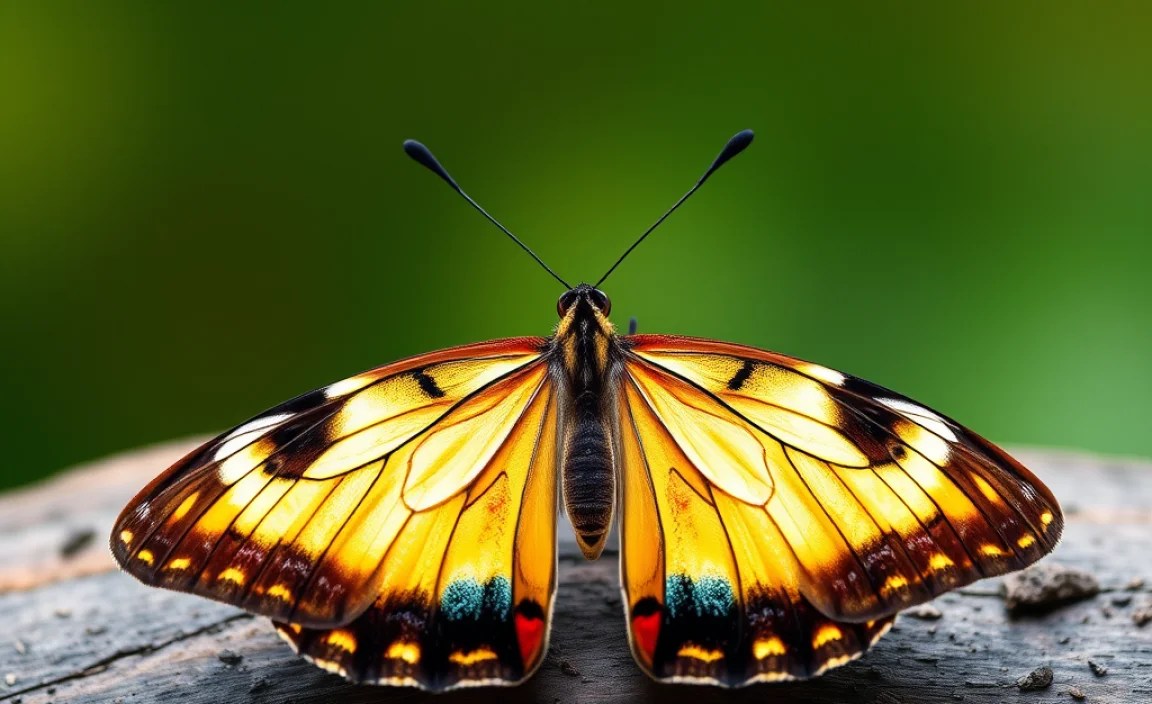
The Comoros archipelago, located in the Indian Ocean, is a biodiversity hotspot, teeming with unique flora and fauna. Butterflies, with their vibrant colors and delicate wings, are an integral part of this ecosystem. Studying them helps us understand the health of the environment and the impact of climate change and habitat loss.
As a naturalist, I’ve always been drawn to the incredible diversity of butterflies. In Comoros, these insects play a crucial role in pollination and serve as indicators of environmental well-being. By learning to identify them, we can contribute to their conservation and ensure that future generations can enjoy their beauty.
Identifying Butterflies of Comoros: A Step-by-Step Guide

Identifying butterflies can seem daunting at first, but with a systematic approach, it becomes an enjoyable and rewarding experience. Here’s a step-by-step guide to help you get started:
Step 1: Observe the Butterfly’s Size and Shape
Butterflies come in various sizes and shapes. Start by noting the approximate wingspan and overall body structure. Is it a large butterfly with broad wings, or a small one with delicate wings?
- Large Butterflies: Often have a wingspan of 4 inches or more.
- Medium Butterflies: Typically have a wingspan between 2 and 4 inches.
- Small Butterflies: Usually have a wingspan of less than 2 inches.
Step 2: Examine the Wing Patterns and Colors
The patterns and colors on a butterfly’s wings are crucial for identification. Pay close attention to the arrangement of spots, stripes, and other markings. Note the dominant colors and any unique features.
Here are some common wing patterns to look for:
- Spots: Round or oval markings that can be arranged in rows or scattered randomly.
- Stripes: Linear markings that run across the wings, either vertically or horizontally.
- Eyespots: Circular markings that resemble eyes, often used to startle predators.
- Bands: Broad, colored areas that extend across the wings.
Step 3: Identify the Butterfly’s Family
Butterflies are classified into several families, each with distinct characteristics. Knowing the family can narrow down your identification process. Here are some of the major butterfly families found in Comoros:
- Nymphalidae (Brush-footed Butterflies): These butterflies often have reduced front legs, giving them the appearance of only having four legs. They are typically medium to large in size and have vibrant colors.
- Papilionidae (Swallowtail Butterflies): Known for their elegant tails on the hindwings, these butterflies are usually large and brightly colored.
- Pieridae (Whites and Yellows): As the name suggests, these butterflies are predominantly white or yellow, with black markings.
- Lycaenidae (Blues, Coppers, and Hairstreaks): These small butterflies are often brightly colored, with metallic or iridescent hues.
Step 4: Note the Butterfly’s Behavior and Habitat
A butterfly’s behavior and habitat can provide valuable clues for identification. Where did you find the butterfly? What was it doing? Was it feeding on a particular flower, basking in the sun, or flying near a specific type of vegetation?
Common habitats for Comoros butterflies include:
- Forests: Many butterfly species thrive in the shaded environment of forests.
- Gardens: Cultivated gardens with flowering plants attract a variety of butterflies.
- Grasslands: Open grasslands provide habitat for butterflies that feed on grasses and wildflowers.
- Coastal Areas: Some butterflies are adapted to the unique conditions of coastal habitats.
Step 5: Use Field Guides and Online Resources
Field guides and online resources are invaluable tools for butterfly identification. These resources typically include detailed descriptions and photographs of various butterfly species, as well as information on their distribution, habitat, and behavior.
Here are some recommended resources:
- Field Guides: Look for regional field guides that focus on the butterflies of East Africa or the Indian Ocean islands.
- Online Databases: Websites like iNaturalist and Butterfly Conservation offer extensive databases of butterfly species, with photos and information contributed by experts and enthusiasts.
- Butterfly Identification Apps: Several mobile apps are available that can help you identify butterflies based on photos or descriptions.
Step 6: Consult with Experts
If you’re still unsure about the identity of a butterfly, don’t hesitate to consult with experts. Local naturalists, entomologists, or butterfly enthusiasts can often provide valuable insights and help you confirm your identification.
You can connect with experts through:
- Local Nature Clubs: Join a local nature club or butterfly watching group to learn from experienced members.
- University Entomology Departments: Contact the entomology department at a local university for expert advice.
- Online Forums: Participate in online forums and communities dedicated to butterfly identification and conservation.
Common Butterflies of Comoros: A Closer Look

Now that you know how to identify butterflies, let’s take a closer look at some of the common species found in the Comoros Islands.
1. African Monarch (Danaus chrysippus)
The African Monarch is a medium-sized butterfly with bright orange wings and black borders. It is similar in appearance to the Monarch butterfly of North America, but slightly smaller. It is a common sight in gardens and open areas, feeding on nectar from various flowers.
Key Features:
- Wingspan: 2.5 – 3 inches
- Color: Bright orange with black borders and white spots
- Habitat: Gardens, open areas
2. Citrus Swallowtail (Papilio demodocus)
The Citrus Swallowtail is a large, striking butterfly with black and yellow wings. It is commonly found in citrus orchards, where its caterpillars feed on the leaves of citrus trees. It is also attracted to gardens with flowering plants.
Key Features:
- Wingspan: 3 – 4 inches
- Color: Black with yellow bands and spots
- Habitat: Citrus orchards, gardens
3. Common Grass Yellow (Eurema hecabe)
The Common Grass Yellow is a small, bright yellow butterfly that is common in grasslands and open areas. It is often seen flitting among grasses and wildflowers, feeding on nectar. It is a fast flier and can be difficult to approach.
Key Features:
- Wingspan: 1.5 – 2 inches
- Color: Bright yellow with black borders
- Habitat: Grasslands, open areas
4. Blue Pansy (Junonia orithya)
The Blue Pansy is a medium-sized butterfly with striking blue and brown wings. It is found in a variety of habitats, including gardens, forests, and open areas. It is known for its territorial behavior, often seen defending its patch from other butterflies.
Key Features:
- Wingspan: 2 – 2.5 inches
- Color: Blue and brown with eyespots
- Habitat: Gardens, forests, open areas
5. Diadem (Hypolimnas misippus)
The Diadem is a medium-sized butterfly known for its mimicry. The female mimics the African Monarch, while the male has a distinct black and white pattern. It is found in a variety of habitats and is often seen in gardens and open areas.
Key Features:
- Wingspan: 2.5 – 3 inches
- Color: Female mimics African Monarch, male black and white
- Habitat: Gardens, open areas
Butterfly Habitats in Comoros

The Comoros archipelago offers a diverse range of habitats that support a rich variety of butterfly species. Understanding these habitats is crucial for butterfly conservation.
Forests
The dense forests of Comoros provide shelter and food for many butterfly species. These forests are home to a variety of trees and plants that serve as host plants for butterfly caterpillars and nectar sources for adult butterflies.
Gardens
Cultivated gardens with flowering plants are havens for butterflies. Gardens provide a reliable source of nectar and host plants, attracting a variety of species. Planting butterfly-friendly flowers can significantly increase the number of butterflies in your garden.
Grasslands
Open grasslands are home to butterflies that feed on grasses and wildflowers. These areas provide ample sunlight and space for butterflies to fly and breed.
Coastal Areas
Coastal areas, with their unique vegetation and microclimates, support specialized butterfly species. These butterflies are adapted to the salty air and sandy soils of the coastal environment.
Attracting Butterflies to Your Garden
Creating a butterfly-friendly garden is a rewarding way to support butterfly conservation and enjoy their beauty up close. Here are some tips for attracting butterflies to your garden:
- Plant Nectar-Rich Flowers: Choose a variety of flowering plants that provide nectar throughout the butterfly season. Native plants are often the best choice, as they are adapted to the local climate and provide the most suitable food for butterflies.
- Provide Host Plants: Plant host plants that butterfly caterpillars can feed on. Research which plants are preferred by the butterfly species in your area and include them in your garden.
- Offer a Water Source: Butterflies need water to stay hydrated. Provide a shallow dish of water with pebbles or stones for them to land on.
- Avoid Pesticides: Pesticides can harm or kill butterflies and other beneficial insects. Use natural pest control methods instead.
- Provide Shelter: Butterflies need shelter from wind and rain. Plant shrubs and trees to provide a protected environment.
- Create a Sunning Spot: Butterflies need sunlight to warm their bodies. Provide a sunny spot with rocks or paving stones where they can bask in the sun.
Butterfly Conservation in Comoros
Butterfly populations are declining worldwide due to habitat loss, climate change, and pesticide use. Conservation efforts are essential to protect these delicate creatures and ensure their survival.
Habitat Preservation
Protecting and restoring butterfly habitats is crucial for their conservation. This includes preserving forests, grasslands, and other natural areas, as well as creating butterfly-friendly gardens and green spaces in urban areas.
Sustainable Agriculture
Promoting sustainable agricultural practices that minimize pesticide use and protect natural habitats is essential for butterfly conservation. This includes using organic farming methods, crop rotation, and integrated pest management.
Education and Awareness
Raising awareness about the importance of butterflies and the threats they face is crucial for inspiring conservation action. This can be done through educational programs, workshops, and outreach events.
Citizen Science
Citizen science projects, such as butterfly monitoring programs, can provide valuable data on butterfly populations and their distribution. These projects engage volunteers in collecting data that is used by scientists to track butterfly populations and assess the impact of conservation efforts.
Table of Common Comoros Butterflies
| Species | Wingspan | Color | Habitat |
|---|---|---|---|
| African Monarch (Danaus chrysippus) | 2.5 – 3 inches | Bright orange with black borders | Gardens, open areas |
| Citrus Swallowtail (Papilio demodocus) | 3 – 4 inches | Black with yellow bands | Citrus orchards, gardens |
| Common Grass Yellow (Eurema hecabe) | 1.5 – 2 inches | Bright yellow with black borders | Grasslands, open areas |
| Blue Pansy (Junonia orithya) | 2 – 2.5 inches | Blue and brown with eyespots | Gardens, forests, open areas |
| Diadem (Hypolimnas misippus) | 2.5 – 3 inches | Female mimics African Monarch, male black and white | Gardens, open areas |
Table of Butterfly Families and Characteristics
| Family | Common Name | Characteristics |
|---|---|---|
| Nymphalidae | Brush-footed Butterflies | Reduced front legs, medium to large size, vibrant colors |
| Papilionidae | Swallowtail Butterflies | Tails on hindwings, large size, bright colors |
| Pieridae | Whites and Yellows | Predominantly white or yellow, black markings |
| Lycaenidae | Blues, Coppers, and Hairstreaks | Small size, bright colors, metallic or iridescent hues |
Frequently Asked Questions (FAQs)
1. What is the best time of year to see butterflies in Comoros?
The best time to see butterflies in Comoros is during the rainy season (November to April), when vegetation is lush and flowering plants are abundant. However, butterflies can be seen year-round in suitable habitats.
2. How can I attract more butterflies to my garden?
To attract more butterflies to your garden, plant nectar-rich flowers, provide host plants for caterpillars, offer a water source, avoid pesticides, and provide shelter from wind and rain.
3. Are there any endangered butterfly species in Comoros?
While specific data on endangered butterfly species in Comoros may be limited, habitat loss and degradation pose a threat to many butterfly populations. Conservation efforts are needed to protect these species and their habitats. You can consult the IUCN Red List for specific endangered species information.
4. What is the difference between a butterfly and a moth?
Butterflies and moths are both members of the order Lepidoptera, but they have several key differences. Butterflies typically have slender bodies, clubbed antennae, and hold their wings upright when at rest. Moths, on the other hand, have thicker bodies, feathery antennae, and usually fold their wings flat when at rest.
5. How long do butterflies live?
The lifespan of a butterfly varies depending on the species. Some butterflies live only a few weeks, while others can live for several months. Factors such as food availability, habitat conditions, and predation can also affect a butterfly’s lifespan.
6. What do butterfly caterpillars eat?
Butterfly caterpillars are herbivores and feed on the leaves of specific host plants. The type of host plant varies depending on the butterfly species. Some caterpillars are highly specialized and will only feed on one type of plant, while others are more generalist feeders.
7. How can I contribute to butterfly conservation in Comoros?
You can contribute to butterfly conservation in Comoros by supporting habitat preservation efforts, promoting sustainable agriculture, raising awareness about the importance of butterflies, and participating in citizen science projects. You can also create a butterfly-friendly garden and avoid using pesticides.
Conclusion
Exploring the butterflies of Comoros is a journey into a world of vibrant colors, delicate beauty, and ecological significance. By learning to identify these fascinating insects, understanding their habitats, and supporting conservation efforts, we can help protect them for future generations. So, grab your field guide, head out into nature, and discover the enchanting world of Comoros butterflies!
Remember, every small action counts. Whether you’re planting a butterfly garden, educating others about butterfly conservation, or supporting organizations working to protect butterfly habitats, you’re making a difference. Let’s work together to ensure that the butterflies of Comoros continue to thrive and inspire us with their beauty and grace.


