
Butterflies of Central Amazon: Discover Amazing Beauty

The Central Amazon is home to an astonishing variety of butterflies! To identify them, look for unique wing patterns, colors, and sizes. Some common species include the Blue Morpho, the Zebra Longwing, and various Swallowtails. Observing their behavior and habitat is also key. With practice, you can learn to recognize many of these beautiful creatures.
Ever wondered about the colorful butterflies flitting through the Amazon rainforest? It can be overwhelming trying to identify them all! The Central Amazon is a biodiversity hotspot, meaning it has an incredible number of different butterfly species. But don’t worry, with a few simple tips, you can start recognizing these amazing insects.
This guide will walk you through the steps of identifying butterflies in the Central Amazon. We’ll cover common species, key features to look for, and where to find them. Get ready to explore the fascinating world of Amazonian butterflies!
Why Study Butterflies in the Central Amazon?
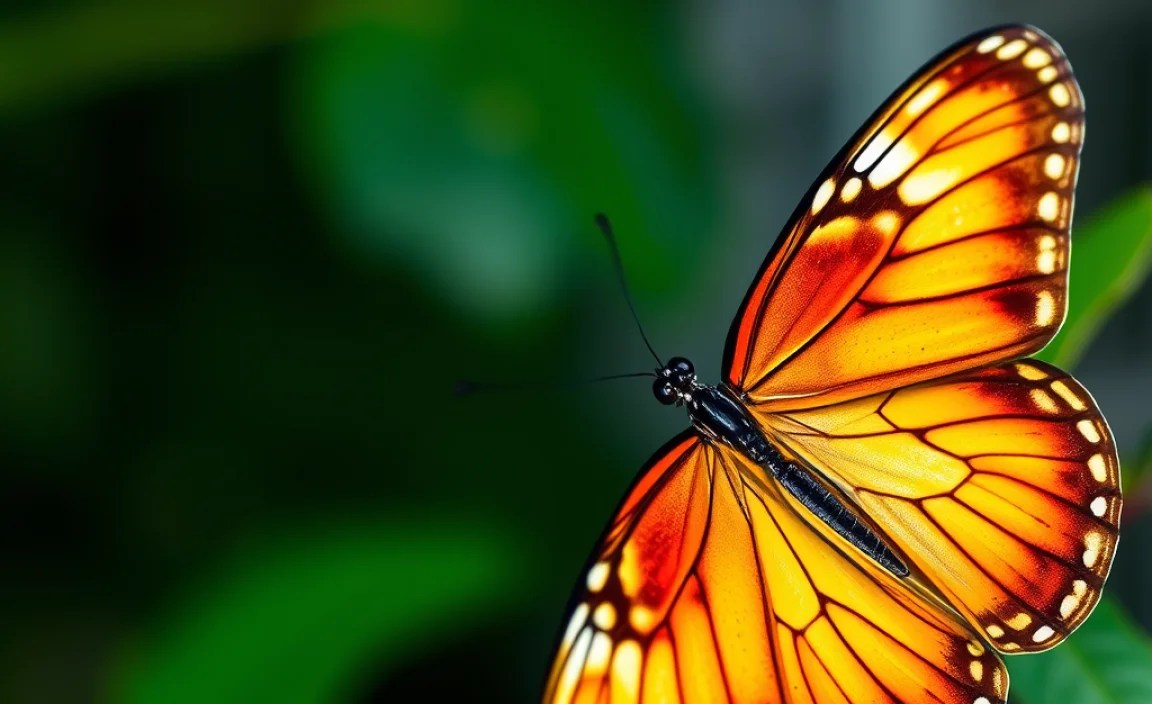
The Central Amazon is a unique place in the world. It’s home to a vast array of plant and animal life, including a staggering number of butterfly species. Studying these butterflies is important for several reasons:
- Biodiversity: The Amazon rainforest is one of the most biodiverse regions on Earth. Butterflies are an important part of this ecosystem.
- Ecological Indicators: Butterflies are sensitive to environmental changes. Their presence or absence can indicate the health of the rainforest.
- Conservation: Understanding the butterfly species in the Amazon helps us protect them and their habitat.
- Beauty and Inspiration: Butterflies are simply beautiful creatures! Their colors and patterns inspire artists, scientists, and nature lovers alike.
Getting Started: What You’ll Need

Before you head into the rainforest (or even just your backyard), it’s helpful to have a few tools and resources:
- Butterfly Field Guide: A good field guide specific to South America or the Amazon region is essential. Look for one with detailed descriptions and pictures.
- Binoculars: A pair of binoculars will help you get a closer look at butterflies without disturbing them.
- Camera: A camera is useful for taking pictures of butterflies you can’t identify immediately.
- Notebook and Pen: Keep a notebook to record your observations, including location, date, time, and any unique features you notice.
- Comfortable Clothing: Wear lightweight, breathable clothing that covers your skin to protect against insects and the sun.
- Insect Repellent: Mosquitoes and other biting insects can be common in the Amazon, so bring insect repellent.
Step 1: Observe the Butterfly’s Size and Shape
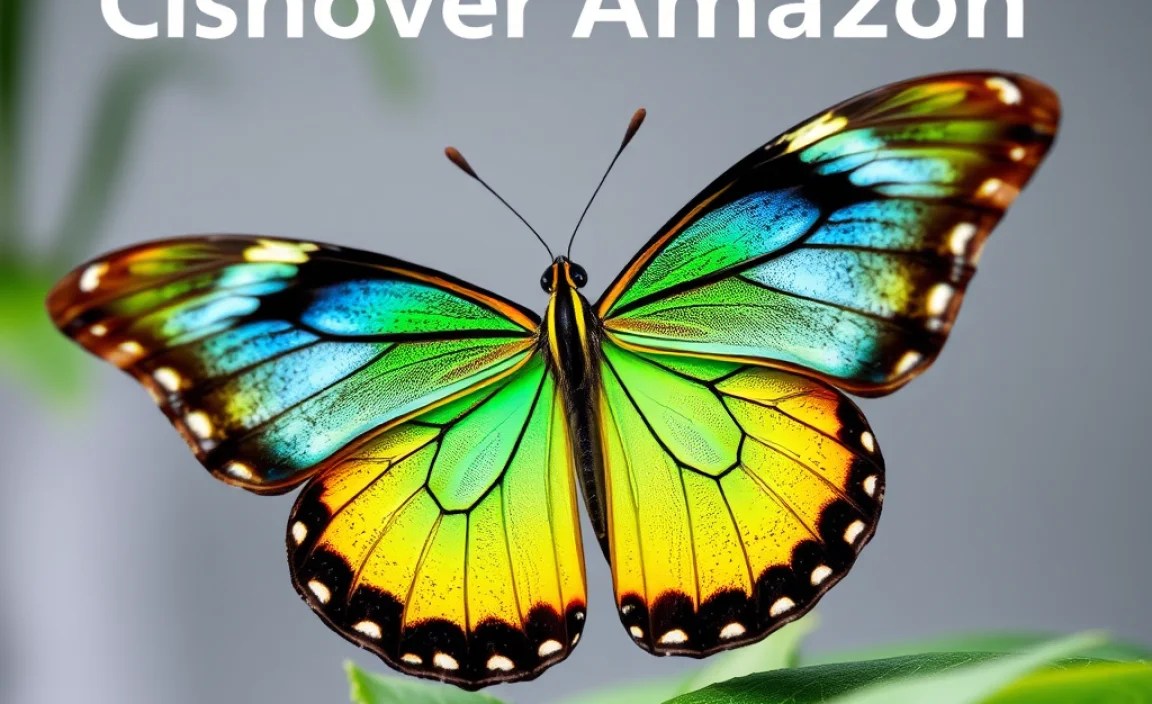
The first step in identifying a butterfly is to note its size and shape. Butterflies come in a wide range of sizes, from tiny skippers to large swallowtails. Pay attention to the following:
- Wingspan: Estimate the distance from the tip of one wing to the tip of the other.
- Wing Shape: Are the wings rounded, pointed, or elongated? Do they have tails or other distinctive features?
- Body Shape: Is the body slender or stout? Note the color and any markings on the body.
Step 2: Examine the Wing Color and Patterns

The color and pattern of a butterfly’s wings are often the most distinctive features. Look closely at the following:
- Base Color: What is the dominant color of the wings?
- Patterns: Are there spots, stripes, bands, or other patterns on the wings? Describe the colors and arrangement of these patterns.
- Eyespots: Some butterflies have eyespots on their wings, which can help deter predators. Note the size, shape, and location of any eyespots.
- Iridescence: Some butterflies have iridescent wings that change color depending on the angle of light.
Step 3: Consider the Butterfly’s Behavior and Habitat
A butterfly’s behavior and habitat can also provide clues to its identity. Observe the following:
- Flight Pattern: Does the butterfly fly quickly or slowly? Does it flutter or glide?
- Feeding Habits: What is the butterfly feeding on? Nectar from flowers? Sap from trees?
- Habitat: Where did you find the butterfly? In a forest, a meadow, or near a river?
- Time of Day: Is the butterfly active during the day or at dusk?
Step 4: Common Butterfly Families in the Central Amazon
Understanding the different butterfly families can help narrow down your search. Here are some of the most common families found in the Central Amazon:
Nymphalidae (Brush-footed Butterflies)
This is one of the largest butterfly families, and it includes many familiar species. Brush-footed butterflies are characterized by their reduced front legs, which they use for tasting rather than walking.
- Examples: Morphos, Emperors, Admirals, Fritillaries
- Key Features: Often have bright colors, intricate patterns, and reduced front legs.
Papilionidae (Swallowtail Butterflies)
Swallowtails are large, showy butterflies with distinctive tails on their hindwings. They are often brightly colored and have a strong, gliding flight.
- Examples: Giant Swallowtail, Polydamas Swallowtail
- Key Features: Large size, tails on hindwings, bright colors.
Pieridae (Whites and Sulphurs)
Whites and sulphurs are typically white, yellow, or orange in color. They are often found in open areas and are attracted to flowers.
- Examples: Great Southern White, Cloudless Sulphur
- Key Features: White, yellow, or orange wings, often with black markings.
Lycaenidae (Gossamer-winged Butterflies)
This family includes small, often brightly colored butterflies. Many lycaenids have intricate patterns and iridescent scales.
- Examples: Hairstreaks, Blues, Coppers
- Key Features: Small size, bright colors, often with intricate patterns.
Hesperiidae (Skippers)
Skippers are small, fast-flying butterflies with hooked antennae. They have a distinctive jerky flight pattern.
- Examples: Silver-spotted Skipper, Long-tailed Skipper
- Key Features: Small size, hooked antennae, jerky flight.
Step 5: Identifying Specific Butterfly Species
Now that you know the basics, let’s look at some specific butterfly species you might encounter in the Central Amazon.
The Blue Morpho (Morpho menelaus)
The Blue Morpho is perhaps the most iconic butterfly of the Amazon rainforest. Its iridescent blue wings are truly stunning.
- Size: Wingspan of 5-8 inches.
- Color: Bright iridescent blue on the upper side of the wings, brown with eyespots on the underside.
- Habitat: Tropical rainforests.
- Behavior: Flies high in the canopy, often seen near rivers and streams.
The Zebra Longwing (Heliconius charithonia)
The Zebra Longwing is a striking butterfly with long, narrow wings and black and white stripes.
- Size: Wingspan of 2.5-4 inches.
- Color: Black with white stripes.
- Habitat: Tropical and subtropical forests.
- Behavior: Flies slowly and gracefully, often seen feeding on nectar.
The Glasswing Butterfly (Greta oto)
The Glasswing Butterfly is named for its transparent wings, which make it difficult to see.
- Size: Wingspan of 2-2.5 inches.
- Color: Transparent wings with a dark border.
- Habitat: Tropical rainforests.
- Behavior: Flies slowly and deliberately, often seen in shaded areas.
The Monarch Butterfly (Danaus plexippus)
While primarily known for its migrations in North America, the Monarch can also be found in parts of South America, including the Amazon.
- Size: Wingspan of 3.5-4 inches.
- Color: Orange wings with black veins and a black border with white spots.
- Habitat: Open fields and meadows.
- Behavior: Migratory, often seen in large groups.
The Owl Butterfly (Caligo memnon)
The Owl Butterfly is named for the large eyespots on its hindwings, which resemble the eyes of an owl.
- Size: Wingspan of 5-6.5 inches.
- Color: Brown with large eyespots on the hindwings.
- Habitat: Tropical rainforests.
- Behavior: Flies at dusk and dawn, often seen resting on tree trunks.
Butterfly Identification Table: Key Features
| Species | Size (Wingspan) | Color and Markings | Habitat | Behavior |
|---|---|---|---|---|
| Blue Morpho (Morpho menelaus) | 5-8 inches | Iridescent blue on upper side, brown with eyespots on underside | Tropical rainforests | Flies high in canopy, near rivers |
| Zebra Longwing (Heliconius charithonia) | 2.5-4 inches | Black with white stripes | Tropical and subtropical forests | Slow, graceful flight, feeds on nectar |
| Glasswing Butterfly (Greta oto) | 2-2.5 inches | Transparent wings with dark border | Tropical rainforests | Slow, deliberate flight, in shaded areas |
| Monarch Butterfly (Danaus plexippus) | 3.5-4 inches | Orange wings with black veins and a black border with white spots | Open fields and meadows | Migratory, often seen in large groups |
| Owl Butterfly (Caligo memnon) | 5-6.5 inches | Brown with large eyespots on hindwings | Tropical rainforests | Flies at dusk and dawn, rests on tree trunks |
Step 6: Using Field Guides and Online Resources
Once you’ve gathered as much information as possible about a butterfly, it’s time to consult your field guide or online resources. Here are some helpful tips:
- Compare Photos: Look for photos that match the butterfly you observed. Pay attention to the details of the wing patterns and colors.
- Read Descriptions: Read the descriptions carefully, noting any key features that match your observations.
- Check Range Maps: Make sure the butterfly is known to occur in the Central Amazon.
- Use Online Databases: Websites like iNaturalist and BugGuide.net can help you identify butterflies based on photos and descriptions.
Step 7: Contributing to Citizen Science
Once you become more confident in your butterfly identification skills, you can contribute to citizen science projects. These projects help scientists track butterfly populations and monitor environmental changes.
- iNaturalist: Upload photos of butterflies you’ve identified to iNaturalist.org. Your observations will be used for research and conservation.
- eButterfly: Submit your butterfly sightings to eButterfly.org, a website that tracks butterfly distributions and migrations.
- Local Butterfly Counts: Participate in local butterfly counts organized by nature centers and conservation groups.
Attracting Butterflies to Your Garden
Even if you don’t live in the Amazon rainforest, you can still enjoy butterflies in your own backyard. Here are some tips for attracting butterflies to your garden:
- Plant Nectar Flowers: Butterflies feed on nectar, so plant a variety of nectar-rich flowers. Some good choices include milkweed, butterfly bush, lantana, and zinnias.
- Provide Host Plants: Butterflies lay their eggs on specific host plants, which their caterpillars will feed on. Research which host plants are needed by the butterfly species in your area.
- Offer a Water Source: Butterflies need water, so provide a shallow dish of water with pebbles or sand for them to land on.
- Avoid Pesticides: Pesticides can harm butterflies and other beneficial insects. Use organic gardening methods instead.
- Provide Shelter: Butterflies need shelter from the wind and rain, so plant shrubs and trees in your garden.
The Importance of Butterfly Conservation
Butterflies are an important part of the ecosystem, and they face many threats, including habitat loss, pesticide use, and climate change. Here are some ways you can help protect butterflies:
- Support Conservation Organizations: Donate to organizations that work to protect butterfly habitats.
- Plant Native Plants: Native plants provide food and shelter for butterflies and other wildlife.
- Reduce Pesticide Use: Avoid using pesticides in your garden and support farmers who use sustainable practices.
- Educate Others: Share your knowledge about butterflies with friends, family, and neighbors.
Butterfly Symbolism and Cultural Significance
Butterflies have long been symbols of transformation, beauty, and hope. In many cultures, they are associated with the soul or spirit.
- Transformation: The butterfly’s life cycle, from egg to caterpillar to pupa to butterfly, is a powerful symbol of transformation and rebirth.
- Beauty: Butterflies are admired for their beauty and grace. Their colors and patterns inspire artists and designers.
- Hope: Butterflies are often seen as a symbol of hope and new beginnings.
- Cultural Significance: In some cultures, butterflies are believed to carry messages from the spirit world. In others, they are seen as symbols of good luck.
Frequently Asked Questions (FAQ)
What is the most common butterfly in the Central Amazon?
The Blue Morpho (Morpho menelaus) is one of the most iconic and commonly seen butterflies in the Central Amazon due to its large size and vibrant blue color.
How can I attract butterflies to my garden in a tropical climate?
Plant native nectar-rich flowers like hibiscus, lantana, and passionflower. Also, provide host plants for caterpillars, a shallow water source, and avoid using pesticides.
Are butterflies important to the Amazon rainforest ecosystem?
Yes, butterflies are crucial pollinators and a food source for other animals. They also serve as indicators of environmental health, reflecting the biodiversity and stability of the ecosystem.
What is the best time of year to see butterflies in the Central Amazon?
The dry season (June to November) is often the best time to see butterflies, as there is less rain and more sunshine, which encourages butterfly activity.
How do I distinguish between a butterfly and a moth?
Butterflies typically have slender bodies, clubbed antennae, and hold their wings vertically at rest. Moths usually have thicker bodies, feathery antennae, and rest with their wings spread out.
What should I do if I find an injured butterfly?
Gently move the butterfly to a safe, sheltered area. You can offer it a sugar-water solution (one part sugar to four parts water) on a cotton ball. If the butterfly is severely injured, consult a local wildlife rehabilitator.
Are there any poisonous butterflies in the Central Amazon?
Yes, some butterflies, like those in the Heliconius family, are poisonous. They obtain toxins from the plants they feed on as caterpillars, which makes them unpalatable to predators. Their bright colors serve as a warning.
Conclusion
Identifying butterflies in the Central Amazon can be a rewarding and educational experience. By paying attention to their size, shape, color, behavior, and habitat, you can learn to recognize many different species. Remember to use field guides and online resources to help you along the way. And don’t forget to contribute to citizen science projects to help scientists track butterfly populations and protect their habitats.
As you explore the world of Amazonian butterflies, you’ll gain a deeper appreciation for the beauty and complexity of the natural world. You’ll also become more aware of the importance of protecting these delicate creatures and their habitat for future generations. So grab your binoculars, head out into the rainforest (or your backyard), and start exploring the fascinating world of butterflies!


