
Butterflies of Chittagong Region: Spot Them Easily!

The Chittagong region of Bangladesh is a biodiversity hotspot, home to a stunning variety of butterflies. This guide helps you identify some common species, understand their habitats, and learn how to support these beautiful insects in your own backyard!
Have you ever been mesmerized by the fluttering wings of a butterfly, wondering about its name and life story? The Chittagong region, with its lush greenery and diverse ecosystems, is a haven for these delicate creatures. Identifying them can feel overwhelming, but don’t worry! This guide simplifies the process, helping you spot and appreciate the butterflies around you. We’ll explore common species, their habitats, and how you can create a butterfly-friendly environment. Get ready to unlock the secrets of Chittagong’s butterfly world!
- Exploring the Butterfly Diversity of Chittagong
The Chittagong region is blessed with a rich tapestry of butterfly species, each with its unique colors, patterns, and ecological role. Let’s delve into some of the most commonly observed butterflies and learn how to identify them.
Common Butterfly Species
Here are some of the butterflies you’re most likely to encounter in the Chittagong region:
- Common Mormon (Papilio polytes): A striking butterfly with different forms in females, mimicking poisonous species. Males are typically black with white spots.
- Lime Butterfly (Papilio demoleus): Also known as the Chequered Swallowtail, this butterfly is adaptable and commonly found in gardens and urban areas.
- Plain Tiger (Danaus chrysippus): A bright orange butterfly with black stripes and white spots, often seen migrating in large numbers.
- Common Crow (Euploea core): A dark brown butterfly with white spots along the wing margins, known for its slow, gliding flight.
- Chocolate Pansy (Junonia iphita): A beautiful butterfly with intricate patterns of brown, black, and orange, resembling a pansy flower.
- Pea Blue (Lampides boeticus): A small, delicate butterfly with iridescent blue wings, often found near legume plants.
- Grass Yellow (Eurema hecabe): A common yellow butterfly found in grassy areas and gardens.
Butterfly Habitats in Chittagong
Butterflies thrive in diverse habitats, each offering specific resources and conditions. Understanding these habitats can help you locate and identify different species.
- Forests: The lush forests of Chittagong provide shelter and food for many butterfly species. Look for butterflies along forest edges and clearings.
- Gardens: Gardens with a variety of flowering plants are magnets for butterflies. Include native plants to attract local species.
- Grasslands: Open grasslands support butterflies that feed on grasses and wildflowers.
- Wetlands: Wetlands and riparian areas provide moisture and host plants for certain butterfly species.
Identifying Butterflies: A Step-by-Step Guide
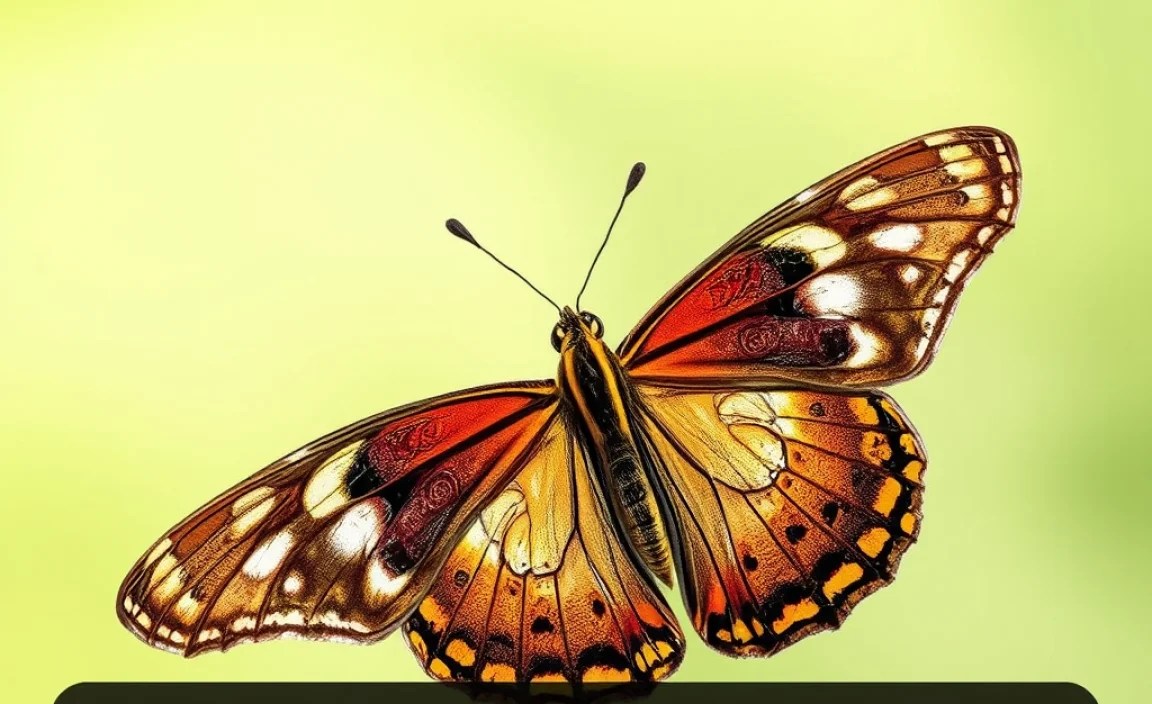
Identifying butterflies can be a rewarding experience. Here’s a simple guide to help you get started:
Step 1: Observe the Butterfly’s Size and Shape
Note the overall size of the butterfly – is it small, medium, or large? Pay attention to the shape of its wings – are they rounded, angular, or swallow-tailed?
Step 2: Examine the Wing Color and Pattern
The color and pattern of a butterfly’s wings are key identification features. Note the dominant colors, any spots, stripes, or bands, and the overall design.
Step 3: Consider the Butterfly’s Behavior
Observe how the butterfly flies and where it feeds. Some butterflies have a distinctive flight pattern or prefer specific flowers.
Step 4: Use a Field Guide or Online Resources
A field guide or online resource with butterfly images and descriptions can be invaluable. Compare your observations with the information provided to identify the species.
Step 5: Note the Location and Habitat
Knowing the location and habitat where you saw the butterfly can narrow down the possibilities. Certain species are more common in specific areas and habitats.
Step 6: Take a Photograph (If Possible)
A photograph can be helpful for later identification. Capture clear images of the butterfly’s upper and lower wings, if possible.
Butterfly Identification Table
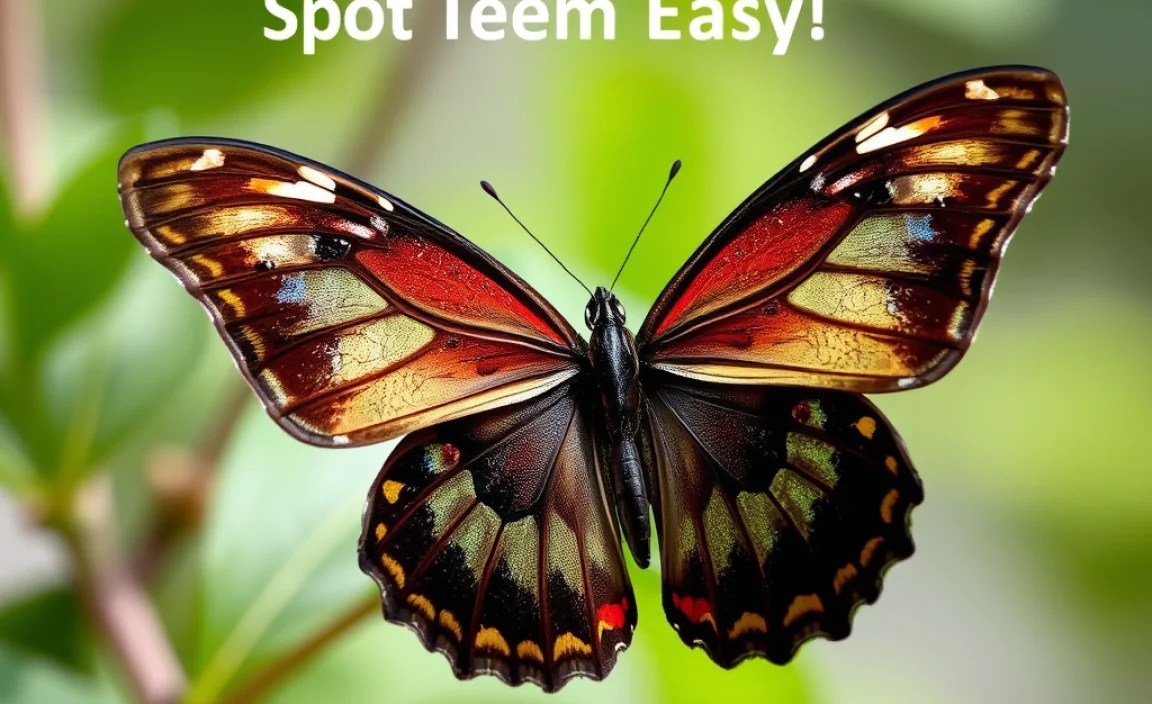
This table provides a quick reference guide to some common butterflies in the Chittagong region, helping you identify them based on key characteristics:
| Butterfly Species | Size | Wing Color and Pattern | Habitat |
|---|---|---|---|
| Common Mormon (Papilio polytes) | Medium to Large | Males: Black with white spots; Females: Variable, mimicking poisonous species | Gardens, forests |
| Lime Butterfly (Papilio demoleus) | Medium | Black and yellow with checkered pattern | Gardens, urban areas |
| Plain Tiger (Danaus chrysippus) | Medium | Bright orange with black stripes and white spots | Open areas, grasslands |
| Common Crow (Euploea core) | Medium | Dark brown with white spots along wing margins | Forests, gardens |
| Chocolate Pansy (Junonia iphita) | Medium | Intricate patterns of brown, black, and orange | Forests, shaded areas |
| Pea Blue (Lampides boeticus) | Small | Iridescent blue wings | Gardens, near legume plants |
| Grass Yellow (Eurema hecabe) | Small | Yellow | Grassy areas, gardens |
Attracting Butterflies to Your Garden

Creating a butterfly-friendly garden is a wonderful way to support these beautiful creatures and enjoy their presence up close. Here’s how to make your garden a butterfly haven:
Plant Butterfly-Friendly Flowers
Choose a variety of flowering plants that provide nectar for adult butterflies. Native plants are often the best choice, as they are adapted to the local climate and attract local butterfly species. Some excellent choices include:
- Zinnias: These colorful flowers are easy to grow and attract a wide range of butterflies.
- Marigolds: Another easy-to-grow option that provides nectar throughout the season.
- Milkweed: The host plant for monarch butterflies, milkweed is essential for their survival. (Source: U.S. Fish & Wildlife Service)
- Lantana: A vibrant flowering shrub that attracts many butterfly species.
- Butterfly Bush (Buddleja davidii): As the name suggests, this shrub is a butterfly magnet.
- Cosmos: These daisy-like flowers come in a variety of colors and attract butterflies and other pollinators.
Provide Host Plants for Caterpillars
Butterflies lay their eggs on specific host plants that caterpillars feed on. Research which butterfly species are common in your area and plant their host plants. Some examples include:
- Lime Tree (Citrus aurantifolia): Host plant for the Lime Butterfly.
- Curry Leaf Plant (Murraya koenigii): Host plant for the Common Mormon.
- Crotalaria species: Host plants for the Plain Tiger.
Provide a Water Source
Butterflies need water, but they can’t drink from deep puddles. Provide a shallow dish with pebbles or sand, and keep it filled with water. The butterflies will land on the pebbles to drink.
Provide Shelter
Butterflies need shelter from wind and rain. Plant shrubs and trees to provide a protected environment.
Avoid Pesticides
Pesticides can harm or kill butterflies and other beneficial insects. Avoid using pesticides in your garden, or choose organic options that are less harmful.
Provide a Sunny Spot
Butterflies are cold-blooded and need sunlight to warm their bodies. Provide a sunny spot in your garden where they can bask.
The Ecological Importance of Butterflies

Butterflies play a vital role in the ecosystem. They are pollinators, helping to transfer pollen from flower to flower, which is essential for plant reproduction. They also serve as a food source for birds, lizards, and other animals. By supporting butterflies, you are contributing to a healthy and balanced ecosystem.
Pollination
Butterflies are important pollinators, contributing to the reproduction of many plant species. As they feed on nectar, they transfer pollen from flower to flower, enabling plants to produce seeds and fruits. This pollination is crucial for maintaining biodiversity and supporting agricultural crops. (Source: US Forest Service)
Food Source
Butterflies and their caterpillars are an important food source for many animals. Birds, lizards, frogs, and other insects rely on butterflies as a source of protein and energy. By supporting butterfly populations, you are also supporting the animals that depend on them.
Indicator Species
Butterflies are sensitive to changes in their environment, making them valuable indicator species. Their presence or absence can indicate the health of an ecosystem. Monitoring butterfly populations can help scientists and conservationists assess the impact of habitat loss, climate change, and pollution.
Threats to Butterflies in Chittagong

Despite their beauty and ecological importance, butterflies face numerous threats in the Chittagong region and around the world.
Habitat Loss
The biggest threat to butterflies is habitat loss. As forests, grasslands, and wetlands are converted to agricultural land, urban areas, and industrial sites, butterflies lose their homes and food sources.
Pesticide Use
Pesticides can harm or kill butterflies and their caterpillars. Even pesticides that are not directly toxic to butterflies can have indirect effects by killing their host plants or reducing their food supply.
Climate Change
Climate change is altering butterfly habitats and disrupting their life cycles. Changes in temperature and rainfall patterns can affect the availability of food and water, and can also lead to shifts in butterfly distribution.
Pollution
Air and water pollution can harm butterflies and their host plants. Pollution can also alter the chemistry of the soil, making it difficult for plants to grow.
How to Protect Butterflies
There are many things you can do to help protect butterflies in the Chittagong region and beyond.
Support Conservation Organizations
Donate to or volunteer with conservation organizations that are working to protect butterfly habitats and promote sustainable land management practices.
Create Butterfly-Friendly Habitats
Plant butterfly-friendly flowers and host plants in your garden, and avoid using pesticides. Provide a water source and shelter for butterflies.
Educate Others
Share your knowledge and passion for butterflies with others. Educate your friends, family, and community about the importance of butterflies and the threats they face.
Advocate for Change
Support policies and regulations that protect butterfly habitats and promote sustainable land use. Contact your elected officials and let them know that you care about butterfly conservation.
Butterfly Symbolism and Cultural Significance
Butterflies have captivated humans for centuries, inspiring art, literature, and mythology. They are often seen as symbols of transformation, hope, and beauty.
Transformation and Rebirth
The butterfly’s life cycle, from egg to caterpillar to pupa to adult, is a powerful metaphor for transformation and rebirth. The butterfly emerges from its chrysalis a completely different creature, symbolizing the potential for change and growth in our own lives.
Hope and Joy
Butterflies are often associated with hope and joy. Their delicate beauty and graceful flight can bring a sense of wonder and delight.
Souls and Spirits
In some cultures, butterflies are believed to represent the souls of the departed. They are seen as messengers between the earthly and spiritual realms.
Cultural Significance in Bangladesh
In Bangladesh, butterflies are often seen as symbols of beauty and freedom. They are featured in art, literature, and folklore, and are often associated with good luck and prosperity.
Conclusion
The butterflies of the Chittagong region are a precious natural treasure. By learning to identify them, understanding their habitats, and taking steps to protect them, we can help ensure that these beautiful creatures continue to thrive for generations to come. So, step outside, explore your surroundings, and let the magic of butterflies inspire you to become a champion for conservation.
Frequently Asked Questions About Butterflies in Chittagong
- What is the best time to see butterflies in Chittagong?
- The peak butterfly season in Chittagong is generally during the warmer months, from late spring to early autumn (March to October). You’ll find more butterfly activity on sunny days.
- Where are the best places to spot butterflies in the Chittagong region?
- Look for butterflies in gardens, forest edges, and areas with plenty of flowering plants. Parks and botanical gardens are also great places to start.
- How can I attract more butterflies to my garden?
- Plant butterfly-friendly flowers like zinnias, marigolds, and milkweed. Provide a water source, like a shallow dish with pebbles, and avoid using pesticides.
- Are there any endangered butterfly species in Chittagong?
- Yes, habitat loss and climate change threaten several butterfly species. Supporting conservation efforts and creating butterfly-friendly habitats can help protect them.
- What do butterflies eat?
- Adult butterflies primarily feed on nectar from flowers. Caterpillars, on the other hand, eat leaves of specific host plants.
- How long do butterflies live?
- Butterfly lifespans vary greatly depending on the species. Some may only live for a few weeks, while others can live for several months.
- What is the difference between a butterfly and a moth?
- Butterflies are typically active during the day, have thin antennae with clubbed tips, and hold their wings vertically when at rest. Moths are often nocturnal, have feathery antennae, and usually rest with their wings spread out.


