
Butterflies of Canada: Identify These Colorful Wonders!

The butterflies of Canada are diverse and beautiful! From the iconic Monarch to the elusive Western Tailed-Blue, approximately 303 species and subspecies dance across Canadian landscapes. This article will help you identify common types, understand their habitats, and discover how to attract these winged wonders to your own backyard.
Have you ever wondered about the vibrant butterflies fluttering through your garden or across a meadow? Canada is home to a stunning array of these delicate insects, each with its own unique beauty and life story. Identifying them can feel overwhelming, and knowing how to support them even more so. But don’t worry! This guide breaks down the essentials.
We’ll explore some of the most common and captivating Canadian butterflies, their habitats, and the best ways to create a butterfly-friendly environment. Get ready to discover the fascinating world of Canadian butterflies!
Butterflies of Canada: An Overview

Canada’s vast and varied landscapes provide habitats for a wide range of butterfly species. From the forests of British Columbia to the prairies of Manitoba and the shores of Newfoundland, butterflies play a crucial role in the ecosystem as pollinators and indicators of environmental health.
Butterfly Habitats in Canada
Different regions of Canada support different butterfly communities. Here’s a quick look at some key habitats:
- Forests: Home to species like the White Admiral and various Swallowtails.
- Prairies: A haven for Monarchs, Viceroys, and various Skippers.
- Alpine Regions: Supporting unique species adapted to high altitudes, such as the Arctic Blue.
- Gardens and Urban Areas: Providing nectar sources for a variety of butterflies, including Painted Ladies and Cabbage Whites.
Identifying Common Canadian Butterflies
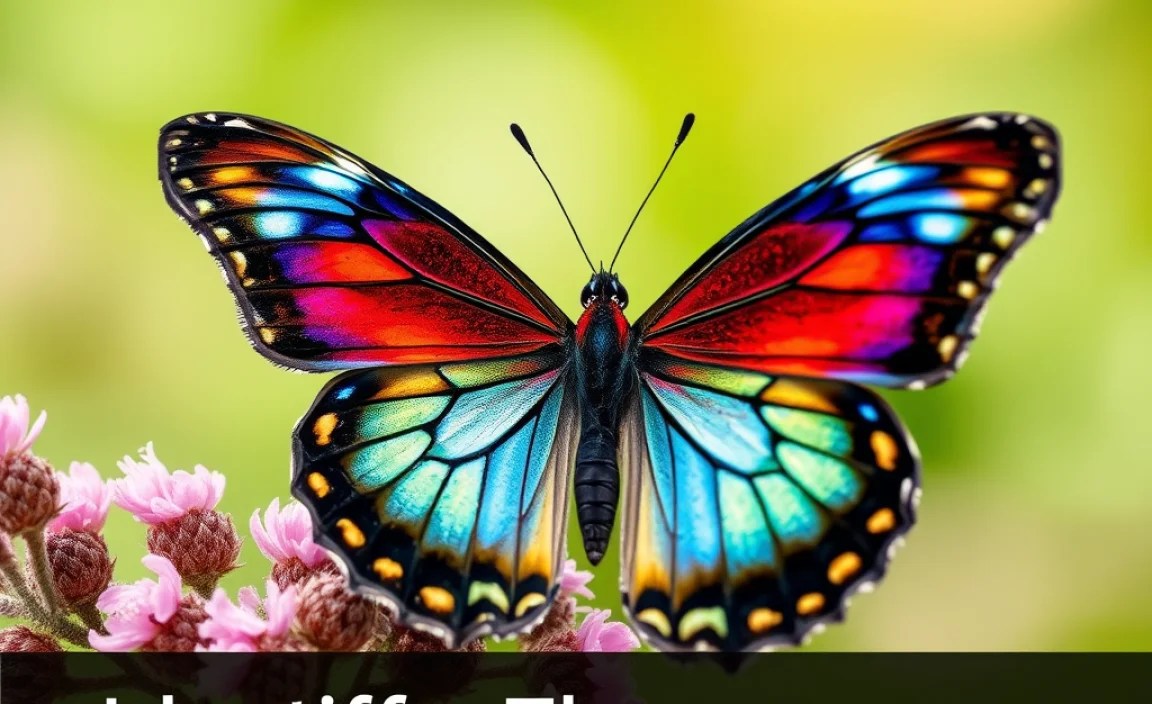
Let’s explore some of the most frequently seen butterflies in Canada, along with their key characteristics:
Monarch (Danaus plexippus)
The Monarch is perhaps the most recognizable butterfly in North America, known for its incredible migration.
- Appearance: Bright orange wings with black veins and a black border containing white spots.
- Habitat: Open fields, meadows, and gardens with milkweed (the Monarch caterpillar’s only food source).
- Range: Found across southern Canada during the summer months.
Viceroy (Limenitis archippus)
The Viceroy is a Monarch look-alike, employing mimicry for protection.
- Appearance: Similar to the Monarch but with a black line across the hindwing.
- Habitat: Wetlands, forests, and open areas.
- Range: Southern Canada, often found in the same areas as Monarchs.
Canadian Tiger Swallowtail (Papilio canadensis)
A large and striking butterfly with a distinctive pattern.
- Appearance: Yellow wings with black tiger stripes and blue and orange spots on the hindwings.
- Habitat: Forests, woodlands, and gardens.
- Range: Found across Canada, except for the far north.
Mourning Cloak (Nymphalis antiopa)
One of the longest-lived butterflies, often seen in early spring.
- Appearance: Dark brown wings with a pale yellow border and blue spots.
- Habitat: Forests, parks, and gardens.
- Range: Found throughout Canada.
Painted Lady (Vanessa cardui)
A widely distributed butterfly known for its migratory habits.
- Appearance: Orange and brown wings with black spots and white markings.
- Habitat: Open areas, gardens, and disturbed habitats.
- Range: Found across Canada.
Cabbage White (Pieris rapae)
A common and often unwelcome visitor to gardens.
- Appearance: White wings with black spots.
- Habitat: Gardens, fields, and disturbed areas.
- Range: Found throughout Canada.
Little Yellow (Eurema lisa)
A dainty, bright yellow butterfly.
- Appearance: Small, yellow wings with black borders.
- Habitat: Open fields, roadsides, and gardens.
- Range: Southern Canada.
Spring Azure (Celastrina ladon)
A small, delicate blue butterfly often seen in spring.
- Appearance: Pale blue wings, sometimes with a silvery sheen.
- Habitat: Woodlands, forests, and gardens.
- Range: Found throughout Canada.
Aphrodite Fritillary (Speyeria aphrodite)
A beautiful orange butterfly with intricate patterns.
- Appearance: Orange wings with black markings and silver spots on the underside.
- Habitat: Open fields, meadows, and forest edges.
- Range: Found across southern Canada.
Two-spotted Skipper (Euphyes bimacula)
A small, fast-flying butterfly with a distinctive appearance.
- Appearance: Brown wings with two prominent white spots.
- Habitat: Wetlands, marshes, and wet meadows.
- Range: Found in eastern and central Canada.
Butterfly Identification Table
Here is a quick reference table to help you identify some common Canadian butterflies:
| Butterfly | Appearance | Habitat | Range |
|---|---|---|---|
| Monarch | Orange with black veins and white spots | Open fields, milkweed | Southern Canada |
| Viceroy | Orange with black line on hindwing | Wetlands, forests | Southern Canada |
| Canadian Tiger Swallowtail | Yellow with black stripes | Forests, gardens | Across Canada |
| Mourning Cloak | Dark brown with yellow border | Forests, parks | Across Canada |
| Painted Lady | Orange and brown with black spots | Open areas, gardens | Across Canada |
Attracting Butterflies to Your Garden

Creating a butterfly-friendly garden is a rewarding way to support these beautiful creatures and enjoy their presence up close. Here’s how:
1. Plant Nectar-Rich Flowers
Butterflies need nectar for energy. Choose a variety of flowers that bloom at different times of the year to provide a continuous food source.
- Good Choices: Butterfly bush, coneflowers, zinnias, asters, and bee balm.
- Native Plants: Prioritize native plants, as they are often best suited to local butterfly species.
2. Provide Host Plants for Caterpillars
Butterflies lay their eggs on specific host plants that the caterpillars will feed on.
- Monarchs: Milkweed (the only food source for Monarch caterpillars).
- Swallowtails: Dill, parsley, and fennel.
- Painted Ladies: Thistles and mallows.
3. Create a Water Source
Butterflies need water, but they can’t drink from open water sources.
- Puddling Dish: Fill a shallow dish with sand or pebbles and add water to create a “puddling” area.
4. Offer Shelter
Butterflies need protection from wind and predators.
- Shrubs and Trees: Plant shrubs and trees to provide shelter and resting places.
5. Avoid Pesticides
Pesticides can harm or kill butterflies and other beneficial insects.
- Organic Gardening: Use organic gardening practices to protect butterflies and other wildlife.
6. Provide Sunshine
Butterflies are cold-blooded and need sunshine to warm their bodies.
- Sunny Spots: Ensure your garden has plenty of sunny spots where butterflies can bask.
The Butterfly Life Cycle
Understanding the butterfly life cycle can deepen your appreciation for these creatures. The life cycle consists of four stages:
1. Egg
Butterflies lay their eggs on host plants. The eggs can be tiny and come in various shapes and colors.
2. Larva (Caterpillar)
The caterpillar hatches from the egg and spends its time eating and growing. It molts several times as it grows larger.
3. Pupa (Chrysalis)
The caterpillar transforms into a pupa, or chrysalis. Inside the chrysalis, the caterpillar undergoes metamorphosis.
4. Adult Butterfly
The adult butterfly emerges from the chrysalis. It will then fly off to reproduce and continue the cycle.
Butterfly Conservation in Canada
Many butterfly species are facing threats due to habitat loss, climate change, and pesticide use. Here are some ways you can help:
1. Support Butterfly Conservation Organizations
Donate to or volunteer with organizations that work to protect butterflies and their habitats.
- Examples: The David Suzuki Foundation, Nature Conservancy Canada, and local conservation groups.
2. Create Butterfly-Friendly Habitats
Plant native plants and avoid using pesticides in your garden.
3. Educate Others
Share your knowledge about butterflies with friends, family, and neighbors.
4. Participate in Citizen Science Projects
Help scientists monitor butterfly populations by participating in citizen science projects.
- Examples: Butterfly counts and monitoring programs.
Butterfly Symbolism and Cultural Significance
Butterflies have long held symbolic meaning in various cultures around the world.
Transformation and Rebirth
The butterfly’s metamorphosis from caterpillar to butterfly symbolizes transformation, rebirth, and new beginnings.
Hope and Beauty
Butterflies are often seen as symbols of hope, beauty, and joy.
Spirituality
In some cultures, butterflies are believed to be messengers from the spirit world.
Resources for Further Learning
Here are some resources for learning more about butterflies:
Frequently Asked Questions (FAQ)
What is the most common butterfly in Canada?
The Cabbage White is one of the most commonly seen butterflies across Canada, often found in gardens and fields.
How can I attract Monarch butterflies to my garden?
Plant milkweed, the only food source for Monarch caterpillars. Also, provide nectar-rich flowers like zinnias and coneflowers.
Are butterflies important to the environment?
Yes! Butterflies are important pollinators, helping to spread pollen from flower to flower as they feed on nectar.
What do butterfly caterpillars eat?
Caterpillars eat the leaves of specific host plants. For example, Monarch caterpillars eat milkweed leaves.
How long do butterflies live?
The lifespan of a butterfly varies depending on the species. Some butterflies live only a few weeks, while others, like the Mourning Cloak, can live for several months.
What is the best time of year to see butterflies in Canada?
The best time to see butterflies in Canada is during the summer months (June to August), when many species are active and breeding.
Why are butterfly populations declining?
Butterfly populations are declining due to habitat loss, climate change, pesticide use, and other environmental factors. Conservation efforts are essential to protect these important insects.
Conclusion
The butterflies of Canada are a captivating part of our natural heritage. By learning about these beautiful creatures, creating butterfly-friendly habitats, and supporting conservation efforts, we can help ensure that future generations will have the opportunity to enjoy their beauty and ecological importance. So, step outside, explore your surroundings, and marvel at the wonder of Canadian butterflies!


