
Butterflies of Colorado: Your Easy Guide!

Colorado is home to a stunning variety of butterflies! This guide will help you identify some common species, understand their habitats, and learn how to attract these beautiful creatures to your garden. Get ready to discover the colorful world of Colorado butterflies!
Have you ever been mesmerized by the sight of a butterfly fluttering through your garden? Colorado’s diverse landscapes, from its towering mountains to its sprawling plains, provide a home to a remarkable array of these winged jewels. But with so many different species, identifying them can feel like a daunting task. Don’t worry! This guide will walk you through the most common butterflies you’ll find in Colorado, offering tips on where to spot them and how to create a butterfly-friendly haven in your own backyard. Let’s get started on your butterfly adventure!
Identifying Colorado Butterflies
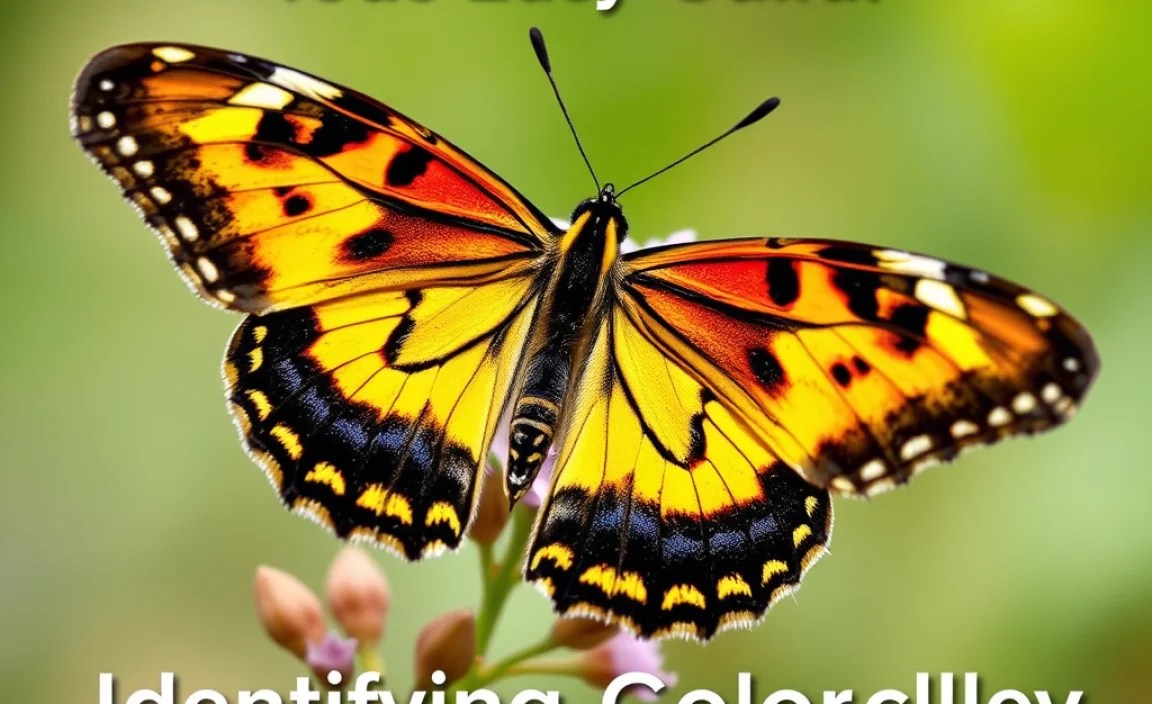
Colorado boasts a rich butterfly population, with over 250 species gracing its skies. From the high alpine meadows to the sun-drenched prairies, these delicate creatures add color and life to the landscape. Let’s explore some of the butterflies you’re most likely to encounter.
Swallowtail Butterflies
Swallowtails are among the largest and most striking butterflies. They are easy to recognize by their characteristic “tails” on their hindwings.
- Two-Tailed Swallowtail (Papilio multicaudata): This beauty is yellow with black tiger stripes and, as the name suggests, two tails on each hindwing. Look for it near canyons and streams.
- Western Tiger Swallowtail (Papilio rutulus): Similar to the Two-Tailed Swallowtail, but it usually has only one tail. It is commonly seen in gardens and open woodlands.
- Anise Swallowtail (Papilio zelicaon): This black and yellow butterfly is often found in open areas with fennel or anise plants, which its caterpillars feed on.
Brush-footed Butterflies
This large family includes many familiar butterflies, known for their reduced front legs, which they use for tasting rather than walking.
- Monarch (Danaus plexippus): The iconic Monarch is famous for its incredible migration. It’s bright orange with black borders and white spots. Sadly, Monarch populations are declining, so any sighting is special.
- Viceroy (Limenitis archippus): Often mistaken for the Monarch, the Viceroy is similar in color but has a black line across its hindwing. This is an example of mimicry, where the Viceroy resembles the toxic Monarch for protection.
- Mourning Cloak (Nymphalis antiopa): One of the first butterflies to emerge in spring, the Mourning Cloak is a dark brown butterfly with a yellow border and blue spots along the edge of its wings.
- Painted Lady (Vanessa cardui): This widespread butterfly is orange and brown with black and white markings. It’s a common visitor to gardens and fields.
Blues, Coppers, and Hairstreaks
These smaller butterflies are often overlooked but are incredibly diverse and beautiful. They get their names from the colors that dominate their wings.
- Silvery Blue (Glaucopsyche lygdamus): As the name suggests, the Silvery Blue is a delicate blue butterfly with silvery markings on its underwings.
- Colorado Hairstreak (Hypaurotis crysalus): This is Colorado’s state butterfly! It is a beautiful butterfly with silver streaks on its hindwings.
- American Copper (Lycaena phlaeas): This small, bright copper-colored butterfly is often seen near fields and meadows.
Skippers
Skippers are small, fast-flying butterflies with hooked antennae. They are often brown or orange and can be tricky to identify.
- Common Checkered-Skipper (Pyrgus communis): This small, mottled black and white skipper is common in gardens and open areas.
- Fiery Skipper (Hylephila phyleus): The males are bright orange, while the females are more brownish.
Where to Find Butterflies in Colorado

Colorado’s diverse habitats offer a variety of locations to spot butterflies. Here are some prime butterfly-watching spots:
- Rocky Mountain National Park: This park offers a wide range of habitats, from alpine meadows to forests, supporting a diverse butterfly population.
- Pawnee National Grassland: This grassland is home to many prairie butterfly species.
- Denver Botanic Gardens: The gardens feature butterfly pavilions and gardens designed to attract butterflies.
- Local Parks and Gardens: Even in urban areas, you can find butterflies in parks and gardens with flowering plants.
Attracting Butterflies to Your Garden

Creating a butterfly garden is a rewarding way to enjoy these beautiful creatures up close and contribute to their conservation. Here’s how to make your garden a butterfly haven:
Plant Host Plants
Host plants are crucial because they provide food for butterfly caterpillars. Different butterfly species have different host plant preferences. Here are some Colorado-specific examples:
- Milkweed (Asclepias spp.): Essential for Monarch caterpillars.
- Fennel (Foeniculum vulgare): Host plant for Anise Swallowtail caterpillars.
- Willows (Salix spp.): Host plant for Two-tailed Swallowtail caterpillars.
- Clovers (Trifolium spp.): Host plant for many Blue butterflies.
Plant Nectar Plants
Nectar plants provide food for adult butterflies. Choose a variety of plants that bloom throughout the growing season to provide a continuous food source.
- Butterfly Bush (Buddleja davidii): A classic butterfly magnet.
- Coneflowers (Echinacea spp.): Provide nectar and seeds for birds.
- Salvia (Salvia spp.): Attracts butterflies and hummingbirds.
- Zinnias (Zinnia spp.): Easy to grow and loved by butterflies.
Provide Water
Butterflies need water, but they can’t drink from open water sources. Create a “puddling” area by filling a shallow dish with sand and water. The butterflies will land on the damp sand to drink.
Offer Shelter
Butterflies need shelter from wind and predators. Plant shrubs and trees to provide resting places. You can also create a butterfly house, though its effectiveness is debated.
Avoid Pesticides
Pesticides are harmful to butterflies and other beneficial insects. Use organic gardening methods to control pests.
Butterfly Life Cycle
Understanding the butterfly life cycle is essential for appreciating these creatures. The life cycle consists of four stages:
- Egg: Butterflies lay their eggs on host plants. The eggs can be tiny and come in various shapes and colors.
- Larva (Caterpillar): The caterpillar hatches from the egg and spends its time eating and growing. It molts its skin several times as it grows.
- Pupa (Chrysalis): The caterpillar transforms into a pupa, also known as a chrysalis. Inside the chrysalis, the caterpillar undergoes a remarkable transformation.
- Adult Butterfly: The adult butterfly emerges from the chrysalis. It flies off to reproduce and lay eggs, starting the cycle again.
Butterfly Migration in Colorado
While not as well-known as the Monarch migration, some butterfly species in Colorado migrate or undertake seasonal movements. Understanding these patterns can help you predict when and where to see certain butterflies.
Monarch Migration
Monarchs east of the Rocky Mountains migrate to Mexico for the winter, while those west of the Rockies overwinter in California. Colorado is on the eastern edge of the Monarch’s range, so you might see them passing through during their migration in late summer and early fall.
Other Migratory Butterflies
Some Painted Ladies and other butterfly species undertake shorter migrations or seasonal movements in response to weather and food availability.
Butterfly Conservation
Butterfly populations are facing numerous threats, including habitat loss, pesticide use, and climate change. Here are some ways you can help conserve butterflies:
- Create Butterfly-Friendly Habitats: Plant host and nectar plants in your garden.
- Avoid Pesticides: Use organic gardening methods.
- Support Conservation Organizations: Donate to or volunteer with organizations that protect butterfly habitats.
- Educate Others: Share your knowledge and passion for butterflies with friends, family, and community members.
Butterfly Photography
Photographing butterflies can be a rewarding way to appreciate their beauty. Here are some tips for capturing stunning butterfly photos:
- Use a Macro Lens: A macro lens will allow you to capture close-up details.
- Shoot in Natural Light: Avoid using flash, which can scare butterflies and create harsh shadows.
- Be Patient: Butterflies are often on the move, so be patient and wait for the right moment.
- Focus on the Eyes: Sharp focus on the butterfly’s eyes will make your photos more engaging.
- Respect Their Space: Avoid disturbing or harming butterflies while photographing them.
Symbolism of Butterflies
Butterflies have been symbols of transformation, hope, and new beginnings in many cultures throughout history. Their metamorphosis from caterpillar to butterfly represents personal growth and spiritual awakening.
- Transformation: The butterfly’s life cycle is a powerful symbol of change and transformation.
- Hope: Butterflies represent hope and the possibility of a brighter future.
- New Beginnings: Seeing a butterfly can be a reminder that new beginnings are always possible.
- Beauty: Butterflies are admired for their beauty and grace.
- Soul: In some cultures, butterflies are believed to represent the human soul.
Colorado’s State Butterfly: The Colorado Hairstreak
The Colorado Hairstreak (Hypaurotis crysalus) holds a special place as the official state insect of Colorado. This beautiful butterfly, with its distinctive silver streaks on its hindwings, is a symbol of the state’s natural beauty and biodiversity.
Identifying the Colorado Hairstreak
The Colorado Hairstreak is a relatively small butterfly, with a wingspan of about 1.25 to 1.5 inches. Its upper wings are a rich mahogany brown, while the undersides are gray with prominent silver streaks. A small orange spot near the tail adds a touch of color to its elegant appearance.
Habitat and Distribution
This butterfly is primarily found in oak woodlands in the foothills and lower montane regions of Colorado. It relies on Gambel oak (Quercus gambelii) as its host plant, as its caterpillars feed exclusively on the leaves of this tree.
Life Cycle
The Colorado Hairstreak has one brood per year. The eggs are laid on Gambel oak twigs in the fall and hatch in the spring. The caterpillars feed on the oak leaves throughout the spring and summer, and the adults emerge in late summer.
Conservation Status
While the Colorado Hairstreak is not currently listed as endangered or threatened, its populations are vulnerable to habitat loss and degradation. Protecting oak woodlands is crucial for ensuring the survival of this iconic butterfly.
Common Butterfly Look-Alikes
Sometimes, identifying butterflies can be tricky because some species resemble each other. Here’s a quick guide to help you distinguish between some common look-alikes in Colorado:
| Butterfly | Key Identification Features | Habitat |
|---|---|---|
| Monarch (Danaus plexippus) | Bright orange with thick black borders and white spots; no black line across hindwing. | Fields, meadows, gardens. |
| Viceroy (Limenitis archippus) | Similar to Monarch but with a black line across hindwing. | Wetlands, open woodlands. |
| Western Tiger Swallowtail (Papilio rutulus) | Yellow with black stripes; usually one tail on each hindwing. | Gardens, open woodlands. |
| Two-Tailed Swallowtail (Papilio multicaudata) | Yellow with black stripes; two tails on each hindwing. | Canyons, streams. |
Resources for Butterfly Identification
If you’re interested in learning more about Colorado butterflies, here are some helpful resources:
- Butterfly Field Guides: Purchase a field guide specific to Colorado or the Western United States.
- Online Resources: Websites like Butterflies and Moths of North America (BAMONA) offer photos and information on butterfly species.
- Local Nature Centers: Visit local nature centers and parks for guided butterfly walks and educational programs.
- Butterfly Clubs: Join a local butterfly club to connect with other enthusiasts and learn from experts.
FAQ: Butterflies of Colorado
Here are some frequently asked questions about butterflies in Colorado:
What is Colorado’s state butterfly?
Colorado’s state butterfly is the Colorado Hairstreak (Hypaurotis crysalus), a beautiful butterfly with silver streaks on its hindwings.
What is the best time of year to see butterflies in Colorado?
The best time to see butterflies in Colorado is during the summer months (June-August), when most species are active and flowering plants are abundant.
How can I attract butterflies to my garden?
Plant host plants for caterpillars and nectar plants for adult butterflies. Provide water, shelter, and avoid pesticides.
Are Monarch butterflies common in Colorado?
Monarchs can be seen in Colorado during their migration in late summer and early fall, but their populations have declined in recent years.
What is the difference between a butterfly and a moth?
Butterflies are typically active during the day, have clubbed antennae, and hold their wings upright when at rest. Moths are often active at night, have feathery or comb-like antennae, and hold their wings flat when at rest.
What are the main threats to butterfly populations in Colorado?
The main threats to butterfly populations include habitat loss, pesticide use, and climate change.
Where can I find the most diverse butterfly populations in Colorado?
Rocky Mountain National Park, Pawnee National Grassland, and the Denver Botanic Gardens are great places to see a variety of butterfly species.
Conclusion
Exploring the butterflies of Colorado is a journey into a world of beauty, diversity, and ecological importance. By learning to identify these fascinating creatures, creating butterfly-friendly habitats, and supporting conservation efforts, you can play a vital role in protecting these winged jewels for future generations. So, grab your field guide, head outdoors, and discover the enchanting world of Colorado butterflies!


