
Butterflies of Colombia: Discover Beauty!

Quick Summary: Colombia boasts the richest butterfly diversity on Earth, with over 3,600 known species! This incredible variety thrives thanks to the country’s diverse ecosystems, from rainforests to mountains. Identifying these butterflies involves observing their size, color patterns, and geographical location. Protecting their habitats is crucial for preserving this natural treasure.
Have you ever dreamed of being surrounded by a kaleidoscope of fluttering wings? In Colombia, this dream is a reality! This vibrant country is a paradise for butterflies, hosting more species than anywhere else in the world. However, identifying these delicate creatures can feel overwhelming. Don’t worry! This guide will walk you through the fascinating world of Colombian butterflies, helping you identify common species and understand their vital role in the ecosystem. Get ready to be amazed by the beauty and diversity that awaits!
Why Colombia is a Butterfly Hotspot

Colombia’s extraordinary butterfly diversity is due to a combination of factors:
- Geographical Location: Situated in the tropics, Colombia experiences consistent warm temperatures and high humidity, ideal conditions for butterfly development.
- Diverse Ecosystems: From lush rainforests to towering mountains, Colombia’s varied landscapes provide a wide range of habitats for different butterfly species.
- Abundant Food Sources: The rich flora of Colombia offers a plentiful supply of nectar for adult butterflies and host plants for their caterpillars.
Common Butterfly Families in Colombia

Understanding the different butterfly families is the first step in identifying specific species. Here are some of the most common families you’ll encounter in Colombia:
Nymphalidae (Brush-footed Butterflies)
This is the largest butterfly family, characterized by their reduced front legs, which they use for tasting rather than walking. They often have vibrant colors and intricate patterns.
- Morpho Butterflies: Known for their iridescent blue wings, morphos are a symbol of the Amazon rainforest.
- Heliconius Butterflies: These long-lived butterflies feed on pollen and nectar, and often have striking color combinations.
- Monarchs: Yes, even monarchs have been spotted in Colombia! These iconic butterflies are known for their incredible migratory journeys.
Papilionidae (Swallowtail Butterflies)
Swallowtails are large, elegant butterflies with distinctive tails on their hindwings. They are often brightly colored and highly prized by collectors and enthusiasts.
- Androgeus Swallowtail (Heraclides androgeus): This stunning butterfly features black and yellow markings and is commonly found in forests.
- Giant Swallowtail (Papilio cresphontes): One of the largest butterflies in North America, it is also found in Colombia.
Pieridae (Whites and Yellows)
As their name suggests, these butterflies are typically white or yellow, often with black markings. They are commonly found in open fields and gardens.
- Great Southern White (Ascia monuste): A common white butterfly found throughout the Americas, including Colombia.
- Cloudless Sulphur (Phoebis sennae): A bright yellow butterfly that is a frequent visitor to gardens.
Lycaenidae (Gossamer-winged Butterflies)
These small butterflies are often brightly colored and have delicate wings. Many species have intricate patterns and iridescent scales.
- Hairstreaks: These butterflies often have delicate “tails” on their hindwings and are known for their intricate patterns.
- Blues: Small, blue butterflies that are often found near their larval host plants.
Identifying Butterflies: A Step-by-Step Guide
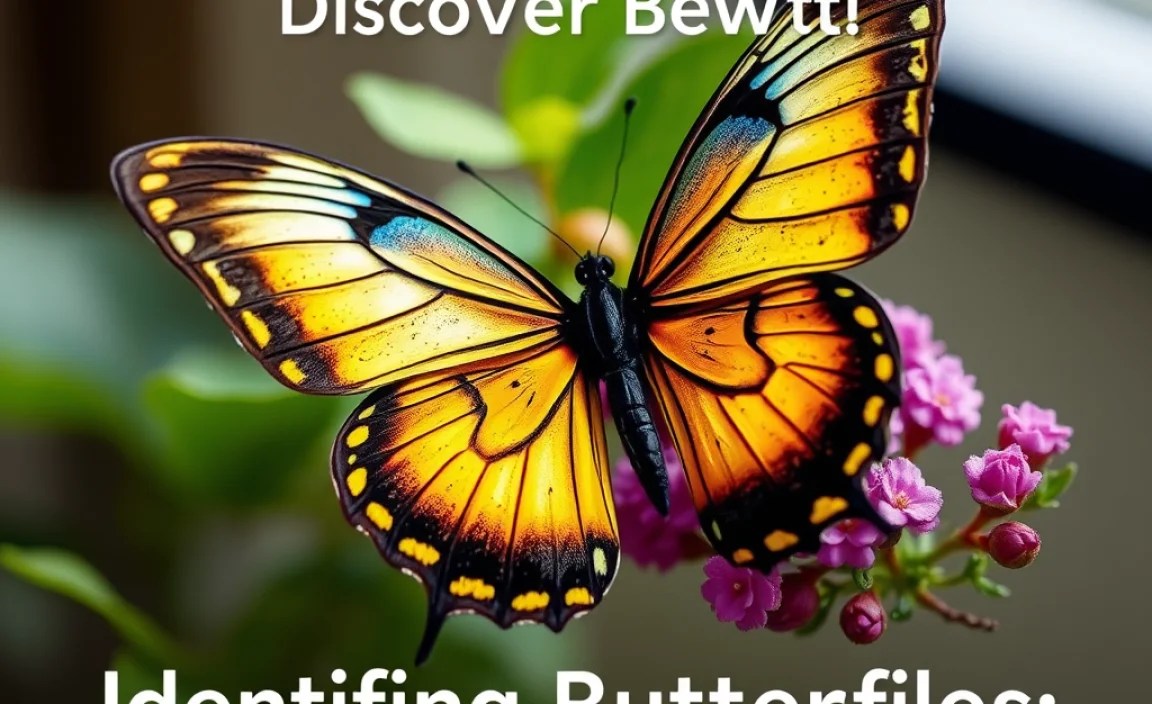
Identifying butterflies can seem daunting, but with a little practice, you can learn to recognize different species. Here’s a step-by-step guide:
- Observe the Size and Shape: Is the butterfly large or small? What is the shape of its wings? Swallowtails, for example, have distinctive tails, while morphos have broad, rounded wings.
- Note the Color and Pattern: Pay close attention to the colors and patterns on the wings. Are there stripes, spots, or bands? Are the colors iridescent or matte?
- Consider the Location: Where did you see the butterfly? Different species are found in different habitats. For example, morphos are more likely to be found in rainforests, while whites and yellows are common in open fields.
- Observe the Behavior: How does the butterfly behave? Does it fly quickly or slowly? Does it visit flowers frequently? Some butterflies have specific feeding preferences or flight patterns.
- Use a Field Guide or App: A good field guide or butterfly identification app can be invaluable in helping you identify butterflies. Look for resources that are specific to Colombia or South America.
Spotlight on Specific Colombian Butterflies

The Blue Morpho (Morpho menelaus)
The Blue Morpho is one of the most iconic butterflies of the Amazon rainforest. Its iridescent blue wings can span up to 8 inches, making it a truly spectacular sight. The shimmering blue color is not due to pigment, but rather to the microscopic structure of the scales on the wings, which reflect light in a way that creates the iridescent effect.
The Glasswing Butterfly (Greta oto)
The Glasswing Butterfly is known for its transparent wings, which allow it to blend seamlessly into its surroundings. This unique adaptation helps it avoid predators. The Glasswing Butterfly is found in rainforests throughout Central and South America, including Colombia.
The Emerald Swallowtail (Papilio palinurus)
The Emerald Swallowtail is a stunning butterfly with iridescent green scales on its wings. It is found in Southeast Asia, but related species with similar iridescent qualities can be found in Colombia. These butterflies are often associated with good luck and prosperity.
Attracting Butterflies to Your Garden in Colombia

Want to create a butterfly paradise in your own backyard? Here’s how:
- Plant Nectar-Rich Flowers: Butterflies need nectar for energy, so plant a variety of flowers that provide a continuous source of nectar throughout the year. Some good choices include lantana, salvia, and pentas.
- Provide Host Plants for Caterpillars: Butterflies lay their eggs on specific host plants, which their caterpillars will then feed on. Research which host plants are suitable for the butterflies in your area. For example, milkweed is the host plant for Monarch butterflies.
- Offer a Water Source: Butterflies need water, but they can’t drink from deep puddles. Provide a shallow dish of water with pebbles or stones for them to land on.
- Avoid Pesticides: Pesticides can be harmful to butterflies and other beneficial insects. Choose organic gardening methods to protect your butterfly garden.
- Provide Shelter: Butterflies need shelter from wind and rain. Plant shrubs and trees to provide them with a safe haven.
The Importance of Butterfly Conservation in Colombia
Colombia’s butterflies face a number of threats, including habitat loss, climate change, and pesticide use. Protecting these delicate creatures is essential for maintaining the health of the ecosystem. Butterflies are important pollinators, and they also serve as a food source for birds and other animals. By conserving butterflies, we can help ensure the survival of many other species.
Here are some ways you can help protect butterflies in Colombia:
- Support Conservation Organizations: Many organizations are working to protect butterfly habitats in Colombia. Consider donating to or volunteering with these groups.
- Practice Sustainable Gardening: Avoid using pesticides and plant native species to create a butterfly-friendly habitat in your own backyard.
- Educate Others: Share your knowledge about butterflies with friends, family, and colleagues. The more people who care about butterflies, the more likely we are to protect them.
- Advocate for Conservation Policies: Support policies that protect butterfly habitats and reduce pesticide use.
Butterfly Watching Tips for Colombia
Colombia offers incredible opportunities for butterfly watching. Here are some tips to make the most of your experience:
- Visit National Parks and Reserves: Colombia’s national parks and reserves are home to a wide variety of butterfly species. Some popular destinations include:
- Amacayacu National Park: Located in the Amazon rainforest, this park is home to a stunning array of butterflies, including morphos and swallowtails.
- Chingaza National Natural Park: Situated in the Andes Mountains, this park offers a chance to see high-altitude butterfly species.
- Serranía de Chiribiquete National Park: Known for its biodiversity and ancient rock art, this park is also a haven for butterflies.
- Hire a Local Guide: A local guide can help you find the best butterfly watching spots and identify different species.
- Bring Binoculars and a Camera: Binoculars will allow you to get a closer look at butterflies, while a camera will help you capture your observations.
- Wear Appropriate Clothing: Wear lightweight, long-sleeved clothing to protect yourself from insects and the sun.
- Be Patient and Observant: Butterfly watching requires patience and a keen eye. Take your time and enjoy the beauty of these delicate creatures.
Butterfly Symbolism and Cultural Significance
Butterflies have long held symbolic meaning in many cultures around the world. In Colombia, butterflies are often associated with transformation, rebirth, and beauty. They are also seen as messengers from the spirit world. Some indigenous communities believe that butterflies carry the souls of the departed.
Here’s a table summarizing some common butterfly symbolism:
| Symbol | Meaning |
|---|---|
| Transformation | Butterflies undergo a complete metamorphosis, transforming from a caterpillar into a winged beauty. This process symbolizes personal growth and change. |
| Rebirth | The butterfly’s emergence from the chrysalis is often seen as a symbol of rebirth and new beginnings. |
| Beauty | Butterflies are admired for their delicate beauty and vibrant colors. They represent the beauty of nature and the importance of appreciating the small things in life. |
| Spirituality | In some cultures, butterflies are believed to be messengers from the spirit world or symbols of the soul. |
Resources for Learning More About Colombian Butterflies
Here are some resources to help you continue your butterfly journey:
- Books: Look for field guides to the butterflies of Colombia or South America. Some popular titles include “Mariposas de Colombia” and “Neotropical Butterflies.”
- Websites: Explore online resources such as the Discover Life website, which provides information on butterfly species around the world.
- Museums: Visit natural history museums in Colombia or other countries to see butterfly collections and learn more about their biology and conservation.
- Butterfly Gardens: Many botanical gardens and zoos have butterfly houses where you can observe butterflies up close.
FAQ About Colombian Butterflies
What makes Colombia so rich in butterfly species?
Colombia’s location in the tropics, diverse ecosystems (rainforests, mountains, etc.), and abundant food sources create ideal conditions for a wide variety of butterfly species to thrive.
How can I identify a butterfly I saw in Colombia?
Observe its size, shape, color patterns, and location. Use a field guide or butterfly identification app specific to Colombia or South America. Consider its behavior and feeding habits.
What are some of the most beautiful butterflies in Colombia?
The Blue Morpho (Morpho menelaus) with its iridescent blue wings, the Glasswing Butterfly (Greta oto) with its transparent wings, and the Emerald Swallowtail (Papilio palinurus) with its iridescent green scales are some of the most stunning.
What can I plant in my garden to attract butterflies in Colombia?
Plant nectar-rich flowers like lantana, salvia, and pentas. Also, include host plants for caterpillars, such as milkweed for Monarchs.
Are Colombian butterflies endangered?
Yes, many Colombian butterflies face threats from habitat loss, climate change, and pesticide use. Conservation efforts are crucial to protect these species.
How can I help protect butterflies in Colombia?
Support conservation organizations, practice sustainable gardening, educate others about butterflies, and advocate for policies that protect their habitats.
Where are the best places to see butterflies in Colombia?
Visit national parks and reserves like Amacayacu National Park (Amazon), Chingaza National Natural Park (Andes), and Serranía de Chiribiquete National Park.
Conclusion
The butterflies of Colombia represent a treasure trove of biodiversity, a testament to the country’s rich natural heritage. By learning to identify these amazing creatures, understanding their ecological importance, and supporting conservation efforts, we can help ensure that future generations will be able to marvel at the beauty and wonder of Colombian butterflies. So, grab your binoculars, head out into nature, and prepare to be enchanted by the fluttering jewels of Colombia!


