
Butterflies of Algeria: Discover the Secret!

Butterflies of Algeria: A Beginner’s Guide

Discover the diverse butterflies of Algeria! This North African country boasts a fascinating array of butterfly species, from the vibrant African Monarch to the elusive Desert Orange Tip. This guide will help you identify common butterflies, understand their habitats, and learn how to support their conservation.
Have you ever wondered about the colorful butterflies fluttering around your garden or local park? Maybe you’re planning a trip to Algeria and want to know what butterflies you might see. Identifying butterflies can seem tricky, but it’s easier than you think! This guide will walk you through the basics of Algerian butterflies, their habitats, and how you can help protect them. Get ready to explore the beautiful world of butterflies!
Frequently Asked Questions
- What is the most common butterfly in Algeria?
- The African Monarch (Danaus chrysippus) is one of the most widespread and commonly seen butterflies in Algeria.
- Are there any poisonous butterflies in Algeria?
- Some butterflies, like the African Monarch, are poisonous to predators because they consume poisonous plants as caterpillars. This makes them unpalatable to birds.
- Where is the best place to see butterflies in Algeria?
- Butterfly sightings are common in parks, gardens, and rural areas with plenty of flowering plants. The Hoggar Mountains and other regions with diverse habitats are particularly good spots.
- How can I attract butterflies to my garden in Algeria?
- Planting nectar-rich flowers like lavender, buddleja (butterfly bush), and zinnias will attract butterflies to your garden. Providing a water source and avoiding pesticides also helps.
- What do Algerian butterflies eat?
- Adult butterflies primarily feed on nectar from flowers. Caterpillars have a more varied diet, eating the leaves of specific host plants.
- Are Algerian butterflies migratory?
- Some species, like the African Monarch, are known to migrate, although not as extensively as the Monarch butterfly of North America.
- Are butterflies important for the Algerian ecosystem?
- Yes! Butterflies are important pollinators, contributing to plant reproduction and overall ecosystem health.
Discovering the Butterflies of Algeria

Algeria, a land of diverse landscapes ranging from the Sahara Desert to the Atlas Mountains, is home to a variety of butterfly species. The country’s varied climate and geography create unique habitats that support these delicate creatures. Let’s explore some of the fascinating butterflies you might encounter in Algeria.
Common Butterfly Species in Algeria
Here are some of the butterflies you’re most likely to see in Algeria:
- African Monarch (Danaus chrysippus): A widespread and easily recognizable butterfly with orange wings and black and white markings. It’s similar to the Monarch butterfly of North America but slightly smaller.
- Swallowtail (Papilio machaon): A large, striking butterfly with yellow wings and black patterns, distinguished by its tail-like extensions on the hindwings.
- Painted Lady (Vanessa cardui): A migratory butterfly with orange and brown patterned wings, found throughout the world, including Algeria.
- Small White (Pieris rapae): A common white butterfly often seen in gardens and agricultural areas. It’s a widespread species found across Europe, Asia, and North Africa.
- Desert Orange Tip (Colotis evagore): A beautiful butterfly adapted to arid environments, with orange tips on its white wings.
Butterfly Habitats in Algeria
Butterflies can be found in various habitats across Algeria:
- Coastal Regions: Areas with Mediterranean vegetation, providing a home for species like the Swallowtail and various whites.
- Atlas Mountains: Mountainous regions with forests and meadows, supporting a diverse range of butterfly species.
- Sahara Desert Oases: Surprisingly, some butterfly species can be found in oases, adapted to the harsh desert environment. The Desert Orange Tip is one such example.
- Gardens and Parks: Urban and suburban areas with flowering plants can attract species like the African Monarch and Painted Lady.
Identifying Butterflies: A Step-by-Step Guide
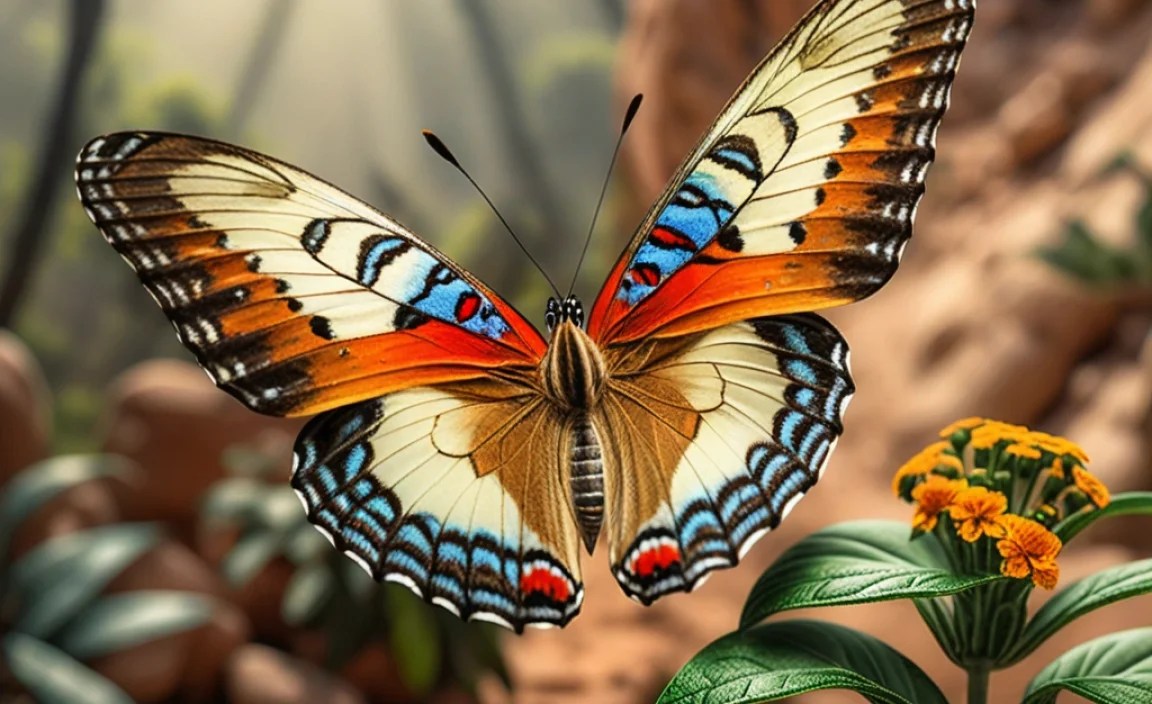
Identifying butterflies can be a rewarding experience. Here’s a simple guide to help you get started:
Step 1: Observe the Butterfly
Carefully watch the butterfly’s behavior and appearance. Note the following:
- Size: Is it a small, medium, or large butterfly?
- Color: What are the dominant colors of its wings?
- Markings: Are there any distinctive patterns, spots, or stripes?
- Flight Pattern: Does it fly quickly or slowly? Does it flutter or glide?
- Habitat: Where did you see the butterfly? (e.g., garden, forest, desert)
Step 2: Consult a Field Guide or Online Resource
Use a field guide specific to North African butterflies or a reliable online resource to compare your observations with known species. Here are some helpful resources:
- Books: Look for field guides to butterflies of North Africa or the Mediterranean region.
- Websites: Websites like leps.it and iNaturalist are excellent resources for identifying butterflies.
- Apps: There are several butterfly identification apps available for smartphones.
Step 3: Compare and Contrast
Compare the butterfly you observed with the images and descriptions in your field guide or online resource. Pay attention to the details of the wing patterns and colors. Consider the butterfly’s size, habitat, and flight pattern.
Step 4: Confirm Your Identification
If possible, take a photo of the butterfly. This will help you confirm your identification later. You can also submit your photo to online forums or communities of butterfly enthusiasts for help.
Example: Identifying an African Monarch
Let’s say you see a medium-sized butterfly with orange wings and black and white markings in your garden. You consult your field guide and find a butterfly that matches the description: the African Monarch (Danaus chrysippus). You compare the wing patterns and confirm that it is indeed an African Monarch.
Attracting Butterflies to Your Garden

Creating a butterfly-friendly garden is a great way to support these beautiful creatures and enjoy their presence. Here’s how to do it:
Step 1: Plant Nectar-Rich Flowers
Butterflies feed on nectar from flowers. Choose plants that provide a continuous source of nectar throughout the butterfly season. Here are some good options for Algerian gardens:
- Lavender (Lavandula): A fragrant plant with purple flowers that attracts many butterflies.
- Buddleja (Butterfly Bush) (Buddleja davidii): A popular choice for butterfly gardens, known for its long, nectar-rich flower spikes.
- Zinnias (Zinnia elegans): Brightly colored flowers that are easy to grow and attract a variety of butterflies.
- Cosmos (Cosmos bipinnatus): Delicate, daisy-like flowers that provide a long-lasting source of nectar.
- Verbena (Verbena bonariensis): Tall, slender plants with clusters of purple flowers that butterflies love.
Step 2: Provide Host Plants for Caterpillars
Butterflies lay their eggs on specific host plants, which the caterpillars will then feed on. Research the host plants for the butterfly species you want to attract and include them in your garden. Here are a few examples:
- African Monarch: Milkweed (Asclepias) is the host plant for the African Monarch.
- Swallowtail: Citrus trees (Citrus) and fennel (Foeniculum vulgare) are host plants for Swallowtail butterflies.
- Painted Lady: Thistles (Cirsium) and mallows (Malva) are host plants for the Painted Lady.
Step 3: Provide a Water Source
Butterflies need water to stay hydrated. Provide a shallow dish of water with pebbles or marbles for them to land on. Make sure the water is clean and replenished regularly.
Step 4: Avoid Pesticides
Pesticides can harm or kill butterflies and other beneficial insects. Avoid using pesticides in your garden. Instead, use natural methods to control pests, such as hand-picking or introducing beneficial insects.
Step 5: Provide Shelter
Butterflies need shelter from wind and rain. Plant shrubs and trees in your garden to provide them with a safe haven.
Butterfly Conservation in Algeria
Butterflies play an important role in the ecosystem as pollinators and indicators of environmental health. However, they face many threats, including habitat loss, pesticide use, and climate change. Here are some ways you can help protect butterflies in Algeria:
Support Conservation Organizations
There are many organizations working to protect butterflies and their habitats. Support their work by donating, volunteering, or raising awareness.
Promote Sustainable Gardening Practices
Avoid using pesticides and herbicides in your garden. Instead, use natural methods to control pests and weeds. Plant native plants to provide food and shelter for butterflies and other wildlife.
Educate Others
Share your knowledge about butterflies with others. Teach your friends, family, and neighbors about the importance of butterflies and how they can help protect them.
Report Butterfly Sightings
Record your butterfly sightings and submit them to online databases like iNaturalist. This information can help scientists track butterfly populations and identify areas that need protection.
Butterfly Symbolism and Cultural Significance
Butterflies have long held symbolic meaning in various cultures around the world. They often represent transformation, rebirth, and hope. Here are some common interpretations of butterfly symbolism:
- Transformation: The butterfly’s metamorphosis from a caterpillar to a beautiful winged creature is a powerful symbol of transformation and personal growth.
- Rebirth: In many cultures, butterflies are associated with rebirth and renewal. They represent the cycle of life, death, and resurrection.
- Hope: The butterfly’s delicate beauty and ability to fly symbolize hope, freedom, and joy.
- Soul: In some cultures, butterflies are believed to represent the human soul. They are often seen as messengers between the living and the dead.
Butterflies in Algerian Culture
While specific cultural references to butterflies in Algerian folklore may be less documented than in other regions, the general symbolism of beauty, transformation, and freedom likely resonates within the broader cultural context. Further research into local traditions and beliefs could uncover specific butterfly-related stories or symbolism.
Butterfly Watching Etiquette
When observing butterflies in their natural habitat, it’s important to follow certain guidelines to minimize your impact and ensure their well-being:
- Observe from a Distance: Avoid getting too close to butterflies, as this can disturb them. Use binoculars to get a better view.
- Do Not Touch: Never touch a butterfly’s wings, as this can damage them and make it difficult for the butterfly to fly.
- Stay on Trails: Stick to established trails to avoid trampling vegetation and disturbing butterfly habitats.
- Leave No Trace: Pack out everything you pack in and avoid littering.
- Be Respectful: Be mindful of your surroundings and avoid making loud noises that could scare butterflies away.
Resources for Further Learning
Here are some additional resources to help you learn more about butterflies:
- Books: Field guides to butterflies of North Africa or the Mediterranean region.
- Websites:
- leps.it
- iNaturalist
- Butterfly Conservation
- The Xerces Society
- Museums: Natural history museums often have butterfly collections and exhibits.
- Butterfly Gardens: Visit a butterfly garden to see a variety of butterfly species up close.
Table: Common Algerian Butterflies and Their Host Plants
| Butterfly Species | Scientific Name | Common Host Plants |
|---|---|---|
| African Monarch | Danaus chrysippus | Milkweed (Asclepias) |
| Swallowtail | Papilio machaon | Citrus trees (Citrus), Fennel (Foeniculum vulgare) |
| Painted Lady | Vanessa cardui | Thistles (Cirsium), Mallows (Malva) |
| Small White | Pieris rapae | Cabbage (Brassica oleracea), Radish (Raphanus sativus) |
| Desert Orange Tip | Colotis evagore | Maerua crassifolia, Capparis decidua |
Table: Tips for Creating a Butterfly-Friendly Garden
| Tip | Description |
|---|---|
| Plant Nectar-Rich Flowers | Choose flowers that provide a continuous source of nectar throughout the butterfly season. |
| Provide Host Plants | Include host plants for the butterfly species you want to attract. |
| Provide a Water Source | Offer a shallow dish of water with pebbles or marbles for butterflies to land on. |
| Avoid Pesticides | Use natural methods to control pests and weeds. |
| Provide Shelter | Plant shrubs and trees to provide shelter from wind and rain. |
Conclusion
Exploring the butterflies of Algeria reveals a hidden world of beauty and ecological importance. From the vibrant African Monarch to the specialized Desert Orange Tip, each species plays a unique role in the Algerian ecosystem. By learning to identify these butterflies, creating butterfly-friendly habitats, and supporting conservation efforts, we can help protect these delicate creatures for future generations. So, grab your field guide, head outdoors, and discover the enchanting world of Algerian butterflies. Happy butterflying!


