
Butterflies in Western Ghats: A Colorful Guide

The Western Ghats, a biodiversity hotspot in India, are home to a dazzling array of butterflies! To identify them, focus on wing patterns, size, and habitat. Visit during the monsoon and post-monsoon seasons for peak activity. Remember to bring a good field guide and camera to capture these beautiful insects.
Have you ever been mesmerized by the sight of a butterfly flitting through a lush forest? The Western Ghats, a mountain range in India, are a treasure trove of these winged jewels. But with so many different species, it can feel overwhelming to identify them. Don’t worry! This guide will help you unlock the secrets of Western Ghats butterflies, turning you into a confident butterfly spotter.
We’ll explore the best times to see them, the key features to look for, and even how to create your own butterfly-friendly garden. Get ready to embark on a colorful journey into the world of butterflies!
Frequently Asked Questions About Butterflies in the Western Ghats
What is special about butterflies in the Western Ghats?
The Western Ghats are a biodiversity hotspot, meaning they have a high concentration of unique plant and animal species, including butterflies. Many butterfly species found here are not found anywhere else in the world!
When is the best time to see butterflies in the Western Ghats?
The monsoon and post-monsoon seasons (June to November) are the best times. The rains bring lush greenery, which provides food for caterpillars, and the butterflies are most active during this period.
What are some common butterflies I might see?
Some common species include the Malabar Banded Peacock, Southern Birdwing, Red Helen, and various species of Tigers and Crows. Using a field guide specific to the region will be very helpful.
How can I attract butterflies to my garden?
Plant nectar-rich flowers like lantana, hibiscus, and zinnias. Also, provide host plants for caterpillars, such as curry leaves for Swallowtail butterflies. Avoid using pesticides, as they can harm butterflies.
Are butterflies in the Western Ghats endangered?
Yes, many butterfly species are threatened due to habitat loss, climate change, and pesticide use. Supporting conservation efforts and creating butterfly-friendly habitats are crucial for their survival.
What should I bring when butterfly watching?
Bring a good pair of binoculars, a field guide for identifying butterflies, a camera to capture your sightings, and comfortable walking shoes. Don’t forget water and sunscreen!
How can I contribute to butterfly conservation?
You can support local conservation organizations, participate in citizen science projects (like butterfly counts), and educate others about the importance of butterflies. Even small actions like planting native flowers can make a big difference.
Discovering the Butterfly Paradise of the Western Ghats

The Western Ghats are a majestic mountain range stretching along the western coast of India. Recognized as a UNESCO World Heritage Site, these mountains are not only stunningly beautiful but also incredibly important for biodiversity. They are home to a vast array of plant and animal life, including a spectacular diversity of butterflies.
As a butterfly enthusiast, I’ve spent countless hours exploring these hills, and I’m always amazed by the sheer number and variety of butterflies I encounter. From the tiny Grass Jewels to the large and striking Birdwings, the Western Ghats offer a butterfly watching experience like no other. This guide will help you navigate this colorful world and become a confident butterfly identifier.
Why the Western Ghats? A Butterfly Hotspot

What makes the Western Ghats so special for butterflies? Several factors contribute to this region’s rich butterfly diversity:
- Diverse Habitats: The Western Ghats boast a wide range of habitats, from evergreen forests to grasslands, each supporting different butterfly species.
- High Rainfall: The heavy monsoon rains create lush conditions, providing ample food for caterpillars and nectar for adult butterflies.
- Endemic Species: Many butterfly species are found only in the Western Ghats, making this region a crucial area for conservation.
- Altitudinal Gradient: The varying altitudes create different microclimates, further increasing the diversity of butterfly species.
When to Visit: Timing Your Butterfly Adventure

Timing is key when planning your butterfly watching trip to the Western Ghats. While butterflies can be seen year-round, the best time to visit is during and immediately after the monsoon season.
- Monsoon Season (June – September): The rains bring the forests to life, triggering a flush of new growth that provides food for caterpillars.
- Post-Monsoon Season (October – November): This is arguably the best time, as the weather is pleasant, and the butterflies are at their peak activity.
- Dry Season (December – May): Butterfly activity is reduced during the dry season, but you can still spot some species, especially in areas with water sources.
Essential Tools for Butterfly Identification
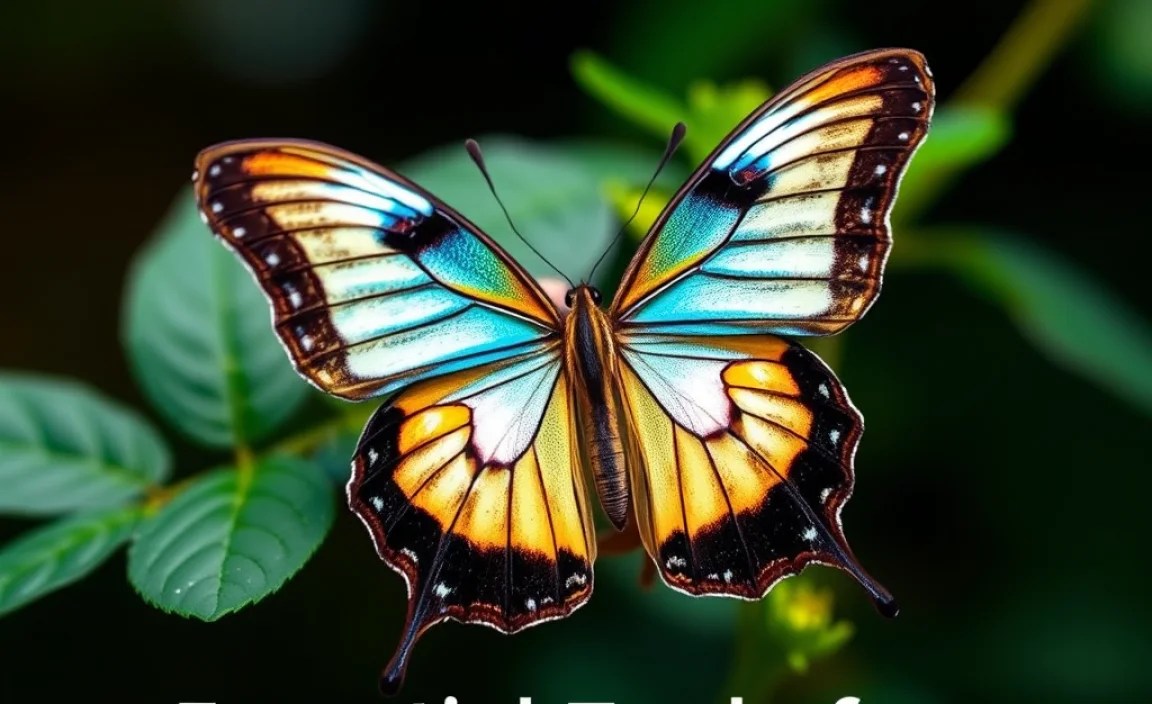
To successfully identify butterflies in the Western Ghats, you’ll need a few essential tools:
- Field Guide: A good field guide is indispensable. Look for one specifically covering the butterflies of the Western Ghats. Some excellent options include “Butterflies of Peninsular India” by Krushnamegh Kunte and “A Field Guide to Indian Butterflies” by Wynter-Blyth.
- Binoculars: A pair of binoculars will allow you to observe butterflies from a distance without disturbing them. Look for binoculars with good close-focusing ability.
- Camera: A camera is essential for documenting your sightings and sharing them with others. Even a smartphone camera can capture decent images.
- Notebook and Pen: Jot down notes about the butterfly’s appearance, behavior, and location. This information can be helpful for later identification.
Butterfly Identification: A Step-by-Step Guide

Identifying butterflies can seem daunting at first, but with a little practice, you’ll become a pro in no time. Here’s a step-by-step guide:
- Observe the Butterfly: Before reaching for your field guide, take a close look at the butterfly. Note its size, shape, color, and any distinctive markings.
- Examine the Wing Patterns: The patterns on the wings are crucial for identification. Pay attention to the colors, spots, bands, and other markings.
- Consider the Habitat: Where did you see the butterfly? Different species prefer different habitats. For example, some prefer forests, while others are found in grasslands.
- Check the Size: Butterfly size can be a helpful clue. Use your field guide to compare the size of the butterfly you saw to the size ranges of different species.
- Refer to Your Field Guide: Use your field guide to compare your observations with the descriptions and illustrations of different species. Pay close attention to the key identification features.
- Compare and Contrast: Once you’ve narrowed down the possibilities, compare the characteristics of the different species to see which one best matches your observations.
- Confirm Your Identification: If possible, take a photo of the butterfly and compare it to images online or in your field guide. You can also consult with experienced butterfly watchers for confirmation.
Key Butterfly Families in the Western Ghats
Understanding the different butterfly families can greatly simplify the identification process. Here are some of the most common families you’ll encounter in the Western Ghats:
- Papilionidae (Swallowtails): These are large, striking butterflies with distinctive tails on their hindwings. Common examples include the Malabar Banded Peacock and the Southern Birdwing.
- Pieridae (Whites and Yellows): These butterflies are typically white or yellow, with black markings. They are often seen flying in open areas.
- Nymphalidae (Brush-footed Butterflies): This is a large and diverse family that includes many familiar butterflies, such as the Red Helen, Blue Oakleaf, and various species of Tigers and Crows.
- Lycaenidae (Blues, Coppers, and Hairstreaks): These are small, often brightly colored butterflies. The males are often a vibrant blue, while the females are typically brown or orange.
- Hesperiidae (Skippers): Skippers are small, fast-flying butterflies with hooked antennae. They are often overlooked, but they can be quite diverse.
Spotlight on Some Spectacular Species
Let’s take a closer look at some of the most iconic and beautiful butterfly species found in the Western Ghats:
Malabar Banded Peacock (Papilio buddha)
This stunning butterfly is endemic to the Western Ghats. The males have iridescent green and blue bands on their wings, while the females have similar markings but are less vibrant.
Southern Birdwing (Troides minos)
One of the largest butterflies in India, the Southern Birdwing is a sight to behold. The females are larger than the males and have striking black and yellow markings.
Red Helen (Papilio helenus)
This elegant butterfly is black with red spots on its hindwings. It is a common sight in forests and gardens throughout the Western Ghats.
Blue Oakleaf (Kallima horsfieldii)
This butterfly is a master of camouflage. When its wings are closed, it resembles a dead leaf, making it difficult to spot. When its wings are open, it reveals a beautiful blue color.
Creating a Butterfly Garden in Your Backyard
Want to attract butterflies to your own garden? Here are some tips for creating a butterfly-friendly habitat:
- Plant Nectar-Rich Flowers: Choose flowers that provide nectar for adult butterflies. Some good options include lantana, hibiscus, zinnias, and buddleja (butterfly bush).
- Provide Host Plants: Caterpillars need specific plants to feed on. Research which butterflies are common in your area and plant their host plants. For example, curry leaves are a host plant for Swallowtail butterflies.
- Provide a Water Source: Butterflies need water to drink. You can provide a shallow dish of water with pebbles for them to land on.
- Avoid Pesticides: Pesticides can harm butterflies and other beneficial insects. Avoid using them in your garden.
- Provide Shelter: Butterflies need shelter from the wind and rain. Plant shrubs and trees to provide them with a safe haven.
- Offer a Sunning Spot: Butterflies need to bask in the sun to warm up their bodies. Provide a sunny spot in your garden where they can perch.
Butterfly Conservation: Protecting These Winged Jewels
Many butterfly species in the Western Ghats are threatened by habitat loss, climate change, and pesticide use. Here are some ways you can help protect these beautiful creatures:
- Support Conservation Organizations: Donate to or volunteer with organizations that are working to protect butterfly habitats.
- Participate in Citizen Science Projects: Contribute to butterfly monitoring programs by recording your sightings.
- Educate Others: Share your knowledge about butterflies with friends, family, and colleagues.
- Create Butterfly-Friendly Habitats: Plant nectar-rich flowers and host plants in your garden or community.
- Reduce Pesticide Use: Avoid using pesticides in your garden and support sustainable agriculture practices.
- Advocate for Conservation Policies: Support policies that protect butterfly habitats and promote sustainable development.
Butterfly Symbolism and Cultural Significance
Butterflies have captivated humans for centuries, and they hold deep symbolic meaning in many cultures. Here are some common interpretations:
- Transformation: The butterfly’s metamorphosis from caterpillar to pupa to butterfly is a powerful symbol of transformation and rebirth.
- Hope: Butterflies are often seen as symbols of hope and new beginnings.
- Beauty: Butterflies are admired for their beauty and grace.
- Freedom: Butterflies are free-spirited creatures that roam the skies, representing freedom and independence.
- Soul: In some cultures, butterflies are believed to represent the human soul.
Butterflies also play a role in various cultural traditions and folklore. They are often featured in art, literature, and music.
Butterfly Watching Etiquette
To ensure that butterfly watching is a sustainable activity, it’s important to follow some basic etiquette guidelines:
- Respect the Habitat: Stay on designated trails and avoid disturbing plants or animals.
- Observe from a Distance: Avoid getting too close to butterflies, as this can stress them out.
- Do Not Collect Butterflies: Collecting butterflies can harm their populations. Instead, take photos and enjoy observing them in their natural habitat.
- Leave No Trace: Pack out everything you pack in and avoid leaving any litter behind.
- Be Considerate of Others: Be mindful of other butterfly watchers and avoid making excessive noise.
Butterfly Habitats of the Western Ghats
The Western Ghats offer a variety of habitats, each supporting a unique assemblage of butterfly species. Understanding these habitats can help you find specific butterflies. Here’s a table summarizing some key habitats and the butterflies you might encounter:
| Habitat | Description | Butterfly Examples |
|---|---|---|
| Evergreen Forests | Dense, tall forests with high rainfall and humidity. | Malabar Banded Peacock, Red Helen, Blue Oakleaf |
| Moist Deciduous Forests | Forests that shed their leaves during the dry season. | Common Rose, Common Mormon, Tailed Jay |
| Grasslands | Open areas dominated by grasses and herbs. | Grass Yellows, Skippers, Small Blues |
| Sholas | High-altitude grasslands interspersed with stunted trees. | Nilgiri Clouded Yellow, Palni Fritillary |
| Plantations | Areas cultivated with tea, coffee, or spices. | Common Crow, Tiger Butterflies, Emigrants |
Gear Recommendations for Butterfly Watching
Having the right gear can enhance your butterfly watching experience. Here’s a list of recommended items:
- Binoculars: A good pair of binoculars with close-focusing ability is essential.
- Camera: A camera with a macro lens is ideal for capturing close-up images of butterflies.
- Field Guide: Choose a field guide specific to the butterflies of the Western Ghats.
- Comfortable Clothing: Wear lightweight, breathable clothing that will protect you from the sun and insects.
- Hiking Boots: Sturdy hiking boots are essential for navigating the trails.
- Hat and Sunscreen: Protect yourself from the sun with a hat and sunscreen.
- Insect Repellent: Mosquitoes and other insects can be annoying, so bring insect repellent.
- Water Bottle: Stay hydrated by bringing plenty of water.
- Backpack: A backpack is useful for carrying your gear.
Citizen Science and Butterfly Monitoring
You can contribute to butterfly conservation by participating in citizen science projects. These projects involve collecting data on butterfly populations, which can be used to track changes over time and inform conservation efforts. Here are some ways to get involved:
- Join a Butterfly Count: Participate in organized butterfly counts in your area.
- Submit Sightings to Online Databases: Report your butterfly sightings to online databases such as iNaturalist and Butterflies of India.
- Monitor Butterfly Populations in Your Garden: Keep track of the butterflies that visit your garden and share your data with researchers.
- Photograph Butterflies: Take photos of butterflies and submit them to online databases for identification and research purposes.
The Future of Butterflies in the Western Ghats
The future of butterflies in the Western Ghats depends on our collective efforts to protect their habitats and promote sustainable practices. By supporting conservation organizations, educating others, and making butterfly-friendly choices in our own lives, we can help ensure that these beautiful creatures continue to thrive for generations to come.
Conclusion
Exploring the butterflies of the Western Ghats is a truly rewarding experience. From understanding their preferred habitats to identifying specific species, you’re now equipped to embark on your own butterfly adventure. Remember to respect their environment, contribute to conservation efforts, and share your newfound knowledge with others. Together, we can ensure these winged jewels continue to grace the landscapes of the Western Ghats for years to come. Happy butterfly watching!


