
Butterflies of Arctic Region: Amazing Survival!

Quick Summary: Discover the resilient butterflies of the Arctic! Despite the harsh climate, several butterfly species thrive in this region. These include the Arctic Fritillary, the Northern Blue, and the Pink-edged Sulphur. They adapt through rapid life cycles, dark coloration for heat absorption, and specialized diets. Learn how they survive and what makes them unique.
Have you ever wondered if butterflies can live in the Arctic? It seems impossible, right? Butterflies are delicate, and the Arctic is freezing! But nature always surprises us. Several butterfly species call the Arctic home. These amazing creatures have special adaptations that allow them to survive in one of the harshest environments on Earth.
In this guide, we’ll explore the fascinating world of Arctic butterflies. You’ll learn about the different species, their unique adaptations, and how they manage to thrive where few others can. Get ready to discover the incredible resilience of these Arctic butterflies!
What Makes Arctic Butterflies Special?
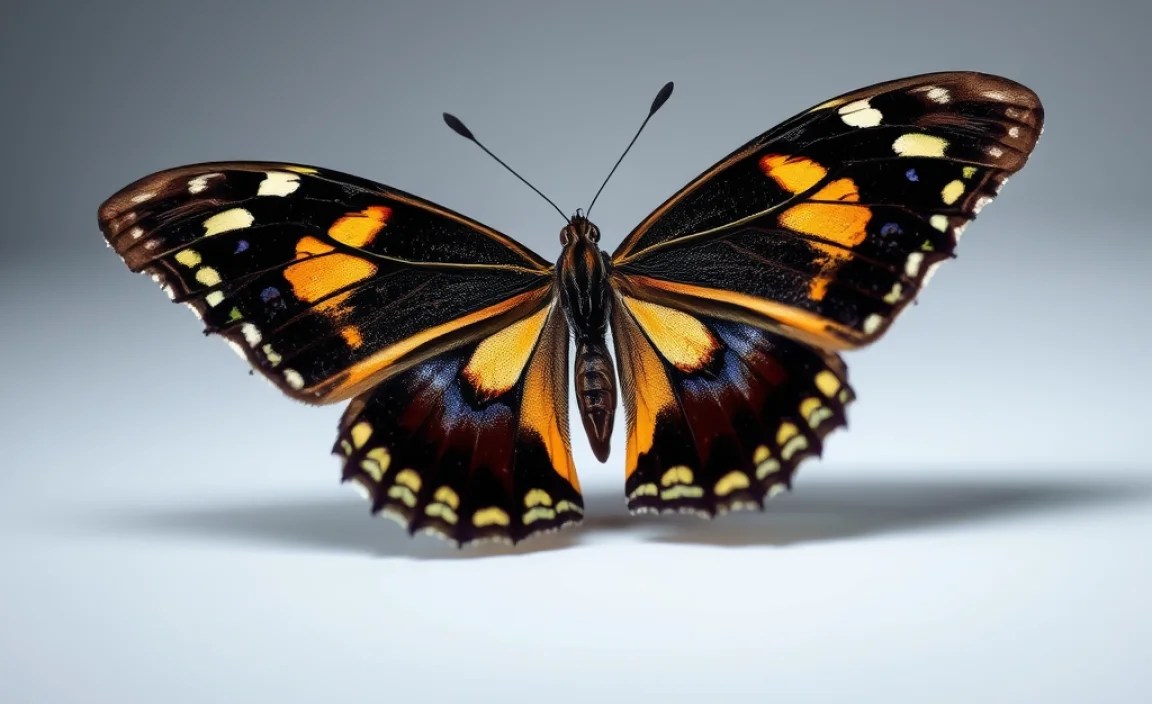
Arctic butterflies face unique challenges. The Arctic has short summers, long winters, and extreme cold. To survive, these butterflies have developed remarkable adaptations.
Adaptations to the Cold
One of the primary challenges for Arctic butterflies is the cold. They have several adaptations to cope with this:
- Dark Coloration: Many Arctic butterflies have dark wings. Dark colors absorb more sunlight, helping them warm up quickly.
- Basking: Arctic butterflies often bask in the sun. They orient themselves to maximize sun exposure.
- Hairy Bodies: Some species have hairy bodies. These hairs provide insulation, helping them retain heat.
Rapid Life Cycles
The Arctic summer is short, so butterflies must complete their life cycle quickly. Some species take only one year to go from egg to adult. Others may take two or more years, spending most of their time as larvae.
Specialized Diets
Arctic butterflies often feed on specific plants that are adapted to the Arctic environment. These plants provide the nutrients they need to survive and reproduce.
Common Arctic Butterfly Species

Several butterfly species are found in the Arctic. Here are some of the most common:
Arctic Fritillary (Boloria chariclea)
The Arctic Fritillary is one of the most widespread Arctic butterflies. It is found in North America and Eurasia. This butterfly is known for its orange and brown wings with dark markings. The Arctic Fritillary is well-adapted to cold environments. Its dark coloration helps it absorb heat from the sun. The larvae feed on various plants, including willows and saxifrages.
Northern Blue (Lycaeides idas)
The Northern Blue is another common Arctic butterfly. Males are blue, while females are brown or gray. This butterfly is found in North America and Eurasia. The Northern Blue prefers habitats with low-growing vegetation. Its larvae feed on plants such as lupines and vetches. The Northern Blue has a rapid life cycle, allowing it to complete its development during the short Arctic summer.
Pink-edged Sulphur (Colias interior)
The Pink-edged Sulphur is a bright yellow butterfly with pink edges on its wings. It is found in North America. This butterfly prefers open woodlands and tundra habitats. The Pink-edged Sulphur is known for its strong flight. The larvae feed on blueberry and other plants in the heath family.
Cabbage White (Pieris rapae)
The Cabbage White is a common butterfly found worldwide, including in some Arctic regions. It is white with black spots on its wings. This butterfly is highly adaptable and can survive in various habitats. The Cabbage White is considered a pest in many areas because its larvae feed on cabbage and other crops. Despite this, it is an important part of the Arctic ecosystem.
Old World Swallowtail (Papilio machaon)
The Old World Swallowtail is a large, striking butterfly with yellow and black wings and long tails. It is found in Eurasia and North America, including some Arctic areas. This butterfly prefers open habitats and feeds on various plants. The Old World Swallowtail is a strong flyer and can travel long distances. It is a beautiful addition to the Arctic butterfly fauna.
Table: Arctic Butterfly Species and Their Characteristics

| Species | Appearance | Habitat | Larval Food |
|---|---|---|---|
| Arctic Fritillary (Boloria chariclea) | Orange and brown with dark markings | Tundra | Willows, saxifrages |
| Northern Blue (Lycaeides idas) | Males blue, females brown or gray | Low-growing vegetation | Lupines, vetches |
| Pink-edged Sulphur (Colias interior) | Bright yellow with pink edges | Open woodlands, tundra | Blueberry, heath family plants |
| Cabbage White (Pieris rapae) | White with black spots | Various | Cabbage, crops |
| Old World Swallowtail (Papilio machaon) | Yellow and black with long tails | Open habitats | Various plants |
Life Cycle of Arctic Butterflies

The life cycle of Arctic butterflies is similar to that of other butterflies. However, it is adapted to the short Arctic summer.
Egg Stage
Arctic butterflies lay their eggs on or near their host plants. The eggs are small and often camouflaged to protect them from predators. The eggs may overwinter, hatching in the spring when the weather warms up.
Larval Stage
The larval stage is the feeding stage. The larvae, or caterpillars, eat voraciously to grow quickly. They molt several times as they grow. Arctic butterfly larvae often have dark colors to absorb heat from the sun.
Pupal Stage
The pupal stage is a resting stage. The larva transforms into a pupa, or chrysalis. Inside the pupa, the butterfly develops. This stage can last from a few weeks to several months. Some Arctic butterflies overwinter as pupae.
Adult Stage
The adult stage is the reproductive stage. Adult butterflies emerge from the pupa. They feed on nectar from flowers. They mate and lay eggs, starting the cycle again. Adult Arctic butterflies have a short lifespan, usually only a few weeks.
How Arctic Butterflies Survive the Winter
The Arctic winter is long and harsh. Arctic butterflies have several strategies for surviving this period.
- Overwintering as Eggs: Some species overwinter as eggs. The eggs are resistant to cold and can survive freezing temperatures.
- Overwintering as Larvae: Other species overwinter as larvae. The larvae may burrow into the ground or under snow to protect themselves from the cold.
- Overwintering as Pupae: Some species overwinter as pupae. The pupae are often hidden in sheltered locations.
- Migration: Some butterfly populations migrate south to avoid the harsh Arctic winter. This is less common in the high Arctic, but some species may move to more sheltered areas.
The Importance of Arctic Butterflies
Arctic butterflies play an important role in the Arctic ecosystem. They are pollinators, helping to pollinate plants. They are also a food source for birds and other animals.
Pollination
Butterflies are important pollinators. They carry pollen from one flower to another, helping plants reproduce. In the Arctic, where other pollinators may be scarce, butterflies play a crucial role in plant reproduction.
Food Source
Butterflies and their larvae are a food source for many animals. Birds, spiders, and other insects feed on them. They are an important part of the Arctic food web.
Threats to Arctic Butterflies
Arctic butterflies face several threats, including climate change, habitat loss, and pollution.
Climate Change
Climate change is one of the biggest threats to Arctic butterflies. The Arctic is warming at a faster rate than other parts of the world. This can disrupt the butterflies’ life cycles and food sources. Changes in temperature and precipitation can also affect the plants that butterflies rely on.
Habitat Loss
Habitat loss is another threat to Arctic butterflies. Human activities, such as mining and development, can destroy or degrade butterfly habitats. This can reduce the availability of food and shelter for butterflies.
Pollution
Pollution can also harm Arctic butterflies. Air and water pollution can contaminate their food sources and habitats. Pesticides and other chemicals can be toxic to butterflies and their larvae.
How to Help Arctic Butterflies
There are several things you can do to help Arctic butterflies:
- Reduce Your Carbon Footprint: Climate change is a major threat to Arctic butterflies. Reducing your carbon footprint can help slow down climate change. You can do this by driving less, using less energy, and eating less meat.
- Support Conservation Organizations: Many organizations are working to protect Arctic butterflies and their habitats. Supporting these organizations can help them continue their important work.
- Educate Others: Spread the word about the importance of Arctic butterflies. Educate your friends, family, and community about the threats they face and what can be done to help.
- Create Butterfly-Friendly Habitats: Even if you don’t live in the Arctic, you can create butterfly-friendly habitats in your backyard or community. Plant native flowers that provide nectar for butterflies and host plants for their larvae.
Interesting Facts About Arctic Butterflies
Here are some fascinating facts about Arctic butterflies:
- Dark Wings: Many Arctic butterflies have dark wings to absorb more sunlight.
- Rapid Life Cycles: Arctic butterflies have rapid life cycles to complete their development during the short Arctic summer.
- Cold Tolerance: Some Arctic butterflies can survive freezing temperatures.
- Specialized Diets: Arctic butterflies often feed on specific plants that are adapted to the Arctic environment.
- Pollinators: Butterflies are important pollinators in the Arctic ecosystem.
Resources for Further Learning
If you want to learn more about Arctic butterflies, here are some resources:
- The Xerces Society: A non-profit organization that protects invertebrates and their habitats.
- National Wildlife Federation: Provides information about butterflies and other wildlife.
- USDA Forest Service: Information on pollinators, including butterflies.
FAQ About Arctic Butterflies
Can butterflies survive in the Arctic?
Yes, several butterfly species can survive in the Arctic. They have unique adaptations to cope with the cold and short summers.
What do Arctic butterflies eat?
Arctic butterflies eat nectar from flowers. Their larvae feed on various plants, including willows, saxifrages, lupines, and vetches.
How do Arctic butterflies stay warm?
Arctic butterflies stay warm through dark coloration, basking in the sun, and having hairy bodies for insulation.
What are the main threats to Arctic butterflies?
The main threats to Arctic butterflies are climate change, habitat loss, and pollution.
How can I help Arctic butterflies?
You can help Arctic butterflies by reducing your carbon footprint, supporting conservation organizations, and educating others.
What is the life cycle of an Arctic butterfly?
The life cycle of an Arctic butterfly includes the egg, larval, pupal, and adult stages, adapted to the short Arctic summer.
Where can I find Arctic butterflies?
Arctic butterflies can be found in tundra and open woodland habitats in North America and Eurasia.
Conclusion
Arctic butterflies are truly remarkable creatures. They have adapted to survive in one of the harshest environments on Earth. Despite the challenges they face, they play an important role in the Arctic ecosystem. By understanding these butterflies and the threats they face, we can take action to protect them. Let’s work together to ensure that these beautiful creatures continue to thrive in the Arctic for generations to come. As a naturalist, I find their resilience inspiring, and I hope you do too. Let’s all do our part to protect these delicate creatures and their fragile environment.


