
Butterflies of Congo Rainforest: Discover Hidden Gems

The Congo Rainforest is home to an amazing array of butterflies! These beautiful insects play a key role in the ecosystem. This guide will introduce you to some of the most fascinating species. Learn how to identify them, understand their life cycles, and discover why protecting their habitat is so important. Get ready to explore the vibrant world of Congo’s butterflies!
Have you ever wondered about the colorful butterflies flitting through the dense canopy of the Congo Rainforest? It’s a world teeming with unique and fascinating species, each with its own story to tell. Identifying these butterflies can seem daunting, but it’s easier than you think! This guide will walk you through the steps to recognize some of the most common and beautiful butterflies of the Congo Rainforest. We’ll explore their habitats, life cycles, and the vital role they play in this precious ecosystem.
Why Study Butterflies of the Congo Rainforest?

The butterflies of the Congo Rainforest are not just beautiful; they are indicators of the health of the environment. Their presence, abundance, and diversity reflect the overall well-being of the forest ecosystem. Studying these butterflies helps us understand:
- Ecosystem Health: Butterfly populations are sensitive to changes in their environment, making them valuable indicators of habitat quality.
- Biodiversity: The Congo Rainforest is one of the most biodiverse places on Earth, and butterflies contribute significantly to this diversity.
- Conservation Needs: By understanding the threats facing butterfly populations, we can develop effective conservation strategies.
Identifying Butterflies: A Step-by-Step Guide
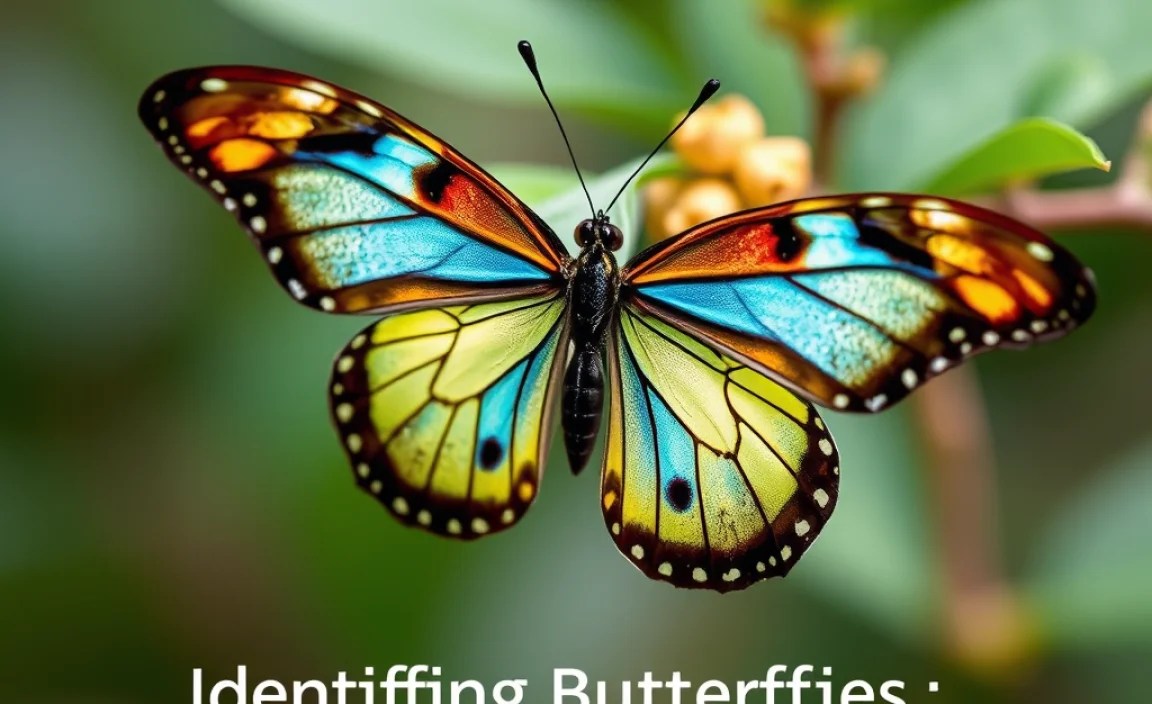
Identifying butterflies involves a combination of observation, knowledge of butterfly anatomy, and familiarity with the local species. Here’s how to get started:
Step 1: Observe Key Features
Start by observing the butterfly’s size, shape, and color patterns. Note the following:
- Size: Is it small, medium, or large?
- Wing Shape: Are the wings rounded, pointed, or elongated?
- Color: What are the dominant colors and patterns on the wings?
- Markings: Are there spots, stripes, or other distinctive markings?
These basic observations will help narrow down the possibilities.
Step 2: Examine Wing Patterns
Wing patterns are crucial for identifying butterflies. Look closely at the following:
- Upperwing: The pattern on the top side of the wings.
- Underwing: The pattern on the underside of the wings, often used for camouflage.
Pay attention to any unique features such as eyespots, tails, or iridescent scales.
Step 3: Consider Habitat and Behavior
Where you see the butterfly and how it behaves can provide valuable clues. Consider:
- Habitat: Is it in a forest, clearing, or near a river?
- Flight Pattern: Does it fly quickly or slowly, high or low?
- Feeding Habits: What flowers does it visit, or is it feeding on something else?
Certain butterfly species are associated with specific habitats and behaviors.
Step 4: Use Field Guides and Resources
Field guides and online resources are essential tools for butterfly identification. Some recommended resources include:
- Field Guides: Regional butterfly guides specific to Africa or the Congo region.
- Websites: Butterfly identification websites with photos and descriptions.
- Apps: Mobile apps that use image recognition to identify butterflies.
These resources provide detailed information and images to help you match your observations with known species.
Step 5: Document Your Observations
Keep a record of your butterfly sightings. Include:
- Date and Time: When and where you saw the butterfly.
- Location: Specific details about the habitat.
- Photos: Take clear photos of the butterfly from different angles.
- Notes: Record any unique behaviors or features you observed.
This documentation will help you track your progress and contribute to citizen science efforts.
Common Butterflies of the Congo Rainforest
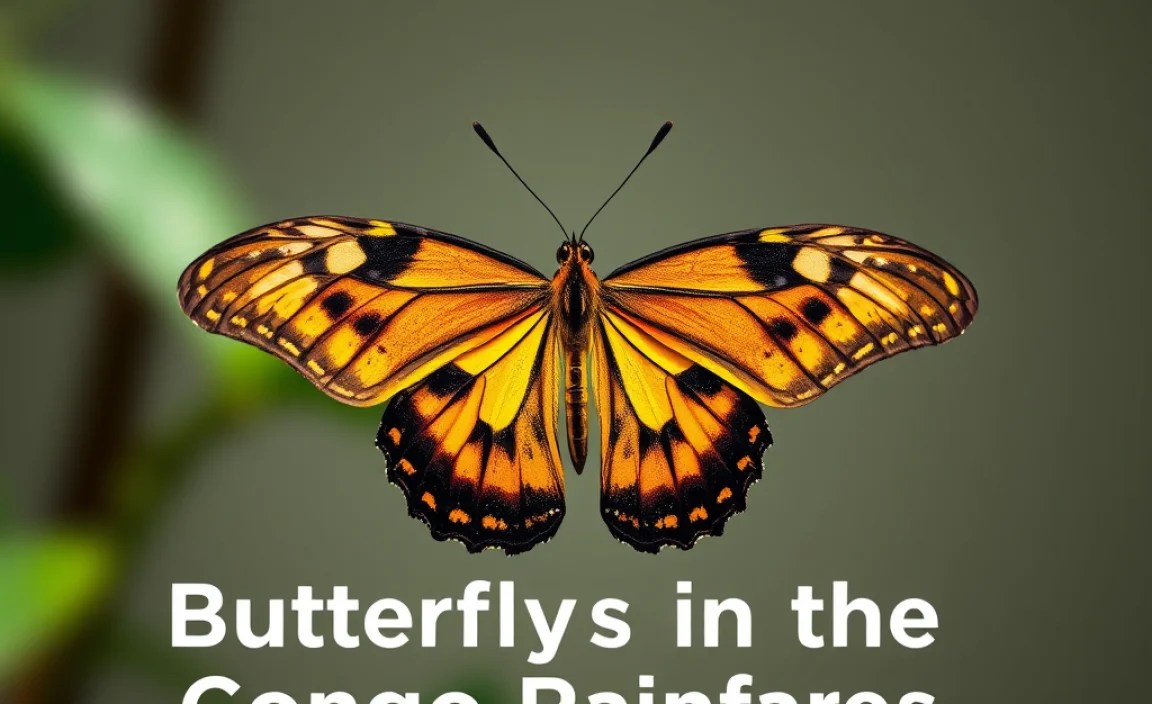
The Congo Rainforest is home to a diverse array of butterfly species. Here are some of the most notable:
1. African Giant Swallowtail (Papilio antimachus)
The African Giant Swallowtail is one of the largest butterflies in the world.
- Size: Wingspan of up to 9 inches (23 cm).
- Appearance: Orange and black wings with distinctive patterns.
- Habitat: Dense forests.
- Fun Fact: Males are often seen flying high in the canopy, while females stay closer to the ground.
2. Mocker Swallowtail (Papilio dardanus)
The Mocker Swallowtail is famous for its mimicry. Females mimic poisonous butterfly species to avoid predation.
- Size: Medium to large size.
- Appearance: Highly variable; females have different forms that mimic various toxic butterflies.
- Habitat: Forests and woodlands.
- Fun Fact: The males do not mimic other species and retain the typical swallowtail shape.
3. Forest Queen (Euxanthe wakefieldi)
The Forest Queen is a striking butterfly with vibrant colors.
- Size: Medium size.
- Appearance: Bright blue and black wings with orange markings.
- Habitat: Forested areas.
- Fun Fact: They are often found near streams and damp areas.
4. Charaxes Butterflies
Charaxes is a large genus of fast-flying butterflies.
- Size: Medium to large size.
- Appearance: Various patterns and colors, often with tails on the hindwings.
- Habitat: Forests and woodlands.
- Fun Fact: They are known for their strong flight and territorial behavior.
5. Diadem Butterfly (Hypolimnas misippus)
The Diadem Butterfly is another excellent example of mimicry. The female mimics the poisonous Plain Tiger butterfly.
- Size: Medium size.
- Appearance: The male is black with white spots, while the female mimics the orange and black Plain Tiger.
- Habitat: Open areas and gardens.
- Fun Fact: This butterfly is widespread and can be found in many parts of Africa.
6. Blue-spotted Emperor (Charaxes cithaeron)
The Blue-spotted Emperor is a striking butterfly known for its vibrant blue spots.
- Size: Large size.
- Appearance: Dark brown wings adorned with bright blue spots, giving it a regal appearance.
- Habitat: Dense forests and woodlands.
- Fun Fact: Males are often seen soaring high above the trees, while females prefer the lower canopy.
7. Mother-of-Pearl Butterfly (Salamis parhassus)
The Mother-of-Pearl Butterfly is admired for its iridescent sheen and delicate patterns.
- Size: Medium size.
- Appearance: Wings with a pearly, iridescent sheen and intricate patterns of brown, white, and black.
- Habitat: Forest edges and clearings.
- Fun Fact: The iridescent quality of its wings is due to the microscopic structure of the scales, which refract light in unique ways.
Butterfly Conservation in the Congo Rainforest

The Congo Rainforest faces numerous threats, including deforestation, habitat loss, and climate change. These threats impact butterfly populations and the entire ecosystem.
Threats to Butterflies
- Deforestation: Loss of habitat due to logging and agriculture.
- Habitat Degradation: Pollution and degradation of butterfly habitats.
- Climate Change: Changes in temperature and rainfall patterns.
- Over-collection: Unsustainable collection of butterflies for trade.
Conservation Strategies
Protecting butterflies requires a multi-faceted approach:
- Habitat Preservation: Protecting and restoring natural habitats.
- Sustainable Practices: Promoting sustainable forestry and agriculture.
- Community Involvement: Engaging local communities in conservation efforts.
- Research and Monitoring: Conducting research to understand butterfly populations and their needs.
How to Attract Butterflies to Your Garden
Even if you don’t live near the Congo Rainforest, you can help butterflies by creating a butterfly-friendly garden. Here’s how:
1. Plant Nectar-Rich Flowers
Butterflies need nectar for energy. Choose flowers that are rich in nectar and bloom at different times of the year.
- Native Plants: Use native plants that are adapted to your local climate and attract local butterfly species.
- Variety: Plant a variety of flowers with different colors and shapes to attract a wide range of butterflies.
- Clustering: Plant flowers in clusters to make it easier for butterflies to find them.
2. Provide Host Plants
Caterpillars need specific plants to feed on. These are called host plants. Research which butterflies are common in your area and plant their host plants.
- Specific Needs: Different butterfly species have different host plant preferences.
- Protection: Protect host plants from pesticides and other harmful chemicals.
3. Offer Water and Shelter
Butterflies need water and shelter to survive.
- Water Source: Provide a shallow dish of water with pebbles or sand for butterflies to land on.
- Shelter: Plant shrubs and trees to provide shelter from wind and predators.
4. Avoid Pesticides
Pesticides can harm or kill butterflies and caterpillars. Avoid using pesticides in your garden.
- Organic Gardening: Use organic gardening methods to control pests.
- Natural Predators: Encourage natural predators like birds and ladybugs to control pests.
5. Create a Sunny Spot
Butterflies are cold-blooded and need sunlight to warm up.
- Basking Area: Provide a sunny spot where butterflies can bask and warm their wings.
| Butterfly Species | Appearance | Habitat | Fun Fact |
|---|---|---|---|
| African Giant Swallowtail (Papilio antimachus) | Orange and black wings | Dense forests | One of the largest butterflies in the world |
| Mocker Swallowtail (Papilio dardanus) | Variable, mimics toxic butterflies | Forests and woodlands | Females mimic poisonous species |
| Forest Queen (Euxanthe wakefieldi) | Bright blue and black wings | Forested areas | Often found near streams |
| Charaxes Butterflies | Various patterns and colors | Forests and woodlands | Known for strong flight |
| Diadem Butterfly (Hypolimnas misippus) | Male: black and white; Female: mimics Plain Tiger | Open areas and gardens | Female mimics poisonous Plain Tiger |
| Blue-spotted Emperor (Charaxes cithaeron) | Dark brown wings with bright blue spots | Dense forests and woodlands | Males soar high above trees |
| Mother-of-Pearl Butterfly (Salamis parhassus) | Pearly, iridescent sheen | Forest edges and clearings | Iridescent wings due to microscopic scale structure |
The Butterfly Life Cycle
Understanding the butterfly life cycle is key to appreciating these insects. It consists of four stages: egg, larva (caterpillar), pupa (chrysalis), and adult.
1. Egg
Butterflies lay their eggs on or near their host plants. The eggs can be tiny and come in various shapes and colors.
- Host Plant Specificity: Eggs are laid on plants that the caterpillars will eat.
- Varied Appearance: Eggs can be round, oval, or spindle-shaped, and their color varies by species.
2. Larva (Caterpillar)
The larva, or caterpillar, is the feeding stage. Caterpillars eat voraciously to grow and store energy for the next stage.
- Molting: Caterpillars shed their skin multiple times as they grow.
- Defense Mechanisms: Some caterpillars have defensive mechanisms such as spines or toxic chemicals.
3. Pupa (Chrysalis)
The pupa, or chrysalis, is the transformation stage. Inside the chrysalis, the caterpillar undergoes metamorphosis to become a butterfly.
- Camouflage: Chrysalises often blend in with their surroundings to avoid predators.
- Duration: The pupal stage can last from a few days to several weeks.
4. Adult
The adult butterfly emerges from the chrysalis. It will mate, lay eggs, and continue the cycle.
- Wing Expansion: Newly emerged butterflies pump fluids into their wings to expand them.
- Reproduction: Adult butterflies focus on reproduction and finding nectar for energy.
Symbolism and Cultural Significance of Butterflies
Butterflies have long held symbolic meaning in various cultures around the world. They often represent transformation, hope, and new beginnings.
- Transformation: The butterfly’s life cycle symbolizes personal growth and transformation.
- Hope: Butterflies are seen as symbols of hope and resilience.
- Souls: In some cultures, butterflies represent the souls of the departed.
- Beauty: Their beauty and grace make them symbols of aesthetic appreciation.
Frequently Asked Questions (FAQs)
Here are some common questions about the butterflies of the Congo Rainforest:
- What is the largest butterfly in the Congo Rainforest?The African Giant Swallowtail (Papilio antimachus) is one of the largest butterflies in the world, found in the Congo Rainforest. It can have a wingspan of up to 9 inches (23 cm).
- Why are butterflies important for the Congo Rainforest ecosystem?Butterflies are important pollinators, helping to spread pollen from flower to flower. They also serve as a food source for other animals, and their presence indicates the health of the ecosystem.
- What can I do to help protect butterflies in the Congo Rainforest?You can support conservation organizations working to protect the rainforest, promote sustainable practices, and educate others about the importance of butterfly conservation.
- How do butterflies protect themselves from predators?Butterflies use various strategies, including camouflage, mimicry, and bright colors that warn predators of their toxicity.
- What is mimicry in butterflies?Mimicry is when a butterfly evolves to resemble another species, often one that is poisonous or distasteful, to deter predators. The Mocker Swallowtail and Diadem Butterfly are famous for this.
- What is the best time of year to see butterflies in the Congo Rainforest?The best time to see butterflies is during the rainy season when there is abundant vegetation and flowers. However, butterflies can be observed year-round.
- Are there any butterfly farms or sanctuaries in the Congo Rainforest?While specific butterfly farms or sanctuaries dedicated solely to butterflies may be limited, some ecotourism initiatives and conservation areas within the Congo Rainforest region may focus on protecting butterfly habitats as part of broader biodiversity conservation efforts. Contact local ecotourism operators and conservation organizations for more information.
Conclusion
Exploring the butterflies of the Congo Rainforest reveals a world of beauty, complexity, and ecological importance. By learning to identify these fascinating creatures and understanding the threats they face, we can all play a part in their conservation. Whether you’re planting a butterfly garden, supporting conservation efforts, or simply spreading awareness, your actions can make a difference. Let’s work together to protect these delicate creatures and the precious ecosystems they call home.


