
Swallowtail Butterfly Etymology: The Powerful Origin

Quick Summary: The name “swallowtail butterfly” comes from the distinctive, elongated hindwings of many species, resembling the forked tail of a swallow bird. This feature, combined with their often large size and striking colors, has made swallowtails a favorite among butterfly enthusiasts, leading to the widespread adoption of this descriptive name.
Have you ever wondered why certain butterflies are called “swallowtails?” It’s a common question, especially when you see these beautiful creatures fluttering around your garden. The name itself hints at a unique characteristic, but the full story is quite fascinating. Understanding the origin of the name not only helps you identify these butterflies but also deepens your appreciation for the natural world. Let’s take a look at the interesting story behind this name and explore the world of swallowtail butterflies together!
Unveiling the “Swallowtail”: A Journey Through Etymology

The term “swallowtail” is widely used to describe a specific group of butterflies, but where did this name come from? Let’s break down the etymology to understand the connection between these butterflies and the birds they’re named after.
The Obvious Connection: Swallow-like Tails
The most straightforward explanation for the name “swallowtail” lies in the physical appearance of these butterflies. Many swallowtail species have elongated extensions on their hindwings. These extensions, or “tails,” closely resemble the forked tail of a swallow bird in flight. It’s an easy connection to make once you see it!
A Closer Look at Hindwing Morphology
To truly understand the name, it’s helpful to look at the specific structure of the hindwings. These tails aren’t just simple extensions; they have a distinct shape and often a contrasting color pattern that further enhances the resemblance to a swallow’s tail. The length, shape, and even the presence or absence of these tails can vary among different swallowtail species, but the general similarity is undeniable.
Historical Usage and Early Naturalists
The term “swallowtail” has been in use for centuries. Early naturalists, who were responsible for classifying and naming various species, likely observed this resemblance and adopted the name accordingly. Think of it as an early form of descriptive naming, where a prominent feature is used to identify a creature. Over time, the name stuck, becoming the common term we use today. You can find references to swallowtail butterflies in old texts and illustrations dating back centuries, showing how deeply ingrained the name is.
Swallowtail Butterflies: Diversity and Identification
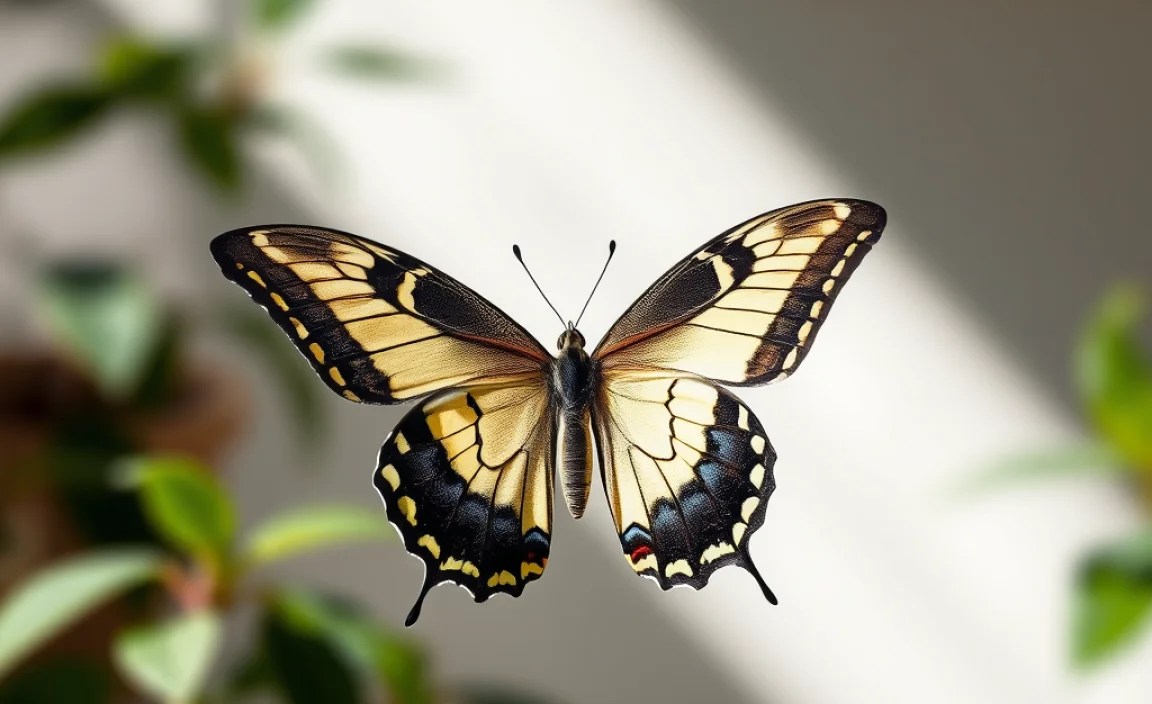
Now that we know where the name comes from, let’s explore the fascinating diversity of swallowtail butterflies. They are not all identical, and identifying different species can be a rewarding experience.
Global Distribution of Swallowtails
Swallowtail butterflies are found all over the world, except for Antarctica. They thrive in a variety of habitats, from tropical rainforests to temperate gardens. This wide distribution has led to a remarkable diversity of species, each adapted to its specific environment. North America, for example, is home to several well-known swallowtail species, while Asia and Africa boast even greater diversity.
Key Characteristics of Swallowtail Butterflies
While the “tail” is the most obvious characteristic, there are other features that help identify swallowtails:
- Size: Swallowtails are generally large butterflies, with wingspans ranging from 2 to 6 inches.
- Coloration: They often have vibrant colors, including yellows, blacks, blues, and greens. Some species also have iridescent scales that shimmer in the sunlight.
- Wing Shape: Besides the tails, the overall shape of the wings is distinctive, often with pointed forewings.
- Flight Pattern: Swallowtails are strong fliers, often seen gliding gracefully through the air.
Common Swallowtail Species
Here are some examples of common swallowtail species you might encounter:
- Eastern Tiger Swallowtail (Papilio glaucus): Found in North America, this species is known for its bright yellow wings with black stripes. Females can also be black.
- Black Swallowtail (Papilio polyxenes): Also found in North America, this butterfly is black with yellow spots and iridescent blue markings.
- Giant Swallowtail (Papilio cresphontes): The largest swallowtail in North America, with brown and yellow markings.
- Old World Swallowtail (Papilio machaon): Found in Europe and Asia, this species has yellow wings with black veins and blue and orange markings.
The Role of Swallowtail Butterflies in the Ecosystem

Beyond their beauty, swallowtail butterflies play important roles in the environment. Understanding their ecological significance can deepen our appreciation for these insects.
Pollination and Plant Reproduction
Like many butterflies, swallowtails are important pollinators. As they feed on nectar, they transfer pollen from one flower to another, helping plants reproduce. While bees are often considered the primary pollinators, butterflies like swallowtails contribute significantly to plant diversity and health. You can support this process by planting butterfly-friendly flowers in your garden.
Swallowtails as Indicators of Environmental Health
The presence and abundance of swallowtail butterflies can indicate the health of an ecosystem. These butterflies are sensitive to changes in their environment, such as habitat loss, pesticide use, and climate change. A decline in swallowtail populations can be a warning sign that something is wrong in the environment, prompting conservation efforts.
Life Cycle and Host Plants
The life cycle of a swallowtail butterfly is a fascinating process, involving several stages:
- Egg: The female lays her eggs on specific host plants, which serve as food for the caterpillars.
- Larva (Caterpillar): The caterpillar hatches from the egg and feeds voraciously on the host plant. It molts several times as it grows.
- Pupa (Chrysalis): The caterpillar transforms into a pupa, or chrysalis, inside which it undergoes metamorphosis.
- Adult: The adult butterfly emerges from the chrysalis, ready to reproduce and continue the cycle.
Each swallowtail species has specific host plants that its caterpillars can feed on. For example, the Black Swallowtail caterpillars feed on plants in the parsley family, such as dill, fennel, and parsley. Knowing the host plants for different swallowtail species can help you attract these butterflies to your garden and support their populations.
Attracting Swallowtail Butterflies to Your Garden

Creating a butterfly-friendly garden is a rewarding way to enjoy these beautiful insects up close and contribute to their conservation. Here are some tips to get started:
Planting Host Plants and Nectar Sources
The key to attracting swallowtails is to provide both host plants for the caterpillars and nectar sources for the adults. Here’s a simple strategy:
- Host Plants: Plant dill, fennel, parsley, and rue for Black Swallowtails; citrus trees for Giant Swallowtails; and tulip trees for Eastern Tiger Swallowtails.
- Nectar Sources: Plant butterfly bush, zinnias, coneflowers, and milkweed to provide nectar for adult butterflies.
Creating a Butterfly-Friendly Habitat
In addition to plants, consider these factors:
- Sunlight: Butterflies need sunlight to warm their bodies, so choose a sunny location for your garden.
- Shelter: Provide shelter from wind and rain with shrubs and trees.
- Water: Offer a shallow dish of water with pebbles for butterflies to land on.
- Avoid Pesticides: Pesticides can harm or kill butterflies and other beneficial insects. Use natural pest control methods instead.
Observing and Identifying Swallowtails in Your Garden
Once you’ve created a butterfly-friendly garden, take the time to observe and identify the swallowtails that visit. Keep a field guide handy and note the species, their behavior, and the plants they use. This can be a fun and educational activity for the whole family.
Conservation Efforts and Protecting Swallowtail Butterflies

Protecting swallowtail butterflies and their habitats is crucial for maintaining biodiversity and ecosystem health. Here are some ways you can get involved in conservation efforts:
Supporting Butterfly Conservation Organizations
Many organizations are dedicated to butterfly conservation, such as the Xerces Society and the North American Butterfly Association. These groups conduct research, educate the public, and advocate for policies that protect butterflies and their habitats. You can support these organizations through donations, memberships, or volunteer work.
Promoting Habitat Preservation and Restoration
Habitat loss is one of the biggest threats to swallowtail butterflies. You can help by supporting efforts to preserve and restore natural habitats, such as forests, meadows, and wetlands. This can involve participating in local conservation projects, advocating for responsible land use policies, or simply planting native trees and shrubs in your community.
Educating Others About Butterfly Conservation
Education is key to raising awareness about the importance of butterfly conservation. Share your knowledge with friends, family, and neighbors. Encourage them to create butterfly-friendly gardens, avoid pesticide use, and support conservation efforts. The more people who understand the value of butterflies, the better chance we have of protecting them for future generations.
Swallowtail Butterflies in Culture and Symbolism
Swallowtail butterflies have captured the human imagination for centuries, appearing in art, literature, and folklore. Their beauty and grace have made them symbols of transformation, hope, and renewal.
Swallowtails in Art and Literature
Butterflies, including swallowtails, have been featured in countless works of art and literature. They often represent beauty, fragility, and the fleeting nature of life. In some cultures, butterflies are seen as messengers from the spirit world or symbols of the soul. Artists and writers have used butterflies to convey a wide range of emotions and ideas, from joy and wonder to sorrow and loss.
Symbolic Meanings of Swallowtails in Different Cultures
The symbolism of swallowtail butterflies varies across different cultures. In some cultures, they are associated with good luck and prosperity. In others, they represent transformation and rebirth. Here’s a quick look at some cultural associations:
| Culture | Symbolic Meaning |
|---|---|
| Native American | Transformation, hope, and renewal |
| Chinese | Immortality, joy, and marital bliss |
| Japanese | The soul, transition, and change |
| European | Beauty, fragility, and the ephemeral nature of life |
Personal Reflections on the Beauty and Significance of Swallowtails
For many people, swallowtail butterflies hold a special significance. They are a reminder of the beauty and wonder of the natural world, a symbol of hope and transformation, and a source of joy and inspiration. Whether you’re a gardener, a naturalist, or simply someone who appreciates beauty, swallowtail butterflies can enrich your life in countless ways.
Frequently Asked Questions (FAQ)
1. Why are they called swallowtail butterflies?
Swallowtail butterflies are named for the distinctive, tail-like extensions on their hindwings, which resemble the forked tail of a swallow bird.
2. What do swallowtail caterpillars eat?
Swallowtail caterpillars eat specific host plants. For example, Black Swallowtail caterpillars eat plants in the parsley family, like dill and fennel.
3. How can I attract swallowtail butterflies to my garden?
Plant both host plants for the caterpillars and nectar-rich flowers for the adult butterflies. Also, provide sunlight, shelter, and a water source, and avoid using pesticides.
4. Are swallowtail butterflies endangered?
Some swallowtail species are threatened or endangered due to habitat loss and other factors. Supporting conservation efforts can help protect these butterflies.
5. Where can I find swallowtail butterflies?
Swallowtail butterflies are found all over the world, except for Antarctica. They inhabit a variety of habitats, from gardens to forests.
6. What is the lifespan of a swallowtail butterfly?
The lifespan of a swallowtail butterfly varies depending on the species, but most live for a few weeks to several months as adults.
7. What other identifying features do swallowtails have?
Besides the tails, swallowtails are generally large butterflies with vibrant colors, distinctive wing shapes, and strong flight patterns.
Conclusion
Understanding the etymology of “swallowtail butterfly” opens a window into the fascinating world of these beautiful insects. From their distinctive tails to their ecological importance and cultural significance, swallowtails offer endless opportunities for exploration and appreciation. By creating butterfly-friendly gardens, supporting conservation efforts, and educating others, we can ensure that these magnificent creatures continue to grace our world for generations to come. So, next time you see a swallowtail butterfly fluttering by, take a moment to admire its beauty and reflect on the rich history and symbolism behind its name.


