
Swallowtail Butterfly in Science Classes: Powerful Lessons!

Studying swallowtail butterflies in science class is a fantastic way to learn about the life cycle, anatomy, and ecology of insects. You can observe caterpillars, track their growth, and even raise butterflies! Plus, swallowtails are beautiful and easy to identify, making them perfect for hands-on learning and sparking an interest in nature.
Have you ever wanted to bring the magic of nature into your science classroom? Swallowtail butterflies offer an incredible opportunity to explore the wonders of the natural world up close! These stunning insects are not only beautiful but also provide a perfect model for teaching key biological concepts. From metamorphosis to habitat and conservation, swallowtails can transform your lessons into unforgettable experiences. Let’s dive into how you can make swallowtail butterflies a vibrant part of your science curriculum!
Why Swallowtail Butterflies Are Perfect for Science Classes
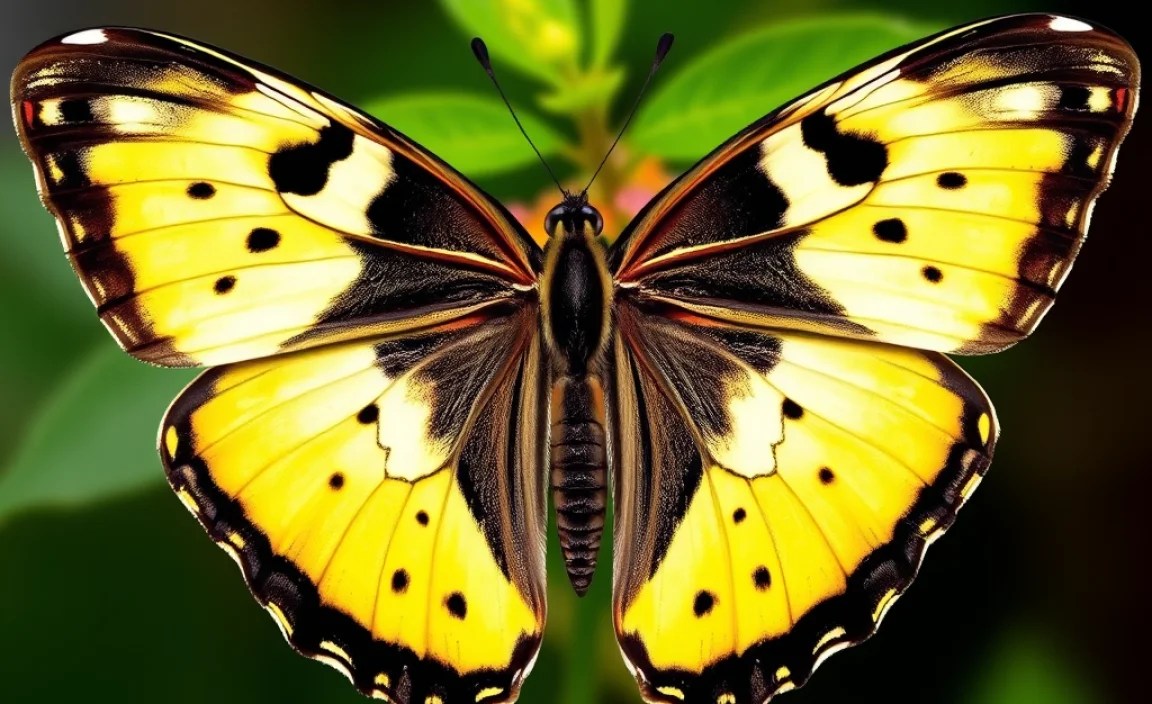
Swallowtail butterflies are excellent for science classes for many reasons. They’re visually striking, relatively easy to find and raise, and demonstrate many important scientific concepts. Here’s why they stand out:
- Visible Life Cycle: The complete metamorphosis from egg to larva (caterpillar) to pupa (chrysalis) to adult is easily observable.
- Ecological Importance: Swallowtails play a role in pollination and are part of the food chain, illustrating ecological relationships.
- Behavioral Studies: Students can observe feeding habits, mating rituals, and defense mechanisms.
- Hands-On Learning: Raising swallowtails provides direct experience with insect biology.
- Conservation: Learning about threats to swallowtail populations can inspire students to become environmental stewards.
Identifying Common Swallowtail Species
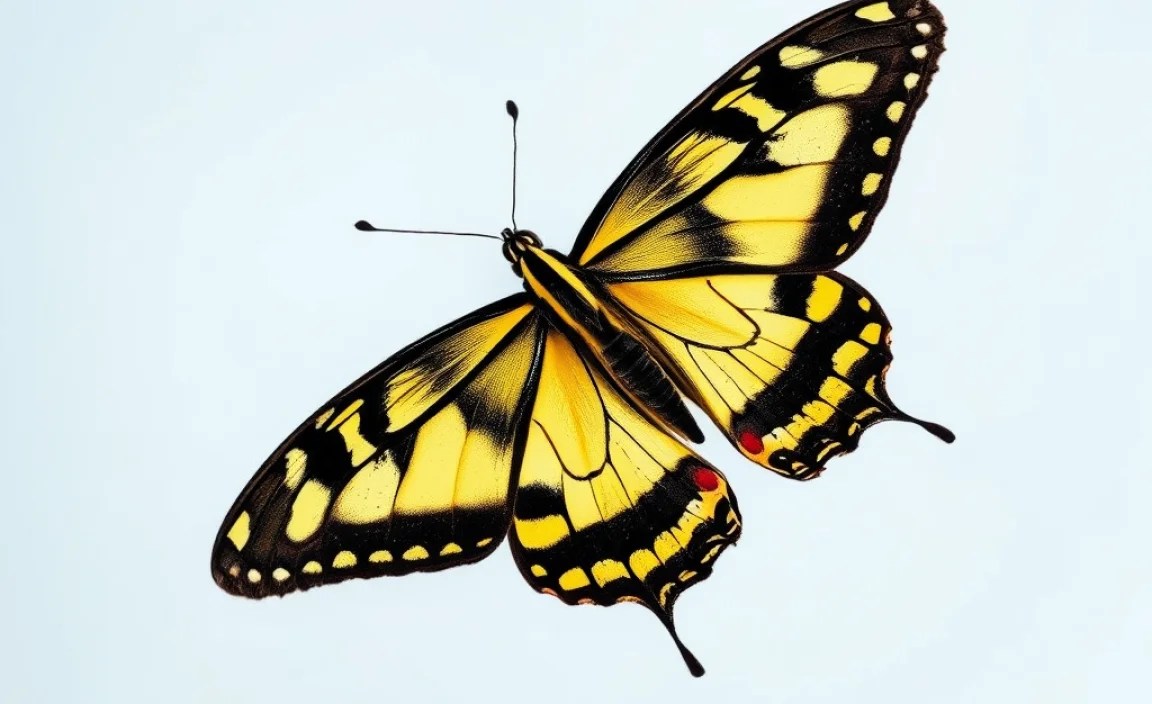
Before you start, it’s helpful to know which swallowtail species are common in your area. Here are a few of the most widespread and recognizable:
- Eastern Tiger Swallowtail (Papilio glaucus): Large, yellow with black stripes; females can be yellow or black. Found in eastern North America.
- Black Swallowtail (Papilio polyxenes): Black with yellow spots; females have blue markings. Found throughout North America.
- Giant Swallowtail (Papilio cresphontes): Very large, brown and yellow; larvae resemble bird droppings. Found in the southern United States.
- Spicebush Swallowtail (Papilio troilus): Black with green or blue iridescence; larvae mimic snakes. Found in eastern North America.
- Anise Swallowtail (Papilio zelicaon): Yellow with black markings; found in western North America.
Knowing these species will help you collect the right host plants and provide the best environment for your butterflies.
Step-by-Step Guide: Raising Swallowtail Butterflies in the Classroom

Raising swallowtail butterflies can be a rewarding project. Here’s a step-by-step guide to help you get started:
Step 1: Finding Swallowtail Eggs or Caterpillars
The first step is locating swallowtail eggs or caterpillars. Look for them on the host plants of the species you want to raise.
- Eastern Tiger Swallowtail: Tulip trees, wild cherry, ash.
- Black Swallowtail: Parsley, dill, fennel, carrots, rue.
- Giant Swallowtail: Citrus trees, Hercules’ club, prickly ash.
- Spicebush Swallowtail: Spicebush, sassafras.
- Anise Swallowtail: Anise, fennel, parsley, rue.
Carefully inspect the leaves and stems of these plants for tiny eggs or young caterpillars. Eggs are often round and can be yellow or cream-colored. Caterpillars can be small and easily overlooked, so take your time.
Step 2: Creating a Suitable Habitat
Once you have your eggs or caterpillars, you’ll need to create a safe and comfortable habitat for them.
- Enclosure: Use a mesh cage, aquarium with a mesh lid, or a butterfly rearing tent. This allows for good ventilation and prevents escapes.
- Host Plant: Place cuttings of the host plant in a jar of water inside the enclosure. Cover the jar’s opening with plastic wrap or cotton to prevent caterpillars from falling in and drowning.
- Cleanliness: Regularly remove frass (caterpillar droppings) and replace the host plant cuttings to prevent mold and disease.
- Humidity: Mist the enclosure lightly with water to maintain humidity, especially during dry weather.
Step 3: Caring for the Caterpillars
Caterpillars are voracious eaters, so you’ll need to ensure they have a constant supply of fresh host plant material.
- Feeding: Replace the host plant cuttings every day or two, as needed. Make sure the caterpillars always have access to fresh leaves.
- Observation: Observe the caterpillars daily. Note their growth, behavior, and any changes in appearance. This is a great opportunity for students to keep a journal and record their observations.
- Molting: Caterpillars will shed their skin (molt) several times as they grow. Do not disturb them during this process. The shed skin will be left behind.
Step 4: Pupation
Once the caterpillar is fully grown, it will pupate, forming a chrysalis. This is a fascinating transformation to witness.
- Preparation: The caterpillar will often wander around the enclosure before finding a suitable spot to pupate. It may hang upside down from a branch or attach itself to the side of the enclosure.
- Chrysalis Formation: The caterpillar will shed its skin one last time, revealing the chrysalis. The chrysalis may be green or brown, depending on the species and environment.
- Observation: Observe the chrysalis but do not touch it. The transformation inside can take anywhere from one to three weeks, depending on the species and temperature.
Step 5: Butterfly Emergence
The emergence of the butterfly from the chrysalis is a truly magical event.
- Emergence: The chrysalis will become transparent, and you’ll be able to see the butterfly’s wings inside. The butterfly will then break free from the chrysalis.
- Wing Drying: The butterfly will pump fluid into its wings to expand them. This process can take several hours. Do not disturb the butterfly during this time.
- First Flight: Once the wings are fully dry and hardened, the butterfly will be ready to fly.
Step 6: Releasing the Butterflies
Once the butterflies are ready, release them into a safe, suitable habitat.
- Timing: Release the butterflies on a warm, sunny day.
- Location: Choose a location with plenty of nectar sources, such as flowering plants.
- Observation: Observe the butterflies as they fly away. This is a great opportunity to discuss the importance of butterfly conservation and habitat preservation.
Incorporating Swallowtails into Science Lessons
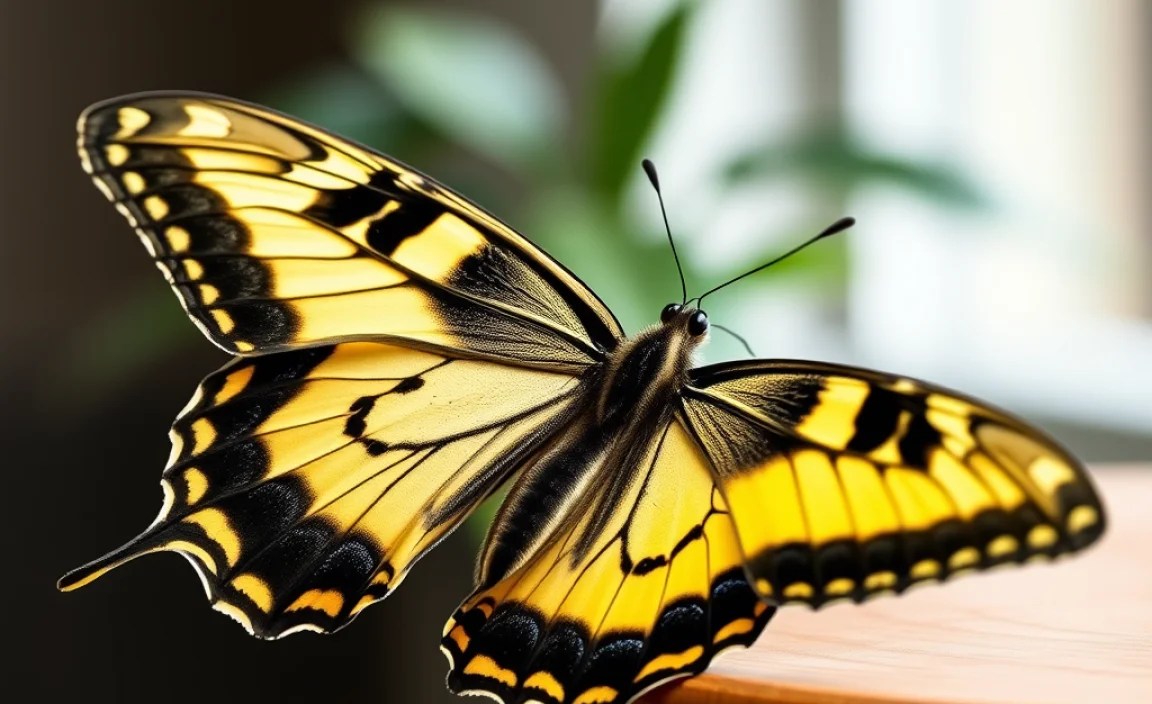
Swallowtail butterflies can be integrated into various science lessons. Here are some ideas:
Life Cycle Studies
Use the swallowtail life cycle to teach about metamorphosis, growth, and development.
- Observation Journals: Have students keep journals to record their observations of the eggs, caterpillars, chrysalises, and butterflies.
- Diagrams and Models: Create diagrams or models of the swallowtail life cycle.
- Comparative Studies: Compare the life cycle of swallowtails to that of other insects.
Ecology and Environment
Discuss the ecological role of swallowtails and the importance of their habitat.
- Food Webs: Explain how swallowtails fit into the food web.
- Pollination: Discuss the role of butterflies in pollination.
- Habitat Preservation: Talk about the importance of preserving butterfly habitats.
Anatomy and Physiology
Examine the anatomy and physiology of swallowtail butterflies.
- External Anatomy: Study the different parts of the butterfly, such as the wings, antennae, and legs.
- Internal Anatomy: Discuss the internal organs of the butterfly, such as the heart, brain, and digestive system.
- Adaptations: Explore the adaptations that allow swallowtails to survive in their environment.
Conservation Biology
Learn about the threats to swallowtail populations and what can be done to protect them.
- Habitat Loss: Discuss the impact of habitat loss on swallowtail populations.
- Pesticide Use: Talk about the effects of pesticides on butterflies and other insects.
- Conservation Efforts: Explore what can be done to protect swallowtail populations, such as planting host plants and nectar sources.
Essential Supplies for Raising Swallowtails

To successfully raise swallowtail butterflies, you’ll need a few essential supplies. Here’s a list to get you started:
- Mesh Cage or Enclosure: Provides a safe and ventilated space for the butterflies.
- Host Plants: Essential for feeding the caterpillars (parsley, dill, fennel, etc.).
- Water Jar: To keep the host plant cuttings fresh.
- Plastic Wrap or Cotton: To cover the water jar and prevent caterpillars from drowning.
- Spray Bottle: For misting the enclosure to maintain humidity.
- Observation Journal: For recording observations and data.
- Magnifying Glass: For close-up examination of eggs and caterpillars.
Safety Precautions
While raising swallowtail butterflies is generally safe, there are a few precautions to keep in mind:
- Hygiene: Wash your hands after handling caterpillars or host plants.
- Allergies: Some people may be allergic to caterpillars or host plants. Be aware of any potential allergies.
- Pesticides: Avoid using pesticides on or near the host plants.
- Supervision: Supervise children when they are handling caterpillars or butterflies.
Troubleshooting Common Issues
Sometimes, things don’t go as planned. Here are some common issues and how to address them:
- Caterpillars Not Eating: Ensure the host plant is fresh and the correct species. Caterpillars can be picky eaters.
- Caterpillars Escaping: Make sure the enclosure is secure and there are no gaps or holes.
- Mold Growth: Remove frass and old host plant cuttings regularly. Ensure good ventilation.
- Chrysalis Falling: If the chrysalis falls, gently glue it to a twig or the side of the enclosure using non-toxic glue.
Enhancing the Learning Experience
To make the experience even more engaging, consider these additional activities:
- Field Trips: Visit a butterfly garden or nature center.
- Guest Speakers: Invite a local entomologist or butterfly expert to speak to the class.
- Art Projects: Create butterfly-themed art projects, such as paintings, drawings, or collages.
- Research Projects: Have students research different aspects of butterfly biology or conservation.
Swallowtail Butterfly Facts
Here are some fun and interesting facts about swallowtail butterflies:
- Swallowtail butterflies get their name from the elongated extensions on their hindwings, which resemble the tails of swallows.
- Some swallowtail caterpillars mimic bird droppings to avoid being eaten by predators.
- Swallowtail butterflies are found on every continent except Antarctica.
- The Giant Swallowtail is the largest butterfly in North America, with a wingspan of up to 7 inches.
- Female Eastern Tiger Swallowtails can be either yellow or black, a form of polymorphism.
Resources for Further Learning
To expand your knowledge of swallowtail butterflies, check out these resources:
- Butterflies and Moths of North America
- The Xerces Society for Invertebrate Conservation
- National Wildlife Federation
Swallowtail Butterfly Conservation
Swallowtail butterflies, like many other butterfly species, face threats from habitat loss, pesticide use, and climate change. Here are some ways you can help protect them:
- Plant Host Plants and Nectar Sources: Provide food and habitat for swallowtails by planting their host plants and nectar-rich flowers.
- Avoid Pesticides: Use natural pest control methods in your garden to protect butterflies and other beneficial insects.
- Support Conservation Organizations: Donate to or volunteer with organizations that work to protect butterfly habitats.
- Educate Others: Share your knowledge of swallowtail butterflies and the importance of conservation with others.
Swallowtail Butterfly Symbolism
Swallowtail butterflies have different symbolic meanings around the world. Here are some common interpretations:
- Transformation: Because of their metamorphosis, butterflies often symbolize transformation and change.
- Hope: Butterflies can represent hope and new beginnings.
- Beauty: Their vibrant colors and delicate wings make them symbols of beauty and grace.
- Soul: In some cultures, butterflies are believed to represent the human soul.
Swallowtail Butterfly Table
Here is a table summarizing key information about common swallowtail species:
| Species | Host Plants | Geographic Location | Distinguishing Features |
|---|---|---|---|
| Eastern Tiger Swallowtail (Papilio glaucus) | Tulip tree, wild cherry, ash | Eastern North America | Yellow with black stripes; females can be yellow or black |
| Black Swallowtail (Papilio polyxenes) | Parsley, dill, fennel, carrots | Throughout North America | Black with yellow spots; females have blue markings |
| Giant Swallowtail (Papilio cresphontes) | Citrus trees, Hercules’ club, prickly ash | Southern United States | Very large, brown and yellow; larvae resemble bird droppings |
| Spicebush Swallowtail (Papilio troilus) | Spicebush, sassafras | Eastern North America | Black with green or blue iridescence; larvae mimic snakes |
| Anise Swallowtail (Papilio zelicaon) | Anise, fennel, parsley, rue | Western North America | Yellow with black markings |
Swallowtail Caterpillar Stages
The life cycle of a swallowtail involves distinct caterpillar stages, each with unique characteristics. Here’s a table describing these stages:
| Stage | Description | Duration | Key Features |
|---|---|---|---|
| First Instar | Newly hatched caterpillar | Few days | Small, often dark in color, feeds on eggshell and tender leaves |
| Second Instar | Growing caterpillar | Few days | Larger, begins to resemble later instars, molts skin |
| Third Instar | Continued growth | Few days | More distinct markings, increased appetite |
| Fourth Instar | Near full size | Several days | Vibrant colors, distinctive patterns, voracious eater |
| Fifth Instar | Final caterpillar stage | Several days | Largest size, prepares for pupation, may change color |
FAQ About Swallowtail Butterflies in Science Classes
Here are some frequently asked questions about using swallowtail butterflies in science education:
What do swallowtail caterpillars eat?
Swallowtail caterpillars eat the leaves of specific host plants, which vary depending on the species. For example, Black Swallowtails eat plants in the carrot family like parsley, dill, and fennel. Eastern Tiger Swallowtails prefer trees like tulip trees and wild cherry.
How long does it take for a swallowtail butterfly to emerge from its chrysalis?
The duration of the pupal stage (inside the chrysalis) varies, but it typically lasts between one to three weeks, depending on the species and environmental conditions like temperature and humidity.
Is it safe to handle swallowtail caterpillars?
Yes, it is generally safe to handle swallowtail caterpillars, but it’s important to wash your hands afterward. Some people may have mild skin reactions, so it’s best to avoid excessive handling.
Where can I find swallowtail eggs or caterpillars?
Look for swallowtail eggs or caterpillars on the host plants of the species you want to raise. Check the undersides of leaves and stems. Local nature centers or butterfly gardens can also provide guidance.
How can I create a butterfly-friendly habitat in my school garden?
Plant host plants for caterpillars and nectar-rich flowers for adult butterflies. Provide a water source, such as a shallow dish with pebbles. Avoid using pesticides, which can harm butterflies and other beneficial insects.
What should I do if a swallowtail chrysalis falls off its attachment point?
If a chrysalis falls, you can gently glue it to a twig or the side of the enclosure using a non-toxic glue. Make sure the chrysalis is positioned correctly, with the head facing up.
How do I know when a swallowtail butterfly is ready to be released?
A swallowtail butterfly is ready to be released when its wings are fully expanded and dry, and it can fly without difficulty. Release it on a warm, sunny day in an area with plenty of nectar sources.
Conclusion
Incorporating swallowtail butterflies into your science classes can transform learning into an engaging, hands-on experience. By raising these beautiful insects, students can observe the wonders of metamorphosis, learn about ecology and conservation, and develop a deeper appreciation for the natural world. Remember to provide the right host plants, maintain a clean and safe environment, and encourage students to document their observations. With a little care and attention, you can create a memorable and educational experience for your students, inspiring the next generation of nature enthusiasts and conservationists. Happy butterflying!


