
Painted Lady Threats & Predators: Ultimate Guide

Have you ever seen a beautiful painted lady butterfly? These butterflies are known for their bright colors. But did you know they face many dangers? Painted lady threats and predators are a big problem for these insects. Let’s learn about what these threats are. We will also discover who the predators are that want to eat them.
Imagine you are a tiny butterfly. You have to watch out for many things. Birds, spiders, and even other insects can be dangerous. Painted lady butterflies have a tough life. They must avoid these dangers to survive. Understanding these painted lady threats and predators helps us protect them.
These butterflies travel long distances. They fly across countries and even continents! This journey is full of risks. Weather, lack of food, and predators all make it hard. Knowing what these threats are can help us keep them safe. Let’s explore what these beautiful creatures face every day.
Key Takeaways
- Painted lady threats and predators include birds, spiders, and insect predators.
- Habitat loss and pesticide use greatly affect painted lady survival rates.
- Caterpillars are vulnerable to parasitoid wasps and viral diseases.
- Weather conditions, like storms, impact migration and breeding.
- Protecting habitats can help painted lady butterflies thrive.
Understanding Painted Lady Threats
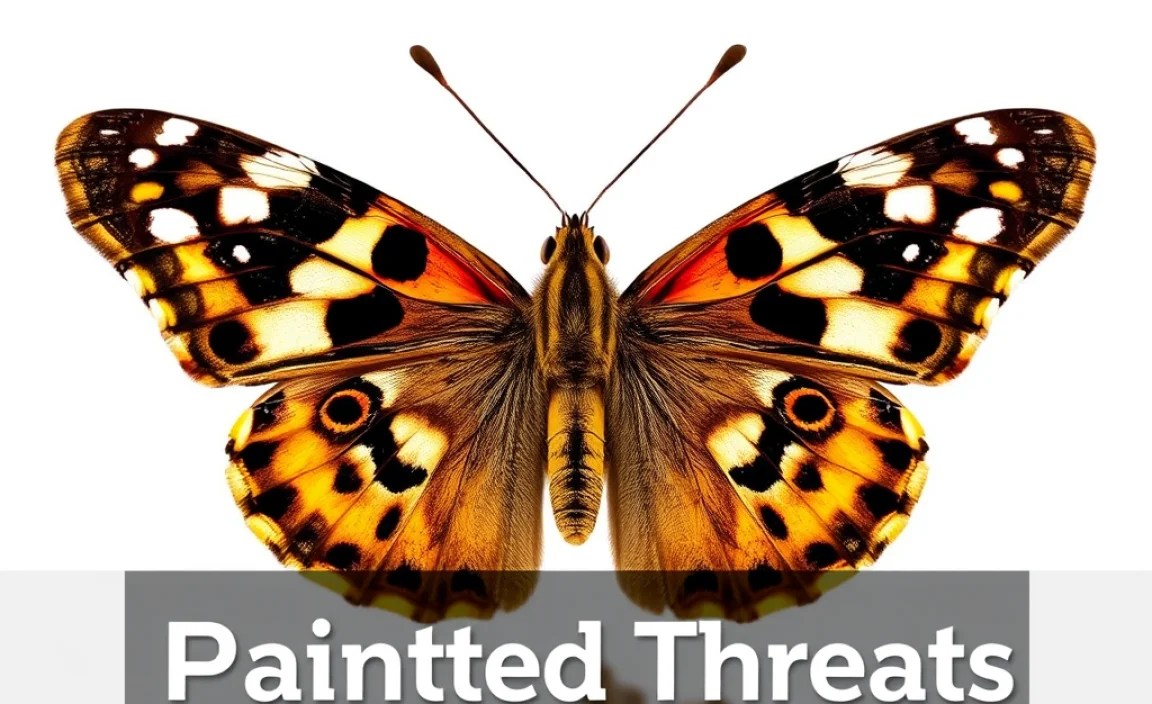
Painted lady threats come in many forms. Some are natural, like predators and weather. Others are caused by humans, like habitat loss. Painted lady butterflies are small and delicate. This makes them easy targets for many creatures. Birds love to eat butterflies. Spiders trap them in their webs. Even some insects will attack and eat them. These predators pose a constant danger. Weather can also be a big threat. Strong winds can blow them off course. Heavy rain can damage their wings. A lack of food can weaken them. Understanding these threats is the first step in helping them.
- Birds are a major predator of painted lady butterflies.
- Spiders trap butterflies in their webs for food.
- Insect predators include wasps and praying mantises.
- Strong winds can disrupt migration patterns.
- Heavy rain can damage butterfly wings.
- Lack of nectar sources weakens butterflies.
Habitat loss is another big problem. As humans build more cities, there is less space for butterflies. They need places to lay their eggs and find food. Pesticides also harm butterflies. These chemicals are used to kill insects on crops. But they can also kill butterflies. Climate change is making things even harder. Changing weather patterns can affect butterfly migration. It can also affect the plants they need to survive. We need to do what we can to protect these beautiful creatures. This includes protecting their habitats and reducing pesticide use.
What Habitats Do They Need?
Painted lady butterflies need specific habitats. They like open areas with lots of flowers. These flowers provide nectar for them to eat. They also need plants to lay their eggs on. Thistle plants are a favorite. Other plants like mallow and legumes are also good. These plants provide food for the caterpillars when they hatch. Protecting these habitats is very important. It helps the butterflies have a place to live and reproduce. Without these habitats, they cannot survive. We can help by planting these plants in our gardens. We can also support organizations that protect natural areas. Every little bit helps.
How Does Weather Affect Them?
Weather plays a big role in the life of a painted lady butterfly. Warm weather helps them fly and find food. But extreme weather can be dangerous. Strong winds can blow them far away from their destination. Heavy rain can make it hard to fly. It can also wash away their eggs and caterpillars. Droughts can kill the plants they need for food. Climate change is making these extreme weather events more common. This makes it even harder for butterflies to survive. We need to address climate change to protect these delicate creatures. Reducing our carbon footprint can make a big difference.
What About Pesticides?
Pesticides are a major threat to painted lady butterflies. These chemicals are designed to kill insects. But they don’t just kill harmful insects. They also kill butterflies and other beneficial insects. Pesticides can poison butterflies directly. Or they can kill the plants that butterflies need for food. This can lead to starvation and death. Using fewer pesticides is important. We can use natural methods to control pests in our gardens. We can also support farmers who use sustainable practices. This will help protect butterflies and other wildlife.
Fun Fact or Stat: Painted lady butterflies can fly up to 100 miles in a single day during migration!
Natural Predators of Painted Ladies

Painted lady butterflies face many natural predators. These predators are animals that hunt and eat them. Birds are one of the biggest threats. They can easily spot a butterfly flying through the air. Spiders are another common predator. They build webs to trap insects, including butterflies. Wasps and praying mantises are also insect predators. They hunt and kill butterflies for food. Even some mammals, like shrews, will eat butterflies. These predators play an important role in the ecosystem. But they also make life difficult for painted lady butterflies. The butterflies must be constantly on guard to avoid becoming a meal.
- Birds catch butterflies in mid-air.
- Spiders trap butterflies in webs.
- Wasps paralyze butterflies to feed their larvae.
- Praying mantises ambush butterflies.
- Shrews eat butterflies on the ground.
- Lizards also prey on butterflies.
Caterpillars, the larval stage of butterflies, also have predators. Birds will eat caterpillars. So will other insects, like ants. Parasitoid wasps are a particularly nasty threat. These wasps lay their eggs inside the caterpillar. When the eggs hatch, the larvae eat the caterpillar from the inside out. This eventually kills the caterpillar. Caterpillars also face diseases. Viral and bacterial infections can wipe out large numbers of caterpillars. These predators and diseases make it hard for caterpillars to survive. Only a small percentage of caterpillars will make it to adulthood. Understanding these threats helps us appreciate the challenges these creatures face.
How Do Birds Hunt Butterflies?
Birds are skilled hunters. They have sharp eyes and quick reflexes. This makes them good at catching butterflies. Some birds, like flycatchers, specialize in catching insects in the air. They can snatch a butterfly right out of the sky. Other birds, like robins, hunt for caterpillars on the ground. They search through leaves and plants looking for a tasty meal. Birds are a major threat to painted lady butterflies. Butterflies must be constantly on alert to avoid being eaten. Some butterflies have evolved camouflage to help them hide from birds. Others have bright colors to warn birds that they are poisonous.
What Role Do Spiders Play?
Spiders are important predators in the ecosystem. They help control insect populations. They build webs to trap insects, including butterflies. When a butterfly flies into a web, it gets stuck. The spider then rushes over and wraps the butterfly in silk. This prevents the butterfly from escaping. The spider then injects venom into the butterfly. This venom paralyzes or kills the butterfly. The spider then eats the butterfly. Spiders are a constant threat to painted lady butterflies. Butterflies must be careful to avoid flying into their webs. Some butterflies have even learned to avoid certain types of webs.
Are Insect Predators a Big Threat?
Insect predators can be a significant threat. Wasps and praying mantises are two examples. Wasps will paralyze butterflies with their stings. They then carry the butterflies back to their nests to feed their larvae. Praying mantises are ambush predators. They sit still and wait for a butterfly to come close. Then they strike quickly and grab the butterfly with their powerful front legs. Insect predators can kill many butterflies. Butterflies must be wary of these hunters. Camouflage and quick flight are their main defenses. Some butterflies also have bad-tasting chemicals in their bodies. This deters insect predators from eating them.
Fun Fact or Stat: A single spider web can contain over 1,000 insects!
Impact of Habitat Loss on Painted Ladies

Habitat loss is a major threat to painted lady butterflies. These butterflies need specific habitats to survive. They need open areas with lots of flowers. These flowers provide nectar for them to eat. They also need plants to lay their eggs on. As humans build more cities and farms, these habitats disappear. This leaves butterflies with fewer places to live and reproduce. Habitat loss can lead to a decline in butterfly populations. It can even lead to extinction. Protecting and restoring habitats is crucial. This will help ensure that painted lady butterflies can thrive. We can all help by planting butterfly-friendly gardens.
- Urban development reduces butterfly habitats.
- Agriculture replaces natural areas.
- Deforestation removes host plants.
- Overgrazing damages habitats.
- Pollution contaminates habitats.
- Climate change alters habitats.
When habitats are lost, butterflies have to move. They must find new places to live. This can be difficult and dangerous. Butterflies may have to fly long distances to find suitable habitats. They may encounter predators along the way. They may also face harsh weather conditions. Even if they find a new habitat, it may not be as good as their old one. There may be less food or fewer places to lay their eggs. This can make it harder for them to survive and reproduce. Habitat loss is a serious threat to painted lady butterflies. We need to take action to protect their homes.
Why Are Flowers So Important?
Flowers are essential for painted lady butterflies. They provide nectar, which is the butterfly’s main source of food. Nectar is a sugary liquid that gives butterflies energy. They need this energy to fly, find mates, and lay eggs. Different flowers have different types of nectar. Butterflies often prefer certain types of flowers. Painted lady butterflies like flowers in the daisy and thistle families. Planting these flowers in your garden can help butterflies thrive. It will give them a reliable source of food. It will also make your garden more beautiful.
What About Host Plants?
Host plants are plants that butterflies lay their eggs on. The caterpillars then eat these plants when they hatch. Different butterfly species have different host plants. Painted lady butterflies prefer thistle plants. They also like mallow and legumes. These plants provide the caterpillars with the nutrients they need to grow and develop. Without host plants, butterflies cannot reproduce. Protecting host plants is just as important as protecting nectar sources. You can plant host plants in your garden to support butterfly populations. This will help ensure that future generations of butterflies can thrive.
How Can We Restore Habitats?
Restoring habitats is a great way to help painted lady butterflies. This involves replanting native plants in areas that have been damaged or destroyed. You can also create butterfly gardens in your backyard. These gardens provide food and shelter for butterflies. When restoring habitats, it’s important to choose the right plants. Select plants that are native to your area. These plants will be best adapted to the local climate and soil conditions. You can also remove invasive species that are harming the habitat. Restoring habitats can be a lot of work, but it’s worth it. It will help butterflies and other wildlife thrive.
Fun Fact or Stat: Butterfly gardens can increase butterfly populations by up to 50%!
Pesticide Use and Painted Lady Survival

Pesticide use is a significant threat to painted lady butterflies. These chemicals are designed to kill insects. But they don’t just kill harmful insects. They also kill butterflies and other beneficial insects. Pesticides can poison butterflies directly. Or they can kill the plants that butterflies need for food. This can lead to starvation and death. The impact of pesticides on painted lady survival can be devastating. Using fewer pesticides is important. We can use natural methods to control pests in our gardens. We can also support farmers who use sustainable practices. This will help protect butterflies and other wildlife.
- Pesticides directly poison butterflies.
- Pesticides kill butterfly food sources.
- Pesticides disrupt butterfly reproduction.
- Pesticides contaminate butterfly habitats.
- Pesticide drift affects nearby areas.
- Pesticide runoff pollutes waterways.
Neonicotinoids are a type of pesticide that is particularly harmful. These chemicals are used on many crops. They can persist in the environment for a long time. They can also accumulate in the bodies of insects. Even low levels of neonicotinoids can harm butterflies. They can affect their ability to fly, find food, and reproduce. Some countries have banned the use of neonicotinoids. But they are still widely used in other parts of the world. Reducing our reliance on these chemicals is crucial. This will help protect butterflies and other pollinators.
How Do Pesticides Affect Caterpillars?
Caterpillars are especially vulnerable to pesticides. They are small and delicate. They also eat a lot of plant material. This means they are exposed to high levels of pesticides. Pesticides can kill caterpillars directly. Or they can weaken them, making them more susceptible to disease and predators. Even if caterpillars survive, they may be harmed. Pesticides can affect their growth and development. This can make it harder for them to pupate and become butterflies. Protecting caterpillars from pesticides is essential. This will help ensure that future generations of butterflies can thrive.
What Are Natural Pest Control Methods?
Natural pest control methods are a great alternative to pesticides. These methods use natural processes to control pests. One example is using beneficial insects. Ladybugs, for example, eat aphids. Aphids are small insects that can damage plants. Another example is using companion planting. Some plants repel pests. Planting these plants near your crops can help keep pests away. You can also use traps to catch pests. These traps use bait to attract pests. Then they trap them so they can’t harm your plants. Natural pest control methods are safe for butterflies and other beneficial insects. They are also better for the environment.
How Can We Support Sustainable Farming?
Supporting sustainable farming is a great way to reduce pesticide use. Sustainable farmers use practices that protect the environment. They use fewer pesticides and fertilizers. They also conserve water and soil. You can support sustainable farmers by buying their products. Look for labels like “organic” or “certified sustainable.” You can also shop at farmers’ markets. This will help you connect with local farmers. Supporting sustainable farming will help protect butterflies and other wildlife. It will also help create a healthier food system.
| Pest Control Method | Pros | Cons | Impact on Butterflies |
|---|---|---|---|
| Pesticides | Effective at killing pests quickly | Harms beneficial insects; pollutes environment | Highly harmful; can cause death |
| Beneficial Insects | Natural way to control pests; no harm to environment | May not be as effective as pesticides | No harm; can even help butterfly habitats |
| Companion Planting | Repels pests; improves soil health | Requires planning and knowledge | No harm; provides food and shelter |
| Traps | Targets specific pests; reduces pesticide use | Can be time-consuming to set up and maintain | Minimal harm if used correctly |
Fun Fact or Stat: Organic farms have 50% more plant, insect, and bird life than conventional farms!
Weather Conditions and Migration Challenges
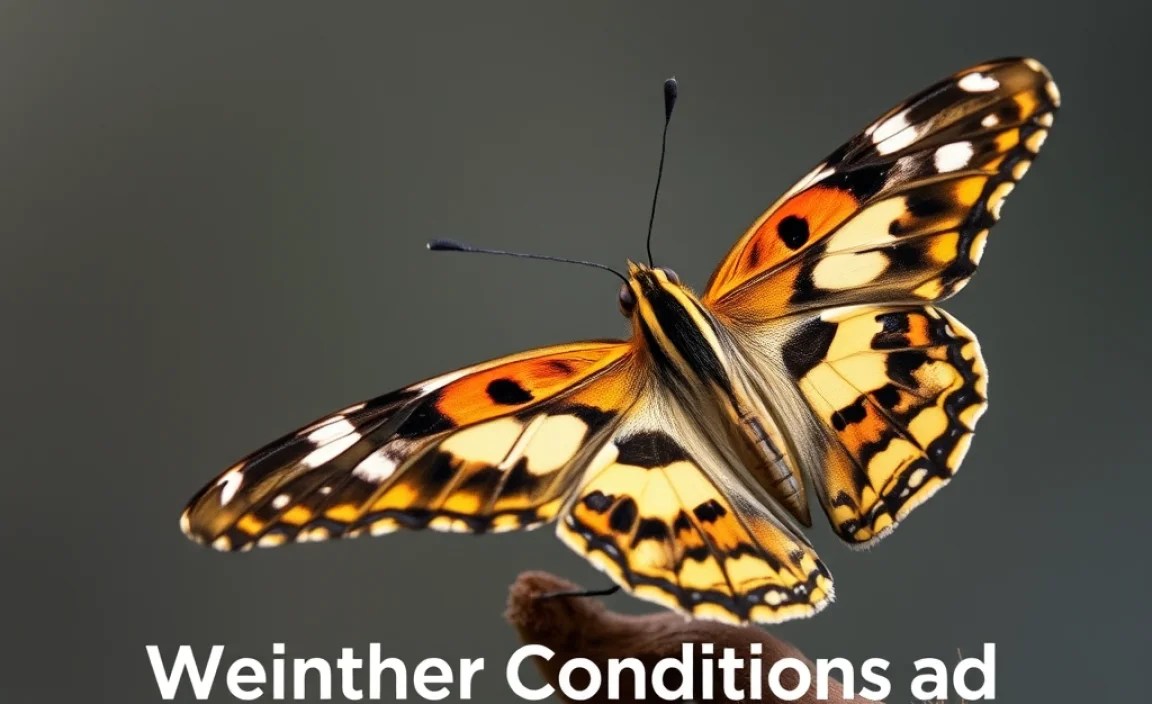
Weather conditions play a crucial role in the life of a painted lady butterfly. These butterflies migrate long distances. They fly across countries and even continents. Weather can make this journey very difficult. Strong winds can blow them off course. Heavy rain can damage their wings. A lack of food can weaken them. Climate change is making weather patterns more unpredictable. This makes it even harder for butterflies to survive. Understanding these challenges is important. It helps us appreciate the resilience of these creatures. It also helps us understand how we can protect them. Painted lady threats and predators are only part of the issue.
- Strong winds disrupt migration routes.
- Heavy rain damages butterfly wings.
- Lack of nectar weakens butterflies.
- Droughts kill host plants.
- Extreme temperatures affect breeding.
- Climate change alters migration patterns.
Migration is a risky business for butterflies. They face many threats along the way. Predators are a constant danger. They must also navigate unfamiliar terrain. Weather can change quickly. A sunny day can turn into a storm in a matter of hours. Butterflies must be able to adapt to these changing conditions. They must also be able to find food and shelter along the way. The journey is long and arduous. Only the strongest butterflies will survive. Understanding these challenges helps us appreciate the incredible feat of migration.
How Do Winds Affect Migration?
Winds can have a big impact on butterfly migration. Strong winds can blow butterflies off course. This can make it harder for them to reach their destination. They may have to expend extra energy to correct their course. Winds can also help butterflies. A tailwind can push them along, making their journey faster. Butterflies often use wind currents to help them fly more efficiently. They can ride these currents for long distances. This conserves their energy. Understanding how winds affect migration is important. It helps us predict where butterflies will go.
What About Rain and Temperature?
Rain and temperature also play a role in butterfly migration. Heavy rain can damage butterfly wings. This can make it harder for them to fly. Extreme temperatures can also be a problem. Very hot temperatures can dehydrate butterflies. Very cold temperatures can freeze them. Butterflies prefer mild temperatures and light rain. These conditions allow them to fly comfortably. They also provide them with the moisture they need. Climate change is making weather patterns more extreme. This can make it harder for butterflies to migrate successfully.
Can Butterflies Adapt to Climate Change?
Butterflies may be able to adapt to climate change. Some species are already shifting their ranges. They are moving to cooler areas as temperatures rise. Other species are changing their breeding times. They are breeding earlier in the year to take advantage of warmer weather. However, not all butterflies will be able to adapt. Some species may not be able to move quickly enough. Others may not be able to tolerate the changing conditions. Climate change is a major threat to butterfly populations. We need to take action to reduce our carbon footprint. This will help protect butterflies and other wildlife.
Fun Fact or Stat: Some butterflies migrate over 3,000 miles each year!
Caterpillar Vulnerabilities and Diseases
Caterpillars are the larval stage of butterflies. They are small and defenseless. This makes them vulnerable to many threats. Predators, diseases, and pesticides can all harm caterpillars. Birds, insects, and spiders will eat caterpillars. Parasitoid wasps lay their eggs inside caterpillars. When the eggs hatch, the larvae eat the caterpillar from the inside out. Viral and bacterial diseases can also kill caterpillars. These threats make it hard for caterpillars to survive. Only a small percentage of caterpillars will make it to adulthood. Understanding these vulnerabilities is important. It helps us protect caterpillars and ensure that butterfly populations thrive.
- Birds prey on caterpillars.
- Insects like ants eat caterpillars.
- Spiders trap caterpillars in webs.
- Parasitoid wasps lay eggs in caterpillars.
- Viral diseases kill caterpillars.
- Bacterial diseases harm caterpillars.
Caterpillars rely on camouflage to protect themselves. They blend in with their surroundings. This makes it harder for predators to see them. Some caterpillars also have spines or hairs. These can deter predators from eating them. Caterpillars also produce silk. They use silk to build shelters. These shelters protect them from the elements. They also provide a safe place to hide from predators. Despite these defenses, caterpillars are still vulnerable. They need our help to survive. We can protect them by planting host plants and avoiding pesticide use.
What Are Parasitoid Wasps?
Parasitoid wasps are a type of wasp that lays its eggs inside another insect. The larvae then eat the host insect from the inside out. This eventually kills the host insect. Parasitoid wasps are a major threat to caterpillars. They can kill large numbers of caterpillars. Different species of parasitoid wasps target different species of caterpillars. Some wasps specialize in attacking painted lady caterpillars. These wasps can have a devastating impact on butterfly populations. They are a natural part of the ecosystem. But their impact can be amplified by habitat loss and pesticide use.
How Do Diseases Affect Caterpillars?
Diseases can also be a major threat to caterpillars. Viral and bacterial infections can spread quickly through caterpillar populations. These diseases can kill large numbers of caterpillars. Diseases are more likely to spread when caterpillars are crowded together. This can happen when there is a lack of food or habitat. Stressed caterpillars are also more susceptible to disease. Pesticide exposure can weaken caterpillars. This makes them more vulnerable to infection. Protecting caterpillar habitats is important. This will help prevent the spread of disease.
What Can We Do to Help Caterpillars?
There are many things we can do to help caterpillars. First, we can plant host plants. This will provide caterpillars with the food they need to grow and develop. Second, we can avoid using pesticides. Pesticides can kill caterpillars directly. They can also weaken them, making them more susceptible to disease and predators. Third, we can protect caterpillar habitats. This will give caterpillars a safe place to live and grow. Finally, we can educate others about the importance of caterpillars. This will help raise awareness about the threats they face.
Fun Fact or Stat: A single caterpillar can eat up to 27,000 times its own weight in food!
Protecting Painted Lady Butterflies
Protecting painted lady butterflies is important. These beautiful creatures play a vital role in the ecosystem. They pollinate flowers. They also serve as food for other animals. Painted lady threats and predators are numerous. We can all take steps to help protect them. We can plant butterfly-friendly gardens. We can reduce our use of pesticides. We can support organizations that protect natural areas. By working together, we can ensure that painted lady butterflies thrive. They bring joy and beauty to our world. Let’s do our part to keep them safe.
- Plant butterfly-friendly gardens.
- Reduce pesticide use.
- Support conservation organizations.
- Educate others about butterfly conservation.
- Create butterfly habitats.
- Promote sustainable farming practices.
Protecting painted lady butterflies is not just about saving a single species. It’s about protecting the entire ecosystem. Butterflies are an important part of the food web. They are also indicators of environmental health. When butterfly populations decline, it’s a sign that something is wrong. This could be due to habitat loss, pesticide use, or climate change. By protecting butterflies, we are also protecting other species. We are also protecting the health of our planet. Let’s all do our part to create a more sustainable world.
How Can Schools Help?
Schools can play a big role in protecting painted lady butterflies. They can create butterfly gardens on school grounds. They can teach students about butterfly conservation. They can also organize field trips to natural areas. Schools can also reduce their use of pesticides. They can use natural pest control methods instead. By taking these steps, schools can help create a more butterfly-friendly environment. They can also educate the next generation about the importance of conservation. This will help ensure that butterflies thrive for years to come.
What Can Families Do?
Families can also take steps to protect painted lady butterflies. They can plant butterfly-friendly gardens in their backyards. They can reduce their use of pesticides. They can also support organizations that protect natural areas. Families can also educate their children about butterfly conservation. They can read books about butterflies. They can also visit butterfly gardens and nature centers. By taking these steps, families can help create a more butterfly-friendly world. They can also instill a love of nature in their children.
Why Is Community Involvement Important?
Community involvement is crucial for protecting painted lady butterflies. When people work together, they can achieve more than they can alone. Communities can organize habitat restoration projects. They can also advocate for policies that protect butterflies. They can educate others about the importance of conservation. By working together, communities can create a more butterfly-friendly environment. They can also inspire others to take action. Community involvement is essential for creating a sustainable future.
Fun Fact or Stat: Butterfly watching is a popular hobby around the world!
Summary
Painted lady butterflies are beautiful insects that face many threats. These threats include predators, habitat loss, pesticide use, and weather conditions. Predators such as birds, spiders, and wasps hunt butterflies. Habitat loss reduces the space where butterflies can live and breed. Pesticides poison butterflies directly or kill their food sources. Weather conditions like strong winds and heavy rain can disrupt migration. Caterpillars are vulnerable to parasitoid wasps and diseases.
Protecting painted lady butterflies is important for maintaining a healthy ecosystem. We can help by planting butterfly-friendly gardens. Reducing pesticide use is also crucial. Supporting conservation organizations is another way to help. Schools, families, and communities can all play a role in protecting these beautiful creatures. By working together, we can ensure that painted lady butterflies thrive for generations to come. Understanding painted lady threats and predators is the first step to helping them.
Conclusion
Painted lady butterflies face many challenges. Predators, habitat loss, and pesticides are major threats. Weather conditions also impact their survival. We must take action to protect these beautiful creatures. Planting butterfly gardens and reducing pesticide use are good steps. Supporting conservation efforts is also important. By working together, we can minimize painted lady threats and predators. This will help ensure their survival for years to come. Let’s all do our part to protect these amazing butterflies.
Frequently Asked Questions
Question No 1: What are the main predators of painted lady butterflies?
Answer: Painted lady butterflies have several natural predators that hunt them. Birds are a major threat, as they can easily catch butterflies in flight. Spiders are another common predator, trapping butterflies in their webs. Insect predators such as wasps and praying mantises also pose a risk. These predators are part of the natural ecosystem. Butterflies must constantly be on guard to avoid becoming their next meal, showcasing the constant struggle for survival these delicate creatures face.
Question No 2: How does habitat loss affect painted lady butterflies?
Answer: Habitat loss is a significant threat to painted lady butterflies. These butterflies need specific habitats to survive. They require open areas with plenty of flowers for nectar. They also need host plants to lay their eggs. As humans develop land for cities and agriculture, these habitats disappear. This reduces the amount of places for butterflies to live and reproduce. Habitat loss can lead to a decline in butterfly populations. Protecting and restoring habitats is crucial for their survival. We must be aware of the impact of painted lady threats and predators.
Question No 3: Are pesticides harmful to painted lady butterflies?
Answer: Yes, pesticides are very harmful to painted lady butterflies. These chemicals are designed to kill insects, but they don’t discriminate. They can kill butterflies directly or indirectly by poisoning their food sources. Pesticides can also disrupt butterfly reproduction and contaminate their habitats. The use of neonicotinoids, a type of pesticide, is particularly concerning. These chemicals can persist in the environment and harm butterflies even at low levels. Reducing pesticide use is essential for protecting butterfly populations. We must be conscious of how painted lady threats and predators are magnified by pesticides.
Question No 4: How do weather conditions impact painted lady migration?
Answer: Weather conditions play a crucial role in painted lady migration. These butterflies migrate long distances. They rely on favorable weather to make their journey. Strong winds can blow them off course, making it harder to reach their destination. Heavy rain can damage their wings, hindering their ability to fly. A lack of nectar sources can weaken them, reducing their stamina. Climate change is making weather patterns more unpredictable, adding to these challenges. Weather conditions greatly affect painted lady threats and predators during their migration.
Question No 5: What can I do to help protect painted lady butterflies?
Answer: There are many things you can do to help protect painted lady butterflies. Plant butterfly-friendly gardens with nectar-rich flowers and host plants. Reduce or eliminate your use of pesticides in your yard. Support organizations that protect natural areas and promote butterfly conservation. Educate others about the importance of butterflies and the threats they face. Create butterfly habitats in your community. Advocate for policies that protect butterflies and their habitats. By taking these steps, you can make a positive impact on butterfly populations.
Question No 6: How are caterpillars vulnerable to predators and diseases?
Answer: Caterpillars are extremely vulnerable to various predators and diseases. Their soft bodies and slow movements make them easy targets for birds, insects, and spiders. Parasitoid wasps pose a significant threat by laying their eggs inside caterpillars. When the larvae hatch, they consume the caterpillar from within, ultimately killing it. Viral and bacterial diseases can also spread rapidly through caterpillar populations, causing widespread mortality. Protecting caterpillars from these threats is essential for ensuring the survival of painted lady butterflies. The combined effect of painted lady threats and predators makes the caterpillars’ existence very fragile.


