
Interesting Monarch Butterfly Facts: Ultimate Guide!

Quick Summary: Monarch butterflies are famous for their incredible multi-generational migration, where they travel thousands of miles each year. They are also known for their bright orange and black wings, which warn predators of their toxicity. Monarch caterpillars feed exclusively on milkweed, which makes them poisonous to many animals. These amazing insects play a vital role in pollination and are a beloved symbol of nature’s beauty and resilience.
Monarch butterflies are one of the most recognizable and beloved insects in North America. But how much do you really know about these beautiful creatures? It’s easy to appreciate their stunning orange and black wings, but there’s so much more to discover about their lives, migrations, and importance to our ecosystem.
Understanding these fascinating details not only deepens our appreciation for monarchs but also highlights the importance of protecting their habitats. Let’s dive into some truly interesting facts that will transform the way you see these incredible butterflies.
The Amazing World of Monarch Butterflies: Interesting Facts

Monarch butterflies are more than just pretty insects. They have a complex life cycle, undertake incredible migrations, and play a crucial role in our environment. Let’s explore some of the most fascinating aspects of their lives.
1. The Epic Monarch Migration
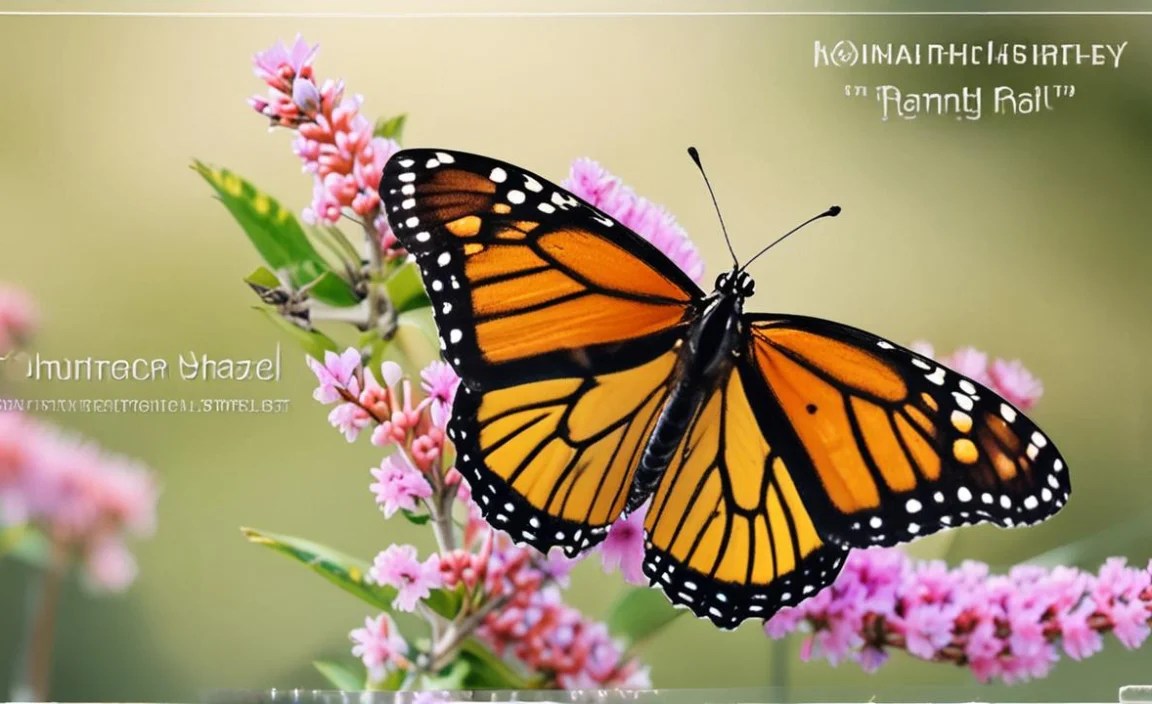
One of the most well-known and awe-inspiring facts about monarch butterflies is their multi-generational migration. This journey is unlike any other in the insect world. Here’s what makes it so special:
- Distance: Monarchs travel thousands of miles, from as far north as Canada to their overwintering grounds in Mexico and California.
- Generations: The migration is completed over several generations. The monarchs that make it to the overwintering sites are not the same ones that started the journey.
- Navigation: Scientists are still unraveling the mysteries of how monarchs navigate such long distances. They use a combination of the Earth’s magnetic field and the sun’s position.
The Role of Each Generation

Each generation of monarch butterflies plays a specific role in the migration cycle:
- Generation 1: These monarchs begin the northward journey in the spring, laying eggs on milkweed plants as they go.
- Generations 2 & 3: These generations continue the northward expansion, each living only a few weeks.
- Generation 4 (The Super Generation): This generation is unique. They live much longer (up to 8 months) and make the entire journey south to the overwintering sites.
2. Milkweed: The Monarch’s Lifeline

Milkweed is essential to the survival of monarch butterflies. Here’s why:
- Exclusive Food Source: Monarch caterpillars feed exclusively on milkweed leaves. Without milkweed, they cannot survive.
- Toxicity: Milkweed contains cardiac glycosides, which are toxic to many animals. Monarch caterpillars ingest these toxins, making them poisonous to predators.
- Protection: The bright colors of monarch caterpillars and butterflies serve as a warning to predators, signaling their toxicity.
Different Types of Milkweed
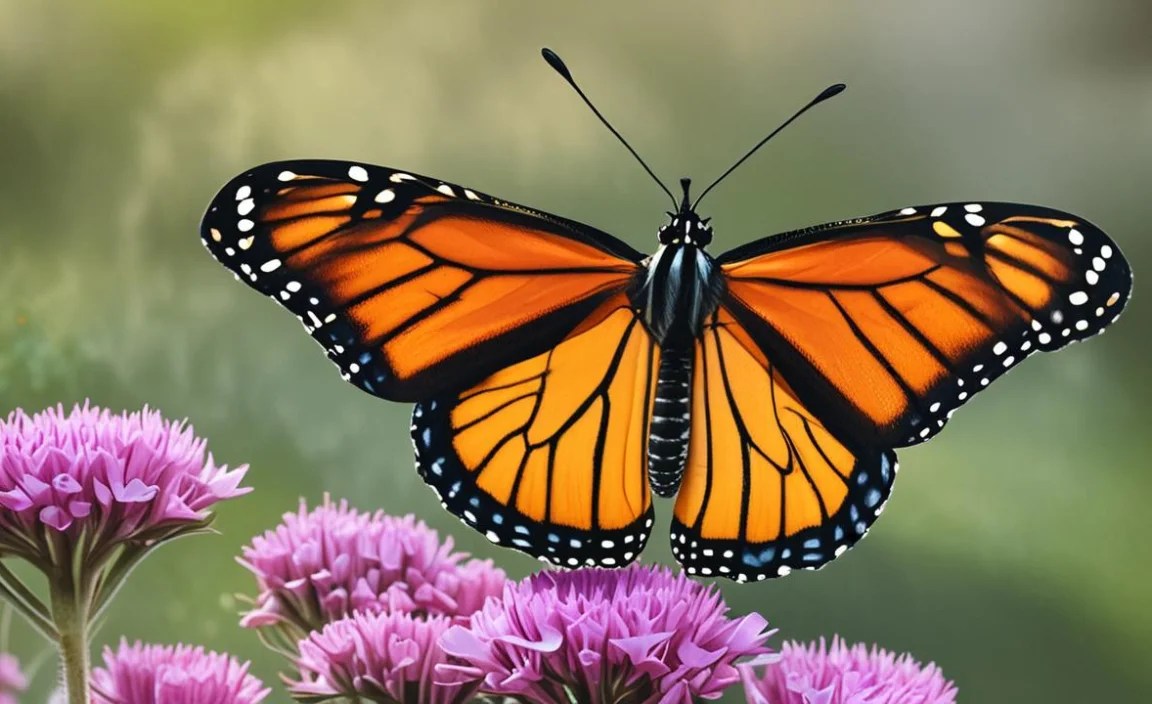
There are many different species of milkweed, and monarchs can use several of them. Some popular varieties include:
- Common Milkweed (Asclepias syriaca): A widespread species that is easy to grow.
- Swamp Milkweed (Asclepias incarnata): Prefers moist soil and produces beautiful pink flowers.
- Butterfly Weed (Asclepias tuberosa): A drought-tolerant species with bright orange flowers.
Planting milkweed in your garden is one of the best ways to support monarch populations. You can find milkweed plants and seeds at many nurseries and online retailers.
3. Monarchs are Poisonous
As mentioned earlier, monarch butterflies are poisonous due to the cardiac glycosides they ingest from milkweed. This toxicity provides them with a natural defense against predators.
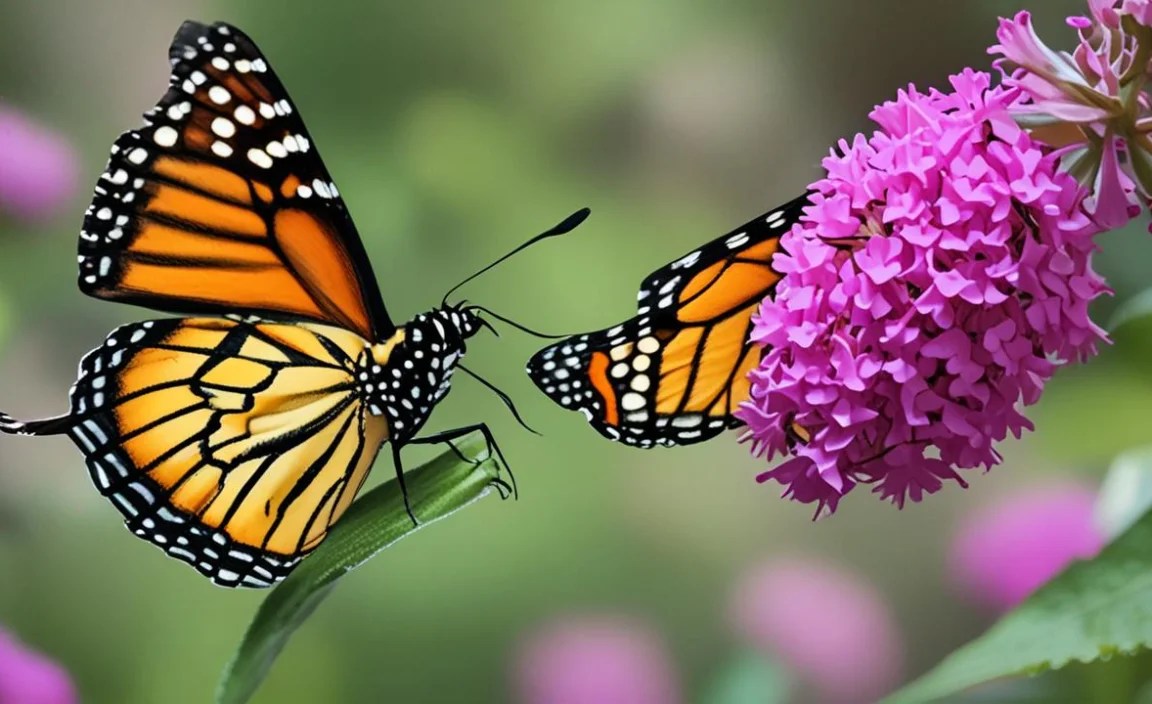
- Warning Colors: The bright orange and black wings of monarchs are aposematic, meaning they serve as a warning signal to predators.
- Taste: Predators that try to eat a monarch quickly learn that they taste bad and are likely to avoid them in the future.
- Mimicry: The viceroy butterfly, which is not poisonous, mimics the appearance of the monarch to gain protection from predators. This is an example of Batesian mimicry.
4. The Monarch Life Cycle
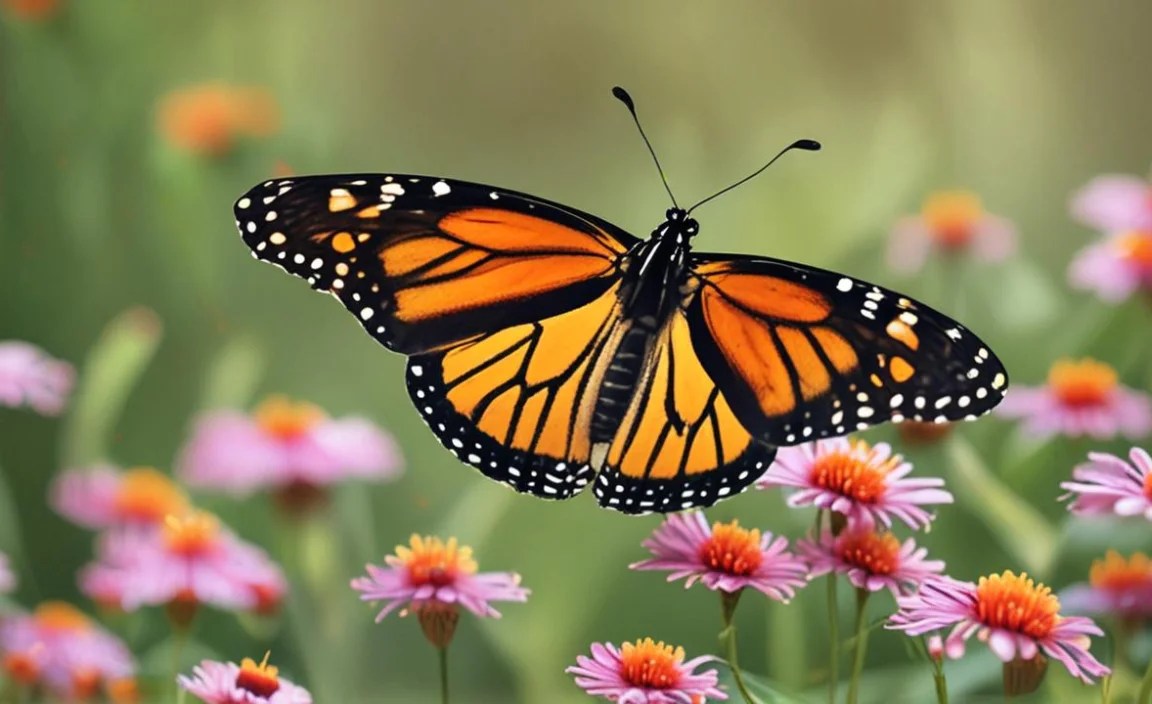
The monarch butterfly undergoes complete metamorphosis, meaning it has four distinct life stages:
- Egg: Monarch eggs are tiny, cream-colored, and laid individually on milkweed leaves.
- Larva (Caterpillar): The caterpillar hatches from the egg and feeds voraciously on milkweed, growing rapidly and molting several times.
- Pupa (Chrysalis): The caterpillar forms a jade-green chrysalis, inside which it undergoes metamorphosis.
- Adult: The adult butterfly emerges from the chrysalis, ready to reproduce and continue the cycle.
Detailed Look at Each Stage
| Stage | Description | Duration |
|---|---|---|
| Egg | Small, oval, and laid on milkweed leaves. | 3-5 days |
| Larva (Caterpillar) | Black, yellow, and white stripes; feeds on milkweed. | 2-3 weeks |
| Pupa (Chrysalis) | Jade green with gold dots; hangs upside down. | 10-14 days |
| Adult | Orange and black wings; reproduces and migrates. | 2-8 weeks (except for the migratory generation) |
5. Monarchs as Pollinators
While monarchs are best known for their migration and milkweed diet, they also play a role in pollination. As they visit flowers to drink nectar, they transfer pollen from one flower to another.
- Nectar Source: Adult monarchs feed on nectar from a variety of flowers, including milkweed, asters, and goldenrod.
- Pollination: While not as efficient as bees, monarchs contribute to the pollination of these plants, helping them to reproduce.
- Ecosystem Role: By pollinating plants, monarchs help to maintain the health and diversity of ecosystems.
6. Monarch Butterfly Habitats
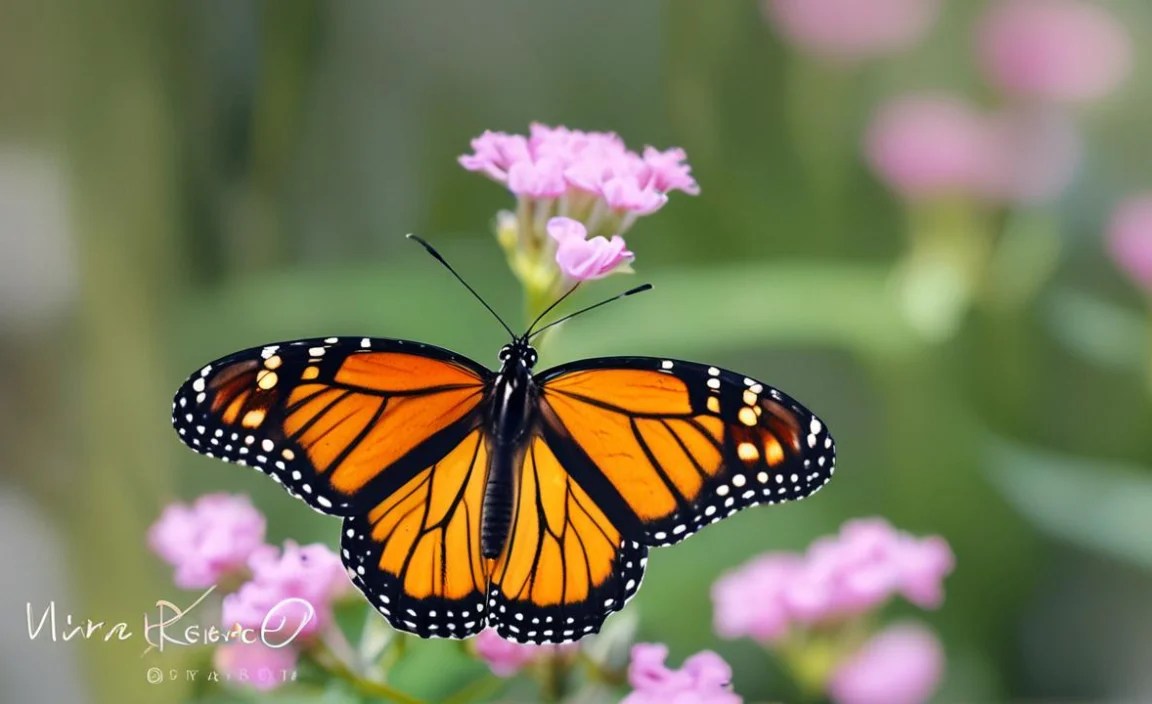
Monarchs can be found in a variety of habitats throughout North America, but they have specific habitat requirements:
- Breeding Habitats: These areas must have milkweed for the caterpillars to feed on and nectar sources for the adults.
- Migration Corridors: Monarchs need nectar sources along their migration routes to fuel their journey.
- Overwintering Sites: In Mexico and California, monarchs gather in large numbers in specific forests, where the microclimate provides protection from freezing temperatures.
Threats to Monarch Habitats

Monarch habitats are threatened by a variety of factors, including:
- Habitat Loss: Development, agriculture, and logging are destroying milkweed and nectar sources.
- Climate Change: Extreme weather events and changing temperatures can disrupt monarch migration and breeding.
- Pesticide Use: Herbicides and insecticides can kill milkweed and monarchs directly.
7. Conservation Status and Efforts
Monarch butterfly populations have declined dramatically in recent decades, raising concerns about their long-term survival. Several factors contribute to this decline:
- Population Decline: Monarch populations have decreased by as much as 90% since the 1990s.
- Threatened Status: Monarchs are currently under consideration for listing under the Endangered Species Act.
Conservation Efforts
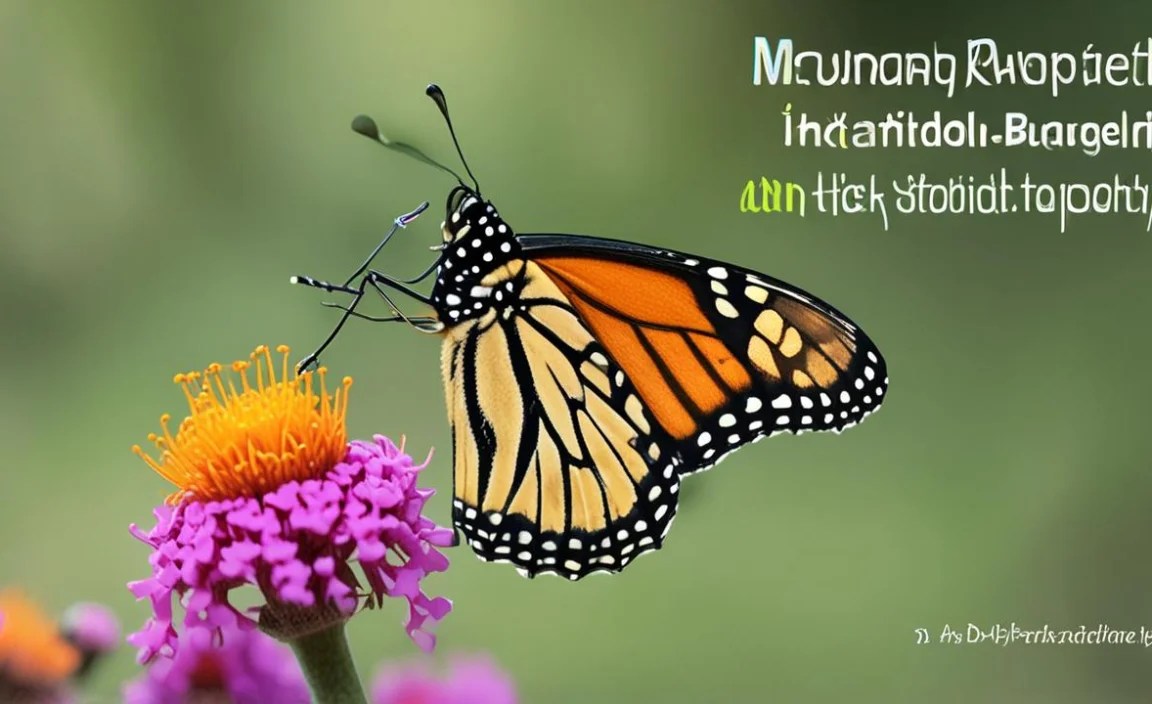
Many organizations and individuals are working to protect monarch butterflies. Some key efforts include:
- Habitat Restoration: Planting milkweed and nectar-rich flowers to provide food and shelter.
- Reducing Pesticide Use: Promoting sustainable agricultural practices and reducing the use of harmful chemicals.
- Citizen Science: Engaging volunteers in monitoring monarch populations and migration patterns.
- Supporting Protected Areas: Protecting overwintering sites in Mexico and California.
8. Monarch Butterfly Wing Patterns and Colors
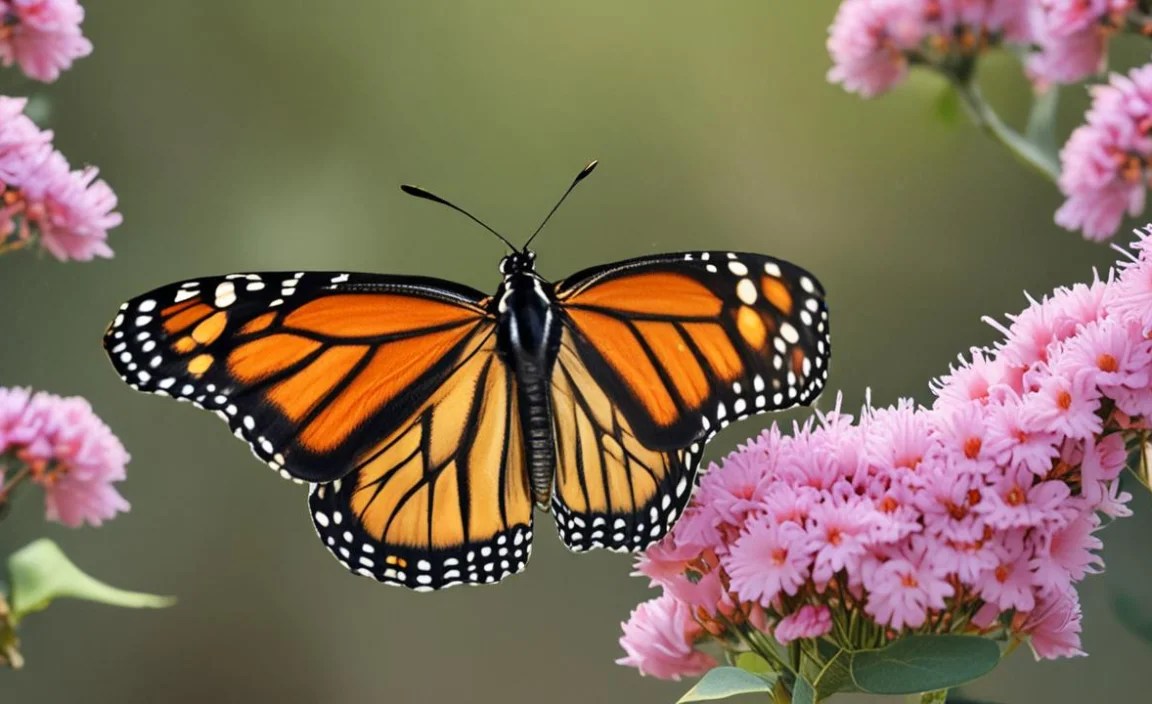
The striking orange and black patterns on monarch butterfly wings are not just for show. They serve several important functions:
- Warning Signal: The bright colors warn predators of the monarch’s toxicity, as mentioned earlier.
- Camouflage: When monarchs are resting with their wings closed, the underside of their wings provides camouflage, helping them blend in with their surroundings.
- Thermoregulation: The dark wing patterns help monarchs absorb heat from the sun, which is important for regulating their body temperature.
Distinguishing Males from Females

It’s possible to tell male and female monarchs apart by looking at their wings:
- Males: Have thinner wing veins and a small black spot on each hind wing.
- Females: Have thicker wing veins and lack the black spot on their hind wings.
9. Monarchs in Culture and Symbolism

Monarch butterflies hold cultural and symbolic significance in many societies:
- Symbol of Transformation: The monarch’s metamorphosis from caterpillar to butterfly is often seen as a symbol of transformation, rebirth, and resilience.
- Spiritual Symbolism: In some cultures, monarchs are believed to represent the spirits of ancestors or loved ones who have passed away.
- Art and Literature: Monarchs are a popular subject in art, literature, and folklore, often representing beauty, freedom, and the fragility of life.
10. How You Can Help Monarchs
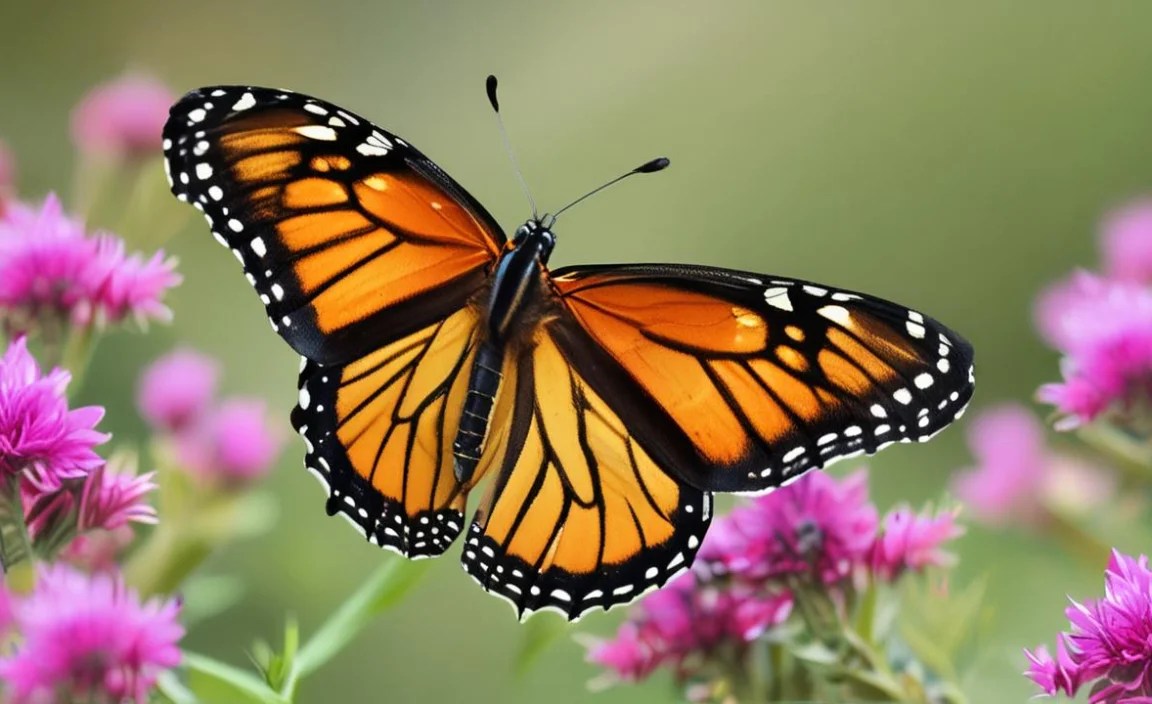
There are many ways that you can help protect monarch butterflies:
- Plant Milkweed: This is the most important thing you can do to support monarch populations.
- Plant Nectar Flowers: Provide a variety of nectar-rich flowers that bloom throughout the growing season.
- Avoid Pesticides: Use organic gardening practices and avoid using harmful chemicals.
- Create a Butterfly Garden: Design a garden specifically to attract and support butterflies.
- Support Conservation Organizations: Donate to or volunteer with organizations that are working to protect monarchs and their habitats.
- Educate Others: Share your knowledge about monarchs with friends, family, and your community.
Frequently Asked Questions About Monarch Butterflies
Here are some common questions people have about monarch butterflies:
- What do monarch caterpillars eat?
- Monarch caterpillars exclusively eat milkweed leaves. It’s the only food they can digest and it provides them with the toxins that make them poisonous to predators.
- How long do monarch butterflies live?
- Most monarch butterflies live for about 2 to 6 weeks. However, the generation that migrates south can live for up to 8 or 9 months.
- Where do monarch butterflies go in the winter?
- Monarchs east of the Rocky Mountains migrate to the oyamel fir forests in the mountains of central Mexico. Those west of the Rockies migrate to overwintering sites along the California coast. You can report monarch sightings to programs like Monarch Watch.
- Are monarch butterflies endangered?
- Monarch butterflies are not officially listed as endangered in the United States, but they are under consideration for listing. Their populations have declined significantly, and they are considered a vulnerable species.
- Can I raise monarch butterflies at home?
- Yes, you can raise monarch butterflies at home. It’s a great way to learn about their life cycle and help boost their populations. Just be sure to provide them with plenty of fresh milkweed and a safe, enclosed habitat. Learn more about raising monarchs from experts like the Xerces Society.
- What is the difference between a monarch and a viceroy butterfly?
- Monarchs and viceroys look very similar, but there are a few key differences. Monarchs have thicker wing veins and lack a black line across their hind wings. Viceroys have a black line across their hind wings and are typically smaller than monarchs.
- How can I attract monarch butterflies to my garden?
- To attract monarchs to your garden, plant milkweed and a variety of nectar-rich flowers. Provide a water source, such as a shallow dish of water with pebbles for them to land on. Avoid using pesticides, and create a sheltered area with plenty of sunlight.
Conclusion
Monarch butterflies are truly remarkable creatures, with their incredible migration, unique life cycle, and important role in our ecosystem. By understanding these interesting facts, we can better appreciate and protect these beautiful insects.
Whether you’re planting milkweed in your garden, supporting conservation organizations, or simply spreading the word about the importance of monarchs, every effort counts. Let’s work together to ensure that future generations can continue to marvel at the magic of monarch butterflies.


