
Glasswing Butterfly Breeding: Easy Secret Revealed!

Breeding glasswing butterflies (Greta oto) requires a controlled environment like a butterfly enclosure. Start with a healthy pair and provide host plants (Cestrum species) for egg-laying. Maintain high humidity and consistent temperature. Once caterpillars hatch, ensure a steady supply of fresh leaves. After pupation, mist regularly. Adult butterflies need nectar sources and a safe, humid habitat to thrive and reproduce.
Have you ever been captivated by the ethereal beauty of a glasswing butterfly? Their transparent wings make them seem like magical creatures floating through the air. Many butterfly enthusiasts dream of breeding these delicate insects, but often find it a challenging task. Don’t worry, with the right knowledge and a bit of patience, you can create a thriving glasswing butterfly habitat.
This guide will walk you through each step, from setting up the perfect enclosure to nurturing the caterpillars and caring for the adult butterflies. Get ready to unlock the secrets of glasswing butterfly breeding and witness the miracle of metamorphosis firsthand!
Understanding Glasswing Butterflies

Before diving into breeding, let’s learn more about these amazing creatures. Glasswing butterflies, scientifically known as Greta oto, are renowned for their transparent wings, which allow them to blend seamlessly into their environment. This camouflage is a crucial defense mechanism against predators.
Habitat and Distribution
Glasswing butterflies are native to Central and South America, ranging from Mexico to Panama and as far south as Argentina. They thrive in humid tropical forests, where their host plants are abundant. Understanding their natural habitat is key to replicating suitable conditions for breeding.
Life Cycle
The glasswing butterfly life cycle consists of four stages:
- Egg: Females lay tiny, pearl-like eggs on the host plant.
- Larva (Caterpillar): The caterpillar hatches and feeds voraciously on the host plant, growing through several instars (stages between molts).
- Pupa (Chrysalis): The caterpillar transforms into a pupa, a protective shell where metamorphosis occurs.
- Adult: The butterfly emerges from the pupa, ready to reproduce and continue the cycle.
Setting Up the Breeding Enclosure
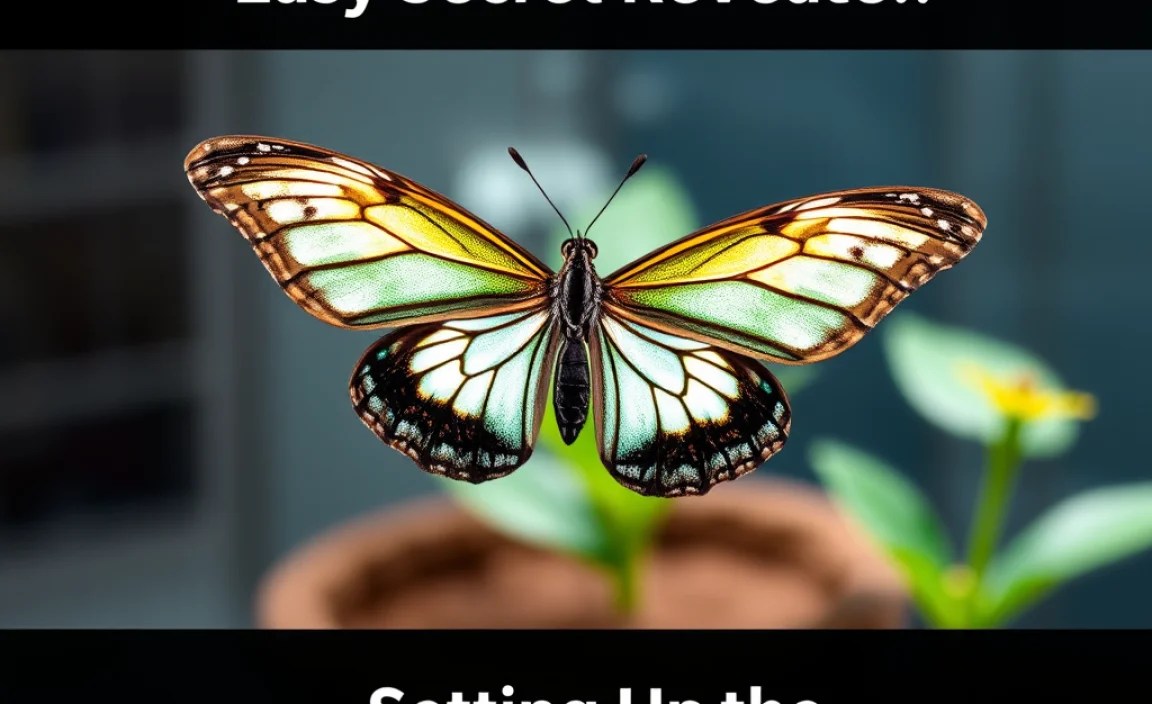
Creating the right environment is crucial for successful glasswing butterfly breeding. Here’s how to set up an ideal enclosure.
Choosing the Right Enclosure
Select a spacious enclosure to allow the butterflies to fly and mate comfortably. A mesh enclosure is ideal, as it provides good ventilation and visibility. A size of at least 2ft x 2ft x 3ft (60cm x 60cm x 90cm) is recommended for a small group.
Essential Enclosure Components
- Mesh Enclosure: Provides ventilation and visibility.
- Host Plants: Cestrum species are essential for egg-laying and caterpillar food.
- Nectar Sources: Butterfly feeders or nectar-rich flowers for adult butterflies.
- Humidity Control: A humidifier or regular misting to maintain high humidity.
- Temperature Control: A heater or cooler to maintain a consistent temperature.
- Water Source: A shallow dish of water with pebbles for butterflies to drink.
Preparing the Enclosure
- Clean the Enclosure: Disinfect the enclosure with a mild bleach solution and rinse thoroughly.
- Add Host Plants: Place potted Cestrum plants inside the enclosure. Ensure they are healthy and free of pesticides.
- Provide Nectar Sources: Hang butterfly feeders filled with nectar solution or place nectar-rich flowers like lantana or pentas inside.
- Maintain Humidity: Use a humidifier or mist the enclosure regularly to keep the humidity between 60-80%.
- Control Temperature: Maintain a temperature range of 75-85°F (24-29°C).
- Add Water Source: Place a shallow dish of water with pebbles inside the enclosure. The pebbles prevent the butterflies from drowning.
Selecting and Introducing Breeding Stock

Choosing healthy and compatible butterflies is vital for successful breeding.
Identifying Healthy Butterflies
Look for butterflies with:
- Bright, clear wings
- Active flight
- No visible injuries or deformities
- A healthy appetite
Sourcing Butterflies
You can source glasswing butterflies from:
- Reputable breeders
- Butterfly farms
- Butterfly exhibits (if they allow sales)
Important: Ensure that sourcing butterflies is legal and sustainable in your region. Some areas have restrictions on collecting or breeding native species.
Introducing Butterflies to the Enclosure
- Acclimation: Place the container with the butterflies inside the enclosure for about an hour to allow them to adjust to the temperature and humidity.
- Release: Gently release the butterflies into the enclosure. Avoid handling them directly, as their wings are delicate.
- Observation: Observe the butterflies for the first few days to ensure they are adjusting well and feeding properly.
Caring for Eggs and Caterpillars
Once the butterflies are settled, they will begin to lay eggs. Proper care of the eggs and caterpillars is crucial for their survival.
Egg Collection and Incubation
Glasswing butterflies typically lay their eggs on Cestrum leaves.
- Collect Eggs: Carefully remove the leaves with eggs and place them in a small, ventilated container.
- Incubation: Keep the container in a warm, humid place. Mist the eggs lightly with water daily to prevent them from drying out.
- Hatching: The eggs should hatch in about 4-7 days.
Caterpillar Care
Caterpillars are voracious eaters and require a constant supply of fresh host plant leaves.
- Feeding: Provide fresh Cestrum leaves daily. Replace the leaves as they dry out or become consumed.
- Cleaning: Regularly remove frass (caterpillar droppings) and old leaves to prevent mold and disease.
- Humidity: Maintain high humidity by misting the caterpillars and their food plants regularly.
- Ventilation: Ensure good ventilation to prevent the buildup of moisture and mold.
Recognizing and Addressing Common Problems
Caterpillars can be susceptible to diseases and parasites. Watch out for signs of illness, such as:
- Lethargy
- Discoloration
- Failure to feed
If you notice any of these signs, isolate the affected caterpillars and consult with a butterfly expert or veterinarian. Use organic pest control methods if necessary, but avoid harsh chemicals that could harm the caterpillars.
Managing Pupation and Emergence
The pupa stage is a delicate period where the caterpillar transforms into a butterfly. Proper care during this stage is essential for a successful emergence.
Creating a Suitable Pupation Environment
Caterpillars will typically pupate on a stem or leaf of the host plant. Ensure the pupae are protected and undisturbed.
- Protection: If a pupa falls, gently attach it to a stem or leaf using a small amount of non-toxic glue or thread.
- Humidity: Maintain high humidity by misting the pupae regularly.
- Ventilation: Ensure good ventilation to prevent mold growth.
Monitoring Emergence
The pupa will become transparent as the butterfly prepares to emerge. This process usually takes about 7-14 days.
- Observation: Monitor the pupae closely for signs of emergence.
- Space: Ensure there is enough space around the pupa for the butterfly to expand its wings fully.
Assisting with Emergence (If Necessary)
Sometimes, a butterfly may have difficulty emerging from the pupa. If this happens, you can gently assist by:
- Moistening: Moisten the pupa with a damp cotton swab to soften the shell.
- Gentle Assistance: Very carefully help the butterfly to detach from the pupal case. Be extremely gentle to avoid damaging the wings.
Caring for Adult Butterflies
Once the butterflies emerge, they need proper care to thrive and reproduce.
Providing Nectar Sources
Adult glasswing butterflies feed on nectar. Provide a variety of nectar sources, such as:
- Butterfly Feeders: Fill feeders with a homemade nectar solution (1 part honey or sugar to 4 parts water).
- Nectar-Rich Flowers: Plant nectar-rich flowers like lantana, pentas, and salvia in the enclosure.
- Fruit: Offer slices of ripe fruit like watermelon, oranges, and bananas.
Maintaining Humidity and Temperature
Adult butterflies need a warm, humid environment to stay healthy.
- Humidity: Maintain humidity between 60-80% by misting the enclosure regularly.
- Temperature: Keep the temperature between 75-85°F (24-29°C).
Encouraging Mating and Reproduction
To encourage mating, ensure the butterflies have:
- Adequate Space: A spacious enclosure allows for flight and courtship.
- Host Plants: Provide plenty of fresh Cestrum plants for egg-laying.
- Optimal Conditions: Maintain warm temperatures, high humidity, and ample nectar sources.
Troubleshooting Common Issues
Even with the best care, you may encounter some challenges when breeding glasswing butterflies. Here are some common issues and how to address them.
Low Egg Hatch Rate
Possible causes:
- Low Humidity: Ensure eggs are kept in a humid environment.
- Infertile Eggs: Ensure you have a healthy, compatible pair of butterflies.
- Temperature Fluctuations: Maintain a consistent temperature.
Caterpillar Mortality
Possible causes:
- Lack of Fresh Food: Provide fresh Cestrum leaves daily.
- Disease: Maintain a clean enclosure and isolate sick caterpillars.
- Pesticides: Ensure host plants are free of pesticides.
Failure to Emerge from Pupa
Possible causes:
- Low Humidity: Mist the pupae regularly.
- Physical Damage: Protect the pupae from disturbance.
- Weak Butterfly: Ensure the caterpillars are well-fed and healthy.
Best Practices for Long-Term Success
To ensure long-term success in glasswing butterfly breeding, follow these best practices:
- Maintain Cleanliness: Regularly clean the enclosure to prevent disease and mold.
- Monitor Conditions: Keep a close eye on temperature, humidity, and ventilation.
- Provide Fresh Food: Ensure a constant supply of fresh host plants and nectar sources.
- Observe Butterflies: Monitor the butterflies for signs of illness or stress.
- Continuous Learning: Stay informed about the latest research and best practices in butterfly breeding.
Table: Ideal Conditions for Glasswing Butterfly Breeding
| Parameter | Ideal Range | Notes |
|---|---|---|
| Temperature | 75-85°F (24-29°C) | Maintain a consistent temperature to support all life stages. |
| Humidity | 60-80% | High humidity is crucial for egg hatching, caterpillar growth, and butterfly health. |
| Ventilation | Good Airflow | Ensure adequate airflow to prevent mold and disease. |
| Host Plant | Cestrum Species | Essential for egg-laying and caterpillar food. |
| Nectar Sources | Butterfly Feeders, Nectar-Rich Flowers | Provide a constant supply of nectar for adult butterflies. |
Table: Troubleshooting Guide
| Problem | Possible Cause | Solution |
|---|---|---|
| Low Egg Hatch Rate | Low Humidity, Infertile Eggs, Temperature Fluctuations | Increase humidity, ensure healthy butterflies, maintain consistent temperature. |
| Caterpillar Mortality | Lack of Fresh Food, Disease, Pesticides | Provide fresh leaves daily, maintain a clean enclosure, ensure pesticide-free plants. |
| Failure to Emerge from Pupa | Low Humidity, Physical Damage, Weak Butterfly | Mist pupae regularly, protect from disturbance, ensure caterpillars are well-fed. |
| Adult Butterflies Not Feeding | Inadequate Nectar Sources, Stress, Disease | Provide variety of nectar sources, reduce stress, monitor for signs of illness. |
FAQ Section
Q: What do glasswing butterfly caterpillars eat?
A: Glasswing butterfly caterpillars primarily eat the leaves of Cestrum species plants. Ensure they have a constant supply of fresh leaves to thrive.
Q: How long does it take for a glasswing butterfly egg to hatch?
A: Glasswing butterfly eggs typically hatch in about 4-7 days, depending on temperature and humidity.
Q: How do I maintain the right humidity in the enclosure?
A: You can maintain humidity by misting the enclosure regularly with water or using a humidifier. Aim for a humidity level between 60-80%.
Q: What temperature is best for glasswing butterflies?
A: Glasswing butterflies thrive in temperatures between 75-85°F (24-29°C). Use a heater or cooler to maintain a consistent temperature.
Q: How can I tell if a glasswing butterfly is healthy?
A: Healthy glasswing butterflies have bright, clear wings, are active in flight, and have a good appetite. Look for any signs of injury or lethargy.
Q: How often should I clean the butterfly enclosure?
A: Clean the enclosure regularly, removing frass and old leaves daily. A more thorough cleaning should be done weekly to prevent mold and disease.
Q: Where can I buy glasswing butterflies?
A: You can purchase glasswing butterflies from reputable breeders, butterfly farms, or butterfly exhibits. Ensure that sourcing butterflies is legal and sustainable in your region.
Conclusion
Breeding glasswing butterflies is a rewarding experience that allows you to witness the beauty and complexity of nature up close. By providing the right environment, caring for the eggs and caterpillars, and nurturing the adult butterflies, you can create a thriving glasswing butterfly habitat. Remember to be patient, observant, and always willing to learn. With dedication and care, you’ll be able to enjoy the enchanting presence of these transparent-winged wonders in your own home.
Happy butterfly breeding!


