
Migration of European Butterflies: See Their Journey!

The migration of European butterflies involves incredible journeys, with some species traveling thousands of kilometers across continents. These migrations are driven by the search for suitable breeding grounds and favorable climates, showcasing remarkable adaptations and behaviors in these delicate creatures.
Have you ever wondered how butterflies, so seemingly fragile, can travel vast distances? The migration of European butterflies is one of nature’s most fascinating phenomena. It’s a journey driven by instinct, weather, and the simple need to survive and reproduce. Understanding this migration helps us appreciate the resilience and beauty of these creatures. We’ll walk through the reasons behind butterfly migration, which species undertake these epic journeys, and how you can support them along the way. Let’s explore the captivating world of butterfly migration together.
Frequently Asked Questions About Butterfly Migration
Why do butterflies migrate?
Butterflies migrate to find suitable breeding grounds, escape harsh weather conditions, and access food sources that may not be available year-round in one location. This ensures the survival of their species.
Which European butterflies are known to migrate?
The most well-known migratory butterfly in Europe is the Painted Lady (Vanessa cardui). Others include the Clouded Yellow (Colias croceus) and, to a lesser extent, some species of fritillaries.
How far do European butterflies migrate?
Painted Ladies can migrate thousands of kilometers, traveling from North Africa to Scandinavia in multiple generations. The exact distance varies each year depending on environmental conditions.
How do butterflies navigate during migration?
Butterflies use a combination of cues to navigate, including the Earth’s magnetic field, the position of the sun, and landmarks. Their navigation is complex and not fully understood.
What can I do to help migratory butterflies?
You can help by planting nectar-rich flowers that provide food for adult butterflies and host plants for caterpillars. Reducing pesticide use and creating butterfly-friendly habitats in your garden or community can also make a big difference.
Are butterfly migrations affected by climate change?
Yes, climate change can alter migration patterns, timing, and the availability of suitable habitats. This can lead to mismatches between butterfly life cycles and the resources they need, posing a threat to their populations.
Where can I see migrating butterflies in Europe?
Migrating butterflies can be observed in various locations across Europe, especially during spring and autumn. Coastal areas, mountain passes, and open fields with abundant flowers are often good places to spot them.
Understanding Butterfly Migration in Europe

Butterfly migration is a captivating phenomenon, especially in Europe, where various species undertake remarkable journeys. These migrations are driven by the need to find suitable breeding grounds, escape harsh weather, and locate food sources. Let’s dive into the specifics of this fascinating behavior.
Why Butterflies Migrate
Migration is a survival strategy for many butterfly species. Here’s why they do it:
- Climate: Butterflies cannot survive freezing temperatures. They migrate to warmer regions to avoid the cold.
- Food Availability: Some regions lack food sources during certain times of the year. Migration allows butterflies to follow the availability of nectar and host plants.
- Breeding Grounds: Suitable breeding habitats may only be available in specific locations or during certain seasons.
Key Migratory Butterfly Species in Europe
Several butterfly species in Europe are known for their migratory behavior. Here are a few notable ones:
- Painted Lady (Vanessa cardui): The most well-known migratory butterfly in Europe, undertaking massive migrations from North Africa to Scandinavia.
- Clouded Yellow (Colias croceus): Another common migrant, known for its bright yellow wings and long-distance flights.
- Monarch (Danaus plexippus): While primarily found in North America, occasional Monarch butterflies have been spotted in Europe, likely due to accidental introductions or natural dispersal.
- Red Admiral (Vanessa atalanta): Known to migrate in large numbers, although its migratory patterns are less predictable than the Painted Lady.
The Incredible Journey of the Painted Lady

The Painted Lady butterfly (Vanessa cardui) is the most famous migratory butterfly in Europe. Its migrations are truly remarkable, involving multiple generations and vast distances.
Migration Patterns
Painted Ladies typically migrate from North Africa and the Middle East to Europe in the spring and summer. They can reach as far north as Scandinavia and even Iceland. The journey involves multiple generations, with each generation continuing the migration northward.
Here’s a simplified overview:
- Spring: Butterflies emerge in North Africa and the Middle East and begin migrating north.
- Summer: They reach Europe, where they breed and lay eggs.
- Autumn: The offspring of these butterflies continue to migrate further north, and eventually, some return south to overwinter in warmer climates.
How Far They Travel
Painted Ladies can travel thousands of kilometers during their migration. Some individuals may fly over 4,000 kilometers (2,500 miles) in a single generation. The entire migration, involving multiple generations, can cover distances of over 12,000 kilometers (7,500 miles).
Navigation Skills
The navigation skills of Painted Ladies are impressive. They use a combination of cues to stay on course:
- Sun Compass: They use the position of the sun to maintain direction.
- Magnetic Field: Some studies suggest they can sense the Earth’s magnetic field.
- Landmarks: They may use visual landmarks to guide their way.
Other Migratory Butterflies in Europe

While the Painted Lady gets most of the attention, other butterfly species also undertake significant migrations in Europe.
Clouded Yellow (Colias croceus)
The Clouded Yellow is a common migrant in Europe, known for its bright yellow wings. It migrates from southern Europe and North Africa to northern Europe during the summer months.
Key facts about Clouded Yellow migration:
- Range: Southern Europe to Northern Europe
- Timing: Spring and Summer
- Distance: Hundreds to thousands of kilometers
Red Admiral (Vanessa atalanta)
The Red Admiral is another migratory species found in Europe. Its migrations are less predictable than those of the Painted Lady, but it can still travel significant distances.
Interesting points about Red Admiral migration:
- Variability: Migration patterns vary from year to year.
- Overwintering: Some Red Admirals overwinter in southern Europe, while others migrate further south.
- Range: Across Europe
Factors Influencing Butterfly Migration
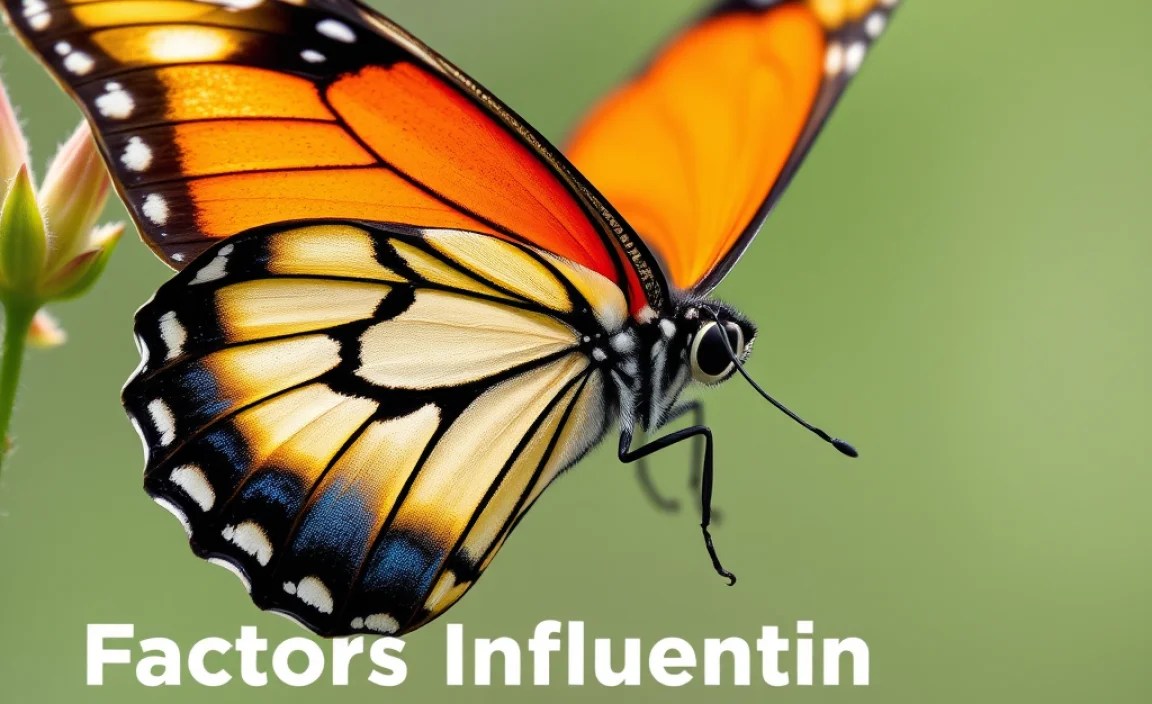
Several factors influence the migration of European butterflies. Understanding these factors can help us appreciate the complexity of this phenomenon.
Weather Conditions
Weather plays a crucial role in butterfly migration. Wind direction, temperature, and rainfall can all affect the timing and success of migration.
- Wind: Favorable winds can help butterflies travel faster and further.
- Temperature: Warm temperatures are necessary for butterfly flight and breeding.
- Rainfall: Adequate rainfall is needed to support the growth of host plants and nectar sources.
Availability of Food Sources
The availability of nectar and host plants is essential for butterfly survival during migration. Butterflies need nectar for energy, and caterpillars need specific host plants to feed on.
Examples of important food sources:
- Nectar Plants: Thistles, Buddleja, Lavender
- Host Plants for Painted Lady: Thistles, Mallows
- Host Plants for Clouded Yellow: Clover, Alfalfa
Habitat Availability
Suitable habitats along the migration route are crucial for butterflies to rest and refuel. These habitats should provide shelter, nectar sources, and host plants.
Key habitat features:
- Shelter: Areas with trees and shrubs to protect from wind and rain.
- Nectar Sources: Fields and gardens with a variety of flowering plants.
- Host Plants: Patches of host plants where butterflies can lay their eggs.
How Climate Change Affects Butterfly Migration
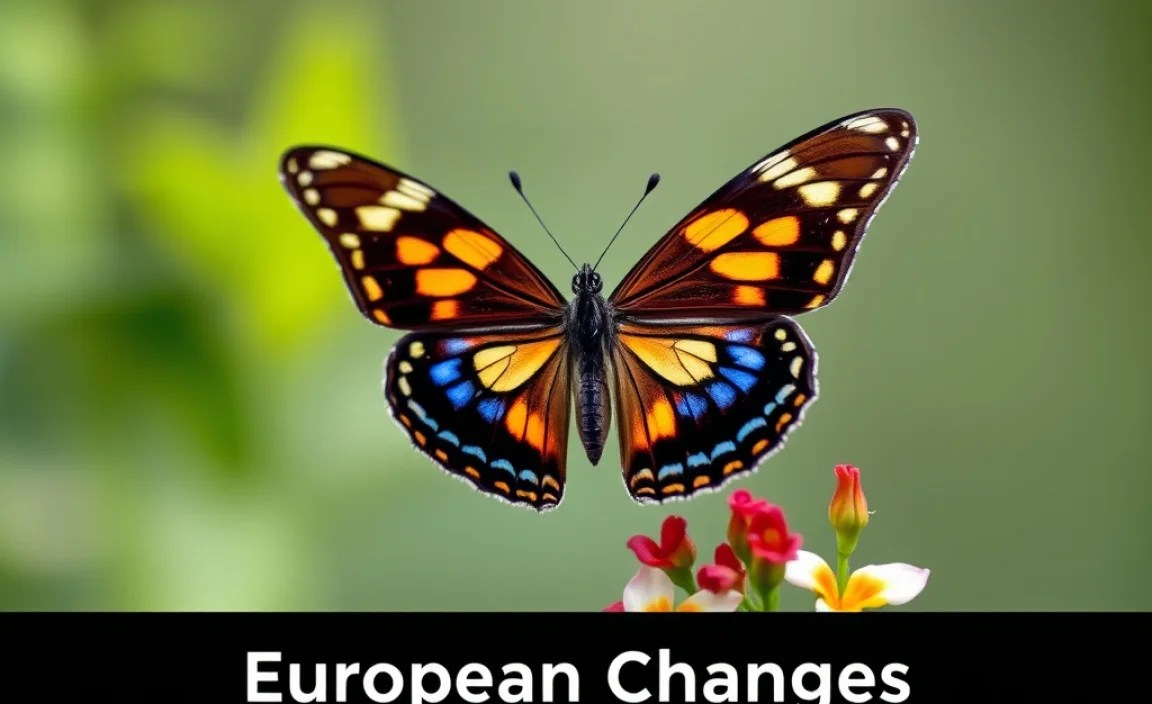
Climate change is increasingly impacting butterfly migration patterns. Altered temperatures, changing rainfall patterns, and habitat loss can disrupt migration and threaten butterfly populations.
Changes in Migration Timing
Warmer temperatures can cause butterflies to emerge earlier in the spring, leading to mismatches between butterfly life cycles and the availability of food sources. This can reduce their chances of survival and reproduction.
Habitat Loss
Climate change can lead to habitat loss due to drought, flooding, and changes in vegetation. This reduces the availability of suitable breeding grounds and food sources for migrating butterflies.
Increased Extreme Weather Events
More frequent and intense extreme weather events, such as heatwaves and storms, can disrupt migration and cause significant mortality among butterflies.
Observing Butterfly Migration
Observing butterfly migration can be a rewarding experience. Here are some tips for spotting migrating butterflies in Europe.
Best Times to Observe
The best times to observe butterfly migration are during the spring and summer months, when butterflies are actively migrating northward, and in the autumn, when some species migrate southward.
Optimal Observation Periods:
- Spring: April to June
- Summer: July to August
- Autumn: September to October
Where to Look
Migrating butterflies can be found in various locations across Europe. Coastal areas, mountain passes, and open fields with abundant flowers are often good places to spot them.
Prime Locations:
- Coastal Areas: Butterflies often follow coastlines during migration.
- Mountain Passes: Butterflies tend to concentrate in mountain passes.
- Flowering Fields: Open fields with plenty of nectar-rich flowers attract migrating butterflies.
Tips for Identification
Identifying migrating butterflies can be challenging, but here are some tips to help you:
- Use a Field Guide: A good field guide can help you identify different butterfly species.
- Observe Wing Patterns: Pay attention to the size, shape, and color of the wings.
- Note Behavior: Observe how the butterfly flies and feeds.
How to Support Migratory Butterflies
There are many ways you can help support migratory butterflies and protect their populations.
Plant Nectar-Rich Flowers
Planting nectar-rich flowers in your garden or community can provide food for adult butterflies during migration. Choose a variety of flowers that bloom at different times of the year to ensure a continuous supply of nectar.
Recommended Nectar Plants:
- Buddleja (Butterfly Bush): A favorite of many butterfly species.
- Lavender: Provides nectar and attracts butterflies with its fragrance.
- Thistles: A valuable nectar source for Painted Ladies.
- Verbena: Blooms for a long time and attracts many pollinators.
Provide Host Plants for Caterpillars
Providing host plants for caterpillars is essential for butterfly reproduction. Different butterfly species require different host plants, so do some research to find out which plants are best for your area.
Essential Host Plants:
- Thistles and Mallows: Host plants for Painted Lady caterpillars.
- Clover and Alfalfa: Host plants for Clouded Yellow caterpillars.
Reduce Pesticide Use
Pesticides can harm butterflies and other beneficial insects. Reduce pesticide use in your garden and community to create a safer environment for butterflies.
Alternatives to Pesticides:
- Organic Gardening: Use natural methods to control pests.
- Handpicking: Remove pests by hand.
- Beneficial Insects: Introduce beneficial insects that prey on pests.
Create Butterfly-Friendly Habitats
Creating butterfly-friendly habitats in your garden or community can provide shelter, food, and breeding grounds for butterflies. Include a variety of plants, provide a water source, and avoid using pesticides.
Habitat Essentials:
- Shelter: Plant trees and shrubs to provide shelter from wind and rain.
- Water Source: Provide a shallow dish of water with pebbles for butterflies to drink from.
- Nectar and Host Plants: Plant a variety of nectar-rich flowers and host plants.
Support Conservation Organizations
Supporting conservation organizations that work to protect butterflies and their habitats can make a big difference. These organizations conduct research, educate the public, and advocate for policies that benefit butterflies.
Here’s a table summarizing key actions to support migratory butterflies:
| Action | Description | Benefits |
|---|---|---|
| Plant Nectar-Rich Flowers | Provide a variety of flowering plants that bloom at different times of the year. | Provides food for adult butterflies during migration. |
| Provide Host Plants | Plant host plants that caterpillars can feed on. | Supports butterfly reproduction and population growth. |
| Reduce Pesticide Use | Use natural methods to control pests in your garden. | Protects butterflies and other beneficial insects from harmful chemicals. |
| Create Habitats | Provide shelter, water, and a variety of plants in your garden. | Offers a safe and supportive environment for butterflies. |
| Support Organizations | Donate to or volunteer with conservation organizations. | Supports research, education, and advocacy for butterfly conservation. |
The Future of Butterfly Migration in Europe
The future of butterfly migration in Europe depends on our ability to address the challenges posed by climate change and habitat loss. By taking action to protect butterflies and their habitats, we can help ensure that these incredible journeys continue for generations to come.
Conservation Efforts
Conservation efforts are essential for protecting butterfly populations and their habitats. These efforts include:
- Habitat Restoration: Restoring degraded habitats to provide suitable breeding grounds and food sources for butterflies.
- Protected Areas: Establishing protected areas to conserve butterfly habitats.
- Monitoring Programs: Monitoring butterfly populations to track changes and assess the effectiveness of conservation efforts.
Research and Education
Research and education play a crucial role in understanding butterfly migration and promoting conservation. By learning more about butterfly behavior and ecology, we can develop more effective conservation strategies.
Key Areas of Research:
- Migration Patterns: Studying how butterflies navigate and migrate.
- Climate Change Impacts: Assessing the effects of climate change on butterfly populations.
- Habitat Requirements: Understanding the specific habitat needs of different butterfly species.
The migration of European butterflies is a breathtaking natural phenomenon that showcases the resilience and adaptability of these delicate creatures. By understanding the reasons behind their migrations, the challenges they face, and the ways we can support them, we can help ensure that these incredible journeys continue to inspire and captivate us for years to come. Let’s work together to protect these amazing butterflies and the habitats they depend on.


