
Butterfly Identification Europe App: Find It Easy!

Quick Summary: Want to easily identify butterflies in Europe? A butterfly identification app can help! These apps use your smartphone’s camera to identify butterflies from photos or offer comprehensive field guides with pictures and descriptions. Apps like Picture Insect, iNaturalist, and Butterfly Identification are great for quick and accurate identifications, making butterfly watching more fun and educational.
Have you ever been out for a walk and spotted a beautiful butterfly, only to wonder what kind it was? It’s a common frustration for nature lovers! Identifying butterflies can seem tricky with so many different species and similar-looking patterns. But don’t worry, there’s a simple solution right in your pocket: a butterfly identification app. These apps are like having a butterfly expert with you wherever you go. This guide will show you how to use these amazing tools to identify butterflies quickly and easily.
Why Use a Butterfly Identification App?
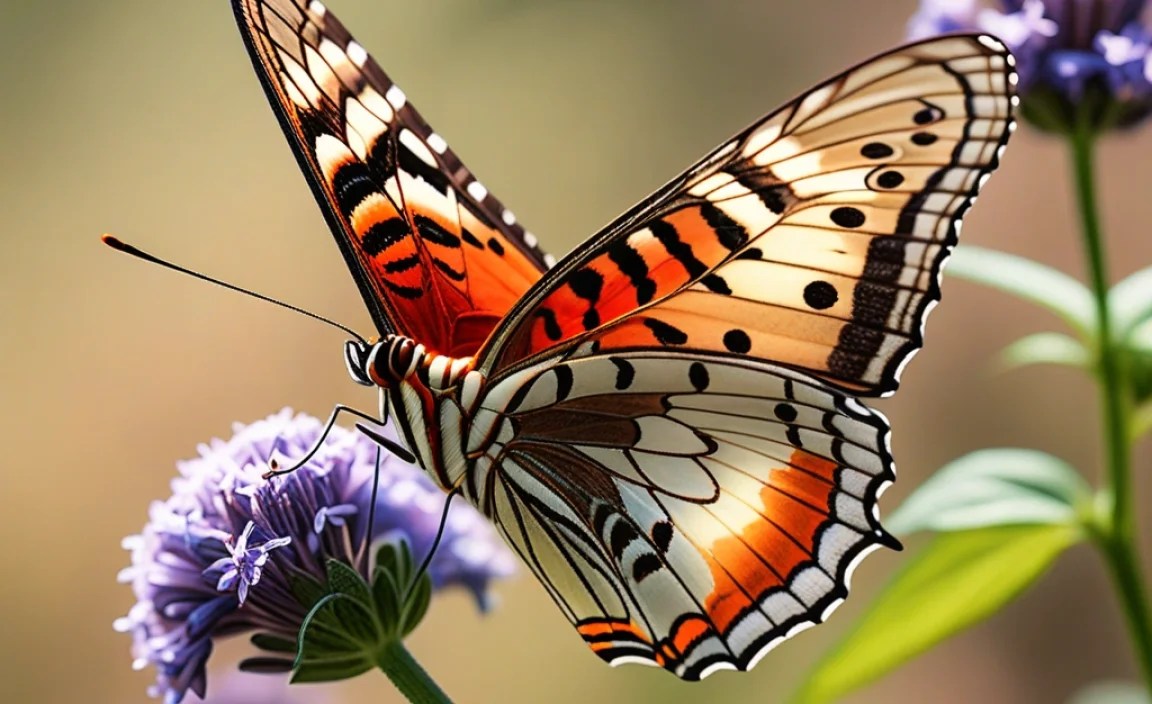
Butterfly identification apps have transformed how we learn about and appreciate these winged wonders. Here’s why they’re so useful:
- Instant Identification: Just snap a photo, and the app identifies the butterfly within seconds.
- Comprehensive Information: Access detailed profiles, including habitat, behavior, and life cycle information.
- Portability: Carry a vast library of butterfly knowledge in your pocket.
- Educational: Learn about different species and their unique characteristics.
- Community: Share your sightings and contribute to citizen science projects.
Top Butterfly Identification Apps for Europe

Several excellent apps are available for identifying butterflies in Europe. Here are some of the best:
1. Picture Insect
Picture Insect is a popular app that uses image recognition technology to identify insects, including butterflies. Simply take a photo, and the app provides a likely identification along with detailed information.
Pros:
- Highly accurate identification.
- Extensive database of insects.
- User-friendly interface.
- Includes information on butterfly habitats and behaviors.
Cons:
- Requires a subscription for unlimited use.
- Identification accuracy can vary depending on the quality of the photo.
2. iNaturalist
iNaturalist is a joint initiative by the California Academy of Sciences and the National Geographic Society. It’s a social network for naturalists where you can record your observations and get identifications from experts and fellow users.
Pros:
- Free to use.
- Large community of experts and enthusiasts.
- Helps contribute to scientific data.
- Covers a wide range of species, not just butterflies.
Cons:
- Identification relies on community input, which may take time.
- Accuracy can vary depending on the expertise of the identifiers.
3. Butterfly Identification
This app is specifically designed for butterfly identification. It offers a comprehensive database with detailed descriptions and images to help you identify different species.
Pros:
- Specifically focused on butterflies.
- Detailed descriptions and high-quality images.
- User-friendly search and filter options.
Cons:
- May not be as accurate as image-based identification apps.
- Relies on manual comparison of features.
4. Seek by iNaturalist
Seek is another app from iNaturalist, designed for younger users and families. It uses image recognition to identify plants and animals, including butterflies, in real-time.
Pros:
- Gamified experience to encourage learning.
- Real-time identification.
- No account required.
- Safe for children to use.
Cons:
- May not be as accurate as other apps for complex identifications.
- Limited features compared to iNaturalist.
5. Project Noah
Project Noah is a global platform for documenting wildlife. You can submit sightings and get help with identification from a community of experts.
Pros:
- Global coverage.
- Community-based identification.
- Opportunity to contribute to scientific research.
Cons:
- Identification accuracy depends on community input.
- May take time to get an identification.
How to Use a Butterfly Identification App: A Step-by-Step Guide

Using a butterfly identification app is simple. Here’s a step-by-step guide:
- Download and Install: Choose an app from the list above and download it from your app store (Google Play Store for Android or Apple App Store for iOS).
- Launch the App: Open the app on your smartphone.
- Take a Photo: Use your phone’s camera to take a clear photo of the butterfly. Try to get a close-up shot with good lighting. If the butterfly is moving, try to take multiple photos.
- Upload the Photo: Most apps will allow you to upload the photo directly from your phone’s gallery.
- Identify the Butterfly: The app will analyze the photo and provide a list of potential matches. Review the options and compare them to the butterfly you saw.
- Review Information: Once you’ve identified the butterfly, read the detailed information provided by the app to learn more about its habitat, behavior, and life cycle.
Tips for Taking Good Butterfly Photos for Identification
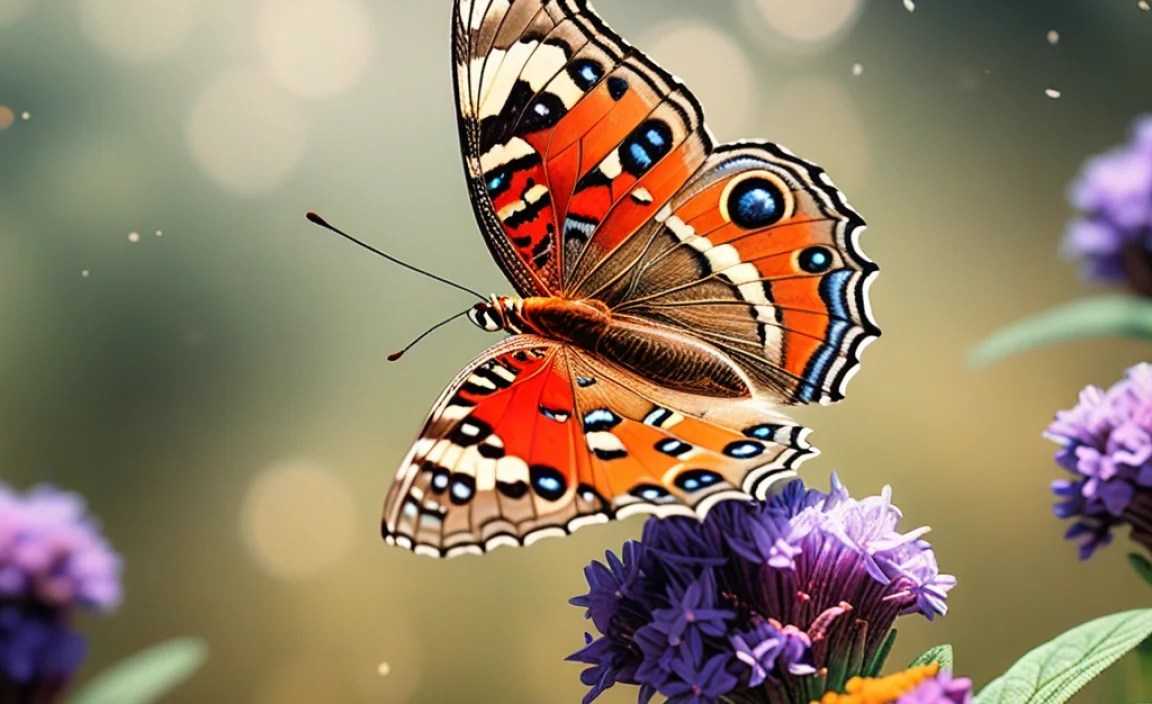
To get the most accurate results from your butterfly identification app, follow these tips when taking photos:
- Focus: Make sure the photo is in focus. Blurry images can make identification difficult.
- Lighting: Good lighting is essential. Avoid shadows or harsh sunlight.
- Angle: Try to get a photo from multiple angles, including the top and side of the butterfly.
- Background: A clear background can help the app focus on the butterfly.
- Patience: Butterflies are often on the move. Be patient and wait for a good opportunity to take a photo.
Comparing Butterfly Identification Apps
Here’s a comparison table to help you choose the best app for your needs:
| App Name | Identification Method | Cost | Key Features |
|---|---|---|---|
| Picture Insect | Image Recognition | Subscription | Accurate identification, extensive database |
| iNaturalist | Community-Based | Free | Large community, contributes to scientific data |
| Butterfly Identification | Manual Comparison | Varies | Detailed descriptions, butterfly-specific |
| Seek by iNaturalist | Image Recognition | Free | Gamified experience, real-time identification |
| Project Noah | Community-Based | Free | Global coverage, opportunity for research |
Beyond Identification: Learning More About Butterflies
Identifying butterflies is just the beginning. Once you know the species, you can delve deeper into their fascinating lives. Here are some topics to explore:
Butterfly Life Cycle
Butterflies undergo a complete metamorphosis, transforming from an egg to a larva (caterpillar), then to a pupa (chrysalis), and finally to an adult butterfly. Each stage is unique and important for the butterfly’s survival. You can learn more about the butterfly life cycle from resources like the Smithsonian Institution’s Butterfly Garden.
Butterfly Habitats
Different butterfly species prefer different habitats, such as meadows, forests, and gardens. Understanding their habitat preferences can help you find them in the wild and create butterfly-friendly gardens. The National Geographic provides excellent information on butterfly habitats.
Butterfly Behavior
Butterflies exhibit a variety of interesting behaviors, including feeding, mating, and migration. Some species, like the Monarch butterfly, are famous for their long-distance migrations. Discover more about butterfly behavior through organizations like the Xerces Society.
Attracting Butterflies to Your Garden
You can create a butterfly-friendly garden by planting nectar-rich flowers and host plants for caterpillars. Some popular choices include lavender, buddleja (butterfly bush), and milkweed. A butterfly garden not only provides food and shelter for butterflies but also adds beauty and biodiversity to your yard.
Butterfly Conservation in Europe
Many butterfly species in Europe are facing threats from habitat loss, climate change, and pesticide use. Conservation efforts are crucial to protect these beautiful creatures and their ecosystems. Here are some ways you can help:
- Support Conservation Organizations: Donate to or volunteer with organizations that work to protect butterfly habitats.
- Plant Native Flowers: Create a butterfly-friendly garden with native plants that provide food and shelter for butterflies.
- Reduce Pesticide Use: Avoid using pesticides in your garden, as they can harm butterflies and other beneficial insects.
- Educate Others: Share your knowledge about butterflies and the importance of conservation with friends, family, and your community.
- Participate in Citizen Science: Contribute to butterfly monitoring programs by recording your sightings and sharing them with researchers.
Symbolism and Cultural Significance of Butterflies
Butterflies have long held symbolic meaning in various cultures around the world. They often represent transformation, hope, and new beginnings. In some cultures, butterflies are seen as messengers from the spirit world or symbols of the soul. Their beauty and grace have inspired artists, writers, and poets for centuries.
Here are some common symbolic meanings of butterflies:
- Transformation: The butterfly’s metamorphosis from caterpillar to butterfly is a powerful symbol of personal growth and transformation.
- Hope: Butterflies are often seen as symbols of hope and optimism, reminding us that even after difficult times, there is always the possibility of new beginnings.
- Freedom: Their ability to fly freely represents freedom and independence.
- Beauty: Butterflies are admired for their beauty and delicate appearance.
- Spirituality: In some cultures, butterflies are believed to carry the spirits of loved ones or act as messengers between the physical and spiritual realms.
FAQ: Butterfly Identification Apps
Here are some frequently asked questions about butterfly identification apps:
1. Are butterfly identification apps accurate?
Yes, many butterfly identification apps are quite accurate, especially those that use image recognition technology. However, accuracy can depend on the quality of the photo and the app’s database. Community-based apps rely on the expertise of users, which can also affect accuracy.
2. Do I need an internet connection to use a butterfly identification app?
Some apps require an internet connection to access their databases and identify butterflies. Others may have offline capabilities, allowing you to identify butterflies even without internet access.
3. Are these apps free to use?
Some butterfly identification apps are free, while others require a subscription or offer in-app purchases for additional features. Free apps may have limitations, such as a limited number of identifications per day or fewer features.
4. Can these apps identify caterpillars as well as butterflies?
Some apps, like Picture Insect and iNaturalist, can identify caterpillars as well as butterflies. However, identification may be more challenging for caterpillars, as they can be more difficult to distinguish from each other.
5. Are these apps useful for identifying other insects besides butterflies?
Yes, many insect identification apps can identify a wide range of insects, not just butterflies. These apps can be useful for identifying beetles, bees, flies, and other common insects.
6. How can I improve the accuracy of butterfly identification with these apps?
To improve accuracy, take clear, well-lit photos of the butterfly from multiple angles. Make sure the photo is in focus and that the butterfly is the main subject. Also, try to include information about the butterfly’s location and habitat, as this can help narrow down the possibilities.
7. Are there any ethical considerations when using these apps?
When using butterfly identification apps, it’s important to respect the environment and avoid disturbing butterflies or their habitats. Do not handle butterflies unless necessary, and be careful not to damage plants or other vegetation when taking photos. Also, be mindful of private property and obtain permission before entering restricted areas.
Conclusion
Butterfly identification apps are fantastic tools for anyone interested in learning more about these beautiful insects. With their ease of use and wealth of information, these apps make butterfly watching more accessible and enjoyable than ever before. By using these apps responsibly and contributing to conservation efforts, we can help protect butterflies and their habitats for future generations. So, download an app, get outside, and start exploring the wonderful world of butterflies today!


