
European Butterflies in Winter (Hibernation): Secret?

Quick Summary: Many European butterflies survive winter through hibernation. Some, like the Brimstone, hibernate as adults, finding sheltered spots. Others, such as the Swallowtail, overwinter as pupae, often camouflaged. A few species migrate to warmer climates. Understanding these strategies helps us protect these delicate creatures during the cold months and support their survival.
Have you ever wondered where all the butterflies go when winter arrives in Europe? It seems like one day they’re fluttering around your garden, and the next, they’ve vanished! It’s a question that puzzles many nature lovers. The good news is that they haven’t disappeared entirely. European butterflies have fascinating ways of surviving the cold winter months, from hibernating as adults to overwintering as pupae or even migrating to warmer places.
In this article, we’ll explore these amazing survival strategies step by step. You’ll discover how different butterfly species cope with the winter, what role climate change plays, and, most importantly, how you can help them. Get ready to uncover the secrets of European butterflies in winter!
Frequently Asked Questions About European Butterflies in Winter
How do butterflies survive winter in Europe?
Butterflies survive winter through hibernation, migration, or by overwintering in different life stages like eggs, larvae, or pupae, depending on the species.
Which European butterflies hibernate as adults?
Species like the Brimstone, Small Tortoiseshell, and Comma butterflies hibernate as adults, seeking sheltered spots to wait out the cold.
Do any European butterflies migrate?
Yes, the Painted Lady is a well-known migratory butterfly in Europe, traveling south to warmer climates during winter.
Where do butterflies hibernate?
Butterflies hibernate in various sheltered locations, such as under tree bark, in leaf piles, inside sheds, or within rock crevices.
How can I help butterflies survive the winter?
You can help by providing shelter in your garden, leaving leaf piles undisturbed, and planting native nectar-rich plants for them to feed on before winter.
What happens to butterfly eggs and larvae in winter?
Some butterfly species overwinter as eggs or larvae, often in a state of dormancy, waiting for warmer temperatures to resume their development.
Are butterflies affected by climate change?
Yes, climate change can disrupt butterfly hibernation and migration patterns, potentially impacting their survival and distribution.
Understanding Butterfly Hibernation
Hibernation is a survival strategy that allows certain butterfly species to endure the harsh winter conditions in Europe. It’s a period of dormancy where their metabolic rate slows down significantly, allowing them to conserve energy and survive on stored reserves. This is also referred to as overwintering.
What is Hibernation?
Hibernation, in the context of butterflies, is a state of inactivity similar to sleep. During this time, butterflies reduce their bodily functions, such as heart rate and breathing, to a minimum. This helps them conserve energy, as finding food becomes nearly impossible in winter.
Butterflies that hibernate as adults, such as the Brimstone and Small Tortoiseshell, find sheltered spots where they can remain undisturbed throughout the winter months. These spots could be under tree bark, in sheds, or among piles of dead leaves. The key is to find a place that offers protection from the elements and predators.
Which Butterflies Hibernate?
Several European butterfly species are known to hibernate as adults. Here are a few examples:
- Brimstone (Gonepteryx rhamni): This butterfly is known for its bright yellow color and remarkable ability to survive the winter as an adult.
- Small Tortoiseshell (Aglais urticae): Often found in gardens, this butterfly seeks out sheds and other sheltered places to hibernate.
- Comma (Polygonia c-album): Recognizable by the small white “comma” mark on its underwing, this butterfly also hibernates as an adult.
- Peacock Butterfly (Aglais io): With its distinctive eyespots, the Peacock butterfly is a common hibernator in Europe.
How Do Butterflies Choose Hibernation Spots?
Butterflies carefully select their hibernation spots to maximize their chances of survival. They look for places that offer protection from:
- Extreme temperatures: Sheltered spots help insulate them from freezing temperatures.
- Wind and rain: Protection from the elements prevents them from getting wet and cold.
- Predators: Concealed locations help them avoid being eaten by birds or other animals.
Common hibernation spots include:
- Underneath loose tree bark
- Inside sheds, garages, or attics
- Among piles of dead leaves
- In rock crevices
- Within dense vegetation
Other Overwintering Strategies
While some butterflies hibernate as adults, others overwinter in different life stages. These strategies are just as fascinating and crucial for the survival of various species.
Overwintering as Eggs
Some butterfly species lay their eggs in autumn, and these eggs are designed to withstand the winter cold. The eggs often have a protective outer layer that prevents them from drying out or freezing. When spring arrives and temperatures rise, the eggs hatch, and the larvae emerge.
Overwintering as Larvae (Caterpillars)
Many butterflies overwinter as larvae, also known as caterpillars. These caterpillars enter a state of dormancy called diapause. They may burrow into the ground, hide under leaf litter, or find other sheltered spots to wait out the winter. Some caterpillars even produce a kind of antifreeze in their bodies to prevent ice crystals from forming in their cells.
Overwintering as Pupae (Chrysalids)
The pupa, or chrysalis, is another stage in which butterflies can overwinter. The pupa is a protective shell that surrounds the developing butterfly. Some pupae are camouflaged to blend in with their surroundings, making them difficult for predators to spot. Inside the pupa, the butterfly undergoes a complete transformation, emerging as an adult in the spring.
Examples of Species and Their Overwintering Strategies
Here’s a table illustrating different European butterfly species and their overwintering strategies:
| Butterfly Species | Overwintering Stage | Habitat |
|---|---|---|
| Brimstone (Gonepteryx rhamni) | Adult | Under tree bark, in bushes |
| Small Tortoiseshell (Aglais urticae) | Adult | Sheds, garages, attics |
| Swallowtail (Papilio machaon) | Pupa | Attached to stems or hidden in vegetation |
| Large White (Pieris brassicae) | Pupa | Attached to fences, walls, or plants |
| Orange-tip (Anthocharis cardamines) | Pupa | Attached to stems of host plants |
Butterfly Migration
While many European butterflies hibernate or overwinter in various life stages, some species undertake long migrations to warmer climates. This is a remarkable feat of nature, requiring significant energy and navigation skills.
The Painted Lady: A Migratory Marvel
The most well-known migratory butterfly in Europe is the Painted Lady (Vanessa cardui). This butterfly is a true globetrotter, undertaking incredible journeys from northern Europe to North Africa and back. The Painted Lady’s migration is not a one-generation event; it involves multiple generations completing the journey.
The Painted Lady’s migration is triggered by environmental cues such as temperature and food availability. As temperatures drop in northern Europe, these butterflies begin their journey south. They fly thousands of kilometers, navigating using a combination of the sun’s position and the Earth’s magnetic field. Once they reach warmer climates, they breed, and their offspring continue the journey, eventually returning to Europe in the spring.
Scientists from institutions like the Smithsonian have studied butterfly migration patterns, uncovering the incredible navigational abilities of these insects. They have found that butterflies use a combination of visual and magnetic cues to stay on course, making their migrations all the more impressive.
Other Migratory Species
While the Painted Lady is the most famous, other butterfly species also undertake shorter migrations within Europe. These migrations are often less predictable and depend on local environmental conditions.
How Climate Change Affects Butterflies
Climate change is having a significant impact on butterfly populations around the world, and European butterflies are no exception. Changes in temperature, rainfall patterns, and habitat availability are all affecting their survival and distribution.
Disrupted Hibernation Patterns
Warmer winters can disrupt the hibernation patterns of butterflies. If temperatures fluctuate, butterflies may wake up from hibernation prematurely, only to be caught out by a sudden cold snap. This can deplete their energy reserves and reduce their chances of survival.
Altered Migration Routes
Climate change is also affecting butterfly migration routes. Changes in temperature and wind patterns can make it more difficult for butterflies to navigate, leading to increased mortality during migration. Additionally, changes in habitat availability can disrupt their breeding cycles.
Habitat Loss
Climate change is contributing to habitat loss, as changes in temperature and rainfall patterns alter the types of plants that can grow in a particular area. This can reduce the availability of food and shelter for butterflies, making it harder for them to survive.
What the Experts Say
Organizations like the Xerces Society are actively involved in studying and conserving butterfly populations. Their research shows that climate change is one of the biggest threats to butterflies, and that urgent action is needed to protect them.
Creating a Butterfly-Friendly Winter Garden
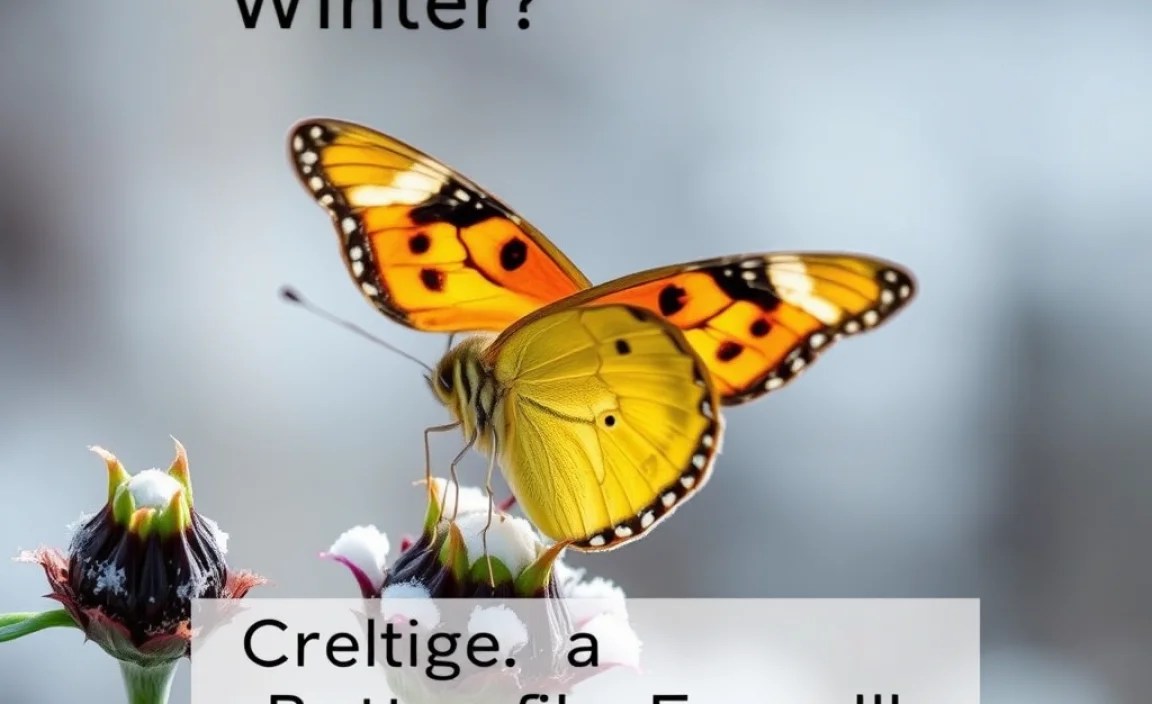
Even though it’s winter, you can still take steps to create a butterfly-friendly garden that will benefit them when they emerge in the spring. By providing shelter, food sources, and a safe environment, you can help these beautiful creatures thrive.
Provide Shelter
Butterflies need shelter to protect them from the elements and predators. Here are some ways you can provide shelter in your garden:
- Leave leaf piles undisturbed: Many butterflies and caterpillars overwinter in leaf piles. Avoid raking up all the leaves in your garden, and leave some piles in sheltered spots.
- Provide dense vegetation: Plant shrubs and trees that provide dense cover. These will offer butterflies a place to hide from wind, rain, and predators.
- Build a butterfly house: Although the effectiveness is debated, some butterfly houses can provide shelter for hibernating butterflies.
Plant Native Nectar-Rich Plants
Even though butterflies are not actively feeding in winter, it’s important to plant nectar-rich plants that will provide them with food when they emerge in the spring. Native plants are particularly beneficial, as they are adapted to the local climate and provide the best nutrition for butterflies.
Here are some examples of native nectar-rich plants to consider:
- Buddleja davidii (Butterfly Bush): A classic choice for attracting butterflies.
- Echinacea purpurea (Purple Coneflower): Provides nectar and seeds for birds.
- Solidago (Goldenrod): A late-blooming flower that provides nectar for butterflies preparing for winter.
- Aster: Another late-blooming flower that attracts butterflies and other pollinators.
Avoid Pesticides
Pesticides can be harmful to butterflies and other beneficial insects. Avoid using pesticides in your garden, and opt for natural pest control methods instead. For example, you can use companion planting to deter pests, or introduce beneficial insects like ladybugs that prey on aphids.
Provide a Water Source
Butterflies need water to stay hydrated. Provide a shallow dish of water with pebbles or stones for them to land on. This will prevent them from drowning.
Leave Seed Heads Standing
Many plants produce seeds that provide food for birds and other wildlife in the winter. Leave seed heads standing to provide a natural food source.
Gardening Tips for Specific Butterfly Species
Some butterfly species have specific host plants that their caterpillars need to feed on. If you want to attract a particular species, consider planting its host plant in your garden.
Here are some examples:
- Swallowtail: Plant fennel, dill, or parsley.
- Monarch: Plant milkweed.
- Black Swallowtail: Plant parsley, carrot, or dill.
- Painted Lady: Plant thistles, mallows, or legumes.
Table of Butterfly-Friendly Winter Gardening Tips
Here’s a quick reference table summarizing the key steps to creating a butterfly-friendly winter garden:
| Action | Description | Benefit |
|---|---|---|
| Leave Leaf Piles | Avoid raking up all leaves; leave piles in sheltered spots. | Provides shelter for overwintering butterflies and caterpillars. |
| Plant Native Nectar-Rich Plants | Choose plants like Buddleja, Echinacea, and Solidago. | Provides food for butterflies when they emerge in spring. |
| Avoid Pesticides | Use natural pest control methods instead of pesticides. | Protects butterflies and other beneficial insects. |
| Provide Water Source | Place a shallow dish of water with pebbles. | Ensures butterflies have access to water. |
| Leave Seed Heads Standing | Allow plants to go to seed. | Provides food for birds and other wildlife. |
Documenting and Reporting Butterfly Sightings
Contributing to citizen science projects is a great way to help researchers track butterfly populations and understand their distribution. By documenting and reporting your butterfly sightings, you can provide valuable data that can be used to inform conservation efforts.
Citizen Science Projects
There are many citizen science projects that focus on butterflies. These projects rely on volunteers to collect data on butterfly sightings, which is then used by researchers to study butterfly populations and their habitats.
Here are some examples of citizen science projects:
- The European Butterfly Monitoring Scheme (eBMS): A collaborative project that monitors butterfly populations across Europe.
- iNaturalist: A platform where you can record your observations of butterflies and other wildlife.
- Butterfly Conservation: A UK-based organization that runs several butterfly monitoring schemes.
How to Report Butterfly Sightings
Reporting butterfly sightings is easy. Simply record the date, time, and location of your sighting, as well as the species of butterfly (if you know it). You can then submit your data to one of the citizen science projects mentioned above.
Tips for Identifying Butterflies
Identifying butterflies can be challenging, but there are many resources available to help you. Field guides, online databases, and butterfly identification apps can all be useful tools.
Here are some tips for identifying butterflies:
- Take a photo: A clear photo can be helpful for identifying the butterfly later.
- Note the size and shape: Pay attention to the butterfly’s size, shape, and wing pattern.
- Observe the behavior: Note what the butterfly is doing, such as feeding, flying, or resting.
- Consult a field guide: Use a field guide to compare your observations to known species.
Conclusion
European butterflies have evolved incredible strategies to survive the winter, from hibernating as adults to migrating thousands of kilometers. Understanding these strategies is crucial for protecting these delicate creatures in a changing world. By creating butterfly-friendly gardens, supporting conservation efforts, and documenting butterfly sightings, we can all play a part in ensuring their survival for generations to come.
So, next time winter arrives, remember that the butterflies haven’t disappeared – they’re just waiting for the right moment to grace us with their presence once again. By taking simple steps, you can help them survive and thrive, ensuring that these beautiful creatures continue to brighten our world for years to come.


