
European Butterflies Rare Sightings: Don’t Miss Out!

Spotting rare European butterflies can be a thrilling experience! Knowing when and where to look, understanding their habitats, and learning to identify them are key. By joining conservation efforts and reporting your sightings, you can help protect these beautiful creatures.
Have you ever dreamed of seeing a butterfly so rare it feels like a magical encounter? Many butterfly enthusiasts long to witness these elusive beauties in their natural habitats. It can be challenging, but with the right knowledge and a bit of patience, you can increase your chances of experiencing these rare sightings. This guide will help you understand where and when to look, how to identify these butterflies, and how to contribute to their conservation. Let’s embark on this exciting journey together!
Understanding Rare Butterfly Sightings in Europe

Europe is home to a diverse range of butterfly species, many of which are becoming increasingly rare due to habitat loss, climate change, and other environmental factors. Understanding why these butterflies are rare and where they are typically found is crucial for successful sightings.
Factors Contributing to Rarity
Several factors contribute to the rarity of butterfly species in Europe:
- Habitat Loss: The destruction of natural habitats due to agriculture, urbanization, and deforestation is a primary driver of butterfly decline.
- Climate Change: Altered weather patterns and rising temperatures can disrupt butterfly life cycles and shift their habitats.
- Pesticide Use: Insecticides and herbicides used in agriculture can directly harm butterflies and their host plants.
- Over-collection: Although less common now, historical over-collection of rare species has contributed to their decline.
Key Regions for Rare Butterfly Sightings
Certain regions in Europe are hotspots for rare butterfly species due to their unique habitats and conservation efforts:
- Southern Europe: The Iberian Peninsula, Southern France, and Italy are home to many Mediterranean species.
- Alpine Regions: The Alps and other high-altitude areas provide habitats for specialized butterfly species.
- Eastern Europe: Countries like Poland, Romania, and Bulgaria have diverse habitats and relatively intact ecosystems.
Preparing for Your Butterfly Search

Before heading out to search for rare butterflies, careful preparation is essential. This includes researching target species, understanding their habitats, and gathering the necessary equipment.
Researching Target Species
Knowing the specific butterflies you hope to see is the first step. Here’s how to gather information:
- Identification Guides: Use field guides specific to European butterflies, such as “Butterflies of Britain and Europe” by Higgins and Hargreaves.
- Online Resources: Websites like Butterfly Conservation Europe and local natural history societies provide valuable information.
- Habitat Preferences: Learn about the specific plants and environmental conditions each species requires.
- Flight Periods: Understand when each species is most likely to be active.
Essential Equipment for Butterfly Watching
Having the right equipment can greatly enhance your butterfly-watching experience:
- Binoculars: A good pair of binoculars allows you to observe butterflies from a distance without disturbing them.
- Camera: A camera with a macro lens is essential for capturing detailed photographs.
- Field Guide: A portable field guide helps with on-the-spot identification.
- Notebook and Pen: To record your observations, including location, date, and behavior.
- GPS Device or Smartphone: For accurate location tracking.
- Appropriate Clothing: Wear comfortable, weather-appropriate clothing and sturdy shoes.
Understanding Butterfly Habitats
Different butterfly species thrive in specific habitats. Understanding these preferences is crucial for locating rare butterflies:
- Grasslands: Many rare butterflies depend on undisturbed grasslands with a variety of wildflowers.
- Woodlands: Some species prefer woodland edges and clearings with specific host plants.
- Wetlands: Marshes and bogs can host unique butterfly species adapted to these environments.
- Rocky Areas: Alpine and rocky habitats often support specialized butterfly communities.
Step-by-Step Guide to Finding Rare Butterflies
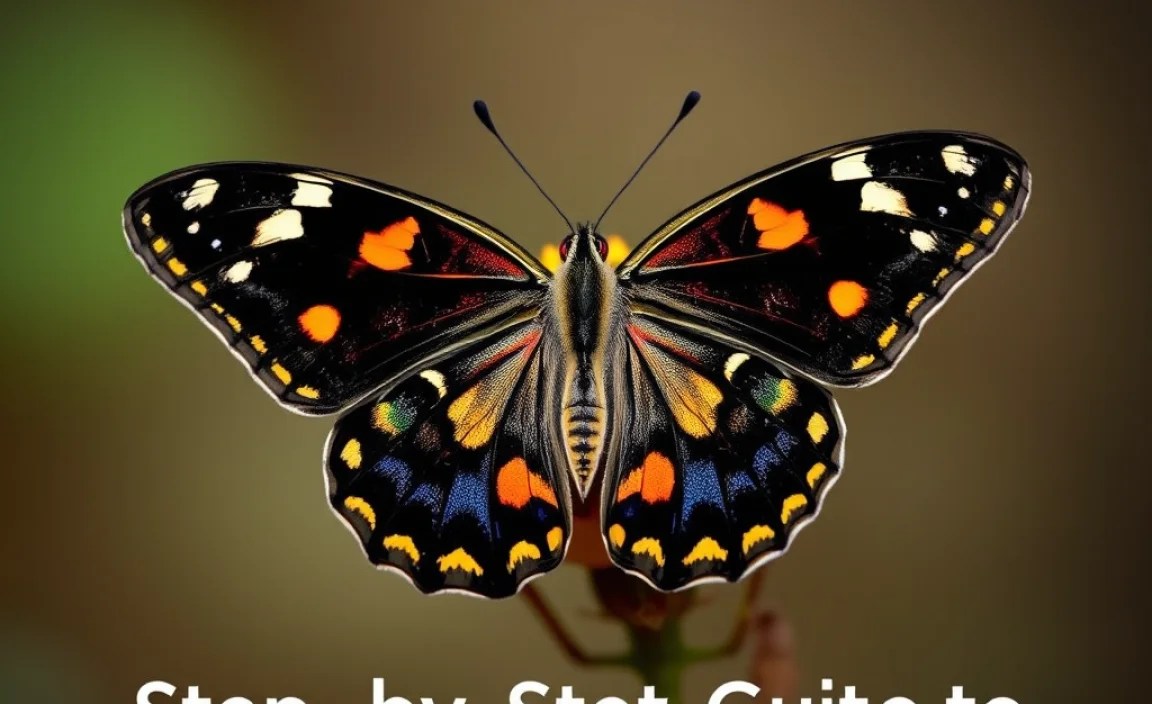
Now that you’re prepared, let’s explore the steps involved in finding rare butterflies in Europe.
Step 1: Choose the Right Time of Year
Butterfly flight periods vary depending on the species and location. Research the optimal time to see your target butterflies. Generally, late spring and summer are the best times for butterfly watching in Europe. Here’s a general guideline:
- Spring (April-May): Look for early emerging species.
- Summer (June-August): The peak season for most butterflies.
- Late Summer/Early Autumn (September-October): Some species have a second brood or late flight period.
Step 2: Select the Ideal Location
Based on your research, choose locations known to host the rare butterflies you’re seeking. Contact local conservation organizations or natural history societies for recommendations.
Consider these popular European butterfly-watching destinations:
- Sierra de Gredos, Spain: Known for its diverse butterfly fauna, including the Spanish Argus.
- Vercors Regional Natural Park, France: Home to many rare alpine species.
- Bialowieza Forest, Poland: One of the last primeval forests in Europe, with a rich butterfly community.
Step 3: Arrive Early and Observe Carefully
Butterflies are most active in the morning when the sun warms their wings. Arrive early at your chosen location and find a comfortable spot to observe. Look for butterflies feeding on nectar flowers or basking in the sun.
Step 4: Use Binoculars for Distant Identification
Use your binoculars to get a closer look at butterflies without disturbing them. Pay attention to size, color, wing patterns, and behavior.
Step 5: Approach Gently for Photography
If you want to photograph a butterfly, approach it slowly and gently. Avoid sudden movements that might startle it. A macro lens is ideal for capturing detailed images.
Step 6: Record Your Observations
Keep a detailed record of your sightings, including the species, location, date, time, weather conditions, and any interesting behavior. This information can be valuable for conservation efforts.
Identifying Rare European Butterflies

Accurate identification is crucial for reporting sightings and contributing to conservation efforts. Here are some tips for identifying rare European butterflies.
Key Characteristics to Look For
Pay attention to these key characteristics when identifying butterflies:
- Size and Shape: Note the overall size and shape of the butterfly’s wings.
- Color and Pattern: Observe the colors and patterns on both the upper and undersides of the wings.
- Wing Markings: Look for distinctive spots, stripes, or other markings.
- Flight Behavior: Note how the butterfly flies – is it fast and erratic, or slow and fluttering?
- Habitat: Consider the type of habitat where you found the butterfly.
Commonly Confused Species
Some rare butterflies can be easily confused with more common species. Be aware of these potential pitfalls:
| Rare Species | Similar Common Species | Key Differences |
|---|---|---|
| Apollo (Parnassius apollo) | False Apollo (Archon apollinaris) | Apollo has larger red spots and is found at higher altitudes. |
| Large Blue (Phengaris arion) | Common Blue (Polyommatus icarus) | Large Blue is larger and has distinct black spots on the underside. |
| Spanish Festoon (Zerynthia rumina) | Provence Festoon (Zerynthia polyxena) | Spanish Festoon has brighter red markings and a more southerly distribution. |
Using Field Guides and Online Resources
Field guides and online resources are invaluable tools for butterfly identification. Here are some recommended resources:
- “Butterflies of Britain and Europe” by Higgins and Hargreaves: A comprehensive field guide with detailed descriptions and illustrations.
- Butterfly Conservation Europe: A website with information on European butterflies and conservation efforts.
- iNaturalist: A platform for sharing and identifying natural history observations.
Conservation and Reporting Sightings

Your butterfly sightings can contribute to conservation efforts. Reporting rare butterfly sightings helps monitor populations and inform conservation strategies.
Importance of Reporting Sightings
Reporting your sightings provides valuable data for scientists and conservationists. This data helps track population trends, identify important habitats, and assess the impact of conservation measures.
How to Report Your Sightings
You can report your sightings to local conservation organizations, national butterfly recording schemes, or online platforms like iNaturalist. Be sure to include the following information:
- Species Name: Accurate identification is essential.
- Location: Provide precise coordinates or a detailed description of the location.
- Date and Time: Note when you saw the butterfly.
- Number of Individuals: Estimate the number of butterflies you observed.
- Photographs: Include photos if possible to verify your identification.
Supporting Butterfly Conservation
There are many ways to support butterfly conservation efforts:
- Join a Conservation Organization: Become a member of a butterfly conservation organization and participate in their activities.
- Create Butterfly-Friendly Habitats: Plant native wildflowers and avoid using pesticides in your garden.
- Support Sustainable Agriculture: Choose products from farms that use environmentally friendly practices.
- Educate Others: Share your passion for butterflies and encourage others to get involved in conservation.
Specific Rare European Butterflies to Look For
Let’s explore some specific rare European butterflies and where you might find them.
Apollo (Parnassius apollo)
The Apollo is a striking butterfly with large white wings adorned with red spots. It is found in mountainous regions across Europe. Apollo butterflies are endangered due to habitat loss and climate change. Conservation efforts include habitat restoration and captive breeding programs.
- Habitat: High-altitude meadows and rocky slopes
- Distribution: Alps, Pyrenees, Carpathians
- Flight Period: June to August
Large Blue (Phengaris arion)
The Large Blue is a fascinating butterfly with a complex life cycle. Its caterpillars feed on thyme flowers before being adopted by specific ant species. The ants carry the caterpillars to their nests, where they continue to feed on ant larvae. Large Blue populations have declined due to habitat loss and changes in agricultural practices. Conservation efforts focus on restoring grassland habitats and managing ant populations.
- Habitat: Calcareous grasslands
- Distribution: Western and Central Europe
- Flight Period: July to August
Spanish Festoon (Zerynthia rumina)
The Spanish Festoon is a colorful butterfly with distinctive red and black markings. It is found in the Iberian Peninsula and parts of Southern France. The caterpillars feed on birthwort plants. The Spanish Festoon is threatened by habitat destruction and pesticide use. Conservation measures include protecting birthwort habitats and promoting sustainable agriculture.
- Habitat: Rocky hillsides and scrubland
- Distribution: Iberian Peninsula, Southern France
- Flight Period: April to June
Duke of Burgundy (Hamearis lucina)
The Duke of Burgundy is a small, orange-brown butterfly found in woodlands and scrubland. The caterpillars feed on primrose plants. Duke of Burgundy populations have declined due to habitat fragmentation and changes in woodland management. Conservation efforts include restoring woodland habitats and promoting traditional coppicing practices.
- Habitat: Woodlands and scrubland
- Distribution: Southern England, Central Europe
- Flight Period: May to June
Chequered Skipper (Carterocephalus palaemon)
The Chequered Skipper is a small, fast-flying butterfly found in damp woodlands and grasslands. The caterpillars feed on various grasses. The Chequered Skipper has declined due to habitat loss and changes in woodland management. Conservation efforts focus on restoring woodland habitats and promoting sustainable forestry practices. In the UK, reintroduction programs have been successful in some areas.
- Habitat: Damp woodlands and grasslands
- Distribution: Northern and Central Europe
- Flight Period: June to July
Advanced Tips for Butterfly Enthusiasts
For those looking to take their butterfly watching to the next level, here are some advanced tips.
Understanding Butterfly Behavior
Observing butterfly behavior can provide valuable insights into their ecology and conservation needs. Learn to recognize different behaviors such as:
- Basking: Butterflies bask in the sun to warm their bodies and increase their activity levels.
- Nectaring: Butterflies feed on nectar from flowers to obtain energy.
- Puddling: Male butterflies often gather at puddles to obtain minerals and nutrients.
- Courtship: Observe courtship rituals to learn about mate selection and reproductive strategies.
- Oviposition: Watching females lay eggs can reveal important information about host plant preferences.
Using Weather Patterns to Your Advantage
Weather conditions can significantly impact butterfly activity. Understanding these effects can help you plan your butterfly-watching trips:
- Sunny Days: Butterflies are most active on warm, sunny days with little wind.
- Cloudy Days: Butterflies may be less active on cloudy days, but some species may still be seen feeding.
- Rainy Days: Butterflies typically seek shelter during rain.
- Windy Days: Butterflies avoid flying in strong winds.
Joining Butterfly Monitoring Programs
Participating in butterfly monitoring programs is a great way to contribute to conservation efforts and improve your identification skills. Many organizations offer training and resources for volunteers.
FAQ: Rare European Butterfly Sightings
Here are some frequently asked questions about finding rare European butterflies:
What makes a butterfly species “rare”?
A butterfly species is considered rare if it has a small population size, a limited geographic range, or is declining in numbers due to habitat loss, climate change, or other factors.
Where are the best places in Europe to see rare butterflies?
Southern Europe (Iberian Peninsula, Southern France, Italy), Alpine regions (Alps), and Eastern Europe (Poland, Romania, Bulgaria) are hotspots for rare butterfly species.
What time of year is best for butterfly watching in Europe?
Late spring and summer (May to August) are generally the best times, but it depends on the specific species and location. Research the flight periods of your target butterflies.
What equipment do I need for butterfly watching?
Essential equipment includes binoculars, a camera with a macro lens, a field guide, a notebook and pen, and appropriate clothing.
How can I identify a rare butterfly?
Pay attention to size, color, wing patterns, flight behavior, and habitat. Use field guides and online resources to confirm your identification.
How can I contribute to butterfly conservation?
Report your sightings, join a conservation organization, create butterfly-friendly habitats, support sustainable agriculture, and educate others.
What should I do if I think I’ve spotted a very rare butterfly?
Take photos, note the location and date, and report your sighting to a local conservation organization or butterfly recording scheme for verification.
Conclusion
Embarking on the quest to spot rare European butterflies is a rewarding experience that combines adventure, learning, and conservation. By understanding the factors that contribute to rarity, preparing thoroughly for your search, and following the steps outlined in this guide, you can increase your chances of witnessing these elusive beauties. Remember to respect their habitats, report your sightings, and support conservation efforts to ensure that future generations can also enjoy the magic of rare butterflies. Happy butterfly watching!


