
European Butterfly Families Diversity: The Ultimate Guide

Quick Summary: Europe boasts a rich diversity of butterfly families, each with unique characteristics. These include the vibrant Nymphalidae (brush-footed butterflies), the delicate Pieridae (whites and yellows), the elusive Lycaenidae (blues and coppers), the robust Papilionidae (swallowtails), and the swift-flying Hesperiidae (skippers). Understanding these families helps you identify butterflies and appreciate their ecological roles.
Have you ever strolled through a sun-drenched meadow in Europe and been mesmerized by the flutter of colorful wings? Identifying butterflies can feel overwhelming, especially with so many different shapes, sizes, and patterns. But don’t worry! This guide breaks down the main butterfly families in Europe, making identification easier and more enjoyable. We’ll explore the key characteristics of each family, providing you with the knowledge to recognize these beautiful creatures and understand their importance in the ecosystem. Get ready to unlock the secrets of Europe’s butterfly diversity!
Exploring European Butterfly Families Diversity

Europe is home to a stunning array of butterfly species, each playing a vital role in the continent’s ecosystems. These butterflies are categorized into several distinct families, each with unique characteristics, behaviors, and habitats. Understanding these families is key to appreciating the full spectrum of butterfly diversity in Europe. Let’s dive into the fascinating world of European butterfly families!
Nymphalidae: The Brush-Footed Butterflies
The Nymphalidae family, also known as the brush-footed butterflies, is one of the largest and most diverse butterfly families in Europe. These butterflies are easily recognizable by their reduced forelegs, which they use for tasting rather than walking – hence the name “brush-footed.”
Key Characteristics:
- Reduced forelegs: These butterflies appear to have only four legs.
- Vibrant colors and patterns: Many species display bright colors and intricate patterns on their wings.
- Strong flight: They are often strong fliers, capable of covering long distances.
- Diverse habitats: Found in a wide range of habitats, from forests to meadows.
Examples of European Nymphalidae:
- Monarch (Danaus plexippus): Although not native, the Monarch is an occasional migrant to Europe, known for its striking orange and black wings.
- Red Admiral (Vanessa atalanta): A common sight with its black wings adorned with red bands and white spots.
- Peacock (Aglais io): Recognizable by the distinctive “eyespot” patterns on its wings, used to deter predators.
- Painted Lady (Vanessa cardui): A widespread migratory species with a mottled orange and brown pattern.
- Comma (Polygonia c-album): Identified by the small white “comma” mark on its underside and its jagged wing edges.
These butterflies often have unique camouflage or warning coloration to protect themselves from predators. For example, the bright colors of the Peacock butterfly serve as a warning signal, while the Comma butterfly’s irregular wing shape helps it blend into its surroundings.
Pieridae: The Whites and Yellows
The Pieridae family includes the whites and yellows, butterflies often seen flitting through gardens and fields. These butterflies are typically medium-sized and are characterized by their pale colors, which often serve as camouflage.
Key Characteristics:
- Predominantly white or yellow wings: Colors range from pure white to vibrant yellow.
- Often have black markings: Many species have black spots or borders on their wings.
- Medium-sized: Generally smaller than the swallowtail butterflies.
- Larvae feed on cruciferous plants: Caterpillars often feed on plants like cabbage and mustard.
Examples of European Pieridae:
- Large White (Pieris brassicae): A common garden butterfly with white wings and black tips.
- Small White (Pieris rapae): Similar to the Large White but smaller and with less extensive black markings.
- Orange Tip (Anthocharis cardamines): The male has distinctive orange tips on its forewings.
- Brimstone (Gonepteryx rhamni): A bright yellow butterfly with pointed wings, often one of the first butterflies seen in spring.
The Pieridae family plays an important role in pollination, and their caterpillars can sometimes be pests in agricultural settings, particularly for crops like cabbage. Their coloration often provides camouflage, helping them avoid predation in open habitats.
Lycaenidae: The Blues, Coppers, and Hairstreaks
The Lycaenidae family is a diverse group of small butterflies, including the blues, coppers, and hairstreaks. These butterflies are often overlooked due to their small size, but they exhibit beautiful colors and intricate patterns upon closer inspection.
Key Characteristics:
- Small size: Generally smaller than other butterfly families.
- Bright metallic colors: Many species have iridescent blue, copper, or green wings.
- Delicate appearance: They have a fragile and delicate look.
- Association with ants: Some species have a symbiotic relationship with ants.
Examples of European Lycaenidae:
- Common Blue (Polyommatus icarus): A widespread blue butterfly, with the male being brighter blue than the female.
- Small Copper (Lycaena phlaeas): A small, bright copper-colored butterfly often found in grasslands.
- Holly Blue (Celastrina argiolus): A pale blue butterfly with black borders, often seen around holly and ivy.
- Black Hairstreak (Satyrium pruni): A dark butterfly with a thin white streak and small “tails” on its hindwings.
Many Lycaenidae species have a fascinating relationship with ants. The caterpillars secrete a sugary substance that attracts ants, which then protect the caterpillars from predators. This mutualistic relationship is a remarkable example of co-evolution in nature. The survival of some Lycaenidae species is closely tied to the presence of specific ant species, highlighting the delicate balance within ecosystems.
Papilionidae: The Swallowtails
The Papilionidae family, or swallowtails, is known for its large size, striking colors, and elegant flight. These butterflies are among the most recognizable and admired in Europe.
Key Characteristics:
- Large size: They are among the largest butterflies in Europe.
- Distinctive “tails”: Most species have elongated extensions on their hindwings, resembling tails.
- Bright colors and patterns: Often adorned with vibrant colors and intricate patterns.
- Strong flight: They are powerful fliers, capable of soaring through the air.
Examples of European Papilionidae:
- Swallowtail (Papilio machaon): A large yellow butterfly with black stripes and blue and orange markings.
- Scarce Swallowtail (Iphiclides podalirius): Similar to the Swallowtail but with longer “tails” and a more slender appearance.
Swallowtail butterflies are often associated with open habitats and are important pollinators of various flowering plants. Their caterpillars feed on a variety of host plants, including fennel and parsley. The presence of swallowtails is often seen as an indicator of a healthy and diverse ecosystem.
Hesperiidae: The Skippers
The Hesperiidae family, commonly known as skippers, are small, robust butterflies with a distinctive flight pattern. They have a rapid, darting flight that resembles skipping, hence their name.
Key Characteristics:
- Small and stout body: They have a more robust body compared to other butterfly families.
- Hooked antennae: Their antennae are typically hooked at the tips.
- Rapid, darting flight: They fly quickly and erratically, often stopping abruptly.
- Dull colors: Most species are brown or orange with minimal markings.
Examples of European Hesperiidae:
- Large Skipper (Ochlodes sylvanus): A common orange-brown skipper found in grasslands.
- Small Skipper (Thymelicus sylvestris): Similar to the Large Skipper but smaller and more slender.
- Dingy Skipper (Erynnis tages): A greyish-brown skipper with a mottled pattern.
Skippers are often found in grasslands and meadows, where their caterpillars feed on grasses and other herbaceous plants. Their rapid flight and small size make them challenging to identify, but their unique characteristics set them apart from other butterfly families.
Identifying Butterflies by Family: A Practical Guide

Identifying butterflies to their family can be a rewarding experience. Here’s a practical guide to help you get started:
- Observe the size and shape: Is the butterfly large or small? Does it have elongated tails or jagged wings?
- Note the colors and patterns: Are the wings predominantly white, yellow, blue, or orange? Are there any distinctive spots, stripes, or borders?
- Examine the legs: Does the butterfly appear to have only four legs?
- Observe the flight pattern: Does it fly strongly and gracefully, or does it have a rapid, darting flight?
- Consider the habitat: Where did you see the butterfly? Was it in a forest, meadow, or garden?
By combining these observations, you can narrow down the possibilities and identify the butterfly’s family with greater accuracy. Field guides and online resources can also be valuable tools for identification.
The Ecological Importance of Butterfly Families

Each butterfly family plays a crucial role in the ecosystem. Butterflies are important pollinators, contributing to the reproduction of many plant species. They also serve as a food source for birds, reptiles, and other animals. Additionally, butterflies are indicators of environmental health, as their presence and abundance reflect the quality of their habitat.
Understanding the ecological roles of different butterfly families can help us appreciate the importance of conservation efforts. By protecting butterfly habitats and promoting butterfly-friendly practices, we can ensure the survival of these beautiful and ecologically valuable creatures.
Butterfly Conservation in Europe
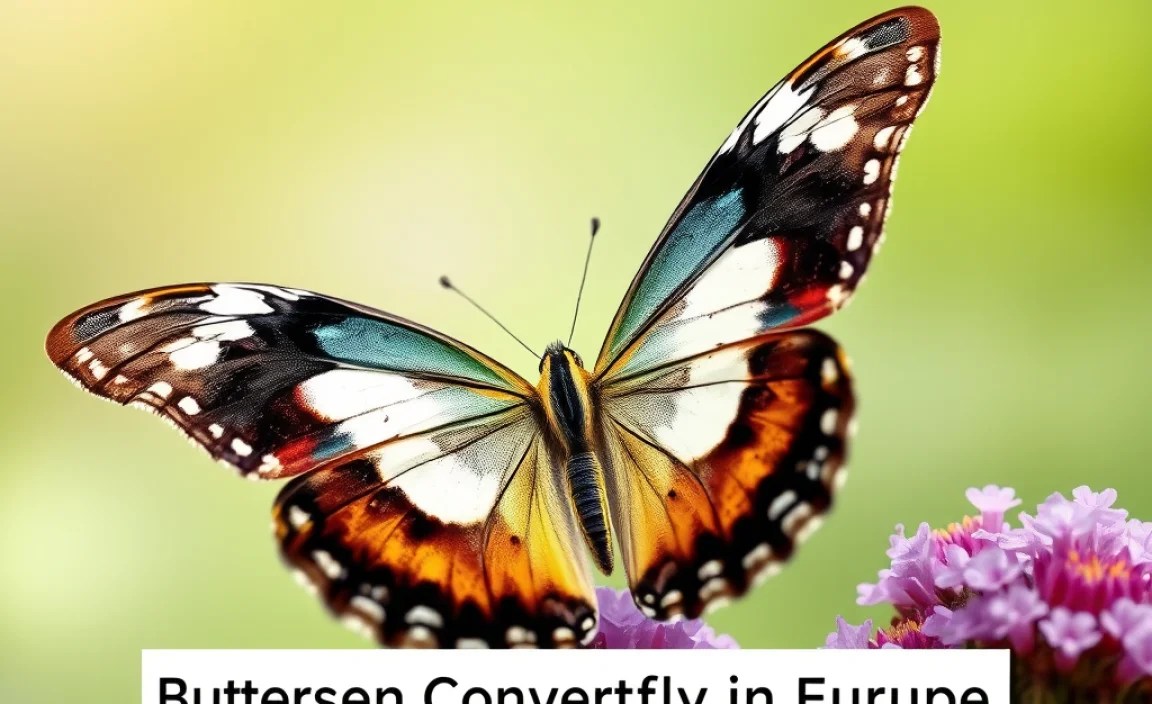
Many butterfly species in Europe are facing threats such as habitat loss, climate change, and pesticide use. Conservation efforts are essential to protect these vulnerable creatures and preserve their diversity. Here are some ways you can contribute to butterfly conservation:
- Create butterfly-friendly gardens: Plant native flowers that provide nectar for adult butterflies and host plants for caterpillars.
- Avoid using pesticides: Pesticides can harm or kill butterflies and other beneficial insects.
- Support conservation organizations: Donate to or volunteer with organizations that work to protect butterfly habitats.
- Educate others: Share your knowledge and passion for butterflies with friends, family, and community members.
By taking these actions, we can help ensure that future generations will have the opportunity to enjoy the beauty and wonder of European butterflies. The Butterfly Conservation organization is a great resource for learning more about butterfly conservation efforts in Europe.
Butterfly Families Diversity in Europe: Detailed Table

Here’s a table summarizing the key characteristics of each butterfly family found in Europe:
| Family | Common Name | Key Characteristics | Examples |
|---|---|---|---|
| Nymphalidae | Brush-footed Butterflies | Reduced forelegs, vibrant colors, strong flight | Monarch, Red Admiral, Peacock |
| Pieridae | Whites and Yellows | White or yellow wings, black markings, medium-sized | Large White, Small White, Orange Tip |
| Lycaenidae | Blues, Coppers, Hairstreaks | Small size, metallic colors, delicate appearance | Common Blue, Small Copper, Holly Blue |
| Papilionidae | Swallowtails | Large size, distinctive “tails”, bright colors | Swallowtail, Scarce Swallowtail |
| Hesperiidae | Skippers | Small, stout body, hooked antennae, rapid flight | Large Skipper, Small Skipper, Dingy Skipper |
Attracting Butterflies to Your Garden
Creating a butterfly-friendly garden is a wonderful way to support butterfly populations and enjoy their beauty up close. Here are some tips for attracting butterflies to your garden:
- Plant a variety of nectar-rich flowers: Choose flowers that bloom at different times of the year to provide a continuous source of nectar.
- Include host plants for caterpillars: Caterpillars need specific plants to feed on, so research which plants are host plants for the butterfly species in your area.
- Provide a water source: Butterflies need water to drink. You can provide a shallow dish of water with pebbles for them to land on.
- Offer shelter: Plant shrubs and trees to provide shelter from wind and rain.
- Avoid using pesticides: Pesticides can harm or kill butterflies and other beneficial insects.
Some excellent nectar plants for European butterflies include Buddleja (butterfly bush), lavender, Verbena, and Echinacea. Host plants vary depending on the butterfly species, but common examples include nettles for Red Admirals and milkweed for Monarchs. By providing these resources, you can create a haven for butterflies in your own backyard.
The Symbolism and Cultural Significance of Butterflies
Butterflies have long held symbolic and cultural significance in many societies around the world. They are often associated with transformation, rebirth, and beauty. In some cultures, butterflies are believed to be messengers from the spirit world or symbols of the soul. The US Forest Service offers great resources on butterfly gardening.
In art, literature, and mythology, butterflies are often used to represent themes of change, hope, and freedom. Their delicate beauty and graceful flight have inspired countless artists and writers. Understanding the symbolism of butterflies can add another layer of appreciation to these fascinating creatures.
FAQ About European Butterfly Families Diversity
What are the main butterfly families in Europe?
The main butterfly families in Europe are Nymphalidae (brush-footed butterflies), Pieridae (whites and yellows), Lycaenidae (blues and coppers), Papilionidae (swallowtails), and Hesperiidae (skippers).
How can I identify a butterfly’s family?
Observe the butterfly’s size, shape, colors, patterns, leg structure, and flight pattern. Consider the habitat where you found it. Use field guides or online resources to compare your observations with known characteristics of each family.
Why are butterflies important to the ecosystem?
Butterflies are important pollinators, contributing to the reproduction of many plant species. They also serve as a food source for other animals and are indicators of environmental health.
What can I do to help conserve butterflies?
Create butterfly-friendly gardens, avoid using pesticides, support conservation organizations, and educate others about the importance of butterfly conservation.
What are some good plants to attract butterflies to my garden?
Plant a variety of nectar-rich flowers, such as Buddleja (butterfly bush), lavender, Verbena, and Echinacea. Also, include host plants for caterpillars, such as nettles for Red Admirals and milkweed for Monarchs.
What is the relationship between Lycaenidae butterflies and ants?
Many Lycaenidae species have a symbiotic relationship with ants. The caterpillars secrete a sugary substance that attracts ants, which then protect the caterpillars from predators.
Are Monarch butterflies native to Europe?
No, Monarch butterflies are not native to Europe. However, they are occasional migrants to Europe, particularly in the southern regions.
Conclusion
Exploring the diversity of European butterfly families is a journey into a world of beauty, complexity, and ecological importance. By understanding the key characteristics of each family, you can identify these fascinating creatures and appreciate their roles in the ecosystem. Whether you’re a seasoned naturalist or a curious beginner, the world of butterflies offers endless opportunities for discovery and learning. So, grab your field guide, head out into nature, and start exploring the wonderful world of European butterflies!


