
European Butterflies in Balkans: Ultimate Guide

Discover the enchanting world of European butterflies in the Balkans! This region is a biodiversity hotspot, teeming with colorful and unique butterfly species. This guide helps you identify common Balkan butterflies, understand their habitats, and learn how to support their conservation through butterfly-friendly gardening and responsible tourism. Explore the beauty and ecological importance of these delicate creatures.
The Balkans, a region of southeastern Europe, is a treasure trove of natural beauty, and that includes a stunning array of butterflies. Spotting these winged jewels fluttering through meadows and forests is a joy, but identifying them can sometimes feel overwhelming. Are you curious about the different types of butterflies you might encounter?
This guide will walk you through some of the most common and fascinating European butterflies found in the Balkans. We’ll explore their unique characteristics, preferred habitats, and even how you can help protect them. Get ready to discover the captivating world of Balkan butterflies!
Exploring the Butterfly Diversity of the Balkans

The Balkan Peninsula boasts a rich tapestry of ecosystems, from towering mountains to sun-drenched coastlines. This variety of habitats supports an impressive diversity of butterfly species. Let’s dive into some of the most frequently seen and ecologically significant butterflies in the region.
Swallowtail Butterflies (Papilionidae)
Swallowtails are among the largest and most striking butterflies, easily recognized by their elegant tails.
- Old World Swallowtail (Papilio machaon): A widespread species with bright yellow wings adorned with black veins and blue and orange spots near the tails. They are often seen in gardens and open fields.
- Scarce Swallowtail (Iphiclides podalirius): This beauty features pale yellow wings with distinctive black stripes. You’ll often spot them fluttering around fruit trees.
- Southern Festoon (Zerynthia polyxena): A smaller, more delicate swallowtail with yellow and black markings and red spots. They prefer meadows and woodland edges.
White and Yellow Butterflies (Pieridae)
This family includes many common butterflies, often with white or yellow wings.
- Large White (Pieris brassicae): A familiar sight in gardens and farmland. These white butterflies are known for their appetite for cabbage and other brassicas.
- Small White (Pieris rapae): Similar to the Large White, but smaller. This butterfly is also a common garden visitor.
- Orange Tip (Anthocharis cardamines): The males are easily identified by the orange tips on their forewings. They are commonly found in meadows and along hedgerows.
- Clouded Yellow (Colias crocea): A vibrant yellow butterfly with a dark border on its wings. They often migrate in large numbers.
Blue Butterflies (Lycaenidae)
The Blue family includes many small, often brightly colored butterflies, many of which have iridescent blue wings (particularly in males).
- Common Blue (Polyommatus icarus): One of the most widespread blue butterflies. The males have bright blue wings, while the females are often brown with blue scales.
- Adonis Blue (Lysandra bellargus): A stunning blue butterfly with a bright sky-blue color in males and a brown color in females. They are often found in chalk grasslands.
- Silver-studded Blue (Plebejus argus): Identified by the silver studs on the underside of its wings. They prefer heathlands and grasslands.
Brown Butterflies (Nymphalidae)
This large family includes many diverse butterflies, often with brown or orange wings.
- Red Admiral (Vanessa atalanta): A striking butterfly with black wings adorned with red bands and white spots. They are migratory and can be seen in gardens and woodlands.
- Painted Lady (Vanessa cardui): Another migratory butterfly, recognized by its orange and brown patterned wings. They can be found in a wide range of habitats.
- Small Tortoiseshell (Aglais urticae): A common butterfly with orange and black wings and a row of blue spots along the edge. They are often seen in gardens.
- Comma (Polygonia c-album): Named for the white comma-shaped mark on the underside of its wings. The Comma butterfly has distinctly ragged wing edges.
- Speckled Wood (Pararge aegeria): A common woodland butterfly with brown wings and pale yellow spots. It is often seen flitting in and out of sunlight.
- Meadow Brown (Maniola jurtina): A very common grassland butterfly with brown wings and a single eyespot on the forewing.
Butterfly Habitats in the Balkans

The Balkans offer a rich mosaic of habitats that support diverse butterfly populations. Understanding these habitats is key to finding and identifying different species.
Mountains
The high-altitude regions of the Balkans are home to specialized butterfly species adapted to the harsh conditions.
- Apollo (Parnassius apollo): A magnificent butterfly with white wings adorned with large red spots. They are found in mountainous areas.
- Mountain Ringlet (Erebia epiphron): Small brown butterflies adapted to high-altitude grasslands.
Forests
The extensive forests of the Balkans provide habitat for many butterfly species, particularly those that rely on specific trees or shrubs.
- White Admiral (Limenitis camilla): A beautiful butterfly with black and white wings. They are often seen flying along woodland rides.
- Purple Emperor (Apatura iris): A majestic butterfly with iridescent purple wings (in males). They are found in oak woodlands.
Grasslands and Meadows
Open grasslands and meadows are vital habitats for many butterfly species, providing nectar sources and larval host plants.
- Marbled White (Melanargia galathea): A striking butterfly with black and white checkered wings. They are common in grasslands.
- Chalkhill Blue (Lysandra coridon): Found in calcareous grasslands, this blue butterfly is dependent on horseshoe vetch.
Coastal Regions
The coastal areas of the Balkans offer unique habitats for butterflies, influenced by the Mediterranean climate.
- Two-tailed Pasha (Charaxes jasius): A large and impressive butterfly with brown wings and two tails. They are found in Mediterranean scrubland.
Identifying Butterflies: A Practical Guide
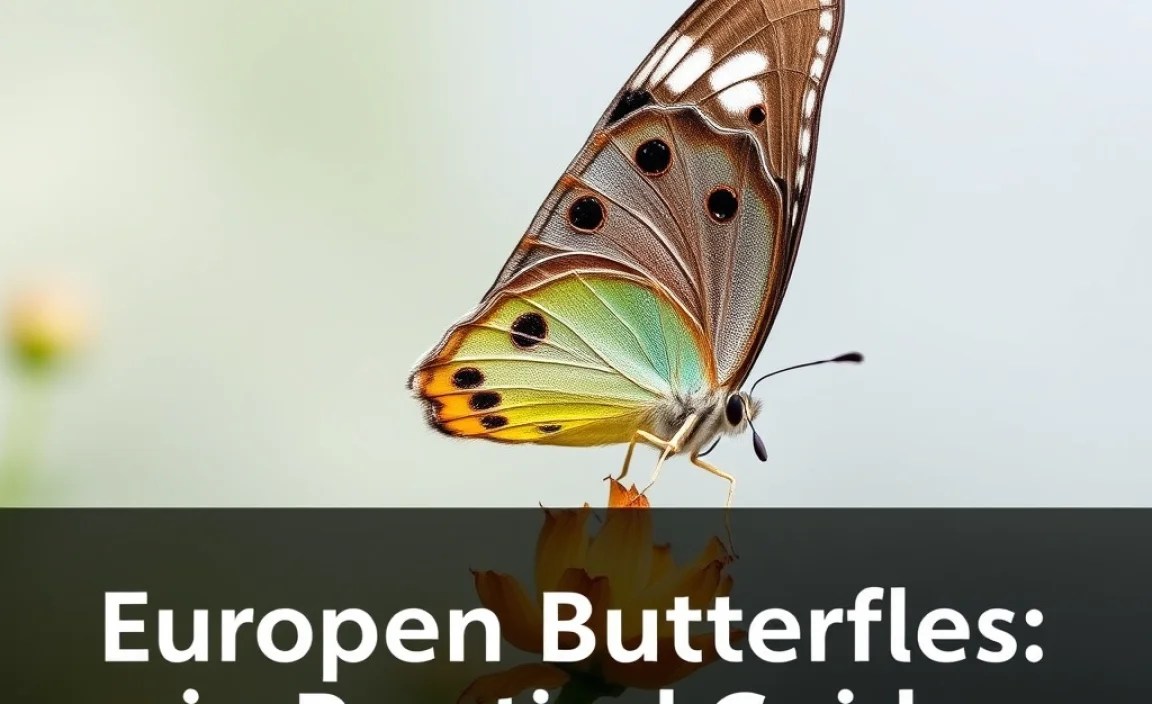
Identifying butterflies can be a rewarding experience. Here are some tips to help you on your journey:
- Observe the Size and Shape: Note the butterfly’s wingspan and overall shape. Is it large and elegant like a swallowtail, or small and delicate like a blue?
- Examine the Wing Color and Pattern: Pay close attention to the colors and patterns on the wings. Are there spots, stripes, or bands? Are the colors bright and vibrant or muted and earthy?
- Note the Habitat: Where did you see the butterfly? Was it in a garden, a forest, or a meadow? Different species prefer different habitats.
- Use a Field Guide: A good field guide is an invaluable tool for butterfly identification. Look for one specific to the Balkans or Europe.
- Take Photos: If possible, take photos of the butterfly from different angles. This will help you compare it to images in a field guide.
- Observe Behavior: How does the butterfly fly? Does it flutter gently or soar powerfully? What nectar sources does it visit?
Attracting Butterflies to Your Garden

You can create a butterfly-friendly garden that provides food and shelter for these beautiful creatures.
Plant Nectar-Rich Flowers
Butterflies need nectar to fuel their flight. Choose a variety of flowers that bloom at different times of the year to provide a continuous source of nectar.
- Lavender (Lavandula): A fragrant herb that attracts many butterflies.
- Buddleja (Buddleja davidii): Also known as the butterfly bush, this plant is a magnet for butterflies.
- Sedum (Sedum): Late-blooming sedums provide nectar in the autumn when other flowers are scarce.
- Thyme (Thymus): A low-growing herb that attracts small butterflies.
- Echinacea (Echinacea purpurea): Coneflowers are attractive to many butterflies and other pollinators.
Provide Larval Host Plants
Butterflies need specific plants on which to lay their eggs. These plants serve as food for the caterpillars.
- Milkweed (Asclepias): The host plant for Monarch butterflies (though Monarchs are not native to the Balkans, this is a good example of the principle).
- Nettles (Urtica dioica): The host plant for Small Tortoiseshell and Red Admiral butterflies.
- Cabbage (Brassica oleracea): The host plant for Large White and Small White butterflies.
- Violets (Viola): The host plant for Fritillary butterflies.
- Legumes (Fabaceae family): Host plants for many Blue butterflies.
Create a Butterfly-Friendly Habitat
Provide shelter from the wind and sun, and a source of water.
- Plant Trees and Shrubs: These provide shelter and resting places for butterflies.
- Provide a Shallow Dish of Water: Add pebbles or stones so butterflies can land and drink without drowning.
- Avoid Pesticides: Pesticides can harm or kill butterflies and other beneficial insects.
- Leave Some Areas Undisturbed: Allow some areas of your garden to grow wild, providing habitat for caterpillars and other wildlife.
Conservation Efforts and Protecting Balkan Butterflies

Many butterfly species are facing threats from habitat loss, climate change, and pesticide use. Supporting conservation efforts is crucial to protecting these beautiful creatures.
Habitat Preservation
Protecting and restoring butterfly habitats is essential. This includes preserving grasslands, forests, and wetlands.
Sustainable Agriculture
Promoting sustainable agricultural practices that minimize pesticide use and protect butterfly habitats.
Responsible Tourism
Supporting eco-tourism initiatives that promote responsible butterfly watching and conservation.
Citizen Science
Participating in citizen science projects to monitor butterfly populations and collect data on their distribution and abundance. The data helps scientists understand butterfly populations and develop conservation strategies.
Supporting Conservation Organizations
Donating to or volunteering with organizations that are working to protect butterflies and their habitats.
Butterfly Symbolism and Cultural Significance
Butterflies have long held symbolic meaning in various cultures around the world. They are often associated with transformation, rebirth, and hope.
- Transformation: The butterfly’s metamorphosis from caterpillar to pupa to butterfly is a powerful symbol of transformation and change.
- Rebirth: In some cultures, butterflies are seen as symbols of rebirth and resurrection.
- Hope: The butterfly’s delicate beauty and ability to fly symbolize hope and freedom.
- Soul: In some traditions, butterflies are believed to represent the human soul.
Butterflies also appear in art, literature, and mythology. Their beauty and symbolism have inspired artists and writers for centuries.
Resources for Further Exploration
To deepen your knowledge of European butterflies in the Balkans, here are some valuable resources:
- Field Guides: A good field guide is essential for butterfly identification. Look for one specific to Europe or the Balkans.
- Websites: Butterfly Conservation Europe is an excellent online resource.
- Local Nature Organizations: Contact local nature organizations for information on butterfly watching and conservation in your area.
- Museums: Visit natural history museums to see butterfly collections and learn about their biology and ecology.
Butterfly Species Table
| Butterfly Species | Family | Habitat | Key Identification Features |
|---|---|---|---|
| Old World Swallowtail (Papilio machaon) | Papilionidae | Gardens, open fields | Yellow wings with black veins, blue and orange spots near tails |
| Large White (Pieris brassicae) | Pieridae | Gardens, farmland | Large white wings with black tips |
| Common Blue (Polyommatus icarus) | Lycaenidae | Grasslands, meadows | Males: Bright blue wings; Females: Brown with blue scales |
| Red Admiral (Vanessa atalanta) | Nymphalidae | Gardens, woodlands | Black wings with red bands and white spots |
| Apollo (Parnassius apollo) | Papilionidae | Mountains | White wings with large red spots |
Threats to Balkan Butterflies Table
| Threat | Description | Impact on Butterflies |
|---|---|---|
| Habitat Loss | Destruction or fragmentation of butterfly habitats due to agriculture, urbanization, and deforestation. | Reduces available food sources, breeding sites, and shelter for butterflies. |
| Climate Change | Changes in temperature, rainfall, and seasonality can disrupt butterfly life cycles and alter habitat suitability. | Can lead to mismatches between butterfly emergence and host plant availability, as well as range shifts and extinctions. |
| Pesticide Use | Widespread use of pesticides in agriculture and gardens can directly kill butterflies and other beneficial insects. | Reduces butterfly populations and disrupts food webs. |
| Pollution | Air and water pollution can harm butterfly habitats and affect butterfly health. | Can reduce plant growth and nectar availability, as well as directly harm butterflies. |
| Over-collection | Excessive collecting of butterflies can reduce local populations, especially of rare or localized species. | Can lead to local extinctions and disrupt butterfly genetics. |
Frequently Asked Questions (FAQ)
What is the best time of year to see butterflies in the Balkans?
The best time to see butterflies in the Balkans is generally from late spring to early autumn (May to September). The peak season is usually in June and July when many species are in flight and flowers are abundant.
Where are the best places to see butterflies in the Balkans?
Some of the best places to see butterflies in the Balkans include national parks, nature reserves, and mountainous regions. Look for areas with diverse habitats, such as grasslands, forests, and meadows.
How can I identify a butterfly I saw in the Balkans?
To identify a butterfly, note its size, shape, color, and wing patterns. Observe its habitat and behavior. Use a field guide specific to Europe or the Balkans, or take photos and compare them to online resources.
What can I do to help protect butterflies in the Balkans?
You can help protect butterflies by planting nectar-rich flowers and larval host plants in your garden, avoiding pesticide use, supporting conservation organizations, and participating in citizen science projects.
Are there any endangered butterfly species in the Balkans?
Yes, several butterfly species in the Balkans are considered endangered or threatened due to habitat loss, climate change, and other factors. Conservation efforts are underway to protect these species.
Do butterflies migrate in the Balkans?
Yes, some butterfly species in the Balkans, such as the Painted Lady and Clouded Yellow, are migratory. They may travel long distances to find suitable breeding grounds or overwintering sites.
What is the difference between a butterfly and a moth?
Butterflies and moths are both Lepidoptera, but they have several differences. Butterflies are typically active during the day, have brightly colored wings, and hold their wings upright when at rest. Moths are often active at night, have duller colored wings, and hold their wings flat when at rest. Butterflies also have clubbed antennae, while moths have feathery or tapered antennae.
Conclusion
The European butterflies of the Balkans are a testament to the region’s rich biodiversity. By learning about these fascinating creatures, understanding their habitats, and supporting conservation efforts, we can help ensure their survival for generations to come. Whether you’re a seasoned naturalist or a curious beginner, the world of Balkan butterflies offers endless opportunities for discovery and appreciation. So, grab your field guide, head out into nature, and prepare to be amazed by the beauty and diversity of these winged wonders. Happy butterfly watching!


