
European Butterflies vs Asian: Ultimate Guide!

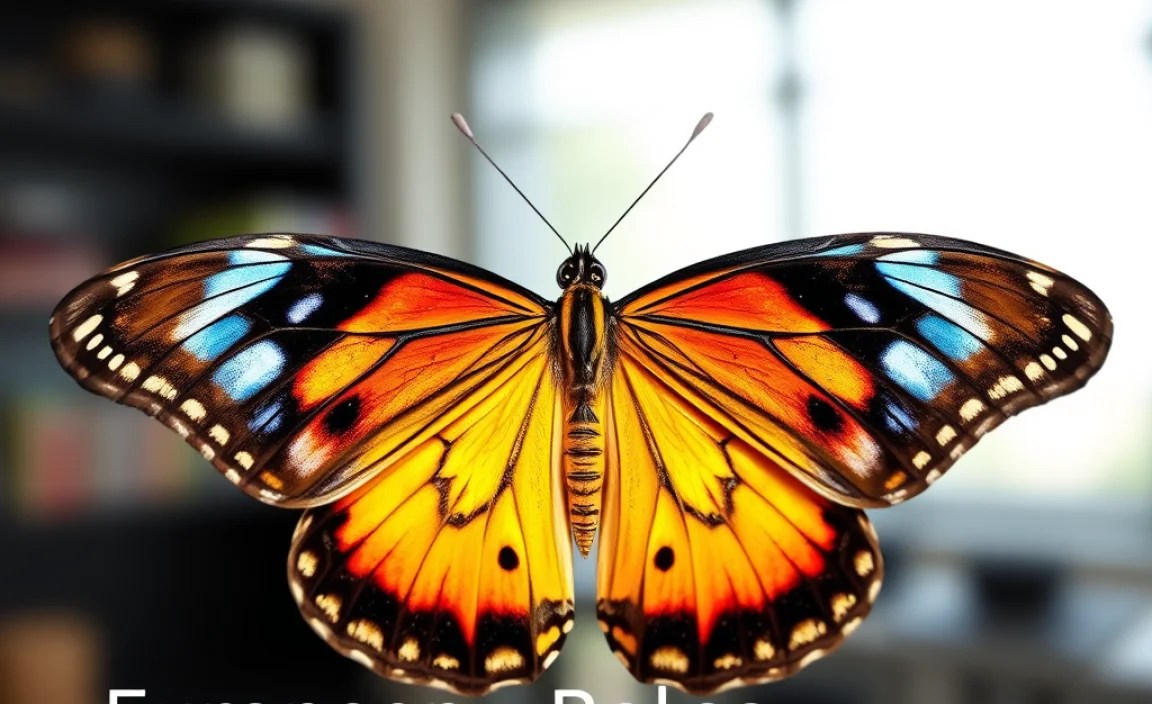
European and Asian butterflies share the spotlight as some of the world’s most diverse and beautiful insects. While both regions boast stunning species, they differ in habitat, size, color, and behavior. Understanding these differences enhances our appreciation for these delicate creatures and highlights the importance of conserving their unique ecosystems.
Have you ever wondered if that butterfly fluttering in your garden is a European beauty or an Asian wonder? Identifying butterflies can sometimes feel like solving a puzzle, especially when you’re trying to tell apart species from different continents. Don’t worry; you’re not alone! Many butterfly enthusiasts face this challenge. This guide will walk you through the key differences between European and Asian butterflies, making identification easier and more fun. Get ready to explore the fascinating world of butterflies and discover the unique characteristics that set them apart!
Understanding Butterfly Diversity: Europe vs. Asia

Europe and Asia are home to a wide array of butterfly species, each adapted to its specific environment. While there are similarities, distinct differences set these butterflies apart. Let’s delve into what makes European and Asian butterflies unique.
Habitat and Distribution
The geographical landscapes of Europe and Asia play a crucial role in shaping the distribution of butterfly species.
- Europe: European butterflies are found in diverse habitats ranging from the Arctic tundra to the Mediterranean coast. Common habitats include meadows, woodlands, and alpine regions.
- Asia: Asia, being the largest continent, boasts an even greater variety of habitats, including tropical rainforests, deserts, and high-altitude mountain ranges. This leads to a richer diversity of butterfly species.
Size and Physical Characteristics
Butterfly sizes vary significantly between the two regions, influenced by factors like climate and food availability.
- European Butterflies: Generally, European butterflies are medium-sized. For example, the Swallowtail (Papilio machaon) is one of the largest European butterflies, with a wingspan of about 3 inches.
- Asian Butterflies: Asia is home to some of the world’s largest butterfly species. The Atlas Moth (Attacus atlas), though technically a moth, showcases the potential scale of Asian Lepidoptera, with wingspans reaching up to 12 inches. Butterflies like the Kaiser-i-Hind (Teinopalpus imperialis) are also notably large and striking.
Color and Patterns
Coloration and patterns are vital for camouflage, mate attraction, and defense mechanisms.
- European Butterflies: European butterflies often display subtle and earthy tones, such as browns, yellows, and oranges. These colors help them blend into their temperate environments.
- Asian Butterflies: Asian butterflies are known for their vibrant and intricate patterns. The use of iridescent colors, metallic sheens, and bold designs is more common, especially in tropical regions.
Behavior and Life Cycle
Butterfly behavior, including feeding habits and migration patterns, also varies between the regions.
- European Butterflies: Many European butterflies undergo shorter migrations compared to their Asian counterparts. Their life cycles are closely tied to the seasonal changes in their temperate climates.
- Asian Butterflies: Some Asian butterflies, like the Monarch (Danaus genutia), undertake long migratory journeys. The tropical climate in many parts of Asia allows for multiple breeding cycles throughout the year.
Key Butterfly Families and Species

Let’s explore some notable butterfly families and species found in Europe and Asia.
European Butterfly Families and Species
Europe is home to several prominent butterfly families, each with unique characteristics.
Nymphalidae (Brush-footed Butterflies)
The Nymphalidae family is well-represented in Europe. These butterflies typically have reduced forelegs and are strong fliers.
- Red Admiral (Vanessa atalanta): Known for its striking black, red, and white markings.
- Peacock Butterfly (Aglais io): Easily recognized by its distinctive eyespots on the wings.
Papilionidae (Swallowtail Butterflies)
Swallowtails are among the largest and most beautiful butterflies in Europe.
- Swallowtail (Papilio machaon): Features yellow wings with black veins and distinctive tails.
- Scarce Swallowtail (Iphiclides podalirius): Similar to the Swallowtail but with longer tails and more elongated wings.
Pieridae (Whites and Yellows)
Pieridae butterflies are often white or yellow and are commonly seen in gardens and meadows.
- Large White (Pieris brassicae): A common garden butterfly known for its white wings and black tips.
- Brimstone (Gonepteryx rhamni): A bright yellow butterfly, one of the first to emerge in spring.
Asian Butterfly Families and Species
Asia’s vast landscapes support an even greater diversity of butterfly families and species.
Papilionidae (Swallowtail Butterflies)
Asian Swallowtails are often larger and more vibrantly colored than their European counterparts.
- Common Mormon (Papilio polytes): Exhibits remarkable polymorphism, with females mimicking toxic butterfly species for protection.
- Paris Peacock (Papilio paris): Known for its iridescent green and black wings.
Nymphalidae (Brush-footed Butterflies)
The Nymphalidae family is also diverse in Asia, with many species displaying intricate patterns and bright colors.
- Blue Clipper (Parthenos sylvia): A fast-flying butterfly with striking blue and black markings.
- Commander (Moduza procris): Features a distinctive white band across its brown wings.
Lycaenidae (Blues, Coppers, and Hairstreaks)
Lycaenidae butterflies are small but often brilliantly colored, with many species having intricate patterns and iridescent scales.
- Orchid Tit (Chliaria othona): A delicate butterfly with iridescent blue wings and long tails.
- Common Pierrot (Castalius rosimon): Known for its white wings with black spots.
Comparing Butterfly Characteristics: A Detailed Table

To further illustrate the differences between European and Asian butterflies, here’s a detailed comparison table:
| Characteristic | European Butterflies | Asian Butterflies |
|---|---|---|
| Habitat | Meadows, woodlands, alpine regions | Tropical rainforests, deserts, high-altitude mountains |
| Size | Generally medium-sized | Variable, some of the world’s largest species |
| Coloration | Earthy tones, browns, yellows, oranges | Vibrant, iridescent colors, metallic sheens |
| Migration | Shorter migrations | Long migratory journeys in some species |
| Common Families | Nymphalidae, Papilionidae, Pieridae | Papilionidae, Nymphalidae, Lycaenidae |
| Examples | Red Admiral, Swallowtail, Large White | Common Mormon, Blue Clipper, Orchid Tit |
Ecological Roles and Conservation
Butterflies play vital roles in their ecosystems, and conservation efforts are crucial for their survival.
Ecological Importance
Butterflies contribute significantly to their environments.
- Pollination: Butterflies are important pollinators, transferring pollen from flower to flower as they feed on nectar. This helps in the reproduction of many plant species.
- Food Source: They serve as a food source for birds, reptiles, and other insects. Butterfly larvae (caterpillars) are also a crucial part of the food chain.
- Bioindicators: Butterflies are sensitive to environmental changes, making them excellent bioindicators. Their presence or absence can indicate the health of an ecosystem.
Threats to Butterfly Populations
Several factors threaten butterfly populations in both Europe and Asia.
- Habitat Loss: Deforestation, urbanization, and agricultural expansion destroy butterfly habitats.
- Climate Change: Changing climate patterns can disrupt butterfly life cycles and migration patterns.
- Pesticide Use: Pesticides used in agriculture can harm or kill butterflies and their larvae.
- Pollution: Air and water pollution can negatively impact butterfly health and their food sources.
Conservation Strategies
Protecting butterflies requires a multi-faceted approach.
- Habitat Preservation: Protecting and restoring natural habitats is essential for butterfly conservation. This includes creating butterfly gardens and reserves.
- Sustainable Agriculture: Promoting sustainable farming practices that reduce pesticide use and preserve natural habitats.
- Climate Action: Addressing climate change through reducing greenhouse gas emissions and promoting sustainable energy.
- Education and Awareness: Raising awareness about the importance of butterflies and the threats they face can inspire conservation action.
The Xerces Society is a great resource for learning about invertebrate conservation and how to get involved.
Attracting Butterflies to Your Garden

Creating a butterfly-friendly garden is a rewarding way to support these beautiful creatures.
Choosing the Right Plants
Select plants that provide nectar for adult butterflies and food for caterpillars.
- Nectar Plants:
- Europe: Lavender, Buddleja (Butterfly Bush), Verbena
- Asia: Lantana, Hibiscus, Zinnia
- Host Plants:
- Europe: Milkweed (for Monarchs), Nettles (for Red Admirals), Thistles (for Painted Ladies)
- Asia: Citrus (for Swallowtails), Milkweed (for Monarchs), Aristolochia (for Common Birdwings)
Creating a Butterfly Habitat
Provide elements that make your garden attractive and safe for butterflies.
- Sunlight: Butterflies need sunlight to warm their bodies. Ensure your garden has sunny spots.
- Shelter: Provide shelter from wind and rain with shrubs and trees.
- Water Source: Offer a shallow dish of water with pebbles for butterflies to land on and drink.
- Avoid Pesticides: Use organic gardening practices to protect butterflies from harmful chemicals.
Maintaining Your Butterfly Garden
Regular maintenance will keep your garden thriving and attractive to butterflies.
- Deadheading: Remove spent flowers to encourage more blooms.
- Watering: Keep plants well-watered, especially during dry periods.
- Weeding: Remove weeds that compete with your butterfly plants.
Butterfly Identification Tips and Resources
Identifying butterflies can be a fun and educational hobby. Here are some tips and resources to help you get started.
Using Field Guides
Field guides are essential tools for butterfly identification.
- European Field Guides: Look for guides specific to your region, such as “Butterflies of Britain and Europe” by Tom Tolman.
- Asian Field Guides: “Butterflies of the Indian Subcontinent” by K. Kunte is an excellent resource for identifying butterflies in that region.
Online Resources
Many websites and apps can assist with butterfly identification.
- Butterfly Identification Websites: Websites like iNaturalist and Butterfly Conservation offer extensive databases and identification tools.
- Butterfly Identification Apps: Apps like Picture Insect and Seek can identify butterflies from photos.
Observing Key Features
Pay attention to the following features when identifying butterflies:
- Size and Shape: Note the butterfly’s wingspan and body shape.
- Color and Pattern: Observe the colors, patterns, and markings on the wings.
- Habitat: Consider the type of environment where you found the butterfly.
- Behavior: Watch how the butterfly flies and feeds.
Frequently Asked Questions (FAQ)
What is the main difference between European and Asian butterflies?
The main differences lie in their habitats and coloration. European butterflies often have more subdued colors to blend into temperate environments, while Asian butterflies are known for vibrant and intricate patterns, especially in tropical regions.
Are there any butterflies that are found in both Europe and Asia?
Yes, some species, like the Painted Lady (Vanessa cardui), are migratory and can be found across both Europe and Asia. These butterflies are highly adaptable and can thrive in various environments.
How can I attract more butterflies to my garden?
To attract butterflies, plant a variety of nectar-rich flowers and host plants for caterpillars. Provide a water source, shelter from the wind, and avoid using pesticides.
What role do butterflies play in the ecosystem?
Butterflies are important pollinators, contributing to the reproduction of many plant species. They also serve as a food source for birds and other animals, and their presence or absence can indicate the health of an ecosystem.
Why are butterfly populations declining?
Butterfly populations are declining due to habitat loss, climate change, pesticide use, and pollution. Conservation efforts are crucial to protect these beautiful insects and their habitats.
What are some easy-to-identify butterflies in Europe?
Some easy-to-identify European butterflies include the Red Admiral (Vanessa atalanta) with its striking red and black markings, and the Peacock Butterfly (Aglais io) with its distinctive eyespots.
What are some easy-to-identify butterflies in Asia?
In Asia, the Common Mormon (Papilio polytes) is easily recognizable due to its polymorphism, and the Blue Clipper (Parthenos sylvia) stands out with its vibrant blue and black wings.
Conclusion
Exploring the world of European and Asian butterflies reveals a fascinating tapestry of diversity, adaptation, and ecological importance. While European butterflies often showcase subtle beauty suited to temperate climates, Asian butterflies dazzle with vibrant colors and intricate patterns reflective of their diverse habitats. By understanding these differences, we deepen our appreciation for these delicate creatures and the vital roles they play in our ecosystems.
Whether you’re a seasoned naturalist or a budding butterfly enthusiast, there are countless ways to support butterfly conservation. From creating butterfly-friendly gardens to advocating for sustainable practices, every action counts. Let’s continue to learn, explore, and protect these beautiful symbols of nature, ensuring that future generations can marvel at their beauty and grace. Happy butterfly watching!


