
European Butterflies in the Iberian Peninsula: A Smart Guide

Discovering European butterflies in the Iberian Peninsula is an exciting journey! This region boasts a rich diversity of butterfly species. From the vibrant swallowtails to the elusive blues, identifying these beauties involves noting their size, color patterns, and habitat. Bring a field guide and binoculars to explore butterfly hotspots and enjoy the natural wonders of Spain and Portugal!
Have you ever strolled through a sun-drenched meadow and been mesmerized by the fluttering wings of butterflies? The Iberian Peninsula, comprising Spain and Portugal, is a paradise for these winged jewels. However, identifying the many butterfly species can be a delightful challenge. Where do you start? What are the key characteristics to look for? How can you contribute to their conservation?
This guide provides a step-by-step approach to identifying and appreciating European butterflies in the Iberian Peninsula. We’ll cover essential identification tips, highlight prime butterfly-watching locations, and offer practical advice on supporting these vital creatures. Get ready to embark on a colorful adventure!
Frequently Asked Questions (FAQs)
What makes the Iberian Peninsula a great place for butterflies?

The Iberian Peninsula’s diverse climates and habitats, ranging from mountains to coastal regions, support a wide variety of butterfly species. This biodiversity makes it a butterfly enthusiast’s dream destination.
When is the best time to see butterflies in the Iberian Peninsula?

The peak butterfly season is typically from late spring to early summer (May to June). However, you can find butterflies from early spring to late autumn, depending on the region and species.
What equipment do I need for butterfly watching?

Essential equipment includes a good field guide to Iberian butterflies, binoculars for closer observation, a notebook for recording your sightings, and comfortable walking shoes.
How can I attract butterflies to my garden?

Planting nectar-rich flowers, providing host plants for caterpillars, and avoiding pesticides are great ways to attract butterflies to your garden. A shallow dish of water with pebbles also helps.
Are any butterfly species in the Iberian Peninsula endangered?

Yes, several butterfly species are threatened due to habitat loss, climate change, and pesticide use. Conservation efforts are crucial to protect these vulnerable species.
How can I contribute to butterfly conservation?

You can contribute by supporting conservation organizations, participating in citizen science projects, creating butterfly-friendly habitats, and educating others about the importance of butterfly conservation.
What are some common mistakes to avoid when identifying butterflies?
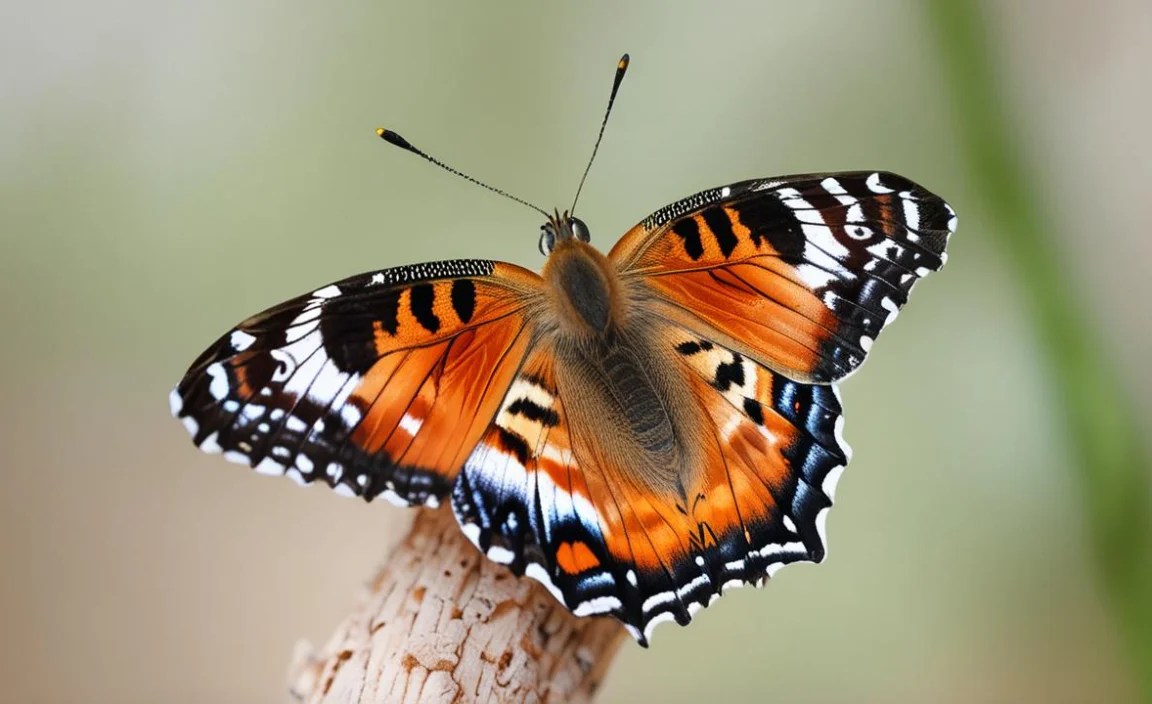
Common mistakes include relying solely on color, not considering size and wing shape, and neglecting to check the butterfly’s habitat and flight period. Always use multiple characteristics for accurate identification.
Identifying European Butterflies in the Iberian Peninsula: A Step-by-Step Guide

Identifying butterflies can seem daunting at first, but with a systematic approach, it becomes an enjoyable and rewarding experience. Here’s a detailed guide to help you identify European butterflies in the Iberian Peninsula.
Step 1: Gather Your Resources
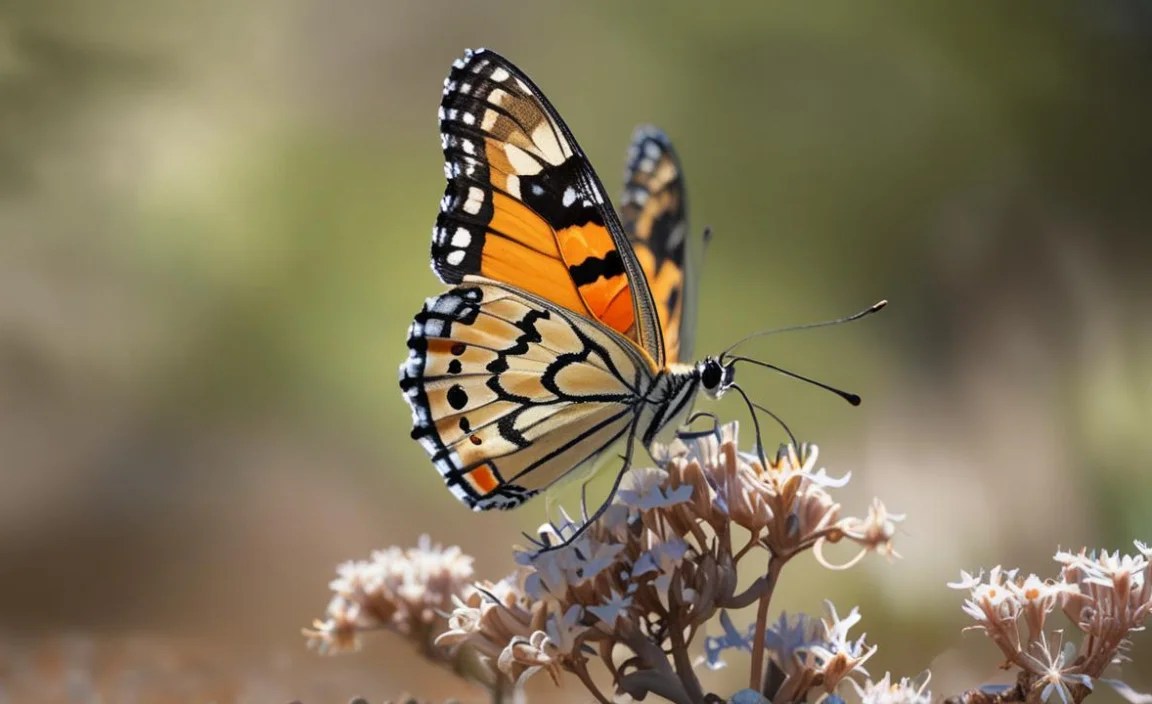
Before heading out, it’s essential to equip yourself with the right resources. These tools will significantly aid in identifying butterflies accurately.
- Field Guide: A comprehensive field guide specific to Iberian butterflies is indispensable. Look for one with detailed descriptions, illustrations, and distribution maps.
- Binoculars: A pair of binoculars allows you to observe butterflies from a distance without disturbing them. Choose a model with good close-focusing capabilities.
- Notebook and Pen: Keep a notebook to record your observations, including the date, location, habitat, and any distinguishing features of the butterflies you see.
- Camera: A camera can capture images for later identification and documentation. Even a smartphone camera can be useful.
- Magnifying Glass: A small magnifying glass can help you examine fine details on the butterfly’s wings.
Step 2: Understand Butterfly Anatomy
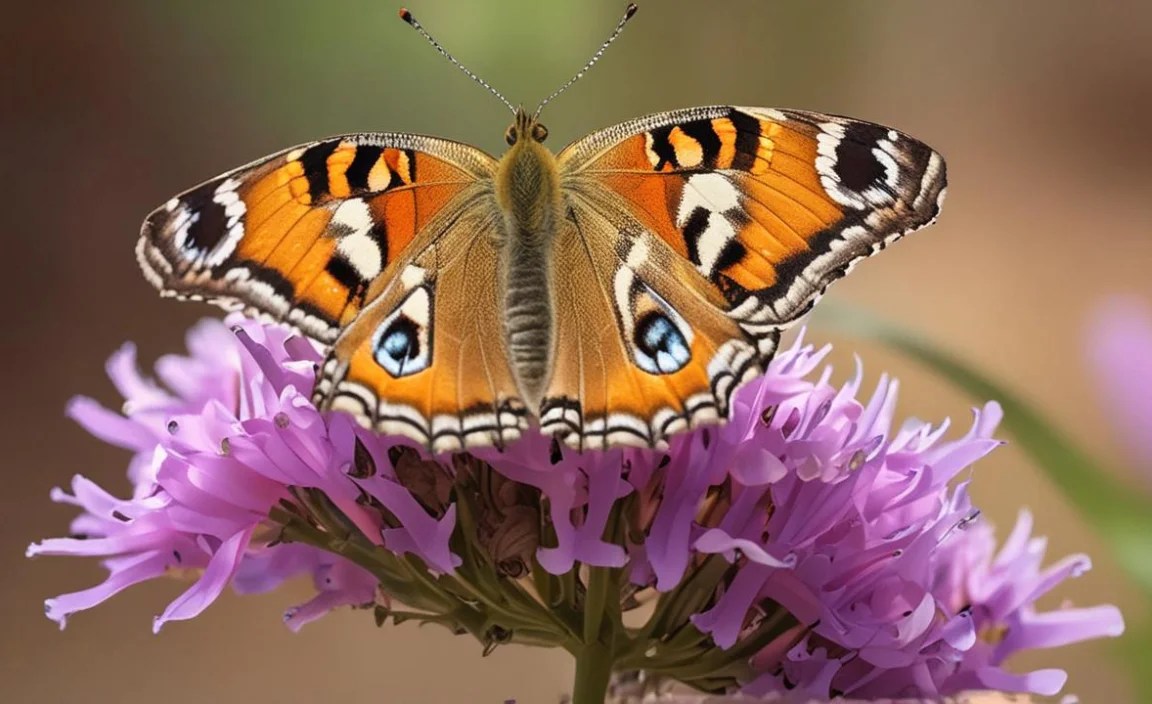
Familiarizing yourself with basic butterfly anatomy will make identification much easier. Here are the key parts to focus on:
- Wings: Butterflies have two pairs of wings: the forewings and the hindwings. Pay attention to their shape, size, color patterns, and markings.
- Body: The body consists of the head, thorax, and abdomen. Note the color and any distinctive features.
- Antennae: Butterflies have clubbed antennae, which they use for sensing their environment.
- Legs: Butterflies have six legs, but in some species, the front legs are reduced and not used for walking.
Step 3: Observe Key Characteristics
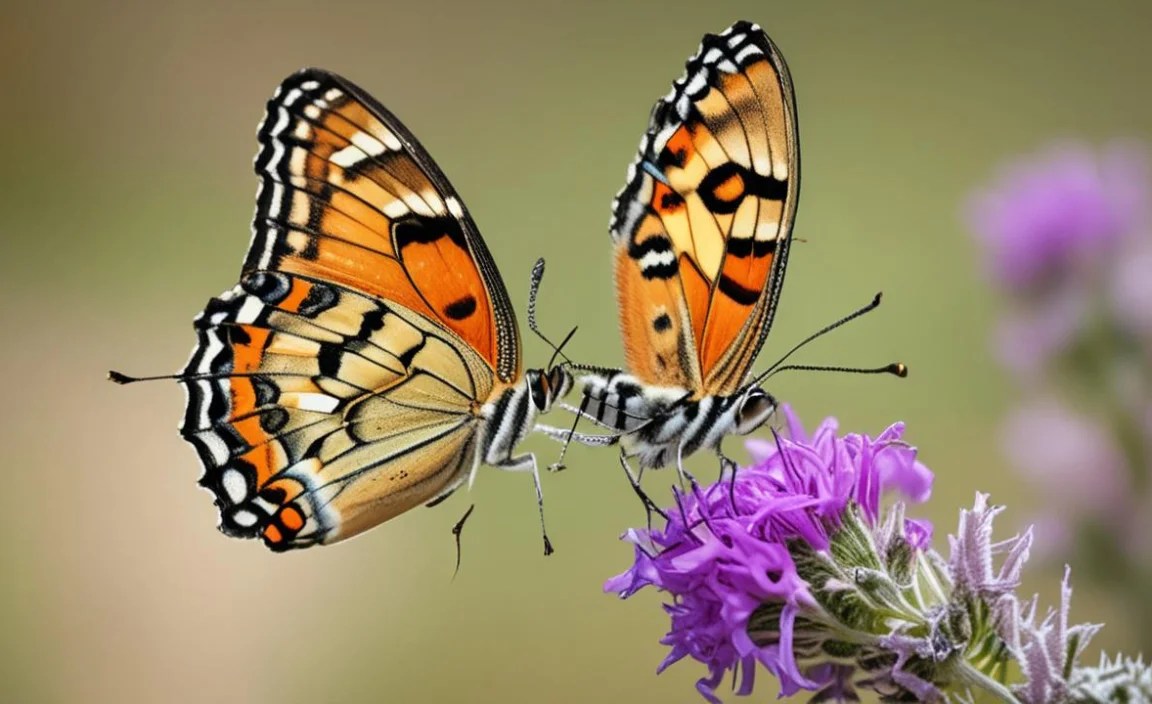
When you spot a butterfly, take note of the following characteristics:
Size and Shape
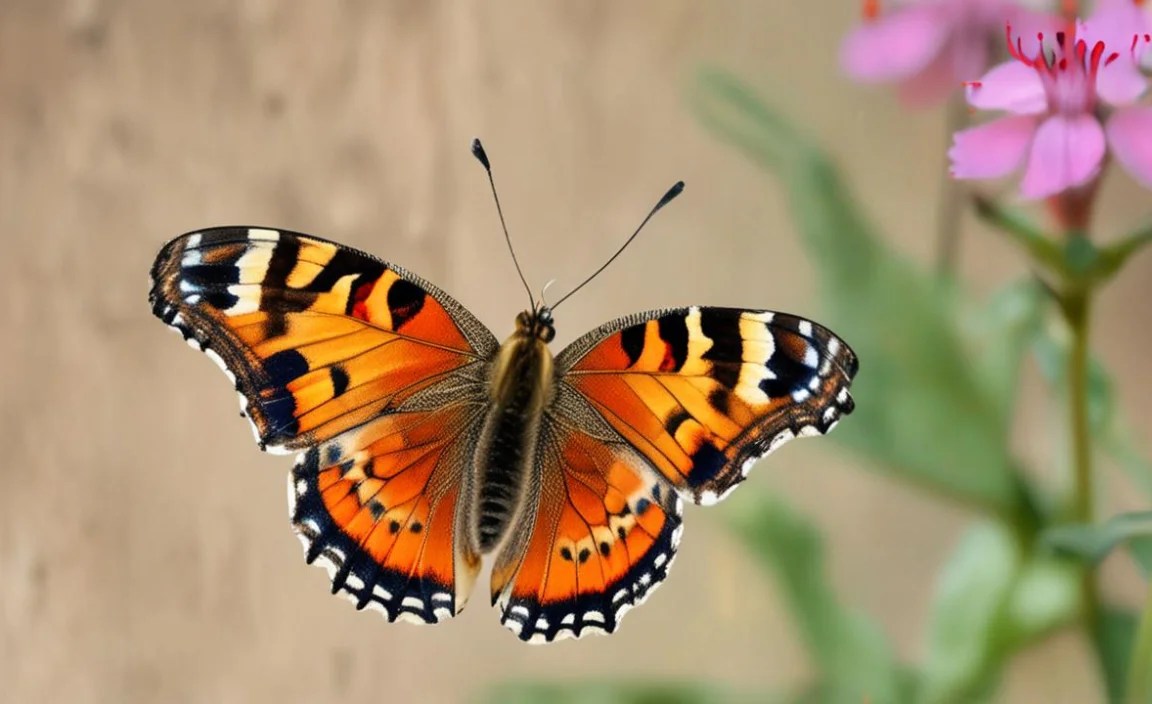
Butterflies vary greatly in size, from small blues to large swallowtails. Observe the overall size and shape of the wings.
Color and Pattern
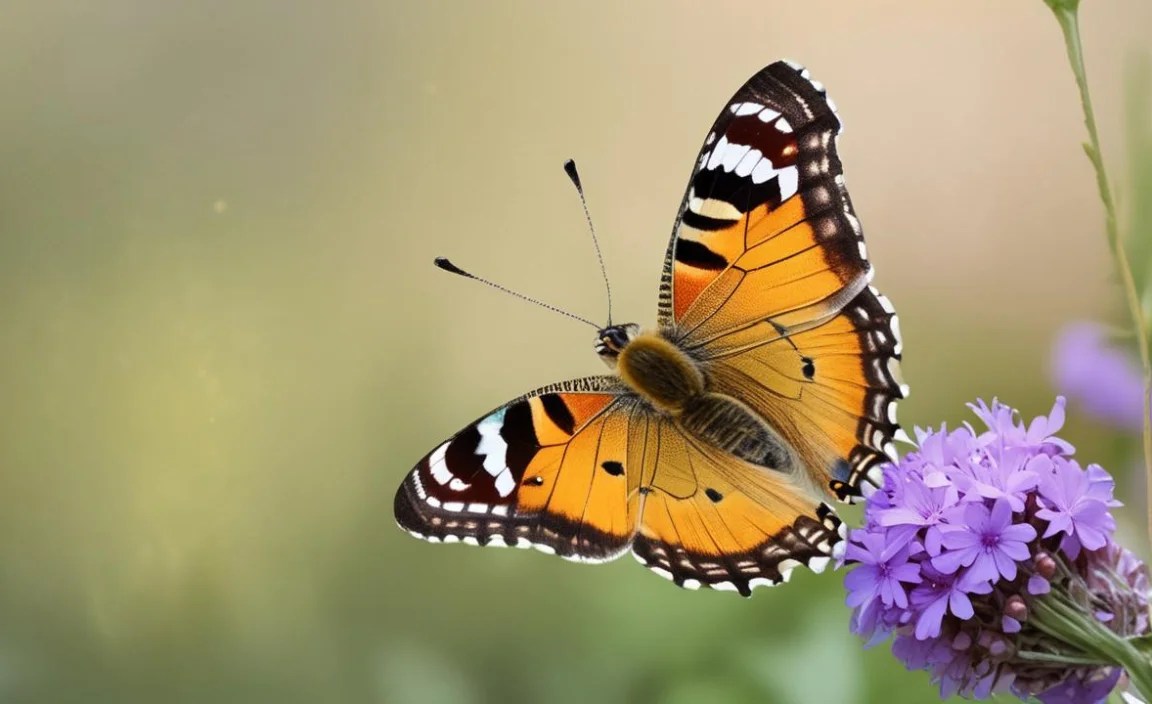
The color and pattern of the wings are crucial for identification. Note the presence of spots, stripes, bands, and other markings. Look at both the upper and undersides of the wings, as they can differ significantly.
Flight Pattern
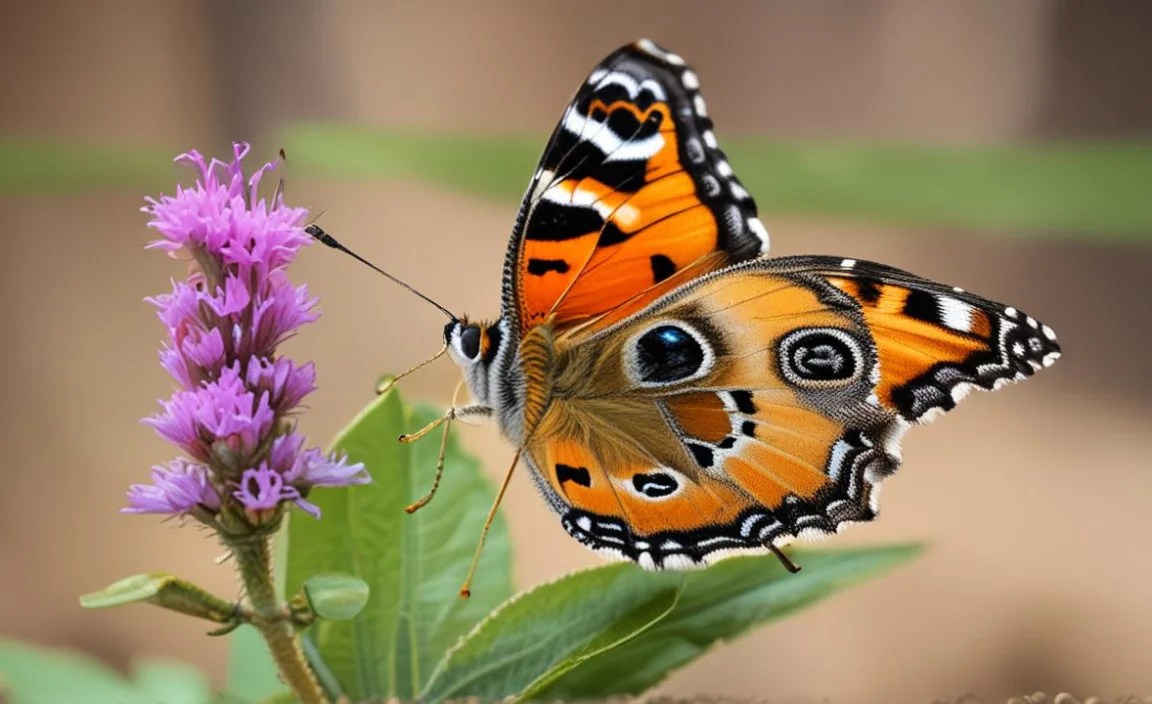
Some butterflies have a distinctive flight pattern. For example, some species flutter weakly, while others have a strong, direct flight.
Habitat
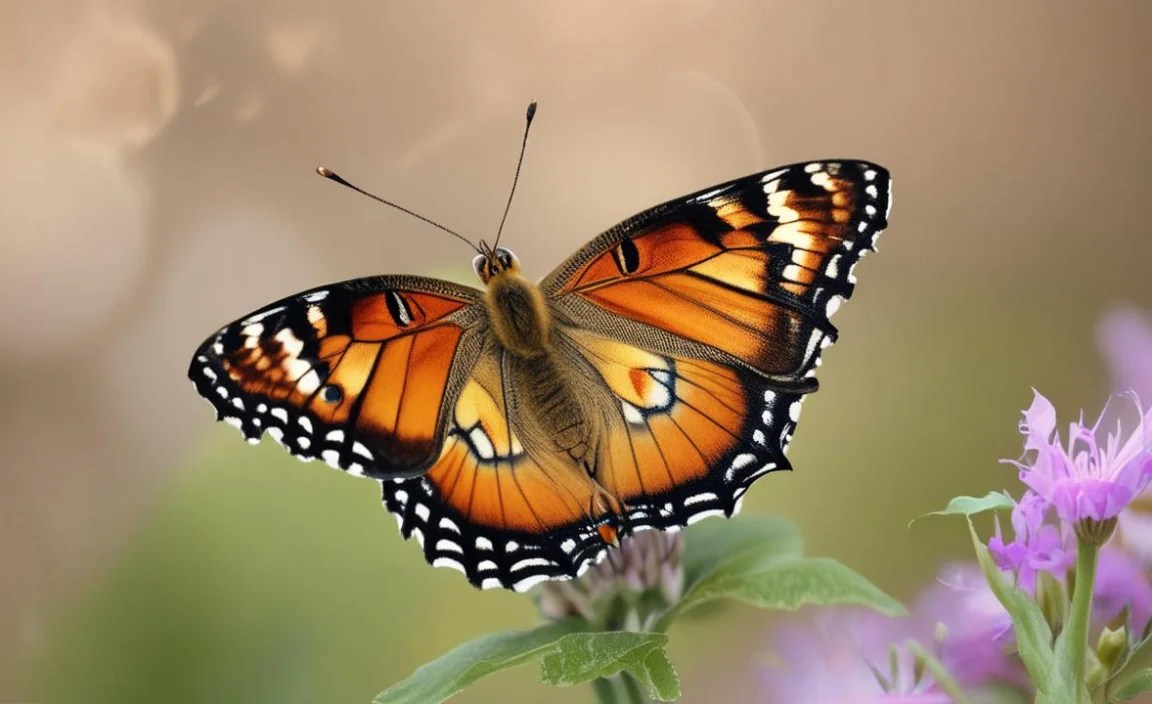
The habitat in which you find the butterfly can provide clues to its identity. Some species are specific to woodlands, grasslands, or wetlands.
Behavior
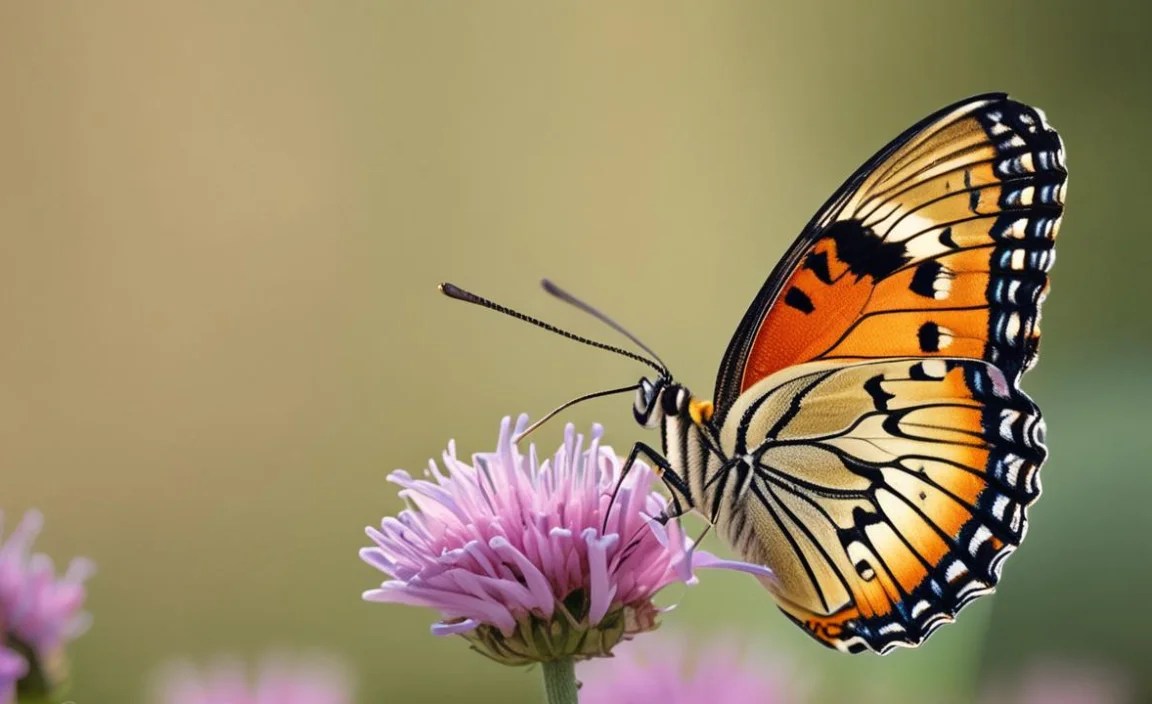
Observe the butterfly’s behavior. Is it feeding on flowers, basking in the sun, or flying rapidly? Some species have characteristic behaviors that can aid in identification.
Step 4: Use Your Field Guide
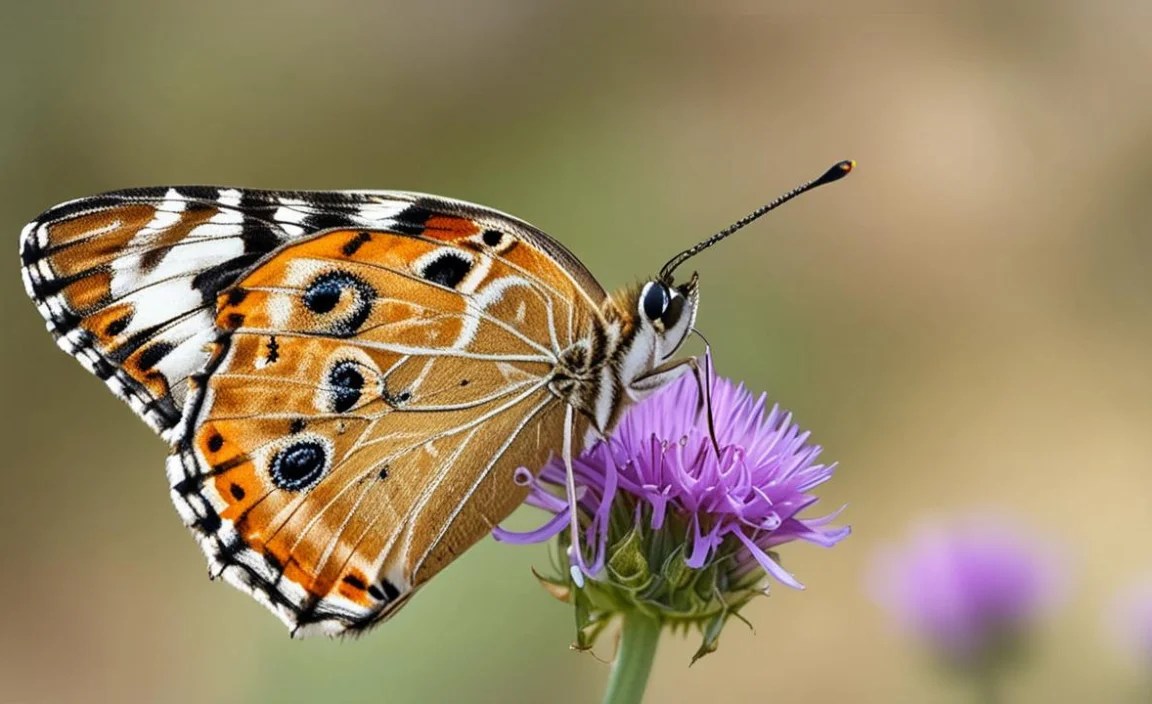
Now, use your field guide to compare your observations with the descriptions and illustrations. Start by narrowing down the possibilities based on size, color, and habitat.
- Compare Images: Look for images in the field guide that closely match the butterfly you observed.
- Read Descriptions: Read the detailed descriptions, paying attention to key identifying features.
- Check Distribution Maps: Verify that the species is known to occur in the area where you saw it.
- Consider Similar Species: Be aware of similar species that might be confused with the one you are trying to identify.
Step 5: Document Your Findings
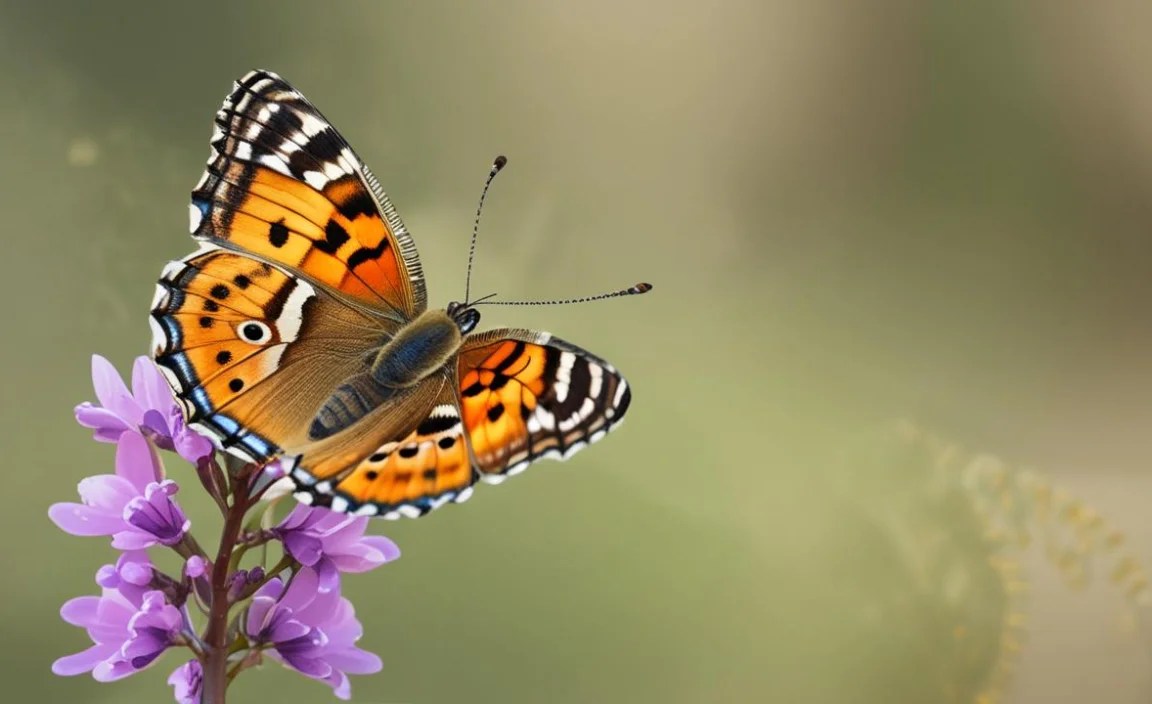
Record your observations in your notebook, including the date, time, location, habitat, and a detailed description of the butterfly. If possible, take a photograph to help with later identification.
Step 6: Explore Butterfly Hotspots in the Iberian Peninsula

To maximize your chances of seeing a variety of butterfly species, visit some of the prime butterfly-watching locations in the Iberian Peninsula.
- Sierra de Gredos, Spain: This mountain range is home to a diverse array of butterflies, including the Spanish Argus and the Apollo butterfly.
- Picos de Europa National Park, Spain: This park offers stunning scenery and a rich butterfly fauna, including the Marsh Fritillary and the Large Blue.
- Serra da Estrela, Portugal: The highest mountain range in Portugal is a haven for butterflies, with species such as the Portuguese Dappled White and the Black-veined White.
- Doñana National Park, Spain: This wetland area is home to a variety of butterflies, including the Swallowtail and the Scarce Swallowtail.
- Montesinho Natural Park, Portugal: This park in northeastern Portugal is known for its diverse butterfly populations, including the Cleopatra and the Two-tailed Pasha.
Step 7: Common Butterfly Species in the Iberian Peninsula

Let’s explore some of the most frequently encountered butterfly species in the Iberian Peninsula. Knowing these species well will greatly enhance your identification skills.
Swallowtail (Papilio machaon)
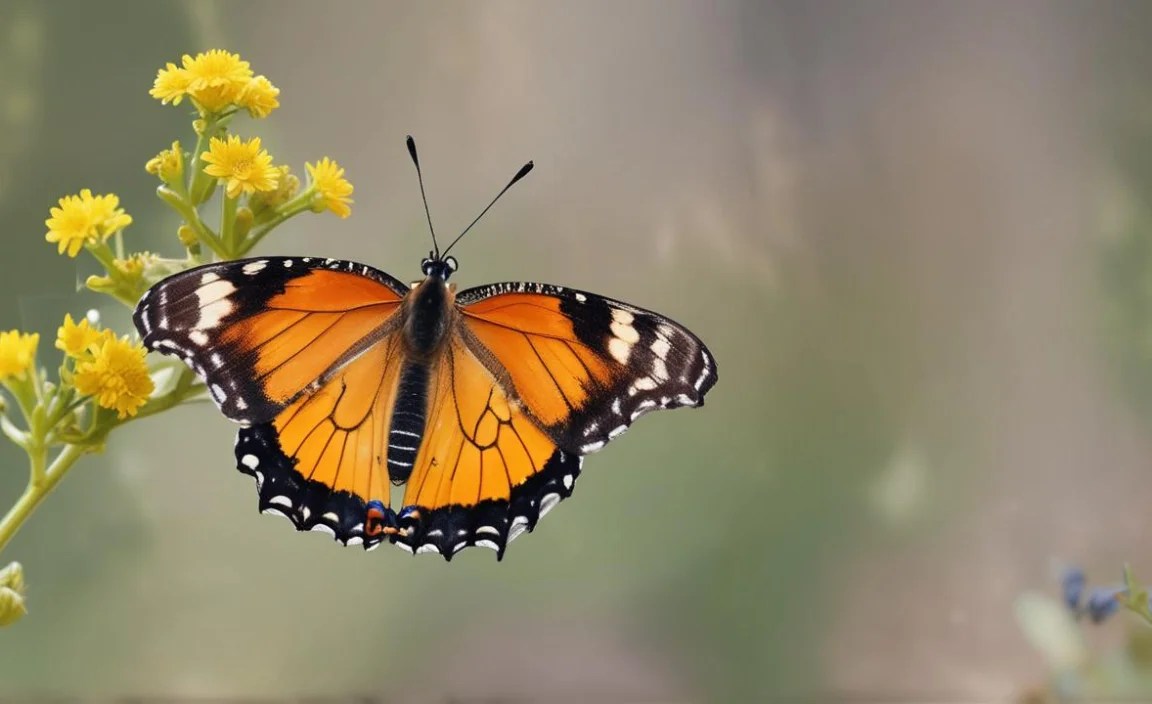
The Swallowtail is one of Europe’s largest and most striking butterflies. With its bright yellow wings adorned with black veins and blue and orange markings, it’s a sight to behold.
- Identifying Features: Large size, yellow wings with black veins, blue and orange markings on the hindwings.
- Habitat: Meadows, gardens, and open countryside.
- Flight Period: April to September.
Scarce Swallowtail (Iphiclides podalirius)
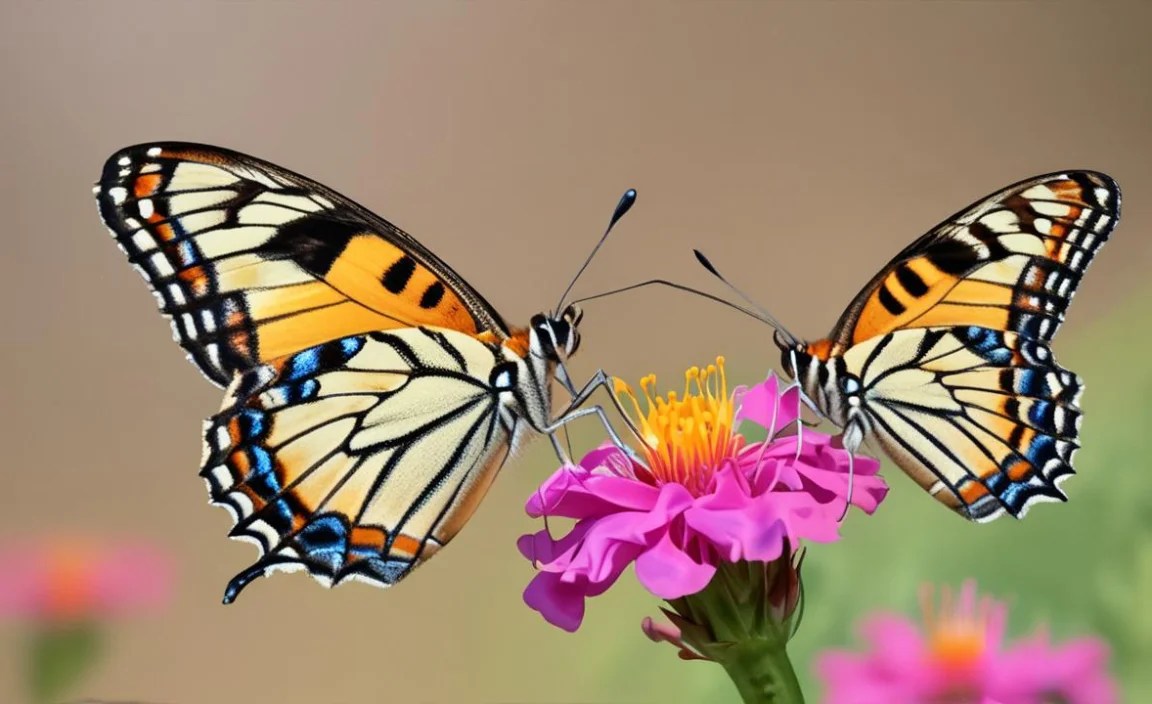
Similar to the Swallowtail, the Scarce Swallowtail has a more elongated shape and distinctive black stripes on its pale yellow wings.
- Identifying Features: Elongated shape, pale yellow wings with black stripes, long tails on the hindwings.
- Habitat: Orchards, open woodlands, and gardens.
- Flight Period: April to August.
Cleopatra (Gonepteryx cleopatra)
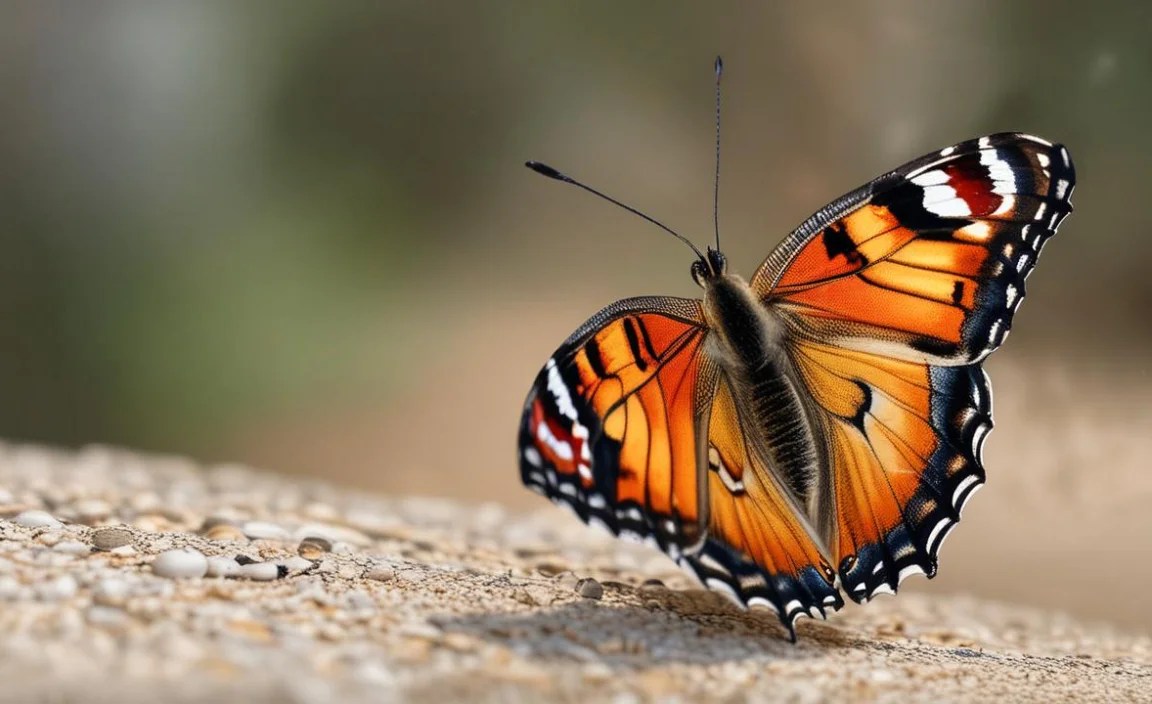
The male Cleopatra butterfly is easily recognizable by its bright orange wings, while the female has pale yellow wings. Both sexes have a distinctive pointed shape.
- Identifying Features: Male with bright orange wings, female with pale yellow wings, pointed wing shape.
- Habitat: Woodlands, scrubland, and gardens.
- Flight Period: March to November.
Two-Tailed Pasha (Charaxes jasius)
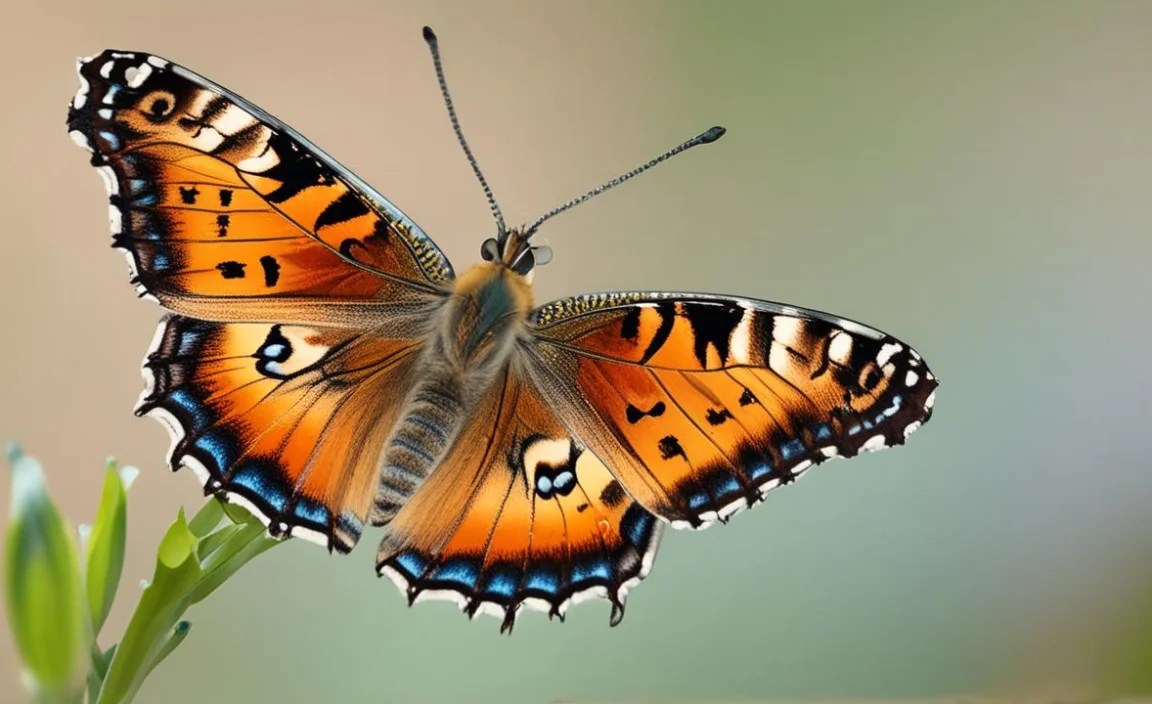
This large and impressive butterfly is known for its two distinctive tails on each hindwing and its strong, gliding flight.
- Identifying Features: Large size, two tails on each hindwing, brown wings with orange markings.
- Habitat: Woodland edges, scrubland, and gardens.
- Flight Period: June to September.
Spanish Marbled White (Melanargia lachesis)

This beautiful butterfly has a distinctive black and white marbled pattern on its wings, resembling a checkerboard.
- Identifying Features: Black and white marbled pattern on wings.
- Habitat: Dry grasslands and open woodlands.
- Flight Period: June to August.
Large Blue (Phengaris arion)
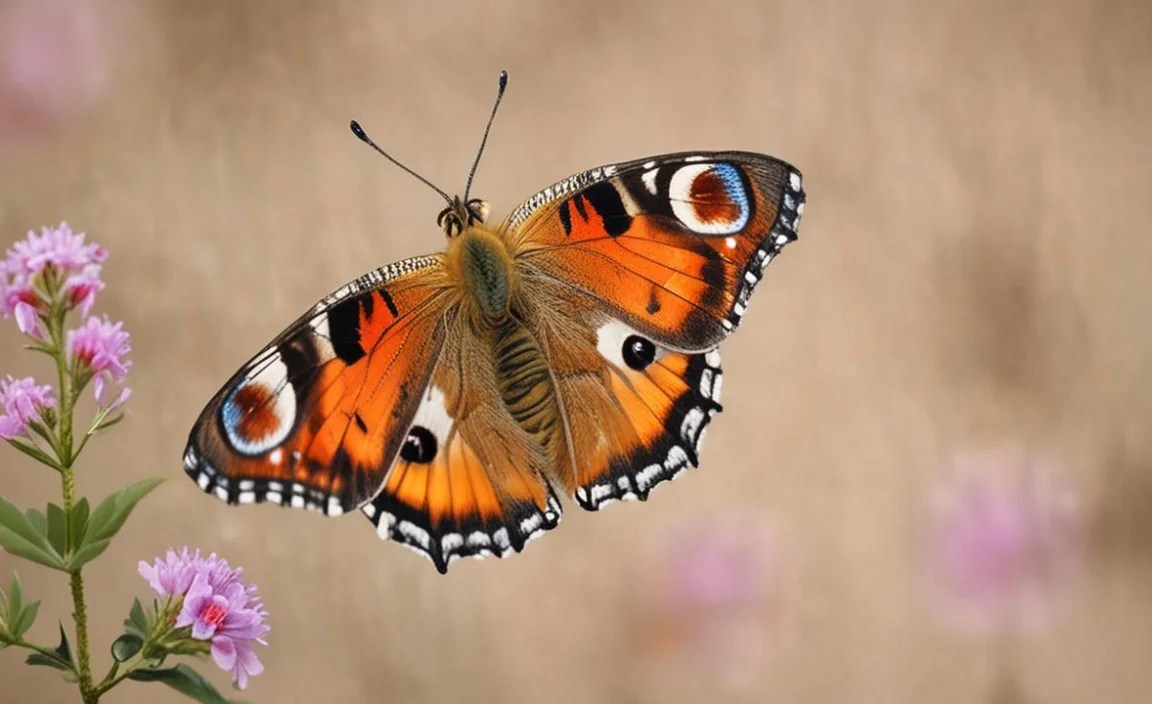
The Large Blue is a fascinating butterfly with a complex life cycle. Its caterpillars feed on thyme flowers and are later adopted by red ants, which carry them into their nests.
- Identifying Features: Bright blue wings with black spots, complex life cycle involving ants.
- Habitat: Grasslands and heaths.
- Flight Period: July to August.
Small Blue (Cupido minimus)
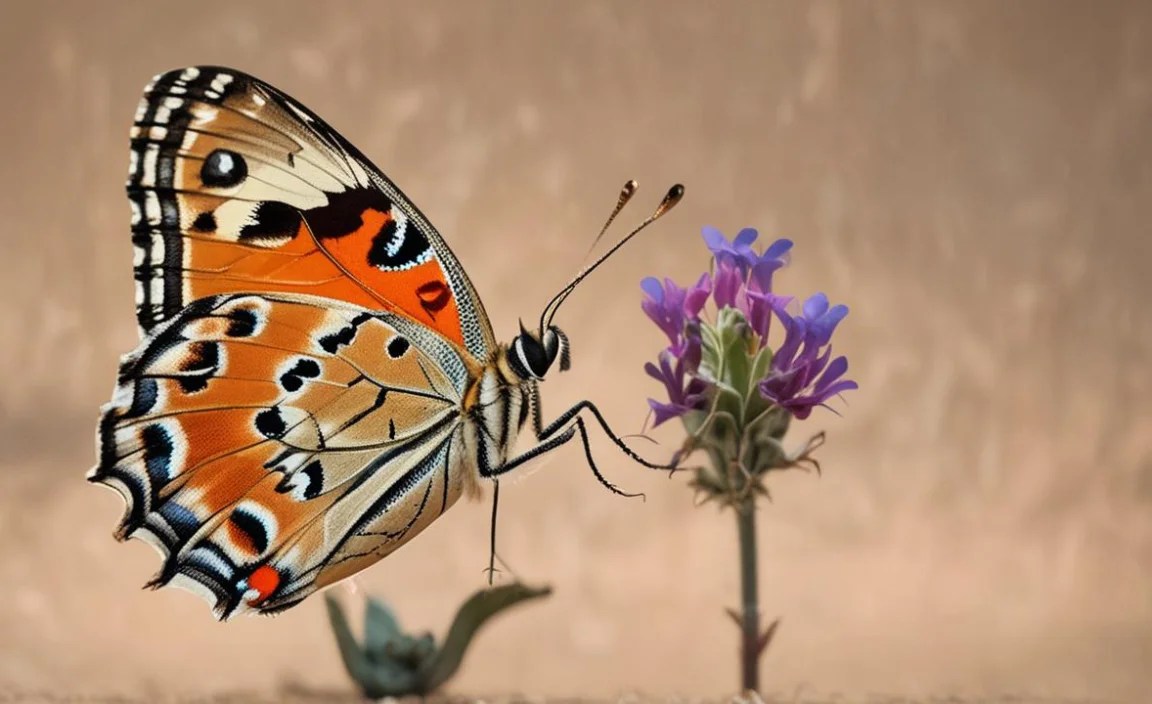
As its name suggests, the Small Blue is one of the smallest butterflies in Europe. It has pale blue wings with a delicate appearance.
- Identifying Features: Small size, pale blue wings.
- Habitat: Calcareous grasslands.
- Flight Period: May to August.
Red Admiral (Vanessa atalanta)

The Red Admiral is a migratory butterfly known for its striking black wings with red bands and white spots.
- Identifying Features: Black wings with red bands and white spots.
- Habitat: Gardens, woodlands, and open countryside.
- Flight Period: March to November.
Painted Lady (Vanessa cardui)
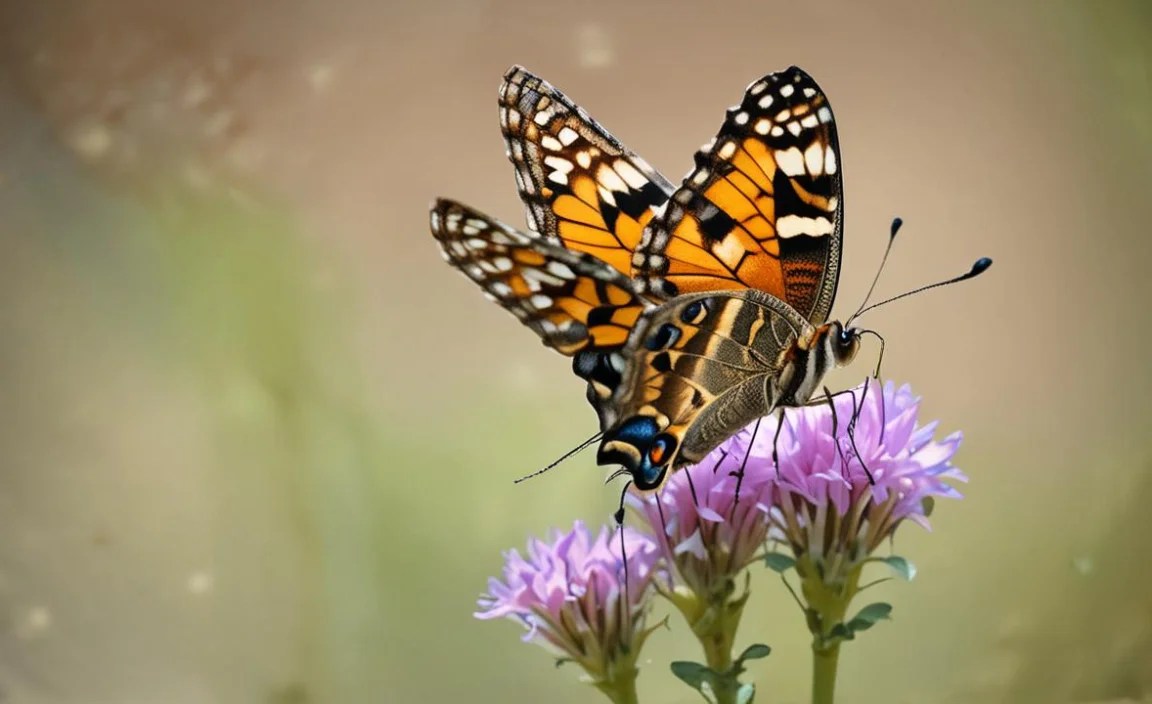
Another migratory species, the Painted Lady, is recognized by its orange and brown wings with black markings and white spots.
- Identifying Features: Orange and brown wings with black markings and white spots.
- Habitat: Gardens, fields, and open countryside.
- Flight Period: Throughout the year.
Meadow Brown (Maniola jurtina)
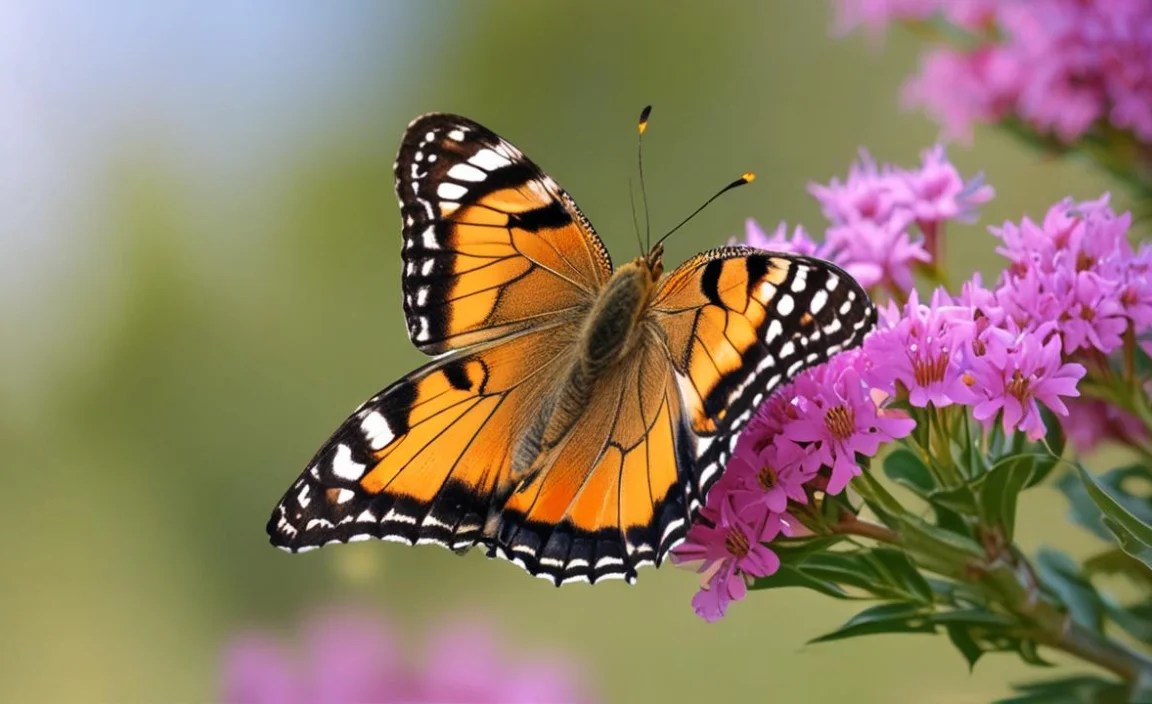
The Meadow Brown is a common and widespread butterfly with brown wings and a distinctive eyespot on each forewing.
- Identifying Features: Brown wings with an eyespot on each forewing.
- Habitat: Grasslands and meadows.
- Flight Period: June to September.
Table: Common European Butterflies in the Iberian Peninsula

| Species | Identifying Features | Habitat | Flight Period |
|---|---|---|---|
| Swallowtail (Papilio machaon) | Yellow wings with black veins, blue and orange markings | Meadows, gardens | April to September |
| Scarce Swallowtail (Iphiclides podalirius) | Pale yellow wings with black stripes, long tails | Orchards, woodlands | April to August |
| Cleopatra (Gonepteryx cleopatra) | Male: Orange wings, Female: Pale yellow wings | Woodlands, gardens | March to November |
| Two-Tailed Pasha (Charaxes jasius) | Large, two tails on hindwings, brown with orange | Woodland edges, gardens | June to September |
| Spanish Marbled White (Melanargia lachesis) | Black and white marbled pattern | Dry grasslands | June to August |
| Large Blue (Phengaris arion) | Bright blue wings with black spots | Grasslands, heaths | July to August |
| Small Blue (Cupido minimus) | Small, pale blue wings | Calcareous grasslands | May to August |
| Red Admiral (Vanessa atalanta) | Black wings with red bands and white spots | Gardens, woodlands | March to November |
| Painted Lady (Vanessa cardui) | Orange and brown wings with black markings | Gardens, fields | Throughout the year |
| Meadow Brown (Maniola jurtina) | Brown wings with an eyespot | Grasslands, meadows | June to September |
Step 8: Contributing to Butterfly Conservation
Butterflies are important indicators of environmental health, and their populations are declining due to habitat loss, climate change, and pesticide use. Here are some ways you can contribute to butterfly conservation:
- Create a Butterfly-Friendly Garden: Plant nectar-rich flowers and host plants for caterpillars. Avoid using pesticides and herbicides.
- Support Conservation Organizations: Donate to organizations that work to protect butterfly habitats and promote conservation. The Xerces Society is an excellent place to start.
- Participate in Citizen Science Projects: Join butterfly monitoring programs to help track populations and gather data.
- Educate Others: Share your knowledge and passion for butterflies with friends, family, and your community.
- Advocate for Conservation Policies: Support policies that protect butterfly habitats and promote sustainable land management.
Table: Host Plants for Iberian Butterfly Caterpillars
| Butterfly Species | Host Plant |
|---|---|
| Swallowtail (Papilio machaon) | Fennel, Rue, Carrot |
| Scarce Swallowtail (Iphiclides podalirius) | Blackthorn, Hawthorn, Cherry |
| Cleopatra (Gonepteryx cleopatra) | Buckthorn |
| Two-Tailed Pasha (Charaxes jasius) | Strawberry Tree |
| Large Blue (Phengaris arion) | Wild Thyme |
Conclusion
Identifying European butterflies in the Iberian Peninsula is a fascinating and rewarding endeavor. By gathering the right resources, understanding butterfly anatomy, observing key characteristics, and exploring butterfly hotspots, you can unlock the secrets of these beautiful creatures. Remember to document your findings and contribute to butterfly conservation to help protect these vital pollinators for future generations.
So, grab your field guide, put on your walking shoes, and venture into the world of Iberian butterflies. With patience and practice, you’ll soon be able to identify these winged jewels with confidence and appreciate the natural wonders of Spain and Portugal.


