
European Butterfly Species Names in French: Free Guide

Quick Summary: Want to learn the French names for European butterflies? This guide provides a table of common European butterfly species alongside their French names, helping you identify and appreciate these beautiful creatures in a new language. You’ll also discover fun facts and resources to deepen your butterfly knowledge!
Have you ever strolled through a sun-drenched meadow in France or dreamt of exploring Europe’s diverse butterfly habitats? Knowing the French names for these fluttering beauties can greatly enrich your experience. It allows you to connect with local nature enthusiasts, understand regional conservation efforts, and simply appreciate the butterflies in a more profound way. But finding a comprehensive list can sometimes feel like chasing butterflies themselves! Don’t worry; this guide will provide you with a simple and enjoyable way to learn the French names of common European butterflies. We’ll also sprinkle in fascinating facts to make your learning journey even more delightful.
Unveiling the French Names of European Butterflies

Many of us are familiar with the English names of common European butterflies, such as the Monarch or the Painted Lady. However, these butterflies have equally charming and descriptive names in French. Let’s explore some of the most common species and their French counterparts.
Below is a table listing some widespread European butterfly species alongside their French names. It is important to note that regional variations and local dialects may use other names. However, these are generally recognised and understood.
| English Name | French Name | Scientific Name | Interesting Fact |
|---|---|---|---|
| Monarch | Monarque | Danaus plexippus | Known for its incredible multi-generational migration across North America, sometimes reaching Europe. |
| Painted Lady | Belle Dame | Vanessa cardui | One of the most widely distributed butterfly species in the world. |
| Small Tortoiseshell | Petite Tortue | Aglais urticae | A common garden visitor throughout Europe and Asia. |
| Peacock Butterfly | Paon du jour | Aglais io | Recognizable by the distinctive eye-spots on its wings. |
| Brimstone | Citron | Gonepteryx rhamni | One of the longest-lived butterflies, with adults surviving for up to a year. |
| Large White | Piéride du chou | Pieris brassicae | A common pest of cabbage and other brassica crops. |
| Small Blue | Argus bleu | Cupido minimus | The smallest butterfly species found in Europe. |
| Adonis Blue | Argus bleu-ciel | Lysandra bellargus | Males have vibrant blue wings, while females are typically brown. |
| Common Blue | Argus bleu commun | Polyommatus icarus | A widespread and adaptable species found in various habitats. |
| Red Admiral | Vulcain | Vanessa atalanta | A strong flier often seen in gardens and parks. |
| Comma | Robert le Diable | Polygonia c-album | Named for the small white comma-shaped mark on its underwing. |
| Silver-washed Fritillary | Grand nacré | Argynnis paphia | Females often have greenish-silver markings on their underwings. |
| Speckled Wood | Tircis | Pararge aegeria | Adapts well to fragmented woodland habitats. |
| Gatekeeper | Myrtil | Pyronia tithonus | Often found near hedgerows and grassy areas. |
| Meadow Brown | Fadet commun | Maniola jurtina | One of the most abundant butterflies in Europe. |
Delving Deeper: Pronunciation Tips
Knowing the names is one thing, but pronouncing them correctly will truly impress any French-speaking butterfly enthusiast! Here are some basic pronunciation guidelines:
- Nasal Sounds: French utilizes nasal sounds, such as in “Monarque” (Moh-nark) and “Grand nacré” (Grahn Nah-cray).
- “R” Sound: The French “r” is pronounced in the back of the throat, unlike the English “r.”
- Silent Letters: Many French words have silent letters at the end, such as the “e” in “Petite Tortue” (Puh-teet Tor-too).
Consider using online pronunciation tools or language learning apps to practice these sounds.
Why Learn Butterfly Names in French?
There are several compelling reasons to learn butterfly names in French:
- Enhanced Travel Experiences: When exploring France or other French-speaking regions, you can engage in meaningful conversations with locals about the wildlife you encounter.
- Deeper Appreciation: Knowing the French names can reveal cultural perspectives and historical connections to these creatures.
- Educational Opportunities: It can be a fun and engaging way to learn French vocabulary and improve your language skills.
- Conservation Efforts: Understanding the local names can help you participate in regional butterfly conservation initiatives.
Butterfly Identification in France: A Practical Guide

Now that you know some of the names, let’s discuss how to identify butterflies in France. This section will provide tips and resources to help you distinguish between different species.
Essential Tools for Butterfly Identification
Equipping yourself with the right tools can make butterfly identification much easier and more enjoyable:
- Butterfly Field Guide: A comprehensive field guide specific to European butterflies is invaluable. Look for one with detailed descriptions, illustrations, and range maps.
- Binoculars: A good pair of binoculars allows you to observe butterflies from a distance without disturbing them.
- Camera: Taking photos of butterflies from different angles can aid in later identification.
- Notebook and Pen: Jotting down key characteristics, such as size, color, and behavior, can be helpful.
- Magnifying Glass: A magnifying glass can reveal finer details on the wings and body.
Key Characteristics to Observe
When identifying butterflies, pay attention to the following characteristics:
- Size and Shape: Note the overall size and shape of the butterfly.
- Wing Color and Pattern: Carefully observe the colors and patterns on both the upper and underwings.
- Wing Shape: Some butterflies have rounded wings, while others have more angular or pointed wings.
- Flight Pattern: Observe how the butterfly flies – is it fast and erratic, or slow and graceful?
- Habitat: Note the type of habitat where you find the butterfly, such as meadows, woodlands, or gardens.
- Behavior: Observe the butterfly’s behavior, such as its feeding habits and interactions with other butterflies.
Common Butterfly Families in Europe
Understanding the different butterfly families can help narrow down your identification process. Here are some of the most common families found in Europe:
- Nymphalidae (Brush-footed Butterflies): This large family includes many familiar species, such as the Monarch, Painted Lady, and Peacock Butterfly. They are characterized by their reduced front legs, which they use for sensory purposes rather than walking.
- Pieridae (Whites and Yellows): This family includes the Large White and Brimstone. They are typically white or yellow and often have black markings.
- Lycaenidae (Blues, Coppers, and Hairstreaks): This diverse family includes the Small Blue and Adonis Blue. They are often small and brightly colored, with intricate patterns on their underwings.
- Hesperiidae (Skippers): Skippers are small, fast-flying butterflies with hooked antennae. They often have a more robust body than other butterflies.
- Papilionidae (Swallowtails): Swallowtails are large, striking butterflies with distinctive tails on their hindwings.
Creating a Butterfly-Friendly Garden in France

Attracting butterflies to your garden is a rewarding way to observe these beautiful creatures up close. By planting the right flowers and providing a suitable habitat, you can create a haven for butterflies in your own backyard.
Planting the Right Flowers
Butterflies are attracted to nectar-rich flowers that provide them with food. Here are some excellent choices for a butterfly garden in France:
- Lavender (Lavande): A fragrant and beautiful plant that attracts many butterfly species.
- Buddleja (Arbre aux papillons): Also known as butterfly bush, this plant is a magnet for butterflies.
- Verbena (Verveine): A long-blooming plant that provides a continuous source of nectar.
- Thyme (Thym): A versatile herb that attracts butterflies and bees.
- Sedum (Orpin): A late-blooming succulent that provides nectar when other flowers are scarce.
- Echinacea (Échinacée): A popular perennial with daisy-like flowers that attract butterflies.
- Phlox (Phlox): A fragrant flower that comes in a variety of colors.
Providing a Suitable Habitat
In addition to nectar sources, butterflies need a suitable habitat to thrive. Consider the following:
- Sunlight: Butterflies need sunlight to warm their bodies and fly. Choose a sunny location for your butterfly garden.
- Shelter: Provide shelter from wind and rain with shrubs and trees.
- Water Source: Butterflies need water to drink. Provide a shallow dish of water with pebbles or sand for them to land on.
- Host Plants: Caterpillars need specific host plants to feed on. Research which host plants are suitable for the butterfly species you want to attract. For example, plant milkweed for Monarch butterflies or nettles for Small Tortoiseshells.
- Avoid Pesticides: Pesticides can harm or kill butterflies and other beneficial insects. Use organic gardening methods whenever possible.
Resources for Butterfly Gardening in France
Here are some resources to help you plan and create a butterfly-friendly garden in France:
- Local Nurseries: Consult with local nurseries to find native plants that are well-suited to your region.
- Butterfly Conservation Organizations: Many butterfly conservation organizations offer advice and resources on butterfly gardening.
- Online Forums and Communities: Connect with other butterfly gardeners online to share tips and experiences.
The Cultural Significance of Butterflies in France
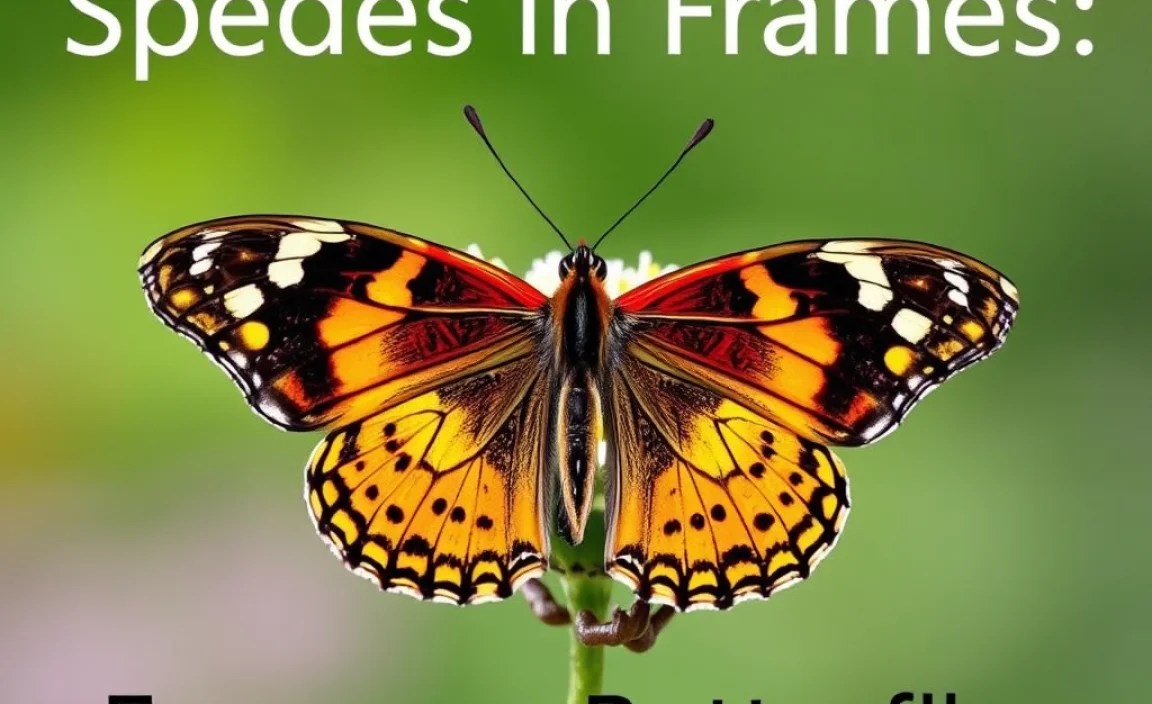
Butterflies have long held cultural significance in France, appearing in art, literature, and folklore. Understanding these cultural connections can add another layer of appreciation to these fascinating creatures.
Butterflies in French Art and Literature
Butterflies have been a recurring motif in French art and literature for centuries. They often symbolize transformation, beauty, and the ephemeral nature of life. Impressionist painters, such as Claude Monet and Pierre-Auguste Renoir, frequently depicted butterflies in their vibrant landscapes. In literature, butterflies have been used as metaphors for freedom, love, and the fleeting moments of joy.
Butterflies in French Folklore
In French folklore, butterflies are often associated with good luck and positive omens. Some believe that butterflies are the souls of departed loved ones, returning to visit the living. Others believe that catching a butterfly can bring good fortune. These beliefs reflect the deep connection between humans and nature in French culture.
Butterflies in French Language
Even the French language reflects the cultural significance of butterflies. The word “papillon” (butterfly) is often used metaphorically to describe someone who is flighty or carefree. This reflects the butterfly’s association with freedom and independence.
Conserving European Butterflies
Many European butterfly species are facing threats due to habitat loss, climate change, and pesticide use. It’s crucial to take action to protect these vulnerable creatures and ensure their survival for future generations.
Threats to Butterfly Populations
The following factors are contributing to the decline of butterfly populations in Europe:
- Habitat Loss: The destruction and fragmentation of natural habitats, such as meadows and woodlands, is a major threat to butterflies.
- Climate Change: Changes in temperature and rainfall patterns can disrupt butterfly life cycles and alter their distribution.
- Pesticide Use: Pesticides can directly harm or kill butterflies and their caterpillars.
- Agricultural Intensification: Modern agricultural practices, such as the use of fertilizers and monoculture cropping, can reduce butterfly habitat and food sources.
- Urbanization: The expansion of urban areas can lead to habitat loss and fragmentation.
Conservation Efforts
Many organizations are working to conserve European butterflies and their habitats. Here are some examples:
- Butterfly Conservation Europe: An organization dedicated to conserving butterflies and their habitats across Europe.
- National Butterfly Conservation Organizations: Many European countries have their own butterfly conservation organizations that work to protect butterflies at the national level.
- Protected Areas: Establishing and managing protected areas, such as national parks and nature reserves, can help conserve butterfly habitats.
- Habitat Restoration: Restoring degraded habitats, such as meadows and woodlands, can provide butterflies with food and shelter.
- Sustainable Agriculture: Promoting sustainable agricultural practices can reduce the negative impacts of agriculture on butterflies.
How You Can Help
There are many ways you can help conserve European butterflies:
- Create a Butterfly-Friendly Garden: Plant nectar-rich flowers and host plants in your garden to provide food and shelter for butterflies.
- Support Butterfly Conservation Organizations: Donate to or volunteer with butterfly conservation organizations.
- Reduce Pesticide Use: Avoid using pesticides in your garden and support farmers who use sustainable agricultural practices.
- Raise Awareness: Educate others about the importance of butterfly conservation.
- Participate in Citizen Science Projects: Contribute to butterfly monitoring programs by recording butterfly sightings.
FAQ: European Butterfly Species Names in French
Here are some frequently asked questions about European butterfly species names in French:
1. Why are there different French names for the same butterfly species?
Regional variations and local dialects often lead to multiple names for the same butterfly. The names provided in this guide are generally recognized, but other names may exist.
2. How can I improve my French pronunciation of butterfly names?
Use online pronunciation tools, language learning apps, or consult with a French speaker to practice the correct pronunciation of nasal sounds and the French “r.”
3. Are the French names of butterflies related to their appearance or behavior?
Yes, many French names are descriptive and reflect the butterfly’s appearance, such as “Belle Dame” (Beautiful Lady) for the Painted Lady or “Citron” (Lemon) for the Brimstone.
4. Where can I find more information about butterfly conservation in France?
Contact local butterfly conservation organizations, nature reserves, or environmental agencies for information on conservation efforts in France.
5. What is the best field guide for identifying butterflies in France?
Look for a comprehensive field guide specific to European butterflies with detailed descriptions, illustrations, and range maps. Local bookstores or nature centers can provide recommendations.
6. How can I attract more butterflies to my garden in France?
Plant nectar-rich flowers, provide a water source, avoid pesticides, and include host plants for caterpillars. Lavender, Buddleja, and Verbena are excellent choices.
7. Are there any butterflies unique to France?
While many butterfly species are found throughout Europe, some species or subspecies may have a more limited distribution that includes France. Consult a local field guide for specific information.
Conclusion
Learning the French names of European butterflies is more than just memorizing words; it’s about connecting with nature on a deeper level and appreciating the cultural significance of these delicate creatures. By using the resources and tips provided in this guide, you can confidently identify butterflies in France, create a butterfly-friendly garden, and contribute to their conservation. So, grab your binoculars, head out into the fields, and start exploring the beautiful world of “papillons!” Remember, every effort, no matter how small, helps protect these vital members of our ecosystem. Happy butterflying!


