
City Butterfly Conservation: Secret to More?

Quick Summary: City butterfly conservation involves creating and maintaining habitats in urban areas to support butterfly populations. This includes planting native nectar and host plants, reducing pesticide use, providing water sources, and educating the community about the importance of butterflies. By taking these steps, even small urban spaces can become havens for these vital pollinators.
Butterflies are more than just pretty insects flitting around our gardens. They’re vital pollinators, essential for healthy ecosystems. But with urban sprawl and habitat loss, butterflies are facing challenges in cities. It can feel overwhelming to know how to help these delicate creatures thrive amidst concrete and buildings. Don’t worry! You can make a real difference, even with a small balcony or community garden. This guide will walk you through simple, effective steps to bring butterfly conservation to your city, making it a brighter, more beautiful place for everyone.
Why City Butterfly Conservation Matters
Butterflies play a crucial role in our ecosystems. As pollinators, they help plants reproduce, which supports the entire food chain. Conserving butterflies in cities offers numerous benefits:
- Supports biodiversity: Creating butterfly-friendly habitats increases the variety of plant and animal life in urban areas.
- Enhances pollination: Butterflies pollinate flowers, vegetables, and fruits, contributing to food security and healthy gardens.
- Provides educational opportunities: Butterfly gardens offer valuable learning experiences for children and adults about nature and conservation.
- Improves mental well-being: The presence of butterflies and green spaces enhances the beauty of cities and provides a sense of tranquility.
Step-by-Step Guide to City Butterfly Conservation
Here’s how you can contribute to butterfly conservation in your city:
Step 1: Plant Native Nectar and Host Plants
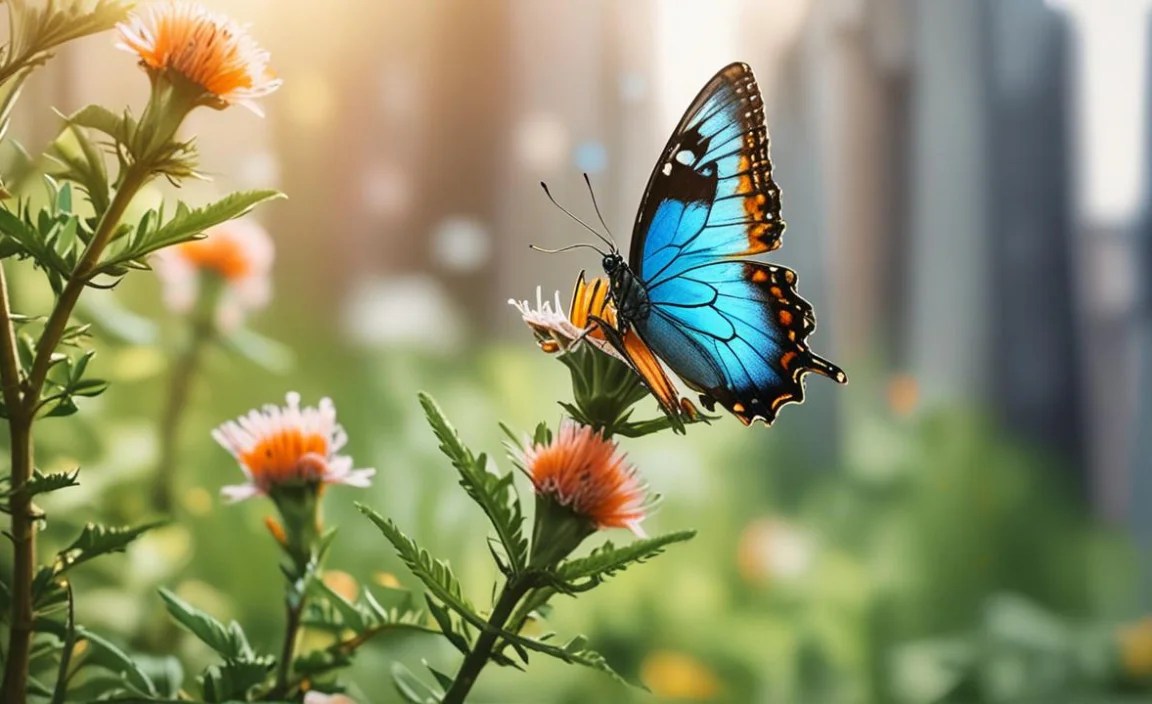
The most important step is to provide food for butterflies in both their caterpillar and adult stages. Choose native plants that are adapted to your local climate and soil conditions. Native plants are best because butterflies have evolved alongside them and rely on them for survival.
- Nectar plants: These provide food for adult butterflies. Good choices include:
- Purple Coneflower (Echinacea purpurea): A popular choice with daisy-like flowers.
- Butterfly Bush (Buddleja davidii): Attracts butterflies with its long, fragrant blooms. (Note: Check if it’s considered invasive in your region.)
- Bee Balm (Monarda spp.): Offers vibrant colors and attracts both butterflies and bees.
- Zinnia (Zinnia elegans): Easy to grow and provides a long-lasting source of nectar.
- Lantana (Lantana camara): Produces clusters of colorful flowers. (Note: Can be invasive in some areas.)
- Host plants: These provide food for caterpillars. Some popular options include:
- Milkweed (Asclepias spp.): Essential for Monarch butterfly caterpillars.
- Dill (Anethum graveolens): A host plant for Black Swallowtail caterpillars.
- Parsley (Petroselinum crispum): Another host plant for Black Swallowtail caterpillars.
- Violets (Viola spp.): Host plant for fritillary butterflies.
- Spicebush (Lindera benzoin): Host plant for Spicebush Swallowtail caterpillars.
Here’s a table summarizing some popular nectar and host plants:
| Plant Type | Plant Name | Butterfly Attracted |
|---|---|---|
| Nectar Plant | Purple Coneflower | Monarch, Swallowtails |
| Nectar Plant | Butterfly Bush | Various species |
| Host Plant | Milkweed | Monarch |
| Host Plant | Dill | Black Swallowtail |
Tip: Group plants together in sunny locations to create a more attractive habitat for butterflies.
Step 2: Avoid Pesticides
Pesticides are harmful to butterflies and other beneficial insects. Even organic pesticides can be toxic if not used carefully. Instead of using pesticides, try these alternatives:
- Handpicking pests: Remove caterpillars or other pests by hand.
- Using insecticidal soap: This is a less toxic option for controlling aphids and other soft-bodied insects.
- Encouraging beneficial insects: Ladybugs, lacewings, and other beneficial insects can help control pests naturally.
- Maintaining healthy plants: Healthy plants are less susceptible to pests and diseases.
Important: Always read and follow the instructions on any pesticide product, even if it’s organic. Be especially careful when spraying near butterfly host plants.
Step 3: Provide a Water Source
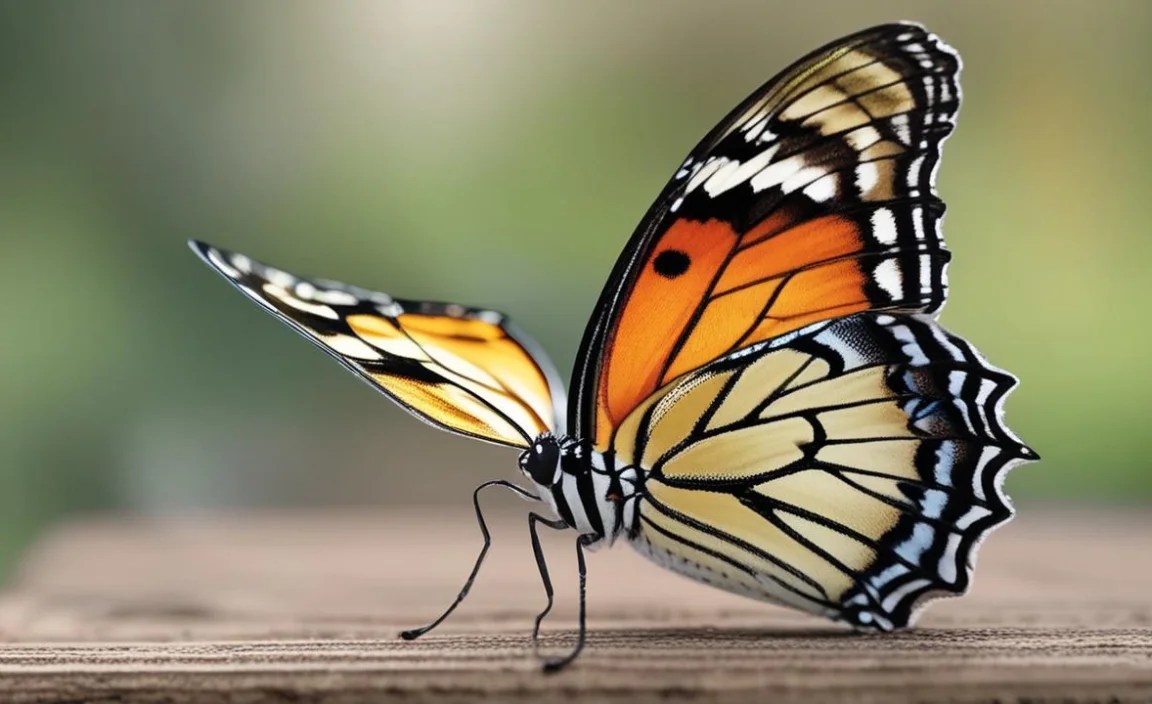
Butterflies need water to stay hydrated. You can provide a simple water source by:
- Creating a shallow dish of water: Place pebbles or marbles in the dish so that butterflies can land and drink without drowning.
- Using a butterfly puddler: This is a shallow dish filled with sand or gravel that is kept moist.
- Installing a drip system: A slow-dripping hose or sprinkler can provide a constant source of water.
Tip: Add a pinch of sea salt or Epsom salts to the water to provide butterflies with essential minerals.
Step 4: Offer Shelter and Sunning Spots

Butterflies need shelter from wind and rain, as well as sunny spots to warm their bodies. Provide these by:
- Planting shrubs and trees: These provide shelter and roosting sites for butterflies.
- Placing flat rocks in sunny areas: Butterflies will bask on these rocks to warm up.
- Creating a brush pile: This provides shelter for overwintering butterflies and other insects.
Did you know? Butterflies are cold-blooded and need to bask in the sun to raise their body temperature and become active.
Step 5: Create a Butterfly Garden in Containers
Even if you don’t have a large garden, you can still create a butterfly-friendly habitat in containers. Choose large containers with good drainage and fill them with a mix of potting soil and compost. Plant a variety of nectar and host plants in the containers.
- Choose the right plants: Select compact varieties of nectar and host plants that are well-suited for containers.
- Provide adequate sunlight: Place the containers in a sunny location that receives at least six hours of sunlight per day.
- Water regularly: Keep the soil moist but not waterlogged.
- Fertilize occasionally: Use a balanced fertilizer to promote healthy growth.
Step 6: Join or Start a Community Butterfly Garden

A community butterfly garden can be a great way to involve others in conservation efforts. Here’s how to get started:
- Find a suitable location: Look for a sunny, protected area that is accessible to the public.
- Gather volunteers: Recruit friends, neighbors, and members of local organizations to help with the project.
- Plan the garden: Choose native plants that are appropriate for your local climate and soil conditions.
- Seek funding: Apply for grants or donations from local organizations or businesses.
- Maintain the garden: Regularly weed, water, and fertilize the plants to keep the garden healthy.
Tip: Partner with local schools or community centers to use the garden as an educational resource.
Step 7: Educate Others About Butterfly Conservation
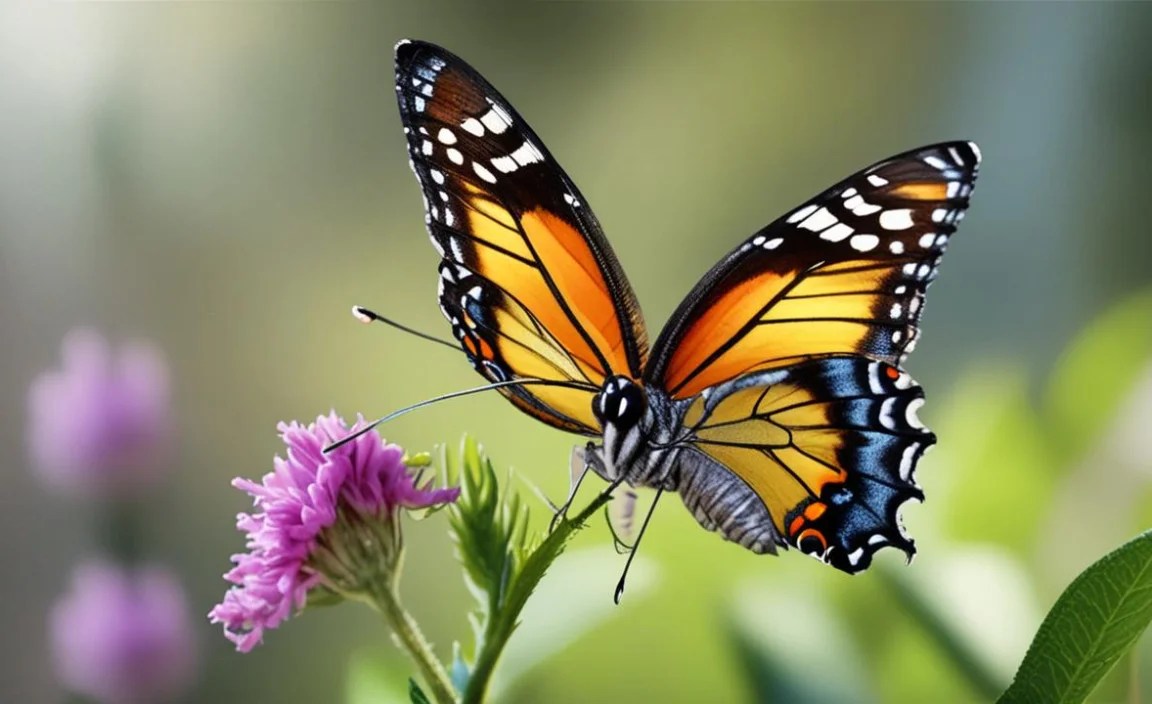
Raising awareness is crucial for protecting butterflies. Share your knowledge with others by:
- Hosting workshops or presentations: Teach others about butterfly biology, habitat needs, and conservation strategies.
- Creating educational displays: Set up displays at local libraries, schools, or community centers.
- Sharing information on social media: Use social media to share photos, videos, and tips about butterfly conservation.
- Writing articles or blog posts: Share your experiences and knowledge with a wider audience.
Fun Fact: Monarch butterflies migrate thousands of miles each year between their breeding grounds in North America and their overwintering sites in Mexico.
Step 8: Reduce Light Pollution
Artificial lights can disrupt butterfly behavior, especially their navigation and feeding. Reduce light pollution by:
- Using shielded lights: These direct light downwards, reducing glare and light trespass.
- Turning off lights when not needed: Use timers or motion sensors to turn off lights when they are not in use.
- Using warm-colored lights: These are less attractive to insects than cool-colored lights.
Step 9: Advocate for Butterfly-Friendly Policies

Support policies that protect butterfly habitats and promote sustainable land management practices. This can include:
- Contacting your elected officials: Urge them to support legislation that protects butterfly habitats and reduces pesticide use.
- Supporting local conservation organizations: These organizations work to protect butterfly habitats and educate the public about conservation.
- Participating in local planning processes: Advocate for butterfly-friendly landscaping and development practices.
Step 10: Monitor Butterfly Populations

Monitoring butterfly populations can help you track the success of your conservation efforts. You can do this by:
- Conducting butterfly surveys: Count the number of butterflies in your garden or local park on a regular basis.
- Participating in citizen science projects: Join a citizen science project that tracks butterfly populations in your area.
- Reporting your observations: Share your observations with local conservation organizations or online databases.
Here’s a table showing organizations that track butterfly populations:
| Organization | Project | Description |
|---|---|---|
| The Xerces Society | Butterfly Counts | Citizen science project to monitor butterfly populations. |
| Journey North | Monarch Migration Tracking | Tracks the migration of Monarch butterflies across North America. |
| eButterfly | Online Butterfly Database | A platform for sharing butterfly observations and photos. |
FAQ About City Butterfly Conservation
Q: Why are butterflies important in cities?

Butterflies are important pollinators, helping plants reproduce. They also add beauty to urban environments and provide educational opportunities.
Q: What are the best plants for attracting butterflies to my city garden?

Native nectar plants like coneflowers, bee balm, and zinnias are great for adult butterflies. Host plants like milkweed, dill, and parsley feed caterpillars.
Q: How can I avoid using pesticides in my butterfly garden?

Try handpicking pests, using insecticidal soap, and encouraging beneficial insects like ladybugs. Healthy plants are also less prone to pest problems.
Q: What is a butterfly puddler and why is it important?

A butterfly puddler is a shallow dish filled with wet sand or gravel. It provides butterflies with a source of water and essential minerals.
Q: How can I create a butterfly garden in a small urban space like a balcony?

Use containers to grow nectar and host plants. Ensure they get enough sunlight and water regularly. Choose compact plant varieties suitable for containers.
Q: Where can I learn more about butterfly conservation in my city?

Contact local nature centers, conservation organizations, or botanical gardens. They often offer workshops, resources, and volunteer opportunities.
Q: How can I tell if my butterfly conservation efforts are working?
Monitor butterfly populations in your garden or neighborhood. Look for an increase in the number and variety of butterflies over time.
Conclusion
City butterfly conservation is a rewarding way to connect with nature and contribute to a healthier environment. By planting native plants, avoiding pesticides, providing water sources, and educating others, you can transform urban spaces into thriving butterfly habitats. Every small effort makes a difference, creating a brighter, more beautiful, and ecologically richer city for all. So, let’s get planting and watch our cities bloom with butterflies!


