
Canopy Butterflies Endangered: Can We Save Them?

Canopy butterflies face threats like habitat loss from deforestation, climate change impacting their food sources, and pesticide use. Conservation efforts are crucial to protect these high-flying beauties and the rainforest ecosystems they inhabit. Supporting sustainable practices and advocating for protected areas can help ensure their survival.
Have you ever looked up into the rainforest canopy and wondered what secrets it holds? Among the many wonders are canopy butterflies, flitting through the leaves in a dazzling display of color. But these beautiful creatures are facing increasing dangers. Habitat loss, climate change, and pesticide use are all taking a toll. Protecting these butterflies means protecting the whole rainforest. It’s a big challenge, but with the right steps, we can make a real difference.
Ready to learn how to help these amazing insects? This guide will walk you through the threats they face, why they matter, and what you can do to help. Let’s explore the world of canopy butterflies together!
Are Canopy Butterflies Endangered? Understanding the Risks
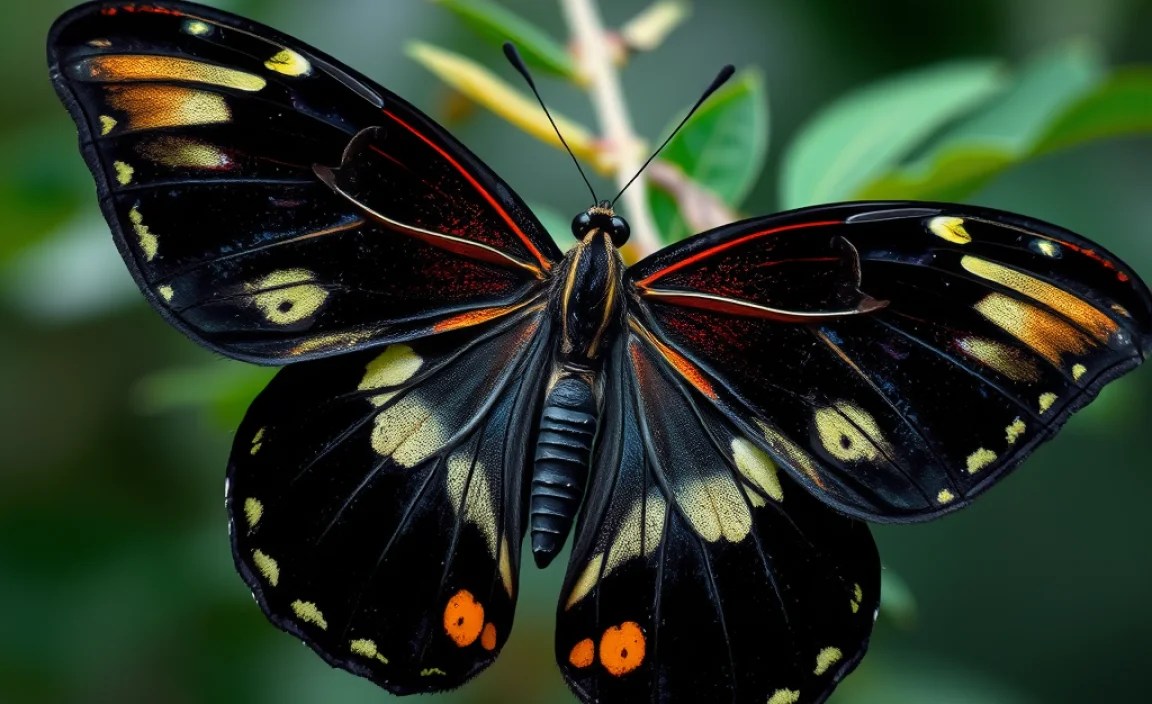
Canopy butterflies are a vital part of rainforest ecosystems. They pollinate plants, serve as food for other animals, and are indicators of environmental health. But several factors threaten their survival.
Habitat Loss: Deforestation and Fragmentation
One of the biggest threats to canopy butterflies is habitat loss. Deforestation, driven by agriculture, logging, and mining, destroys the forests these butterflies call home. When forests are cut down, butterflies lose their food sources and breeding grounds. Fragmentation—when large forests are broken into smaller patches—isolates butterfly populations, making them more vulnerable to extinction.
- Deforestation: Clearing forests for agriculture and logging.
- Fragmentation: Breaking up large forests into smaller, isolated patches.
- Impact: Loss of food sources, breeding grounds, and increased vulnerability to extinction.
Climate Change: Shifting Weather Patterns
Climate change is another major threat. Changes in temperature and rainfall patterns can disrupt butterfly life cycles. Many canopy butterflies are highly specialized, relying on specific host plants for food. If these plants are affected by climate change, the butterflies suffer.
For example, rising temperatures can cause plants to flower at different times, mismatching the butterflies’ breeding cycles. Extreme weather events, like droughts and floods, can also devastate butterfly populations.
Pesticide Use: A Toxic Threat
Pesticides used in agriculture and forestry can be deadly to butterflies. These chemicals can directly kill butterflies or contaminate their food sources. Even if they don’t die immediately, exposure to pesticides can weaken butterflies, making them more susceptible to disease and predation.
Neonicotinoids, a class of insecticides, are particularly harmful. They are systemic, meaning they are absorbed by plants and can be present in nectar and pollen, which butterflies feed on.
Other Threats: Collection and Invasive Species
While not as significant as habitat loss and climate change, other threats also affect canopy butterflies.
- Collection: Some butterflies are collected for scientific study or by hobbyists. While regulated collection may not be a major threat, illegal collecting can harm vulnerable populations.
- Invasive Species: Introduced species can compete with native butterflies for food or habitat. Some invasive species may also prey on butterfly larvae.
Why Canopy Butterflies Matter: Their Ecological Role

Canopy butterflies are more than just beautiful insects. They play a crucial role in maintaining the health and balance of rainforest ecosystems.
Pollination: Supporting Plant Reproduction
Like bees, butterflies are important pollinators. As they feed on nectar, they transfer pollen from one flower to another, helping plants reproduce. Many rainforest plants rely on butterflies for pollination, including some that are important food sources for other animals.
Without butterflies, these plants would struggle to reproduce, potentially leading to declines in plant populations and cascading effects throughout the ecosystem.
Food Source: Part of the Food Web
Butterflies are also an important food source for many animals, including birds, reptiles, and other insects. Butterfly larvae (caterpillars) are particularly nutritious and provide essential protein for growing birds and other predators.
A decline in butterfly populations can have a ripple effect, impacting the animals that depend on them for food.
Indicators of Environmental Health: A Barometer of Change
Butterflies are sensitive to environmental changes, making them useful indicators of ecosystem health. Changes in butterfly populations can signal problems like pollution, habitat degradation, or climate change.
By monitoring butterfly populations, scientists can get an early warning of environmental problems and take steps to address them before they become more severe.
Identifying Endangered Canopy Butterfly Species

Several canopy butterfly species are facing significant threats. Here are a few examples:
Ornithoptera Goliath (Goliath Birdwing)
The Goliath Birdwing is one of the largest butterflies in the world. It is found in the rainforests of New Guinea and is threatened by habitat loss and illegal collecting. These butterflies are prized for their size and beauty, making them a target for collectors.
- Habitat: Rainforests of New Guinea
- Threats: Habitat loss, illegal collecting
- Conservation Status: Vulnerable
Agrias Narcissus (Narcissus Agrias)
The Narcissus Agrias is a stunning butterfly found in the Amazon rainforest. It is known for its vibrant colors and intricate patterns. This species is threatened by deforestation and habitat fragmentation.
- Habitat: Amazon rainforest
- Threats: Deforestation, habitat fragmentation
- Conservation Status: Near Threatened
Morpho Helena (Helena Morpho)
The Helena Morpho is a large, iridescent blue butterfly found in South America. It is prized for its beauty and is often collected for display. Habitat loss and illegal collecting threaten this species.
- Habitat: South America
- Threats: Habitat loss, illegal collecting
- Conservation Status: Vulnerable
Battus Polydamas (Polydamas Swallowtail)
The Polydamas Swallowtail is a butterfly found in North and South America. While not exclusively a canopy butterfly, it relies on specific host plants that are often found in forest ecosystems. Habitat loss and pesticide use can impact its populations.
- Habitat: North and South America
- Threats: Habitat loss, pesticide use
- Conservation Status: Least Concern (but facing local threats)
What Can Be Done? Conservation Strategies

Protecting canopy butterflies requires a multi-faceted approach. Here are some key conservation strategies:
Habitat Preservation: Protecting Rainforests
The most important step is to protect and restore rainforest habitat. This can be achieved through:
- Establishing Protected Areas: Creating national parks, reserves, and other protected areas where logging, mining, and agriculture are restricted.
- Sustainable Forestry: Promoting logging practices that minimize damage to the forest ecosystem.
- Reforestation: Planting trees to restore degraded forests and create new habitat for butterflies.
Sustainable Agriculture: Reducing Pesticide Use
Reducing pesticide use in agriculture is crucial for protecting butterflies. This can be achieved through:
- Promoting Organic Farming: Supporting farming practices that avoid synthetic pesticides.
- Integrated Pest Management (IPM): Using a combination of methods to control pests, including biological controls, crop rotation, and targeted pesticide applications.
- Reducing Pesticide Runoff: Implementing practices to prevent pesticides from contaminating water sources and affecting butterfly habitats.
Climate Change Mitigation: Reducing Greenhouse Gas Emissions
Addressing climate change is essential for the long-term survival of canopy butterflies. This requires:
- Reducing Greenhouse Gas Emissions: Supporting policies and practices that reduce emissions from transportation, energy production, and other sources.
- Conserving Energy: Reducing energy consumption at home and in the workplace.
- Supporting Renewable Energy: Investing in renewable energy sources like solar, wind, and hydropower.
Community Involvement: Engaging Local Communities
Engaging local communities in conservation efforts is essential for success. This can be achieved through:
- Education Programs: Educating local communities about the importance of butterflies and the threats they face.
- Sustainable Livelihoods: Providing alternative livelihoods that do not rely on deforestation or unsustainable practices.
- Community-Based Conservation: Supporting community-led conservation initiatives that protect butterfly habitats.
Research and Monitoring: Tracking Butterfly Populations
Research and monitoring are essential for understanding butterfly populations and the threats they face. This includes:
- Population Surveys: Conducting regular surveys to track butterfly populations and identify areas where they are declining.
- Habitat Assessments: Assessing the quality of butterfly habitats and identifying areas that need restoration.
- Research on Butterfly Biology: Studying butterfly life cycles, behavior, and ecology to better understand their needs and how to protect them.
How You Can Help: Simple Actions for Butterfly Conservation

Even small actions can make a big difference for canopy butterflies. Here are some things you can do:
Support Sustainable Products: Make Informed Choices
Choose products that are sustainably sourced and produced. Look for certifications like the Forest Stewardship Council (FSC) for wood products and the Rainforest Alliance Certified seal for coffee, chocolate, and other products. By supporting sustainable businesses, you can help reduce deforestation and protect butterfly habitats.
Reduce Your Carbon Footprint: Live a Greener Life
Reduce your carbon footprint by conserving energy, using public transportation, and eating locally. These actions can help mitigate climate change and protect butterfly habitats.
Advocate for Conservation: Speak Up for Butterflies
Contact your elected officials and urge them to support policies that protect rainforests and reduce greenhouse gas emissions. You can also support conservation organizations that are working to protect butterflies and their habitats.
Educate Others: Share Your Knowledge
Share your knowledge about canopy butterflies and the threats they face with your friends, family, and community. By raising awareness, you can help inspire others to take action.
Support Butterfly Gardens: Create a Butterfly-Friendly Space
While canopy butterflies are specific to rainforests, you can still support butterflies in your local area by creating a butterfly-friendly garden. Plant native flowers that provide nectar for adult butterflies and host plants for caterpillars. Avoid using pesticides, which can harm butterflies and other beneficial insects.
The Future of Canopy Butterflies: Hope and Challenges
The future of canopy butterflies is uncertain. They face significant threats from habitat loss, climate change, and pesticide use. However, there is also reason for hope. With concerted conservation efforts, we can protect these beautiful creatures and the rainforest ecosystems they inhabit.
The challenges are significant, but not insurmountable. By working together, we can create a future where canopy butterflies thrive.
FAQ: Common Questions About Endangered Canopy Butterflies
Are all canopy butterflies endangered?
Not all canopy butterflies are endangered, but many species face significant threats due to habitat loss, climate change, and pesticide use. Some species are listed as vulnerable or near threatened, while others are not currently considered at risk but could become so if threats continue.
What is the biggest threat to canopy butterflies?
The biggest threat to canopy butterflies is habitat loss due to deforestation. When rainforests are cleared for agriculture, logging, and mining, butterflies lose their food sources and breeding grounds.
How does climate change affect canopy butterflies?
Climate change can disrupt butterfly life cycles by altering temperature and rainfall patterns. This can affect the availability of host plants and mismatch butterfly breeding cycles with flowering times.
What can I do to help protect canopy butterflies?
You can help protect canopy butterflies by supporting sustainable products, reducing your carbon footprint, advocating for conservation policies, educating others, and supporting conservation organizations.
Why are canopy butterflies important?
Canopy butterflies are important because they pollinate plants, serve as food for other animals, and are indicators of environmental health. They play a crucial role in maintaining the balance of rainforest ecosystems.
What is sustainable agriculture, and how does it help butterflies?
Sustainable agriculture involves farming practices that minimize environmental impact, such as avoiding synthetic pesticides and promoting biodiversity. This helps butterflies by protecting them from harmful chemicals and preserving their habitats.
How do protected areas help canopy butterflies?
Protected areas, such as national parks and reserves, restrict logging, mining, and agriculture, preserving butterfly habitats. These areas provide safe havens where butterflies can thrive.
Conclusion: A Call to Action for Butterfly Conservation
Canopy butterflies are a vital part of our planet’s biodiversity. Their beauty and ecological importance make them worth protecting. By understanding the threats they face and taking action to address them, we can help ensure their survival for generations to come.
Whether it’s supporting sustainable products, reducing your carbon footprint, or advocating for conservation policies, every action counts. Let’s work together to create a future where canopy butterflies thrive in healthy, vibrant rainforests. The time to act is now. Let’s make a difference for these beautiful creatures and the world we share.


