Butterfly-Friendly Pesticides: The Ultimate Guide

Quick Summary: To protect butterflies, choose pesticides carefully! Opt for selective, short-lived options like insecticidal soaps or horticultural oils. Apply them directly to problem areas, avoid spraying flowers, and always check the label for butterfly-friendly ingredients. Consider organic gardening practices to reduce the need for pesticides altogether. Your garden can be beautiful and safe for butterflies!
Butterflies bring so much joy to our gardens! Their vibrant colors and fluttering wings are a delight to watch. But sometimes, pests can threaten our plants, and we reach for pesticides. The thought of harming these delicate creatures can be upsetting. Don’t worry! There are ways to manage pests without harming butterflies. This guide will show you how to choose and use butterfly-friendly pesticides, so you can keep your garden healthy and your butterflies safe. We’ll explore the best options, application tips, and even some natural alternatives. Let’s create a butterfly haven together!
Understanding the Risks of Pesticides to Butterflies

Pesticides, designed to control unwanted insects, can unfortunately also harm beneficial insects like butterflies. Understanding how different types of pesticides affect butterflies is crucial for making informed choices.
How Pesticides Affect Butterflies
Butterflies can be exposed to pesticides in several ways:
- Direct Contact: Spraying pesticides directly onto butterflies can be fatal.
- Residue on Plants: Butterflies may ingest pesticides when feeding on nectar from treated flowers or when caterpillars eat treated leaves.
- Drift: Pesticides can drift from the intended target area and contaminate nearby habitats, affecting butterflies and their food sources.
Types of Pesticides and Their Impact
Different types of pesticides have varying levels of toxicity to butterflies:
- Broad-spectrum Insecticides: These kill a wide range of insects, including beneficial ones like butterflies. Examples include organophosphates and carbamates.
- Systemic Insecticides: These are absorbed by plants, making the entire plant toxic to insects. Neonicotinoids are a common type and are particularly harmful to pollinators.
- Selective Insecticides: These target specific pests and are less harmful to other insects. Examples include Bacillus thuringiensis (Bt) and insecticidal soaps.
- Herbicides: While designed to kill plants, some herbicides can indirectly harm butterflies by eliminating their host plants (the plants caterpillars need to feed on).
Choosing Butterfly-Friendly Pesticides

Selecting the right pesticide is key to protecting butterflies while managing pests. Here are some factors to consider:
Key Considerations
- Selectivity: Choose pesticides that target specific pests rather than broad-spectrum options.
- Short Residual Activity: Opt for pesticides that break down quickly in the environment, reducing the duration of exposure for butterflies.
- Formulation: Granular formulations are generally safer for butterflies than sprays, as they are less likely to drift.
- Timing: Avoid spraying when butterflies are most active, typically during the day. Spray in the early morning or late evening.
Recommended Butterfly-Friendly Pesticides
Here are some pesticides that are generally considered safer for butterflies when used correctly:
- Insecticidal Soaps: These disrupt the cell membranes of soft-bodied insects like aphids and spider mites but are less harmful to butterflies.
- Horticultural Oils: These smother insects and their eggs but can also affect butterfly eggs and caterpillars if applied directly.
- Bacillus thuringiensis (Bt): This bacterium produces a toxin that specifically targets caterpillars. Use specific strains like Bt kurstaki with caution and only when necessary, as it will kill butterfly larvae as well as pest caterpillars.
- Pyrethrins: Derived from chrysanthemum flowers, pyrethrins are fast-acting but break down quickly. They can still be harmful to butterflies if applied directly.
- Neem Oil: This natural oil disrupts insect growth and feeding but can also affect butterfly larvae. Use with caution.
| Pesticide Type | Target Pests | Impact on Butterflies | Notes |
|---|---|---|---|
| Insecticidal Soaps | Aphids, spider mites, whiteflies | Low, if applied carefully | Effective on soft-bodied insects; avoid direct contact with butterflies. |
| Horticultural Oils | Scale insects, aphids, spider mites | Low, if applied carefully | Smothers insects; avoid spraying on butterfly eggs or caterpillars. |
| Bacillus thuringiensis (Bt) | Caterpillars (various species) | Potentially harmful to all caterpillars | Use specific strains (e.g., Bt kurstaki) judiciously; avoid spraying on butterfly host plants if possible. |
| Pyrethrins | Broad range of insects | Harmful if directly sprayed | Fast-acting but breaks down quickly; use sparingly and avoid spraying butterflies. |
| Neem Oil | Aphids, whiteflies, Japanese beetles | Potentially harmful to larvae | Disrupts insect growth; avoid spraying on butterfly larvae. |
How to Apply Pesticides Safely for Butterflies

Even butterfly-friendly pesticides can be harmful if not applied correctly. Follow these guidelines to minimize the risk to butterflies:
Best Practices for Application
- Read the Label: Always read and follow the manufacturer’s instructions on the pesticide label.
- Target Application: Apply pesticides only to the affected plants or areas, avoiding widespread spraying.
- Avoid Spraying Flowers: Butterflies are attracted to flowers for nectar, so avoid spraying these areas.
- Spray in the Early Morning or Late Evening: Butterflies are less active during these times, reducing the chance of direct contact.
- Avoid Windy Days: Wind can cause pesticides to drift and contaminate unintended areas.
- Protect Water Sources: Prevent pesticides from entering water sources like ponds or bird baths.
Step-by-Step Guide to Safe Pesticide Application
- Identify the Pest: Determine the specific pest you are dealing with to choose the most effective and selective pesticide.
- Choose the Right Product: Select a butterfly-friendly pesticide that is appropriate for the pest and your plants.
- Prepare the Solution: Mix the pesticide according to the label instructions, using the correct concentration.
- Apply Carefully: Use a sprayer with a nozzle that allows for targeted application. Avoid spraying the entire plant.
- Monitor the Results: Check the treated plants regularly to see if the pesticide is working. Reapply as needed, following the label instructions.
- Clean Up: Properly dispose of any leftover pesticide solution and clean your sprayer thoroughly.
Natural and Organic Alternatives to Pesticides

Reducing your reliance on pesticides is the best way to protect butterflies. Consider these natural and organic alternatives:
Promoting a Healthy Garden Ecosystem
- Encourage Beneficial Insects: Attract natural predators like ladybugs, lacewings, and parasitic wasps to control pests.
- Plant Native Species: Native plants are better adapted to the local environment and less susceptible to pests.
- Practice Crop Rotation: Rotating crops can help prevent pest infestations and soil depletion.
- Use Companion Planting: Plant beneficial plants together to deter pests and attract pollinators.
DIY Pest Control Solutions
- Handpicking: Remove pests manually from plants.
- Water Spray: Use a strong stream of water to dislodge aphids and other soft-bodied insects.
- Diatomaceous Earth: This natural powder can kill insects by dehydrating them.
- Homemade Insecticidal Soap: Mix a tablespoon of dish soap with a quart of water and spray on affected plants.
| Natural/Organic Method | Target Pests | Benefits | Considerations |
|---|---|---|---|
| Beneficial Insects (Ladybugs, Lacewings) | Aphids, spider mites, other soft-bodied insects | Natural pest control; reduces reliance on pesticides | May require attracting or purchasing beneficial insects |
| Handpicking | Various pests (e.g., caterpillars, beetles) | Simple, effective for small infestations | Time-consuming; requires regular monitoring |
| Water Spray | Aphids, spider mites | Easy, non-toxic | May need to be repeated frequently |
| Diatomaceous Earth | Slugs, snails, ants, other crawling insects | Natural, effective barrier | Can be harmful to beneficial insects if inhaled; use food-grade DE |
| Homemade Insecticidal Soap | Aphids, whiteflies, spider mites | Easy to make, non-toxic | Can be phytotoxic to some plants; test on a small area first |
Creating a Butterfly-Friendly Garden
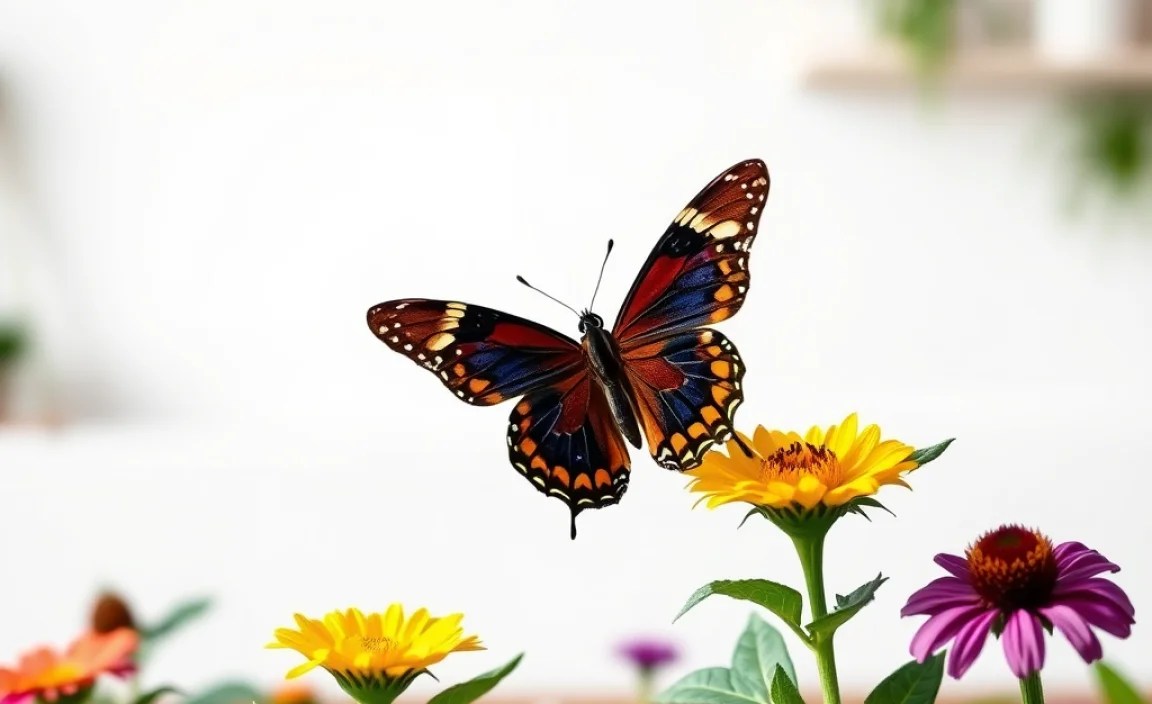
The best way to protect butterflies is to create a garden that supports their entire life cycle. Here’s how:
Providing Host Plants and Nectar Sources
- Plant Host Plants: These are the plants that butterfly caterpillars feed on. Examples include milkweed for monarch butterflies, dill for swallowtail butterflies, and violets for fritillary butterflies.
- Plant Nectar Sources: These provide food for adult butterflies. Choose a variety of flowering plants that bloom throughout the growing season.
- Provide Shelter: Plant shrubs and trees to provide shelter from wind and predators.
- Offer Water: Provide a shallow dish of water with pebbles or stones for butterflies to land on.
Avoiding Pesticides in Butterfly Gardens
- Create a Pesticide-Free Zone: Designate a specific area of your garden as a pesticide-free zone for butterflies.
- Monitor Plants Regularly: Check your plants regularly for signs of pests and address problems early.
- Use Physical Barriers: Cover plants with netting or row covers to protect them from pests.
- Attract Natural Predators: Encourage beneficial insects to visit your garden by planting flowers that provide nectar and pollen.
Frequently Asked Questions (FAQ)
What are the most dangerous pesticides for butterflies?
Broad-spectrum insecticides and systemic insecticides, especially neonicotinoids, are the most dangerous for butterflies. They kill a wide range of insects, including beneficial ones, and can persist in the environment for a long time.
How can I tell if a pesticide is butterfly-friendly?
Check the label carefully! Look for pesticides that are specifically labeled as “selective” and have a short residual activity. Avoid products that contain neonicotinoids, organophosphates, or carbamates.
Can I use insecticidal soap on plants that butterflies visit?
Yes, insecticidal soap can be used on plants that butterflies visit, but apply it carefully. Avoid spraying the flowers directly, and apply the soap in the early morning or late evening when butterflies are less active.
What are some natural ways to control pests in my garden without harming butterflies?
Encourage beneficial insects like ladybugs and lacewings, handpick pests, use a strong stream of water to dislodge aphids, and apply diatomaceous earth around plants.
How do I attract more butterflies to my garden?
Plant host plants for caterpillars and nectar sources for adult butterflies. Provide a shallow dish of water with pebbles, and avoid using pesticides in your garden.
Is it safe to use Bt (Bacillus thuringiensis) in my garden if I want to attract butterflies?
Use Bt cautiously. While it targets caterpillars, it doesn’t discriminate between pest caterpillars and butterfly larvae. If you must use it, apply specific strains like Bt kurstaki only when necessary and avoid spraying it on butterfly host plants.
What should I do if I accidentally sprayed a butterfly with pesticide?
Gently rinse the butterfly with clean water to remove the pesticide. Provide it with a sugar-water solution (one part sugar to four parts water) to help it recover. Keep it in a safe, sheltered place until it regains its strength.
Conclusion
Protecting butterflies while managing pests in your garden is achievable with careful planning and responsible choices. By understanding the risks associated with different pesticides, selecting butterfly-friendly alternatives, and implementing natural pest control methods, you can create a thriving garden that supports both plants and pollinators. Remember to prioritize creating a healthy ecosystem by planting native species, encouraging beneficial insects, and providing essential resources like host plants, nectar sources, and water. Every small action contributes to a healthier environment for these enchanting creatures. Together, we can ensure that butterflies continue to grace our gardens with their beauty and wonder for generations to come. Happy gardening!