Agroforestry and Butterflies: A Powerful Partnership

Agroforestry helps butterflies by creating diverse habitats with food and shelter. By integrating trees and shrubs into farms, agroforestry provides nectar sources, larval host plants, and protective spaces that support butterfly populations. This sustainable approach enhances biodiversity and benefits both butterflies and agricultural systems.
Have you ever wondered how farms can be havens for butterflies? It might seem unusual, but it’s entirely possible! Many farms are vast, open fields, which don’t always provide what butterflies need to thrive. But what if we could change that? What if we could create farms that are not only productive but also beautiful, butterfly-filled ecosystems?
Agroforestry offers a brilliant solution. By strategically planting trees and shrubs alongside crops, we can transform farmlands into vibrant habitats for butterflies. This approach provides food, shelter, and breeding grounds, turning farms into butterfly paradises. Let’s explore how you can make your farm or garden a butterfly-friendly oasis through agroforestry!
What is Agroforestry?
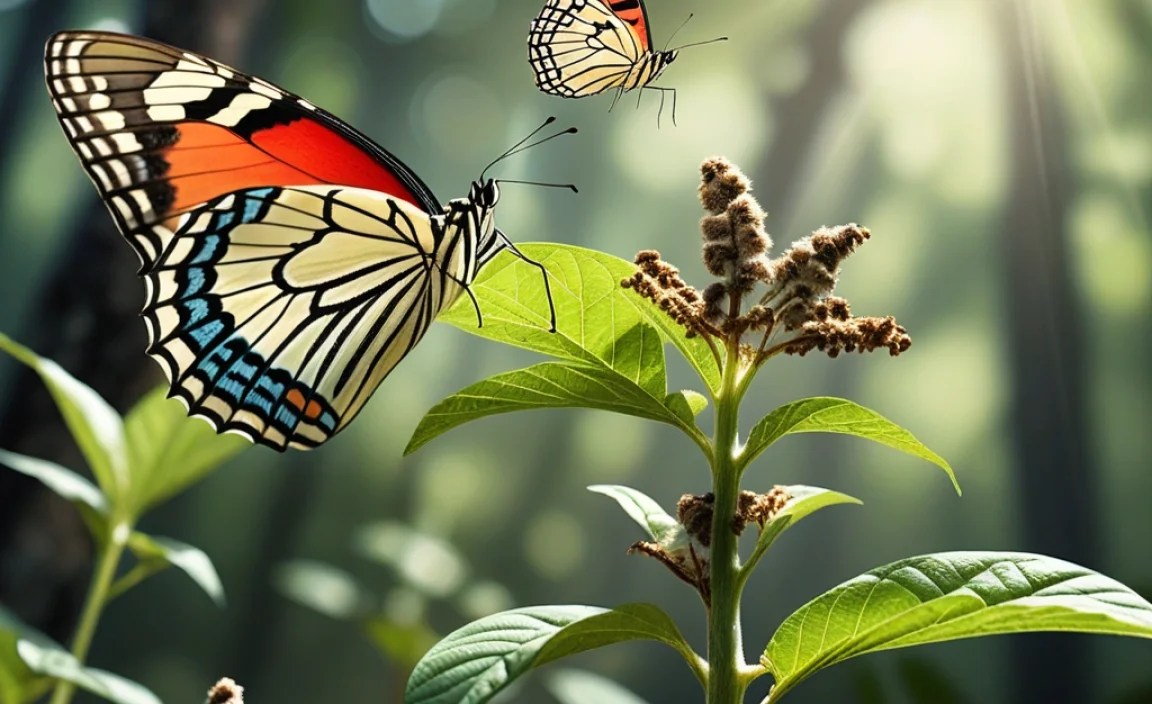
Agroforestry is a land management system that integrates trees and shrubs with crops or livestock. It’s a sustainable practice that enhances ecological diversity and economic productivity. Think of it as a way to combine the best of agriculture and forestry, creating a harmonious and beneficial environment for all.
Benefits of Agroforestry
Agroforestry offers numerous benefits, including:
- Improved soil health through nitrogen fixation and reduced erosion.
- Increased biodiversity by providing habitats for various species.
- Enhanced water quality through better filtration and reduced runoff.
- Carbon sequestration, helping to mitigate climate change.
- Diversified income sources for farmers through timber, fruits, and nuts.
Types of Agroforestry Systems
There are several types of agroforestry systems, each designed to suit specific environments and agricultural needs:
- Alley Cropping: Planting crops in alleys between rows of trees or shrubs.
- Silvopasture: Integrating trees and pastureland for livestock grazing.
- Forest Farming: Growing crops under the canopy of a forest.
- Windbreaks: Planting rows of trees to protect crops and reduce soil erosion.
- Riparian Buffers: Planting trees along waterways to filter pollutants and stabilize banks.
Why Butterflies Need Agroforestry
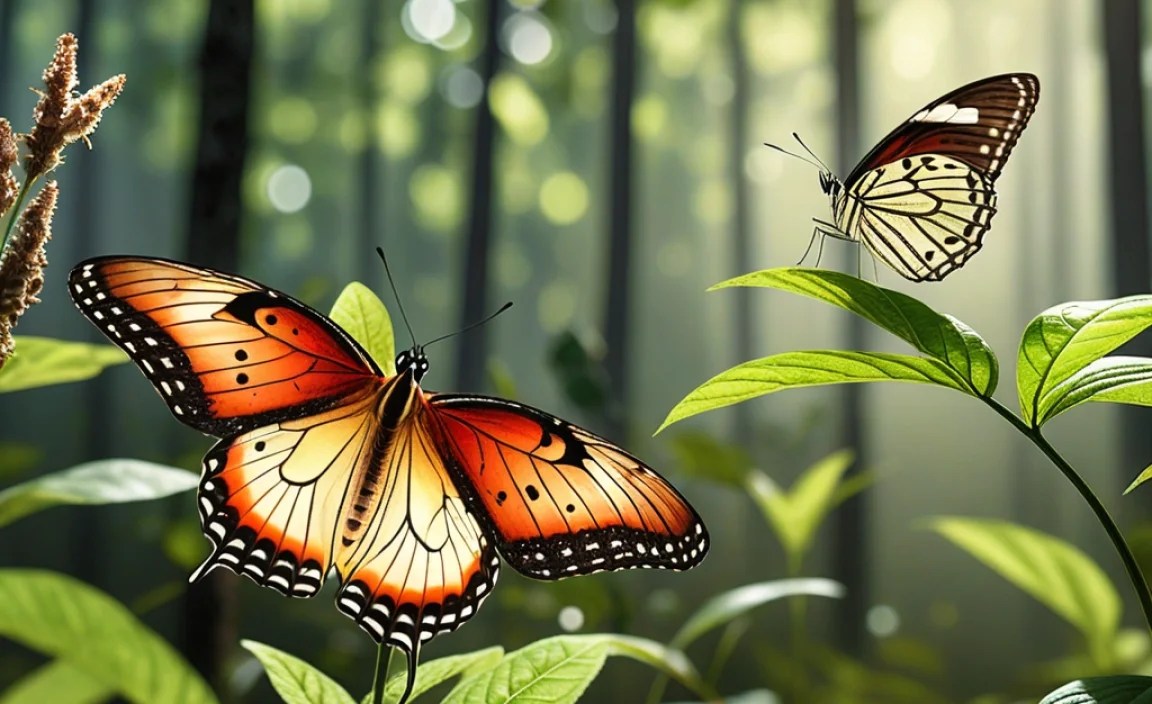
Butterflies are vital pollinators and indicators of environmental health. Their presence signifies a healthy ecosystem, while their decline can signal environmental problems. Agroforestry plays a crucial role in supporting butterfly populations by providing essential resources and habitats.
Habitat Loss and Butterflies
One of the biggest threats to butterflies is habitat loss. As natural areas are converted into farmland and urban developments, butterflies lose their feeding and breeding grounds. Agroforestry helps counteract this by creating new habitats within agricultural landscapes.
The Importance of Host Plants
Butterflies have specific host plants for their larvae (caterpillars). These plants provide the necessary nutrients for caterpillars to grow and develop into butterflies. Without these host plants, butterflies cannot complete their life cycle. Agroforestry can incorporate these crucial host plants into the landscape, ensuring butterflies have the resources they need.
Nectar Sources for Adult Butterflies
Adult butterflies feed on nectar, which provides them with the energy to fly, reproduce, and pollinate plants. A diverse range of flowering trees and shrubs in agroforestry systems can provide a continuous supply of nectar throughout the butterfly season.
How to Implement Agroforestry for Butterflies
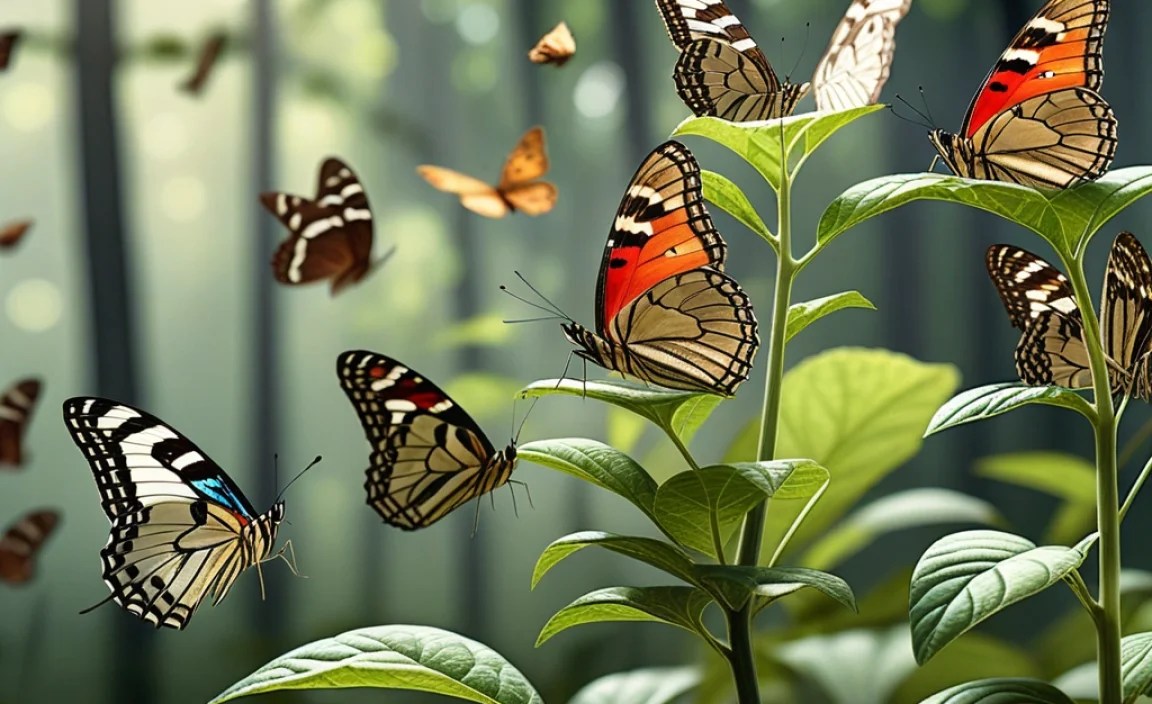
Implementing agroforestry for butterflies involves careful planning and selection of appropriate trees, shrubs, and crops. Here’s a step-by-step guide to get you started:
1. Assess Your Land and Climate
Before you begin, assess your land’s soil type, climate, and existing vegetation. This will help you choose the right species for your agroforestry system.
- Soil Type: Determine the soil’s pH, texture, and nutrient content.
- Climate: Consider the average rainfall, temperature range, and frost dates.
- Existing Vegetation: Identify any native plants that are already present and beneficial to butterflies.
2. Select Butterfly-Friendly Trees and Shrubs
Choose trees and shrubs that provide both nectar for adult butterflies and host plants for caterpillars. Native species are generally the best choice as they are adapted to the local environment and support local butterfly populations.
Here are some examples of butterfly-friendly trees and shrubs:
| Plant | Butterfly Attracted | Notes |
|---|---|---|
| Willow (Salix spp.) | Viceroy, Mourning Cloak | Host plant for many butterfly species. |
| Spicebush (Lindera benzoin) | Spicebush Swallowtail | Host plant for Spicebush Swallowtail. |
| Serviceberry (Amelanchier spp.) | Red-spotted Purple, Viceroy | Provides early spring nectar. |
| New Jersey Tea (Ceanothus americanus) | Spring Azure | Host plant and nectar source. |
| Buttonbush (Cephalanthus occidentalis) | Various Swallowtails | Attracts butterflies with its unique flowers. |
3. Choose Appropriate Crops
Select crops that complement the trees and shrubs and provide additional benefits to butterflies. Consider planting pollinator-friendly cover crops or intercropping with flowering plants.
- Pollinator-Friendly Cover Crops: Clover, buckwheat, and alfalfa attract butterflies and improve soil health.
- Intercropping with Flowering Plants: Plant rows of zinnias, cosmos, or sunflowers alongside your crops to provide nectar for butterflies.
4. Design Your Agroforestry System
Design your agroforestry system to maximize benefits for both your crops and butterflies. Consider the spacing, arrangement, and management of trees, shrubs, and crops.
- Alley Cropping: Plant rows of trees or shrubs with wide alleys for crops.
- Silvopasture: Integrate trees into pastureland, ensuring they are protected from livestock damage.
- Windbreaks: Plant rows of trees along the edges of fields to reduce wind erosion and provide shelter for butterflies.
5. Implement and Manage Your System
Once your system is designed, it’s time to implement it. Plant your trees, shrubs, and crops according to your plan. Regularly monitor and manage your system to ensure its success.
- Planting: Follow proper planting techniques to ensure the survival and growth of your trees and shrubs.
- Watering: Provide adequate water, especially during dry periods.
- Pruning: Prune trees and shrubs to maintain their shape and promote flowering.
- Pest and Disease Management: Use integrated pest management (IPM) techniques to control pests and diseases without harming butterflies.
Specific Agroforestry Techniques for Butterflies

Here are some specific agroforestry techniques you can use to enhance butterfly habitats:
Creating Butterfly Gardens within Agroforestry Systems
Integrate butterfly gardens into your agroforestry system. These gardens can be small, dedicated areas planted with a variety of nectar-rich flowers and host plants.
- Choose a Sunny Location: Butterflies prefer sunny locations for feeding and basking.
- Plant a Variety of Flowers: Select flowers with different colors, shapes, and blooming times to attract a wide range of butterflies.
- Include Host Plants: Plant host plants such as milkweed, dill, and parsley to support butterfly larvae.
- Provide Water: Offer a shallow dish of water with pebbles for butterflies to drink from.
Using Native Plants
Native plants are crucial for supporting local butterfly populations. They are adapted to the local climate and soil conditions and provide the specific resources that butterflies need.
- Research Native Plants: Identify native plants that are beneficial to butterflies in your area.
- Source Native Plants: Purchase native plants from reputable nurseries that specialize in native species.
- Plant Native Plants Strategically: Plant native plants in areas where they will thrive and provide the most benefit to butterflies.
Providing Shelter and Basking Spots
Butterflies need shelter from wind and rain, as well as sunny spots for basking. Agroforestry systems can provide these essential elements.
- Plant Windbreaks: Rows of trees or shrubs can provide shelter from strong winds.
- Create Brush Piles: Piles of branches and twigs can provide shelter for butterflies and other insects.
- Place Rocks and Stones: Flat rocks and stones in sunny locations provide basking spots for butterflies.
Examples of Successful Agroforestry Projects for Butterflies
Many successful agroforestry projects have demonstrated the benefits of integrating trees and shrubs into agricultural landscapes for butterfly conservation.
Case Study 1: Coffee Agroforestry in Colombia
In Colombia, coffee agroforestry systems have been shown to support a high diversity of butterfly species. By planting shade trees such as Inga spp., coffee farmers create a complex habitat that provides food and shelter for butterflies.
Case Study 2: Silvopasture in Spain
Silvopasture systems in Spain, where livestock graze among trees, have been found to benefit butterfly populations. The trees provide shade and shelter, while the pastureland offers nectar-rich flowers.
Case Study 3: Alley Cropping in the United States
Alley cropping systems in the United States, where crops are grown between rows of trees, have been used to create butterfly habitats. Farmers plant native trees and shrubs that provide food and shelter for butterflies, while also improving soil health and reducing erosion.
Challenges and Solutions
Implementing agroforestry for butterflies can present some challenges. However, with careful planning and management, these challenges can be overcome.
Potential Challenges
- Initial Investment: Establishing an agroforestry system can require an initial investment in trees, shrubs, and other materials.
- Management Requirements: Agroforestry systems require ongoing management, including pruning, watering, and pest control.
- Competition for Resources: Trees and crops may compete for water, nutrients, and sunlight.
Solutions
- Financial Incentives: Seek out government programs or grants that provide financial assistance for agroforestry projects.
- Proper Planning: Carefully plan your agroforestry system to minimize competition for resources and maximize benefits for both crops and butterflies.
- Integrated Management: Use integrated pest management (IPM) techniques and other sustainable practices to minimize environmental impacts.
The Future of Agroforestry and Butterfly Conservation
Agroforestry holds great promise for the future of butterfly conservation. As more farmers and landowners adopt agroforestry practices, we can create a network of butterfly-friendly habitats across agricultural landscapes.
Research and Innovation
Ongoing research and innovation are essential for improving agroforestry practices and maximizing their benefits for butterflies. This includes research on the best tree and shrub species, optimal system designs, and effective management techniques.
Policy and Support
Government policies and support programs can play a crucial role in promoting agroforestry for butterfly conservation. This includes providing financial incentives, technical assistance, and educational resources for farmers and landowners.
Community Engagement
Community engagement is also essential for the success of agroforestry projects. By involving local communities in planning, implementation, and monitoring, we can ensure that agroforestry systems meet the needs of both people and butterflies.
FAQ: Agroforestry and Butterflies
1. What exactly is agroforestry?
Agroforestry is a farming system that combines trees or shrubs with crops or livestock. It’s like creating a mini-ecosystem on your farm or in your garden.
2. How does agroforestry help butterflies?
Agroforestry provides butterflies with food (nectar from flowers), shelter (from trees and shrubs), and places to lay their eggs (host plants). It turns farms into butterfly-friendly habitats.
3. What are some good trees and shrubs to plant for butterflies?
Great choices include willow, spicebush, serviceberry, New Jersey tea, and buttonbush. These plants offer nectar and serve as host plants for caterpillars.
4. Can I create a butterfly garden within an agroforestry system?
Absolutely! A butterfly garden can be a small, dedicated area with lots of nectar-rich flowers and host plants. Make sure it gets plenty of sunlight and has a water source.
5. Are native plants better for butterflies than non-native plants?
Yes, native plants are usually the best choice. They’re adapted to the local environment and provide the specific resources that local butterfly species need.
6. What if I don’t have a lot of space?
Even small agroforestry systems can help. You can plant a few butterfly-friendly trees and shrubs in your garden or along the edges of your property.
7. How can I protect my agroforestry system from pests and diseases?
Use integrated pest management (IPM) techniques. This means using natural methods to control pests and diseases without harming butterflies or other beneficial insects. You can find information on IPM from your local extension office or agricultural experts.
Conclusion
Agroforestry offers a powerful and sustainable way to support butterfly populations while enhancing agricultural productivity. By integrating trees and shrubs into our farms and gardens, we can create vibrant habitats that provide butterflies with the food, shelter, and breeding grounds they need to thrive.
As a lifelong butterfly enthusiast, I encourage you to explore the possibilities of agroforestry and discover the joy of creating a butterfly-friendly landscape. Every small effort counts, and together, we can make a big difference for these beautiful and essential creatures. So, let’s get planting and watch our farms and gardens transform into butterfly paradises!