
Easy Butterfly Friendly Yards: Amaze Your Neighbors

Creating butterfly-friendly yards involves planting nectar-rich flowers for adult butterflies and host plants for caterpillars. Eliminate pesticide use, provide a water source, and offer shelter to create a welcoming habitat. With these simple steps, you can transform your yard into a vibrant haven for these beautiful creatures.
Do you dream of a garden fluttering with colorful wings? Many gardeners find it challenging to attract butterflies, but it’s simpler than you think! Butterflies need two main things: food and shelter. By providing these, you can transform your backyard into a butterfly paradise. It’s not just beautiful, but it’s also beneficial for the environment.
This guide will walk you through creating a butterfly-friendly yard, step-by-step. You’ll learn which plants to choose, how to provide water and shelter, and how to keep your yard safe for these delicate creatures. Get ready to welcome a kaleidoscope of butterflies to your garden!
Frequently Asked Questions About Butterfly Gardens
What is a butterfly garden?
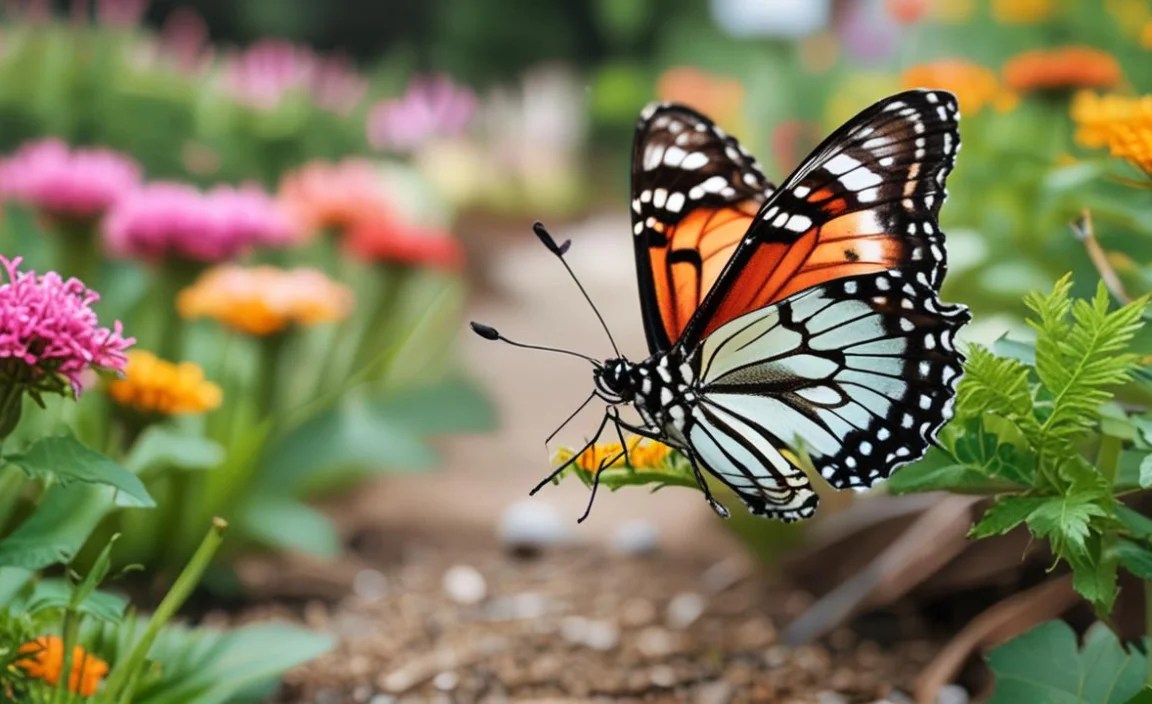
A butterfly garden is a garden specifically designed to attract butterflies. It includes plants that provide nectar for adult butterflies and host plants for their caterpillars.
Why are butterfly gardens important?
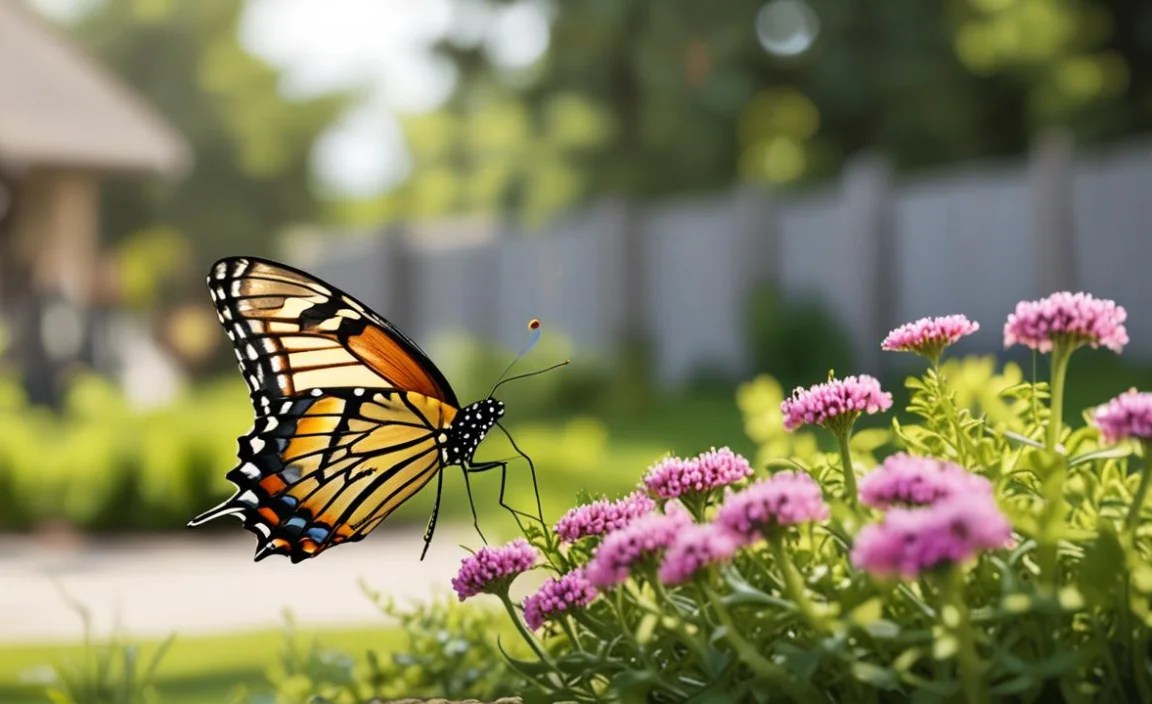
Butterfly gardens provide essential food and habitat for butterflies, which are important pollinators. They also help to support local ecosystems and biodiversity.
What plants attract butterflies?
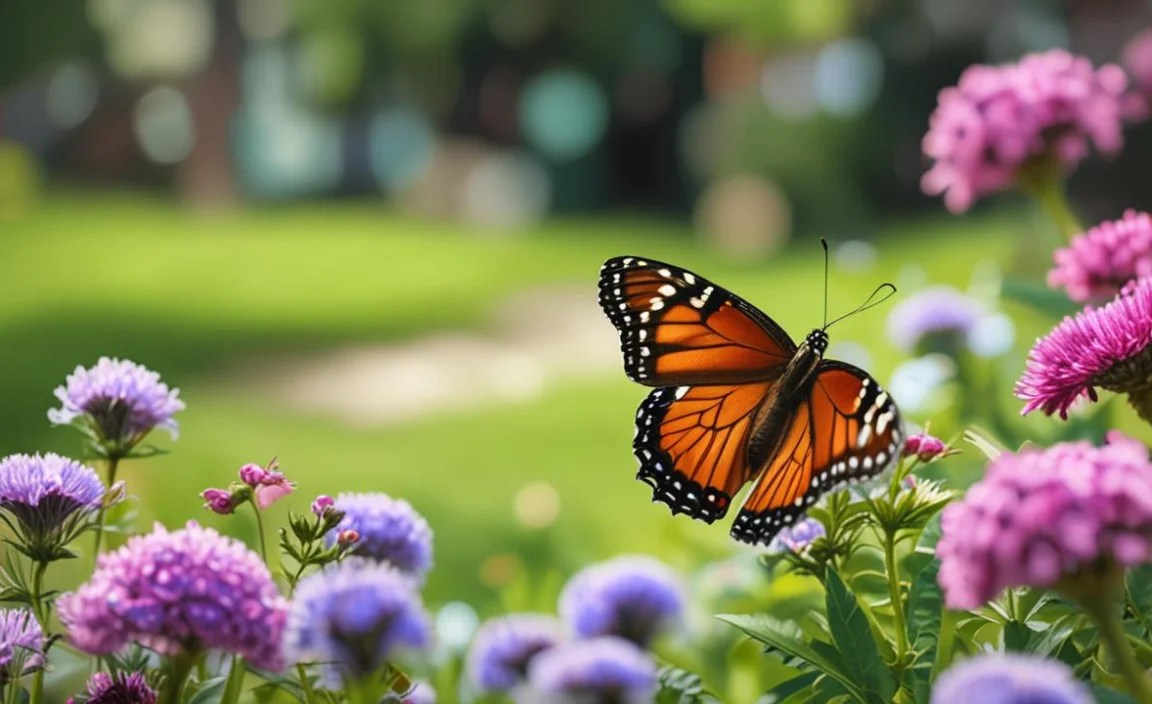
Butterflies are attracted to a variety of nectar-rich flowers, such as milkweed, butterfly bush, zinnias, and coneflowers. Caterpillars need specific host plants, like milkweed for Monarchs and parsley for Swallowtails.
How do I create a butterfly garden?
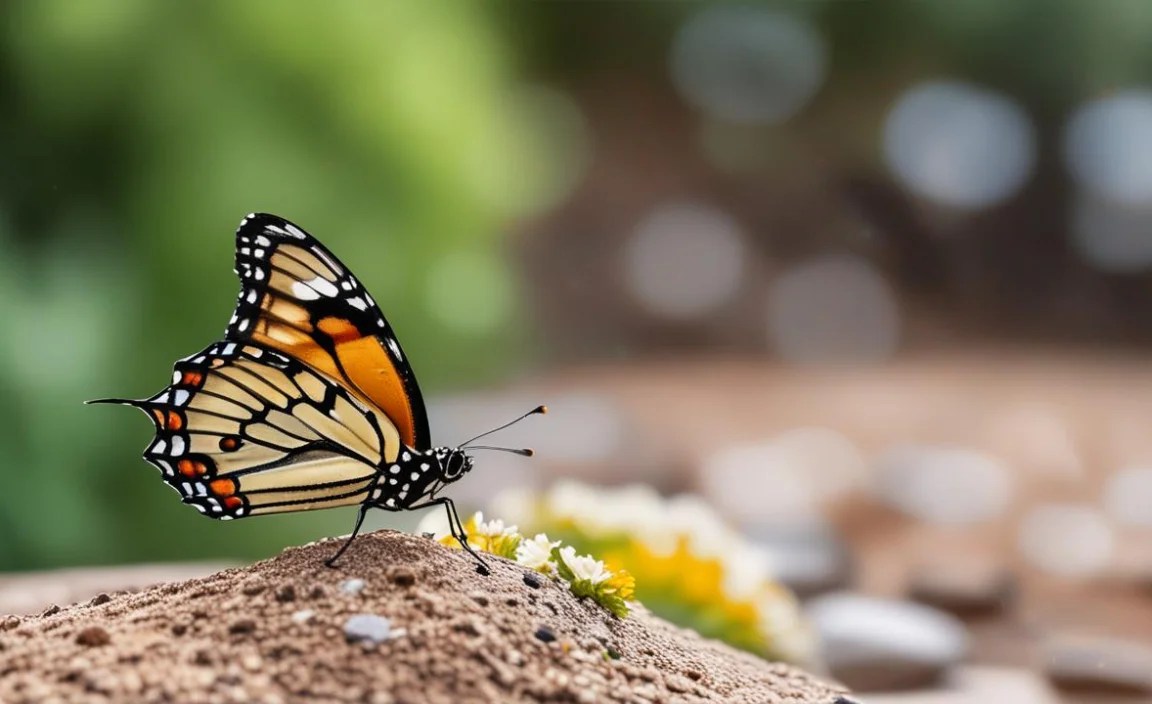
Choose a sunny location, plant a variety of nectar and host plants, provide a water source, and avoid using pesticides. Group similar plants together for better visibility and easier maintenance.
How can I protect butterflies in my garden?

Avoid using pesticides, provide shelter from wind and predators, and leave leaf litter in the fall to provide overwintering habitat for caterpillars and pupae.
What if I don’t have a lot of space for a garden?

You can still attract butterflies with container gardens! Choose smaller varieties of nectar and host plants and place them on your balcony or patio.
How long does it take to attract butterflies to my garden?

It can take a few weeks to a few months for butterflies to find your garden, depending on your location and the availability of butterflies in your area. Be patient and keep your plants healthy!
Creating Butterfly-Friendly Yards: A Step-by-Step Guide
Butterflies are more than just beautiful insects; they’re vital pollinators that play a crucial role in our ecosystem. As a naturalist, I’ve always been fascinated by their intricate life cycle and the delicate balance they represent. By creating a butterfly-friendly yard, you’re not only adding beauty to your surroundings but also contributing to the conservation of these amazing creatures. Let’s explore how you can transform your yard into a butterfly haven!
Step 1: Planning Your Butterfly Garden
Before you start digging, it’s essential to plan your butterfly garden carefully. Consider the following factors:
- Sunlight: Butterflies need sunshine to warm their bodies and nectar plants need it to produce flowers. Most nectar plants need at least six hours of direct sunlight per day. Choose a location in your yard that receives plenty of sunshine.
- Space: Even a small space can be transformed into a butterfly garden. Consider the mature size of the plants you choose and plan accordingly. You can create a butterfly garden in a raised bed, container, or even a small corner of your yard.
- Soil: Most butterfly garden plants prefer well-drained soil. Amend heavy clay soil with compost or other organic matter to improve drainage.
- Water Source: Butterflies need water to drink, but they can’t drink from deep puddles. Provide a shallow water source, such as a bird bath with pebbles or a shallow dish filled with water and stones.
- Shelter: Butterflies need shelter from wind and predators. Plant shrubs and trees to provide a safe haven for them.
Step 2: Choosing the Right Plants
The key to a successful butterfly garden is choosing the right plants. You’ll need to provide both nectar plants for adult butterflies and host plants for caterpillars. Here’s how to select the best plants for your area:
Nectar Plants
Nectar plants provide the energy that adult butterflies need to fly, mate, and lay eggs. Choose plants that bloom at different times of the year to provide a continuous source of nectar throughout the butterfly season. Some excellent nectar plants include:
- Butterfly Bush (Buddleja davidii): A classic choice for butterfly gardens, butterfly bush produces long, fragrant flower spikes that attract a wide variety of butterflies.
- Zinnias (Zinnia elegans): These colorful annuals are easy to grow and provide a profusion of nectar-rich flowers.
- Coneflowers (Echinacea purpurea): These native wildflowers are drought-tolerant and attract butterflies with their daisy-like flowers.
- Lantana (Lantana camara): Lantana is a heat-loving plant that produces clusters of colorful flowers.
- Salvia (Salvia spp.): Salvias are available in a wide range of colors and sizes, and they attract butterflies and hummingbirds alike.
- Asters (Symphyotrichum spp.): These late-blooming wildflowers provide a valuable source of nectar for butterflies preparing for migration or hibernation.
Host Plants
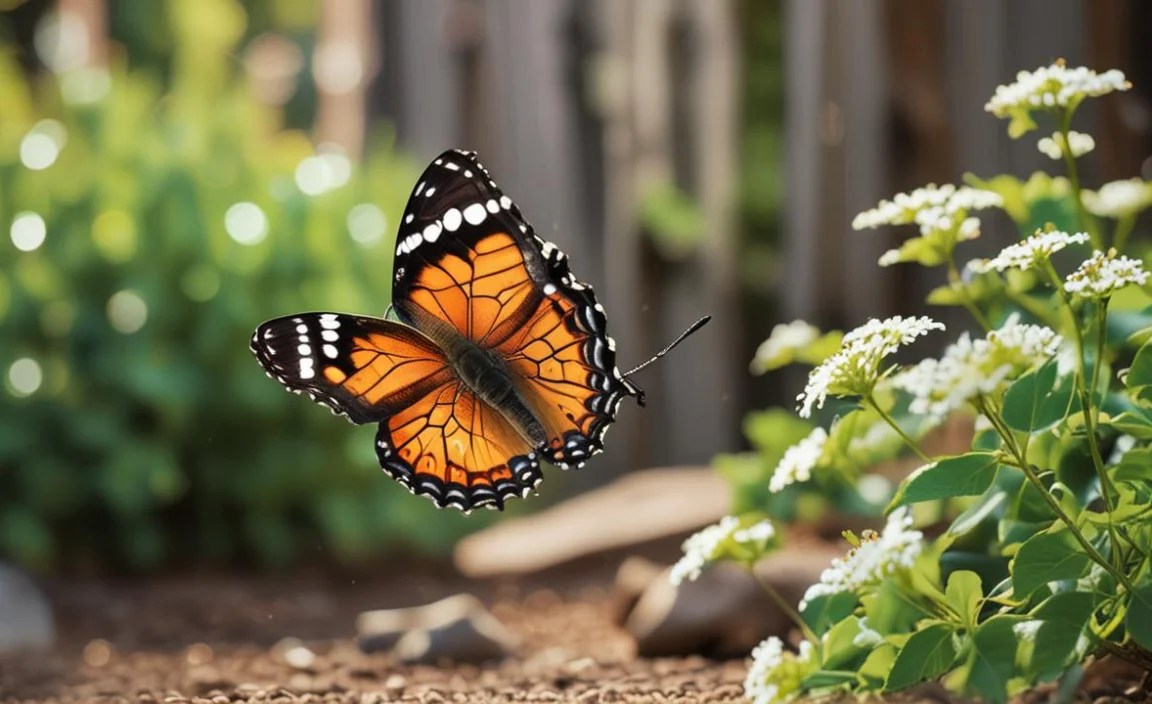
Host plants are the plants that butterfly caterpillars feed on. Without host plants, butterflies cannot complete their life cycle. It’s important to research which butterflies are native to your area and provide their specific host plants. Some popular host plants include:
- Milkweed (Asclepias spp.): The only host plant for Monarch butterfly caterpillars. Plant several different species of milkweed to support Monarchs throughout their migration.
- Parsley, Dill, Fennel (Foeniculum vulgare): Host plants for Black Swallowtail butterfly caterpillars.
- Spicebush (Lindera benzoin): Host plant for Spicebush Swallowtail butterfly caterpillars.
- Violets (Viola spp.): Host plants for Great Spangled Fritillary butterfly caterpillars.
- Clover (Trifolium spp.): Host plant for Eastern Tailed-Blue butterfly caterpillars.
- Oak Trees (Quercus spp.): Host plants for various butterfly species, including the Horace’s Duskywing.
Here’s a table summarizing some popular butterfly species and their corresponding host plants:
| Butterfly Species | Host Plant |
|---|---|
| Monarch | Milkweed (Asclepias spp.) |
| Black Swallowtail | Parsley, Dill, Fennel |
| Spicebush Swallowtail | Spicebush (Lindera benzoin) |
| Great Spangled Fritillary | Violets (Viola spp.) |
| Eastern Tailed-Blue | Clover (Trifolium spp.) |
Step 3: Planting Your Butterfly Garden

Once you’ve chosen your plants, it’s time to start planting. Follow these tips for successful planting:
- Prepare the soil: Amend the soil with compost or other organic matter to improve drainage and fertility.
- Plant in groups: Plant nectar plants in groups of three or more of the same species to make it easier for butterflies to find them.
- Consider bloom time: Choose plants that bloom at different times of the year to provide a continuous source of nectar.
- Water regularly: Water your plants regularly, especially during dry spells.
- Mulch: Apply a layer of mulch around your plants to help retain moisture and suppress weeds.
Step 4: Providing Water and Shelter

In addition to food, butterflies also need water and shelter. Here’s how to provide these essential elements in your butterfly garden:
Water
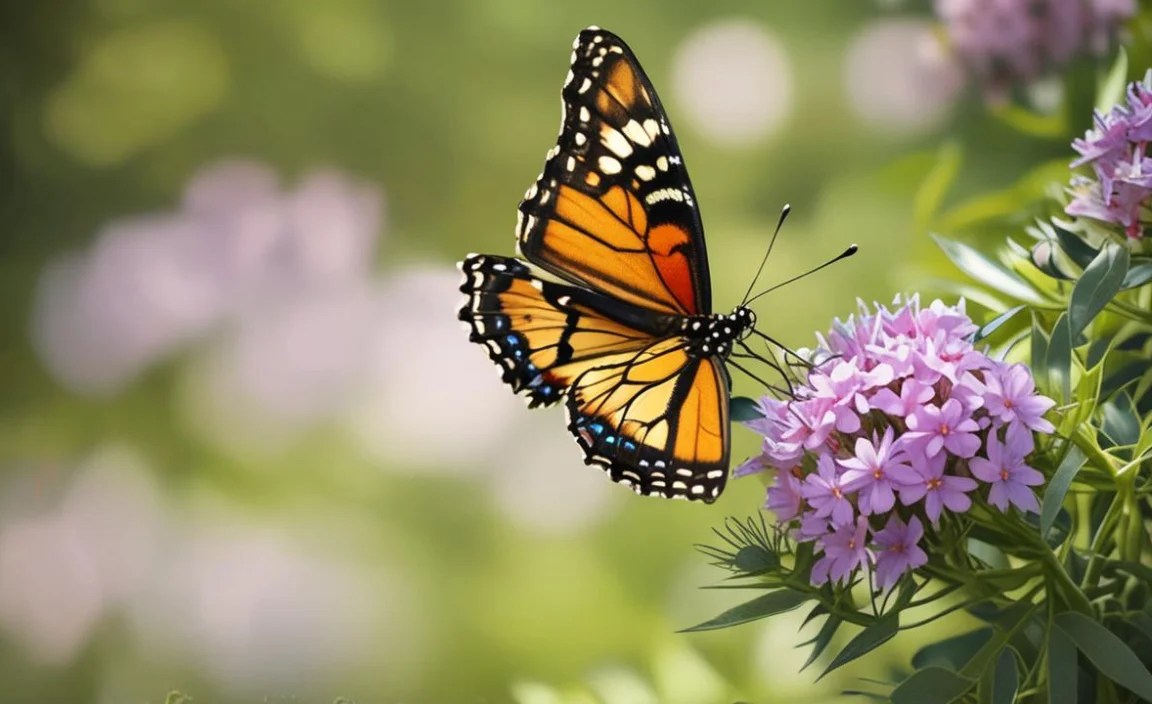
Butterflies can’t drink from deep puddles, so you’ll need to provide a shallow water source. Here are a few ideas:
- Bird bath: Place pebbles or stones in a bird bath so that butterflies can land and drink without falling in.
- Shallow dish: Fill a shallow dish with water and add stones or marbles for butterflies to land on.
- Mud puddle: Create a small mud puddle in a sunny spot in your garden. Butterflies will gather to drink the mineral-rich water.
Shelter
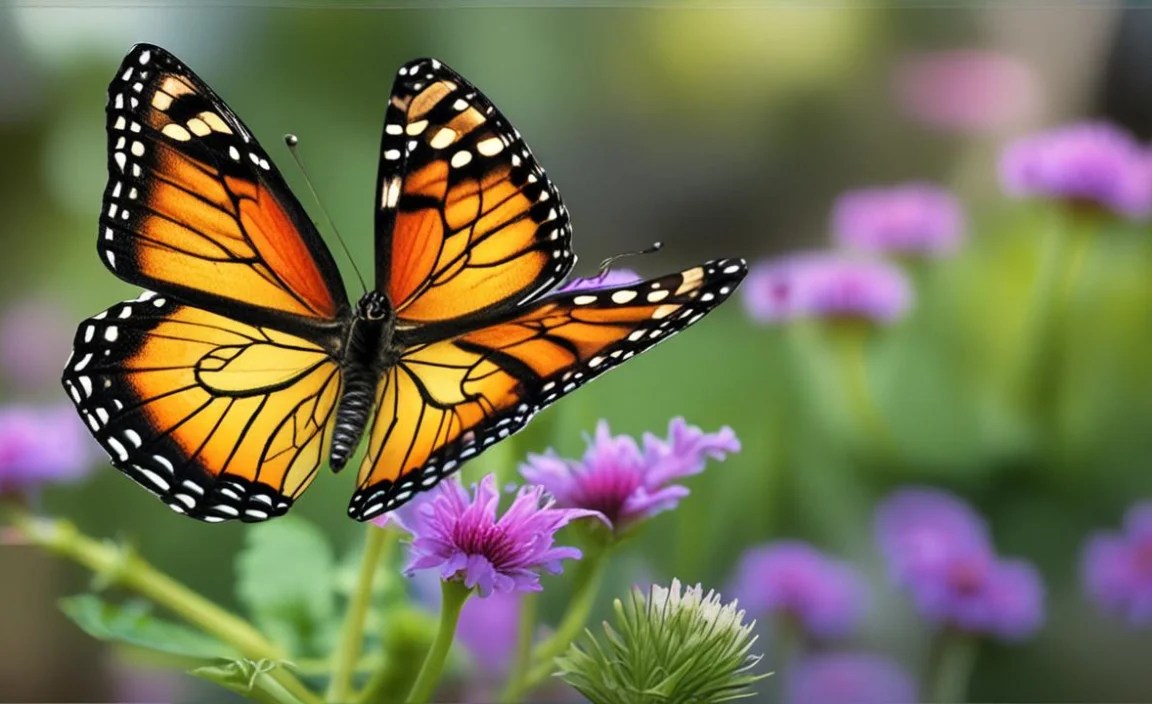
Butterflies need shelter from wind and predators. Plant shrubs and trees to provide a safe haven for them. Some good choices include:
- Shrubs: Butterfly bush, lilac, and viburnum provide shelter and nectar for butterflies.
- Trees: Oak, maple, and willow trees provide shelter and host plant opportunities for various butterfly species.
- Rock piles: A rock pile can provide shelter for butterflies and other beneficial insects.
Step 5: Avoiding Pesticides
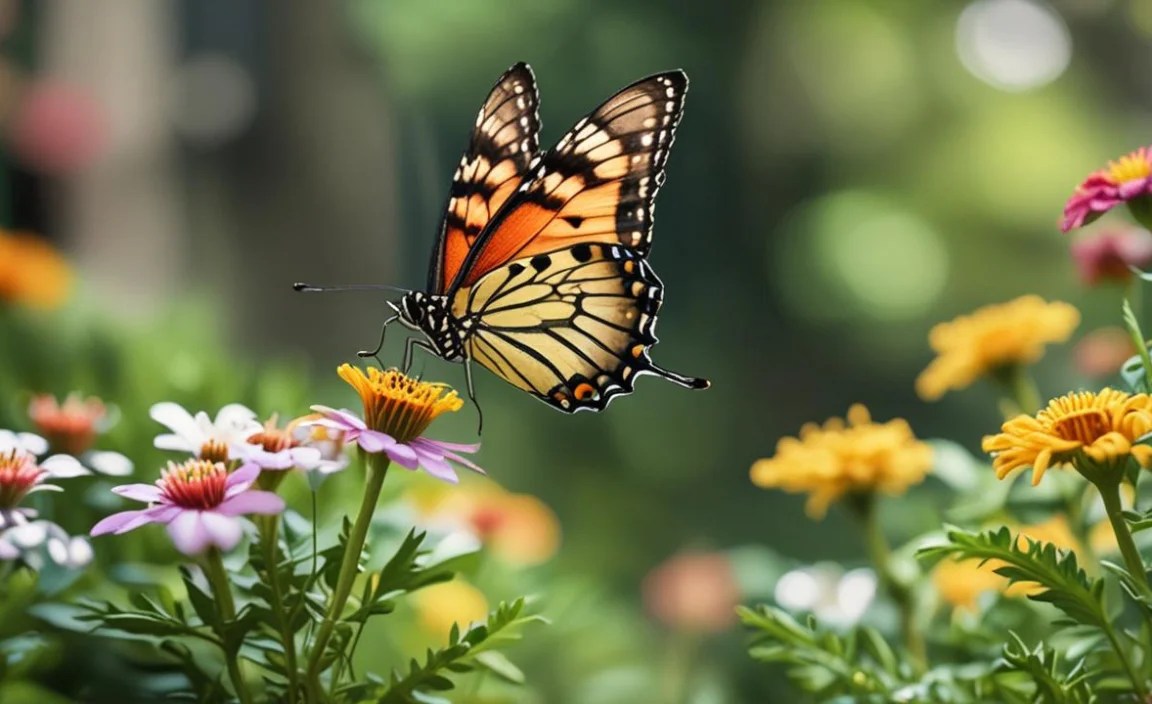
Pesticides are harmful to butterflies and other beneficial insects. Avoid using pesticides in your butterfly garden. If you must use pesticides, choose a selective insecticide that targets specific pests and avoid spraying during the day when butterflies are active. Here are some alternatives to pesticides:
- Handpicking: Remove pests by hand and drop them into a bucket of soapy water.
- Water spray: Spray plants with a strong stream of water to dislodge pests.
- Insecticidal soap: Insecticidal soap is a safe and effective way to control many common garden pests.
- Neem oil: Neem oil is a natural insecticide that can be used to control a wide range of pests.
Step 6: Maintaining Your Butterfly Garden
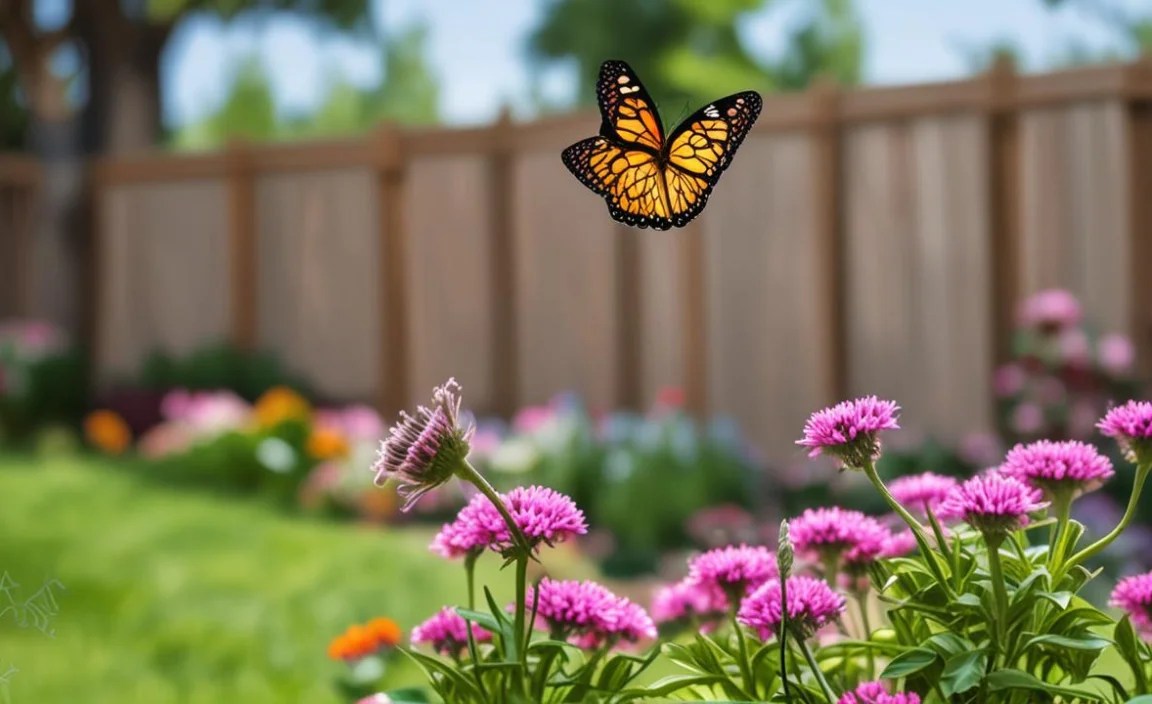
Once your butterfly garden is established, it’s important to maintain it to keep it healthy and attractive to butterflies. Here are some tips for maintaining your butterfly garden:
- Water regularly: Water your plants regularly, especially during dry spells.
- Deadhead flowers: Remove spent flowers to encourage more blooms.
- Weed regularly: Keep your garden free of weeds.
- Fertilize: Fertilize your plants as needed with a balanced fertilizer.
- Prune: Prune shrubs and trees as needed to maintain their shape and size.
- Leave the leaves: In the fall, leave the leaves on the ground to provide overwintering habitat for caterpillars and pupae.
Step 7: Observing and Enjoying Your Butterfly Garden

The best part of creating a butterfly garden is observing and enjoying the butterflies that visit your yard. Take time to sit in your garden and watch the butterflies as they flutter from flower to flower. You’ll be amazed by their beauty and grace. Consider keeping a butterfly journal to record the species you see and the plants they visit. This can help you refine your garden design over time.
Advanced Tips for Butterfly Gardening
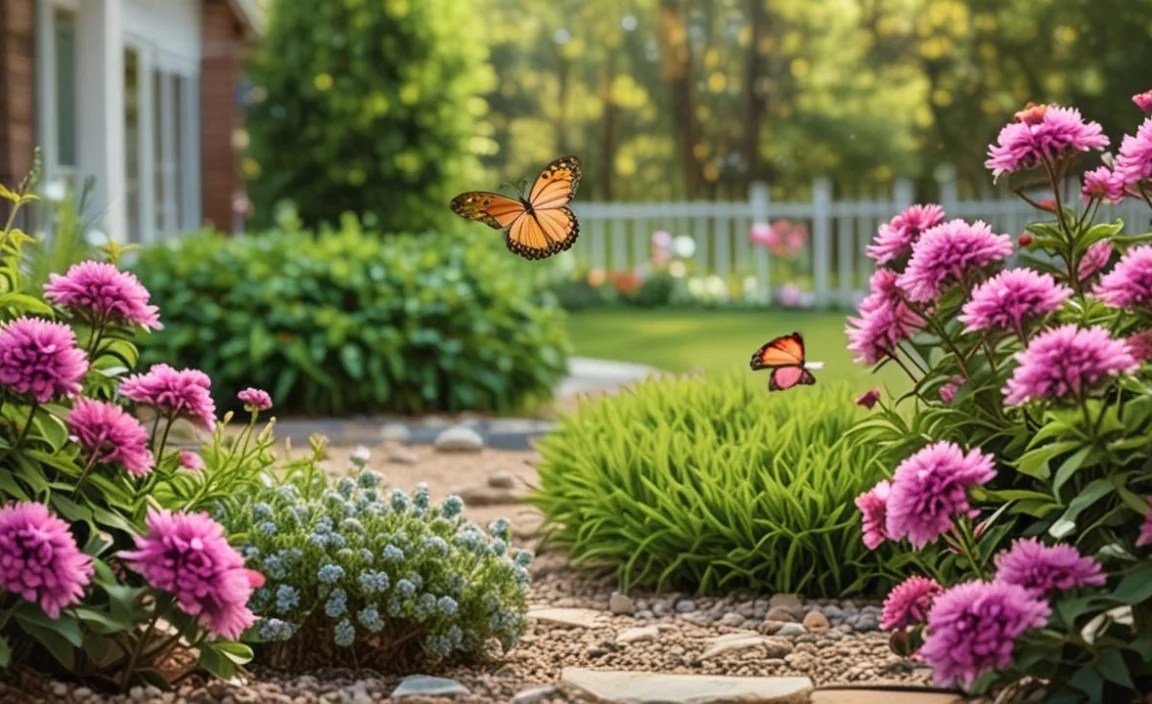
Once you’ve mastered the basics, you can take your butterfly gardening to the next level with these advanced tips:
- Create a butterfly puddling station: Butterflies often gather at puddles to drink and absorb minerals. Create a puddling station by burying a shallow container filled with sand and water in a sunny spot. Add a pinch of sea salt to the water to provide extra minerals.
- Provide a basking spot: Butterflies need to bask in the sun to warm their bodies. Provide a basking spot by placing a large, flat rock in a sunny area of your garden.
- Plant for caterpillars: Remember that caterpillars are an essential part of the butterfly life cycle. Don’t be afraid to let caterpillars munch on your host plants. A little bit of damage is a sign that your garden is providing a valuable habitat for butterflies.
- Join a butterfly monitoring program: Contribute to butterfly conservation by joining a butterfly monitoring program. These programs track butterfly populations and provide valuable data to scientists.
- Share your knowledge: Share your knowledge of butterfly gardening with others. Encourage your friends and neighbors to create their own butterfly gardens.
Troubleshooting Common Butterfly Gardening Problems
Even with the best planning, you may encounter some problems in your butterfly garden. Here are some common problems and how to solve them:
| Problem | Solution |
|---|---|
| Butterflies aren’t visiting my garden. | Make sure you have plenty of nectar and host plants. Ensure your plants are getting enough sunlight and water. Avoid using pesticides. |
| Caterpillars are eating all my plants. | Remember that caterpillars are an essential part of the butterfly life cycle. If the damage is severe, consider planting extra host plants. |
| My plants are being eaten by pests. | Use organic pest control methods, such as handpicking, water spray, or insecticidal soap. |
| My plants are not flowering. | Make sure your plants are getting enough sunlight and water. Fertilize as needed with a balanced fertilizer. Deadhead spent flowers. |
By following these steps, you can create a butterfly-friendly yard that will attract these beautiful creatures and provide them with the food, water, and shelter they need to thrive. Remember, every little bit helps. Even a small butterfly garden can make a big difference in the lives of these amazing insects.
As a naturalist, I’ve seen firsthand the positive impact that butterfly gardens can have on local ecosystems. Not only do they provide habitat for butterflies, but they also support a wide range of other beneficial insects and pollinators. By creating a butterfly-friendly yard, you’re contributing to a healthier and more vibrant environment for all.
Resources for Further Learning
Here are some excellent resources to deepen your knowledge of butterflies and butterfly gardening:
- The Xerces Society for Invertebrate Conservation: Offers extensive information on butterfly conservation, habitat restoration, and pollinator-friendly gardening.
- National Wildlife Federation: Provides guidance on creating wildlife-friendly habitats, including butterfly gardens.
- United States Forest Service: Offers resources on native plants and ecosystems.
Creating a butterfly-friendly yard is a rewarding experience that benefits both you and the environment. By providing food, water, shelter, and a pesticide-free environment, you can transform your yard into a haven for these beautiful creatures. So, get started today and enjoy the beauty and wonder of butterflies in your own backyard!


