
Butterfly Predators in Ecosystems: The Ultimate Guide

Quick Summary: Many animals prey on butterflies in their caterpillar and adult stages. Birds, spiders, wasps, lizards, and even mammals like shrews eat butterflies. Protecting butterflies involves creating safe habitats with native plants and limiting pesticide use, which helps maintain healthy butterfly populations in our ecosystems.
Butterflies, with their vibrant colors and graceful flight, are a delight to see in any garden or natural landscape. But these delicate creatures face many dangers in their lives. Understanding what preys on butterflies can help us protect them and create safer environments for these beautiful insects. It might seem unfair that something so lovely has so many enemies, but it’s a crucial part of the natural balance. Let’s explore who these predators are and how we can help butterflies thrive.
Common Butterfly Predators
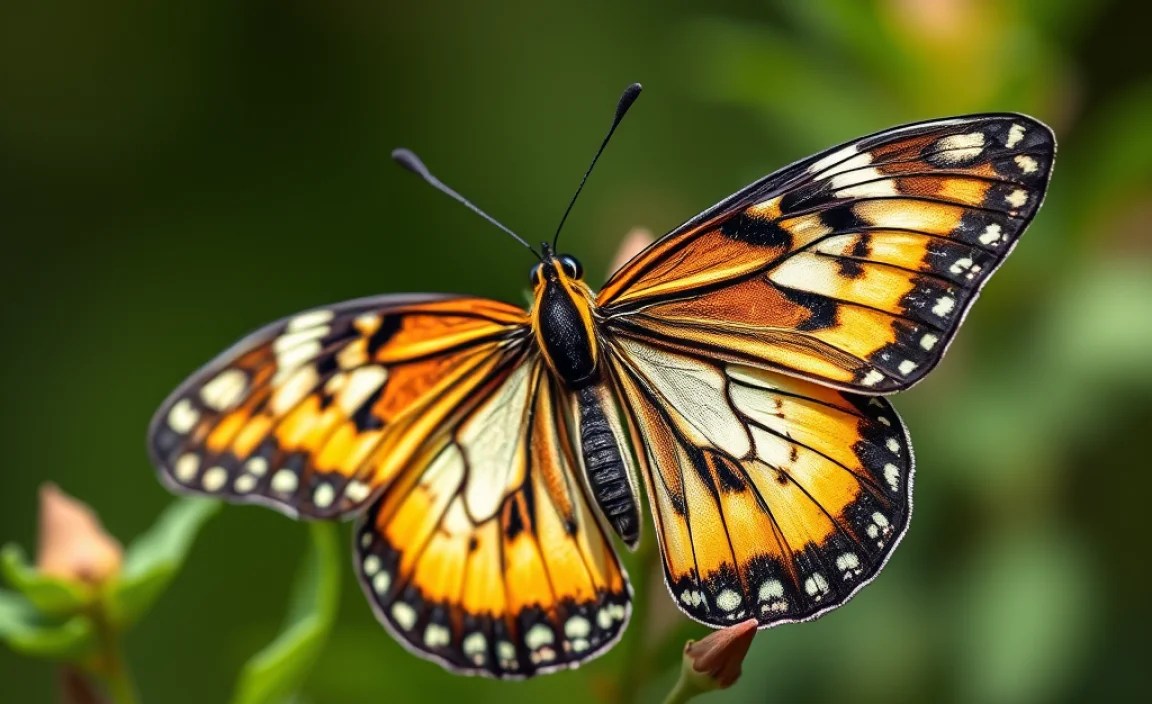
Butterflies are a tasty snack for many creatures, both as caterpillars and as adults. Knowing the main predators can help you protect these lovely insects.
Birds
Birds are among the most significant predators of butterflies. Many birds rely on insects as a primary food source, especially during the breeding season when they need to feed their young. Common bird predators include:
- Robins: These familiar garden birds are opportunistic feeders and will readily eat butterflies.
- Sparrows: Various sparrow species also consume butterflies and caterpillars.
- Flycatchers: As their name suggests, flycatchers are adept at catching insects in flight.
- Swallows: These aerial acrobats are constantly on the lookout for flying insects, including butterflies.
Insects
It might seem strange that insects would prey on other insects, but it’s quite common in nature. Here are some of the insect predators that target butterflies:
- Wasps: Many wasp species, especially social wasps like yellowjackets, hunt caterpillars to feed their larvae.
- Ants: Ants are opportunistic feeders and will attack butterfly eggs, caterpillars, and pupae.
- Praying Mantises: These ambush predators are well-camouflaged and can catch butterflies with their quick reflexes.
- Assassin Bugs: These bugs use their piercing mouthparts to suck the fluids from their prey, including butterflies and caterpillars.
Spiders
Spiders are another major group of butterfly predators. They use webs or direct hunting to catch their prey. Common spider predators include:
- Orb-Weaving Spiders: These spiders build intricate webs to trap flying insects.
- Jumping Spiders: These spiders have excellent vision and can jump long distances to catch their prey.
- Ground Spiders: These spiders hunt on the ground and can catch caterpillars and resting butterflies.
Other Animals
Besides birds, insects, and spiders, other animals also prey on butterflies:
- Lizards: Lizards are opportunistic feeders and will eat butterflies and caterpillars when they can catch them.
- Small Mammals: Shrews, mice, and other small mammals may also eat caterpillars and pupae.
- Amphibians: Frogs and toads will eat butterflies if they can catch them.
Butterfly Defense Mechanisms
Butterflies aren’t defenseless. They have developed several strategies to avoid becoming a meal. These defense mechanisms help them survive in a world full of predators.
Camouflage
Camouflage is one of the most common and effective defense mechanisms. Butterflies use their coloration and patterns to blend in with their surroundings. Examples include:
- Leaf Mimicry: Some butterflies have wings that look like dead leaves, making them difficult to spot among the foliage.
- Bark Mimicry: Others have patterns that resemble tree bark, helping them blend in with tree trunks and branches.
Warning Coloration (Aposematism)
Some butterflies are brightly colored to warn predators that they are toxic or distasteful. This is known as aposematism. Predators learn to avoid these butterflies after a bad experience. Examples include:
- Monarch Butterflies: Monarchs are famous for their bright orange and black coloration, which warns predators that they are toxic due to the milkweed they consume as caterpillars.
- Swallowtail Butterflies: Some swallowtail species also have bright colors and patterns that warn predators of their toxicity.
Mimicry
Mimicry involves one species evolving to resemble another species. There are two main types of mimicry:
- Batesian Mimicry: A harmless species mimics a toxic or distasteful species. For example, the viceroy butterfly mimics the monarch butterfly.
- Müllerian Mimicry: Two or more toxic or distasteful species mimic each other. This reinforces the warning signal to predators.
Eye Spots
Many butterflies have eye spots on their wings. These spots can startle predators or redirect their attacks away from vital body parts. When a bird pecks at an eye spot on the wing, the butterfly has a better chance of escaping with its life.
Flight Patterns
Butterflies have erratic and unpredictable flight patterns that make them difficult to catch. Their agility and speed can help them evade predators.
Chemical Defenses
Some butterflies have chemical defenses that make them unpalatable to predators. These chemicals can be acquired from the plants they eat as caterpillars.
How to Protect Butterflies from Predators

Protecting butterflies involves creating safe habitats and reducing threats. Here are some practical steps you can take.
Plant Native Plants
Planting native plants provides food and shelter for butterflies and their caterpillars. Native plants are adapted to the local climate and soil conditions, making them easier to grow and more beneficial to local wildlife. Some good choices include:
- Milkweed: Essential for monarch butterflies.
- Aster: Provides nectar for many butterfly species.
- Goldenrod: Another excellent nectar source.
- Violets: Food source for fritillary caterpillars.
Avoid Pesticides
Pesticides can harm or kill butterflies and other beneficial insects. Avoid using pesticides in your garden, or choose organic alternatives. Even “natural” pesticides can be harmful, so always use them sparingly and carefully.
Provide Shelter
Butterflies need shelter from predators and harsh weather. Provide shrubs, trees, and other plants where they can hide. Rock piles and brush piles can also offer shelter.
Create a Butterfly Garden
A butterfly garden is a dedicated space designed to attract and support butterflies. It should include a variety of nectar plants, host plants for caterpillars, and shelter. A shallow dish of water with pebbles can also provide a place for butterflies to drink.
Support Conservation Efforts
Support organizations that work to protect butterfly habitats and promote butterfly conservation. These organizations often conduct research, educate the public, and advocate for policies that benefit butterflies.
The Role of Butterflies in Ecosystems

Butterflies play several important roles in ecosystems. They are not just pretty faces; they are essential for maintaining biodiversity and ecosystem health.
Pollination
Butterflies are important pollinators. As they feed on nectar, they transfer pollen from flower to flower, helping plants reproduce. While bees are often considered the primary pollinators, butterflies play a significant role in pollinating certain types of plants.
Food Source
Butterflies and caterpillars are a food source for many animals, including birds, insects, and spiders. They are an important part of the food web.
Indicators of Environmental Health
Butterflies are sensitive to changes in their environment. Their presence or absence can indicate the health of an ecosystem. Declining butterfly populations can be a warning sign of environmental problems.
Aesthetic and Cultural Value
Butterflies have aesthetic and cultural value. They bring beauty and joy to our lives. They are also symbols of transformation, hope, and beauty in many cultures.
Life Cycle of a Butterfly
Understanding the butterfly life cycle can help you appreciate the challenges they face and the importance of protecting them.
Egg
The butterfly life cycle begins with an egg. Butterflies lay their eggs on or near the plants that their caterpillars will eat. Butterfly eggs come in a variety of shapes and colors, depending on the species.
Larva (Caterpillar)
The egg hatches into a larva, also known as a caterpillar. The caterpillar’s main job is to eat and grow. Caterpillars go through several molts, shedding their skin as they grow larger. This stage is the most vulnerable because caterpillars are exposed and lack the defenses of adult butterflies.
Pupa (Chrysalis)
When the caterpillar is fully grown, it enters the pupa stage. The pupa forms a protective casing called a chrysalis. Inside the chrysalis, the caterpillar undergoes a remarkable transformation, reorganizing its body into a butterfly.
Adult Butterfly
After a period of time, the pupa emerges as an adult butterfly. The adult butterfly’s main job is to reproduce. Adult butterflies also feed on nectar to fuel their activities.
Specific Predators and Their Impact
Let’s take a closer look at some specific predators and how they impact butterfly populations.
Birds
Birds are a constant threat to butterflies. They are particularly effective at catching butterflies in flight. Birds can have a significant impact on local butterfly populations, especially in areas where habitat is limited.
Wasps
Wasps are a major predator of caterpillars. They often carry caterpillars back to their nests to feed their larvae. Wasps can decimate caterpillar populations, especially in gardens and agricultural areas.
Spiders
Spiders are effective at catching both caterpillars and adult butterflies. They use webs to trap flying insects and hunt on the ground for caterpillars. Spiders can have a significant impact on butterfly populations, especially in areas with high spider densities.
Lizards
Lizards are opportunistic feeders and will eat butterflies and caterpillars when they can catch them. Lizards can be a significant predator in warm climates.
Case Studies: Butterfly-Predator Interactions
Examining specific examples of butterfly-predator interactions can give us a better understanding of the dynamics involved.
Monarch Butterflies and Birds
Monarch butterflies are toxic to many birds due to the milkweed they consume as caterpillars. However, some birds, like the black-backed oriole and the black-headed grosbeak, have developed the ability to tolerate the toxins. These birds can consume large numbers of monarch butterflies, especially during the monarch’s overwintering migration. Research from the U.S. Forest Service shows the importance of protecting overwintering sites to minimize predation.
Swallowtail Caterpillars and Wasps
Swallowtail caterpillars are often targeted by wasps. Some swallowtail species have developed defense mechanisms, such as osmeteria (fleshy, horn-like organs that emit a foul odor) to deter wasps. A study published in the Entomological Society of America showed how effective these osmeteria are in reducing wasp attacks.
Blue Butterflies and Ants
Some species of blue butterflies have a mutualistic relationship with ants. The caterpillars secrete a sugary substance that the ants feed on. In return, the ants protect the caterpillars from predators like wasps and spiders. This relationship demonstrates the complex interactions that can occur in nature.
Creating a Butterfly-Friendly Garden
Creating a butterfly-friendly garden is a great way to support butterfly populations and enjoy their beauty. Here’s a step-by-step guide:
- Choose a sunny location: Butterflies need sunlight to warm their bodies and fly.
- Plant a variety of nectar plants: Choose plants that bloom at different times of the year to provide a continuous source of nectar.
- Plant host plants for caterpillars: Research which plants are host plants for the butterfly species you want to attract.
- Provide a water source: A shallow dish of water with pebbles can provide a place for butterflies to drink.
- Avoid pesticides: Pesticides can harm or kill butterflies and other beneficial insects.
- Provide shelter: Shrubs, trees, and other plants can provide shelter from predators and harsh weather.
- Add rocks and basking sites: Butterflies use rocks and other surfaces to warm themselves in the sun.
Butterfly Conservation Efforts
Many organizations are working to protect butterflies and their habitats. Here are some ways you can get involved:
- Support conservation organizations: Donate to or volunteer with organizations that work to protect butterflies.
- Participate in citizen science projects: Help collect data on butterfly populations by participating in citizen science projects.
- Educate others: Share your knowledge about butterflies with friends, family, and neighbors.
- Advocate for policies that protect butterflies: Contact your elected officials and urge them to support policies that benefit butterflies and their habitats.
Future of Butterfly Conservation
The future of butterfly conservation depends on our ability to protect their habitats and reduce threats. Climate change, habitat loss, and pesticide use are all major challenges. By working together, we can create a brighter future for these beautiful and important insects.
Tables: Butterfly Predators and Host Plants
Table: Common Butterfly Predators
| Predator Type | Examples | Impact on Butterflies |
|---|---|---|
| Birds | Robins, Sparrows, Flycatchers | Consume adult butterflies, reducing population size |
| Wasps | Yellowjackets, Hornets | Prey on caterpillars, decimating populations |
| Spiders | Orb-Weaving Spiders, Jumping Spiders | Trap adult butterflies and caterpillars in webs |
| Lizards | Geckos, Iguanas | Eat butterflies and caterpillars opportunistically |
Table: Host Plants for Common Butterflies
| Butterfly Species | Host Plant | Benefits |
|---|---|---|
| Monarch | Milkweed | Provides food and toxicity for caterpillars |
| Black Swallowtail | Parsley, Dill, Fennel | Essential food source for caterpillars |
| Spicebush Swallowtail | Spicebush, Sassafras | Caterpillars feed exclusively on these plants |
| Painted Lady | Thistle, Mallow | Supports caterpillar growth and development |
FAQs: Butterfly Predators
What eats butterflies in the garden?
Many creatures eat butterflies in the garden, including birds, spiders, wasps, and even lizards. Protecting butterflies involves creating safe habitats with native plants and limiting pesticide use.
How do you protect butterflies from predators?
You can protect butterflies by planting native plants to provide food and shelter, avoiding pesticides, and creating a butterfly garden with a variety of nectar and host plants.
What are some natural predators of caterpillars?
Natural predators of caterpillars include wasps, ants, birds, and spiders. Encouraging these predators in your garden can help control caterpillar populations, but it’s a balance.
Do butterflies have any defenses against predators?
Yes, butterflies have several defenses, including camouflage, warning coloration, mimicry, eye spots, and erratic flight patterns.
Why are butterflies important to the ecosystem?
Butterflies are important pollinators, a food source for many animals, and indicators of environmental health. They also have aesthetic and cultural value.
What can I plant to attract butterflies to my garden?
Plant native plants like milkweed, aster, goldenrod, and violets to attract butterflies to your garden. These plants provide food and shelter for butterflies and their caterpillars.
Are pesticides harmful to butterflies?
Yes, pesticides can harm or kill butterflies and other beneficial insects. Avoid using pesticides in your garden, or choose organic alternatives.
Conclusion
Butterflies face many challenges from predators in their ecosystems, but understanding these threats and how butterflies defend themselves is the first step in helping them thrive. By planting native plants, avoiding pesticides, and creating butterfly-friendly habitats, we can make a real difference. Butterflies are not only beautiful but also play crucial roles in pollination and as part of the food web. By supporting butterfly conservation efforts and educating others, we can ensure that these enchanting creatures continue to grace our gardens and landscapes for generations to come. Let’s work together to create a world where butterflies can flutter freely, enriching our lives and our planet.


