
Butterfly Reserve Planning: Your Ultimate Guide

Planning a butterfly reserve involves creating a dedicated space where butterflies can thrive. This includes selecting the right location, planting native nectar and host plants, providing shelter and water sources, and managing the habitat to protect butterflies from predators and pesticides. Careful planning ensures a healthy and sustainable environment for these beautiful creatures.
Have you ever dreamed of a place filled with fluttering wings, vibrant colors, and the gentle beauty of butterflies? Creating your own butterfly reserve is a wonderful way to bring that dream to life! It might seem a little daunting at first, but don’t worry. With a few simple steps, you can transform your backyard—or even a small corner of it—into a haven for these amazing insects. We’ll guide you through everything, from choosing the perfect spot to planting the flowers butterflies love. Let’s get started and create a magical butterfly paradise together!
Frequently Asked Questions About Butterfly Reserves
What is a butterfly reserve?
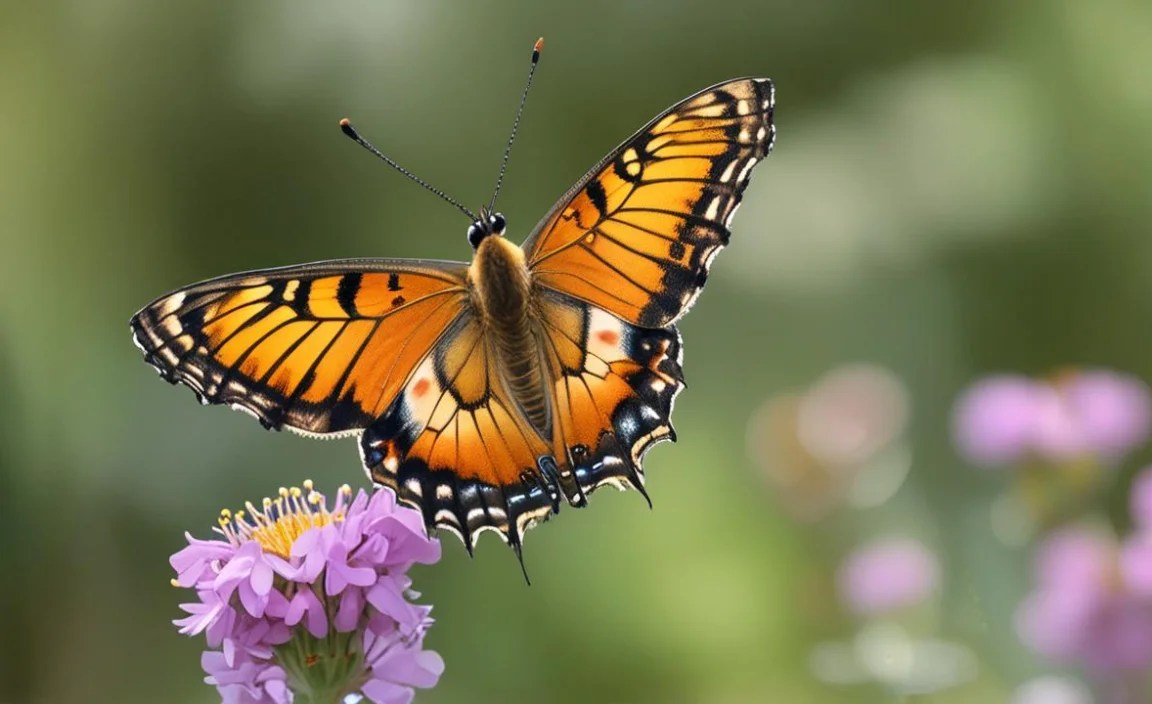
A butterfly reserve is a dedicated area designed to support butterfly populations. It provides essential resources such as food (nectar plants), shelter, and host plants for caterpillars.
Why should I create a butterfly reserve?
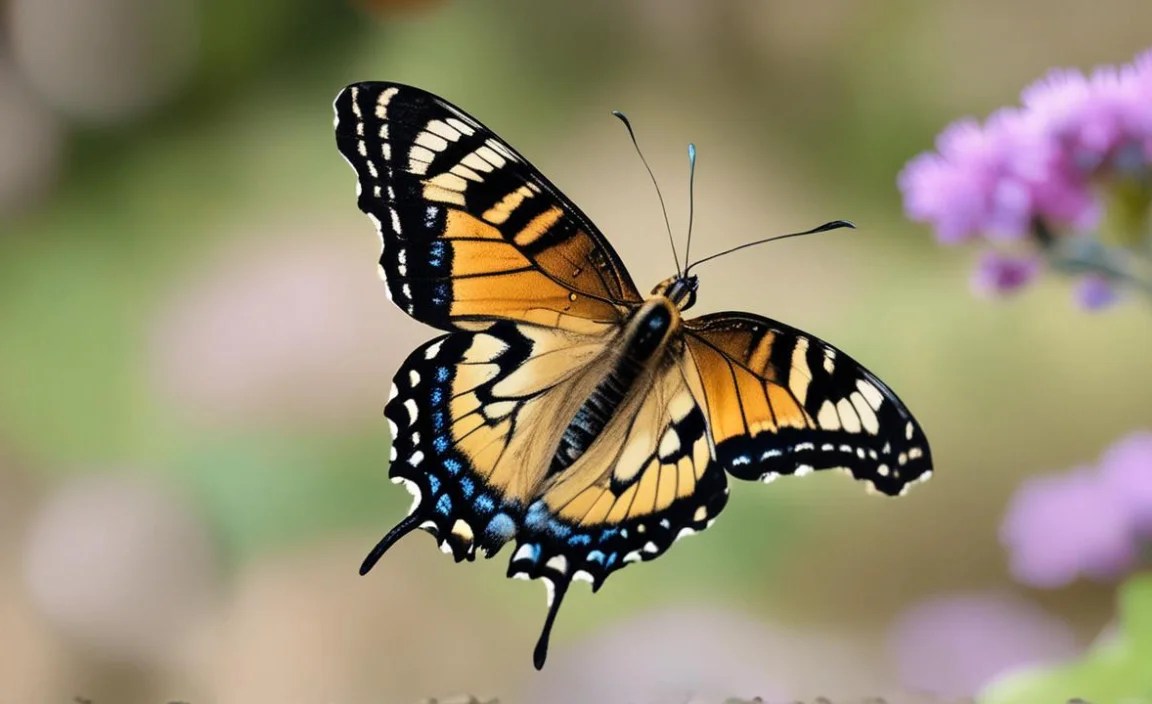
Butterfly populations are declining due to habitat loss and pesticide use. Creating a reserve helps conserve these important pollinators and adds beauty to your surroundings.
What are nectar plants?
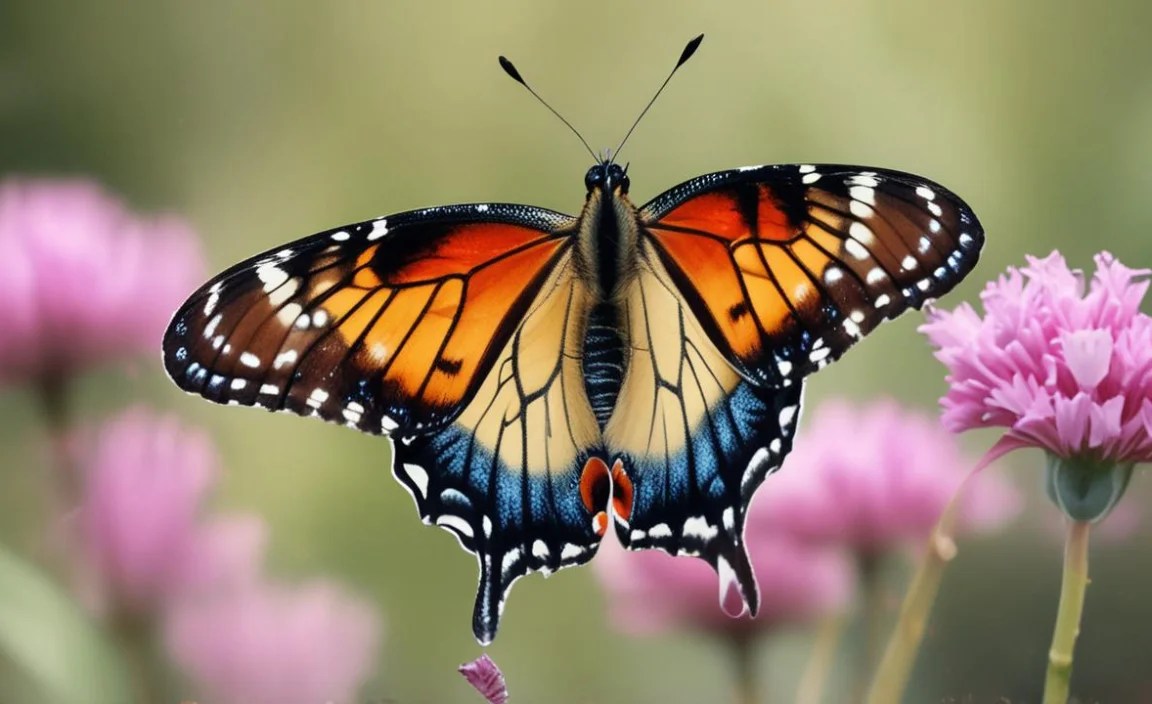
Nectar plants provide butterflies with the energy they need to fly and reproduce. Examples include butterfly bush, zinnias, and coneflowers.
What are host plants?
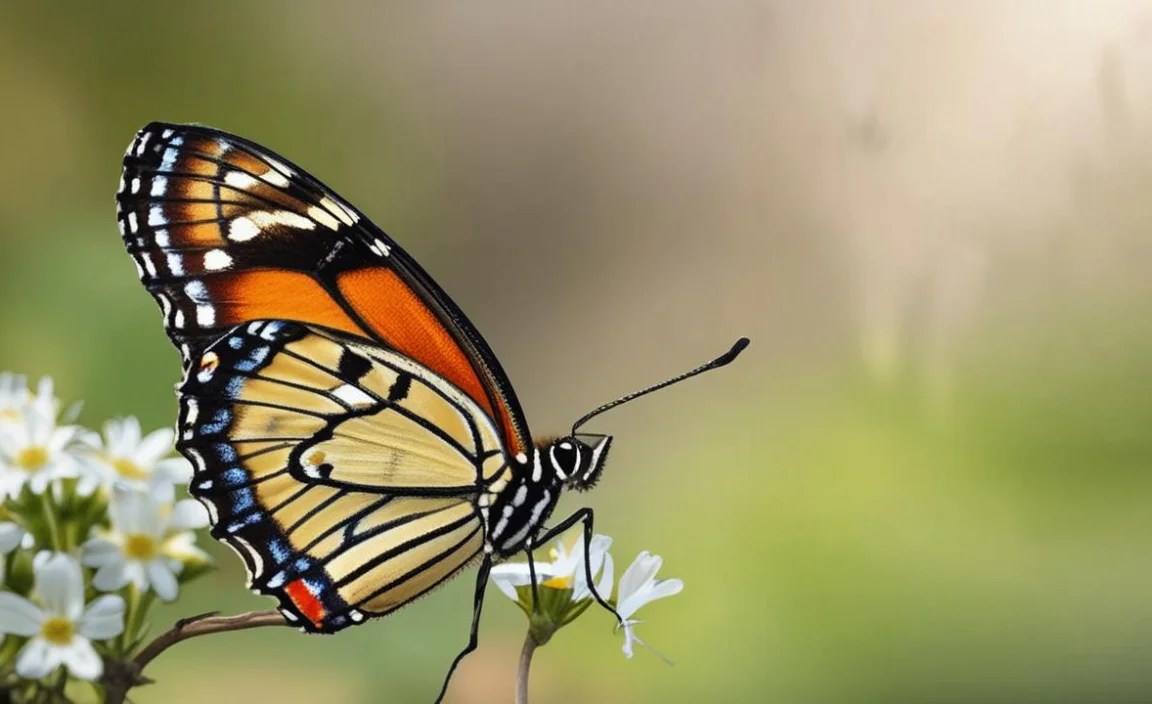
Host plants are food sources for butterfly caterpillars. Each butterfly species has specific host plants, such as milkweed for monarch caterpillars.
How big does my butterfly reserve need to be?

Even a small garden can be a butterfly reserve! The size depends on your space and resources, but any effort to provide habitat is beneficial.
How do I protect butterflies from predators?
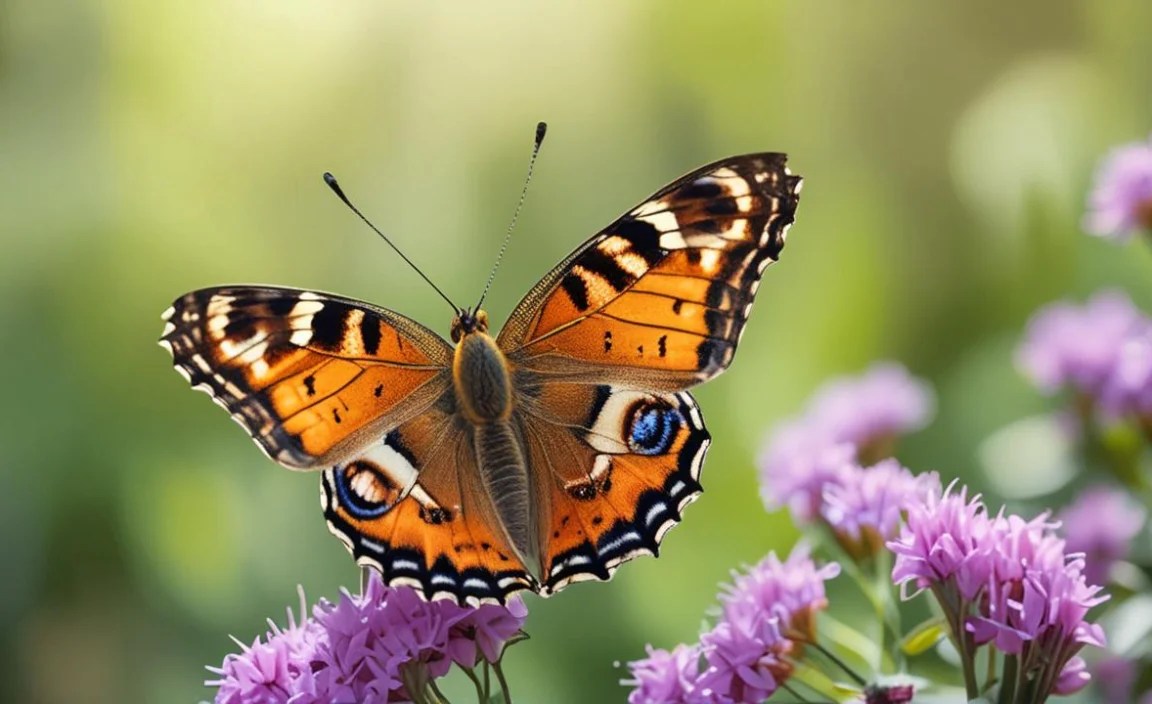
Provide shelter like shrubs and trees. Avoid using pesticides that can harm butterflies and other beneficial insects.
How do I attract different types of butterflies?

Plant a variety of nectar and host plants to attract a diverse range of butterfly species. Research which butterflies are native to your area and their specific needs.
Step-by-Step Guide to Butterfly Reserve Planning

Step 1: Assessing Your Location
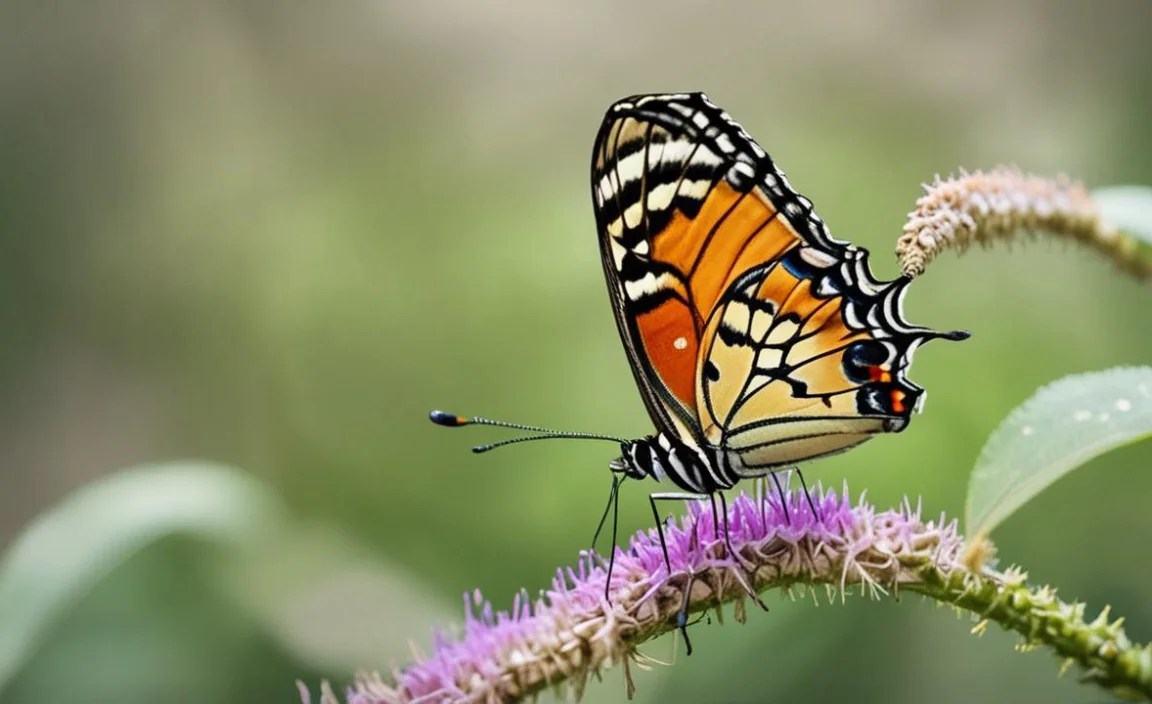
The first step in planning your butterfly reserve is to assess your location. This involves understanding the environmental conditions and resources available in your area. Here’s what to consider:
- Sunlight: Butterflies need sunlight to warm their bodies and fly. Choose a location that receives at least six hours of direct sunlight per day.
- Wind Protection: Strong winds can make it difficult for butterflies to fly and feed. Natural windbreaks like shrubs, fences, or buildings are good to consider.
- Water Source: Butterflies need water, but they can’t drink from open water sources like ponds. Create a “butterfly puddle” with a shallow dish filled with water and pebbles for them to land on.
- Soil Type: Different plants prefer different soil types. Test your soil’s pH and nutrient levels to determine which plants will thrive in your reserve. You can get a soil testing kit at most garden centers or from your local agricultural extension office.
- Existing Vegetation: Take note of any existing plants that might already attract butterflies or serve as host plants. Avoid removing native plants unless they are invasive.
Step 2: Identifying Local Butterfly Species
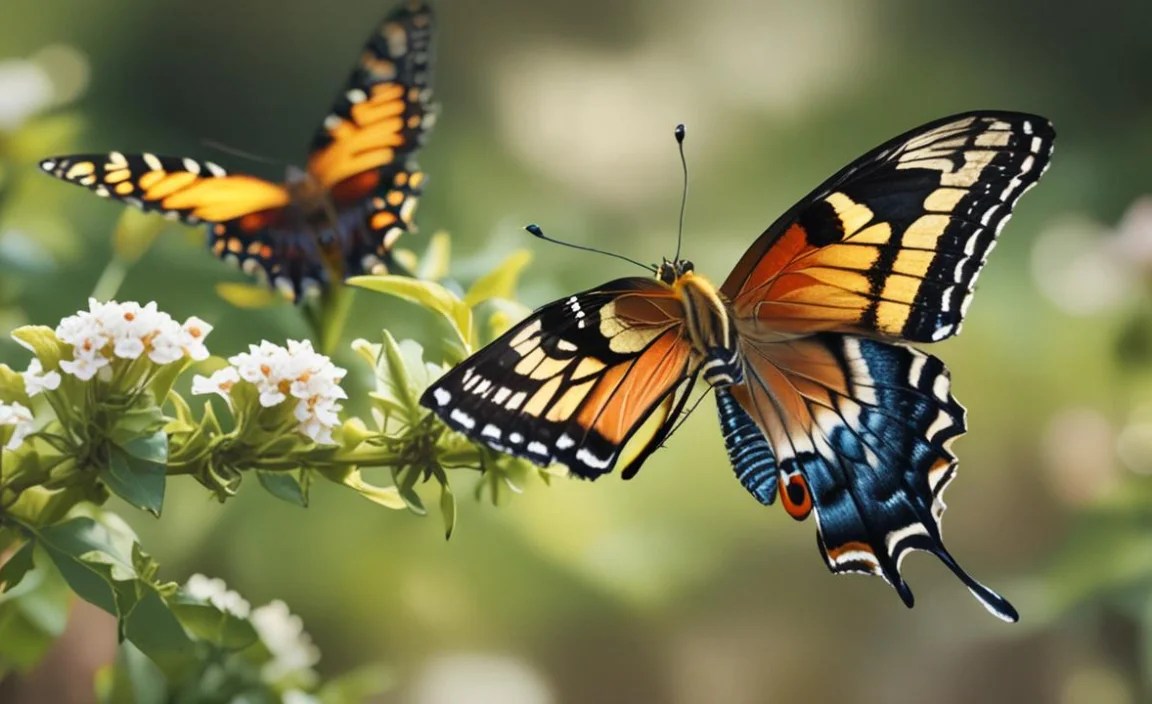
To create an effective butterfly reserve, it’s essential to know which butterfly species are native to your area. This will help you choose the right host and nectar plants. Here’s how to identify local butterflies:
- Field Guides: Invest in a good butterfly field guide specific to your region. These guides provide detailed descriptions and images to help you identify different species.
- Online Resources: Websites like the Butterfly Identification website and local nature organizations often have information about regional butterfly species.
- Local Experts: Contact local nature centers, garden clubs, or entomology departments at universities. They can provide valuable insights and resources.
- Citizen Science Projects: Participate in citizen science projects like butterfly counts or monitoring programs. These projects help track butterfly populations and provide valuable data for conservation efforts.
Step 3: Selecting Nectar Plants
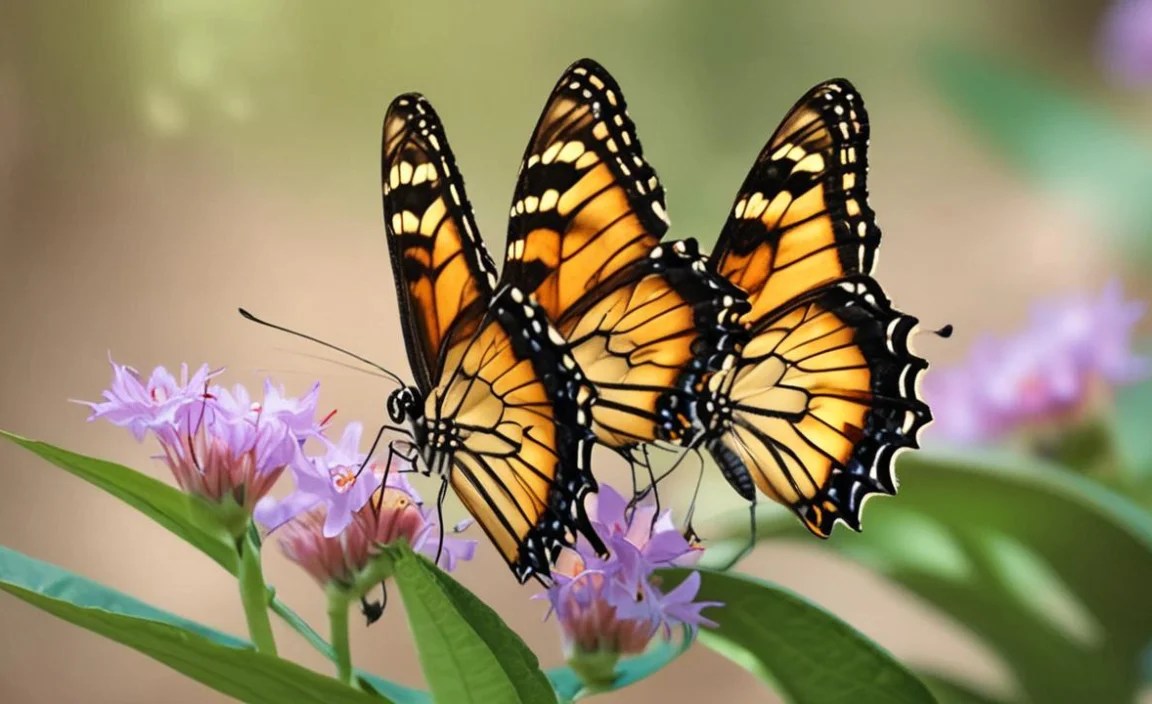
Nectar plants provide butterflies with the energy they need to fly, reproduce, and survive. When selecting nectar plants, consider the following factors:
- Native Species: Native plants are best because they are adapted to the local climate and soil conditions and are often preferred by native butterflies.
- Bloom Time: Choose plants with staggered bloom times to provide a continuous source of nectar throughout the butterfly season.
- Flower Color: Butterflies are attracted to bright colors, especially red, orange, yellow, and purple.
- Plant Height: Include plants of different heights to provide nectar sources at various levels.
- Clustering: Plant nectar plants in clusters to make them easier for butterflies to find and feed on.
Some great nectar plants to consider include:
- Butterfly Bush (Buddleja davidii)
- Zinnias (Zinnia elegans)
- Coneflowers (Echinacea purpurea)
- Asters (Symphyotrichum spp.)
- Salvia (Salvia spp.)
- Lantana (Lantana camara)
Step 4: Choosing Host Plants
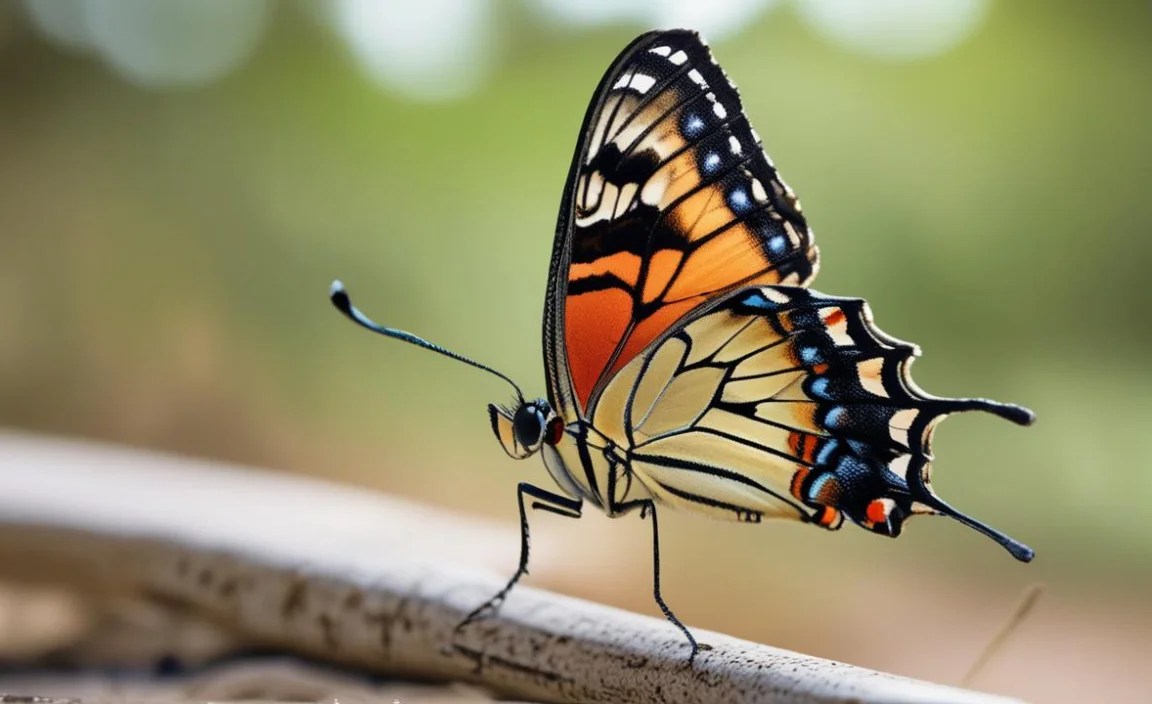
Host plants are essential for butterfly reproduction because they provide food for caterpillars. Each butterfly species has specific host plants. Here’s how to choose the right ones:
- Match Host Plants to Local Butterflies: Research which butterfly species you want to attract and identify their host plants.
- Plant Plenty: Caterpillars can eat a lot! Plant enough host plants to support a healthy population.
- Protect Host Plants: Avoid using pesticides near host plants, as they can harm or kill caterpillars.
- Allow Caterpillars to Feed: Don’t be alarmed if caterpillars eat the leaves of your host plants. This is a natural part of the butterfly life cycle.
Here are some popular butterfly species and their host plants:
- Monarch: Milkweed (Asclepias spp.)
- Black Swallowtail: Parsley, dill, fennel, carrot tops
- Spicebush Swallowtail: Spicebush, sassafras
- Eastern Tiger Swallowtail: Wild cherry, tulip tree, birch
- Painted Lady: Thistle, mallow
Step 5: Designing Your Butterfly Reserve
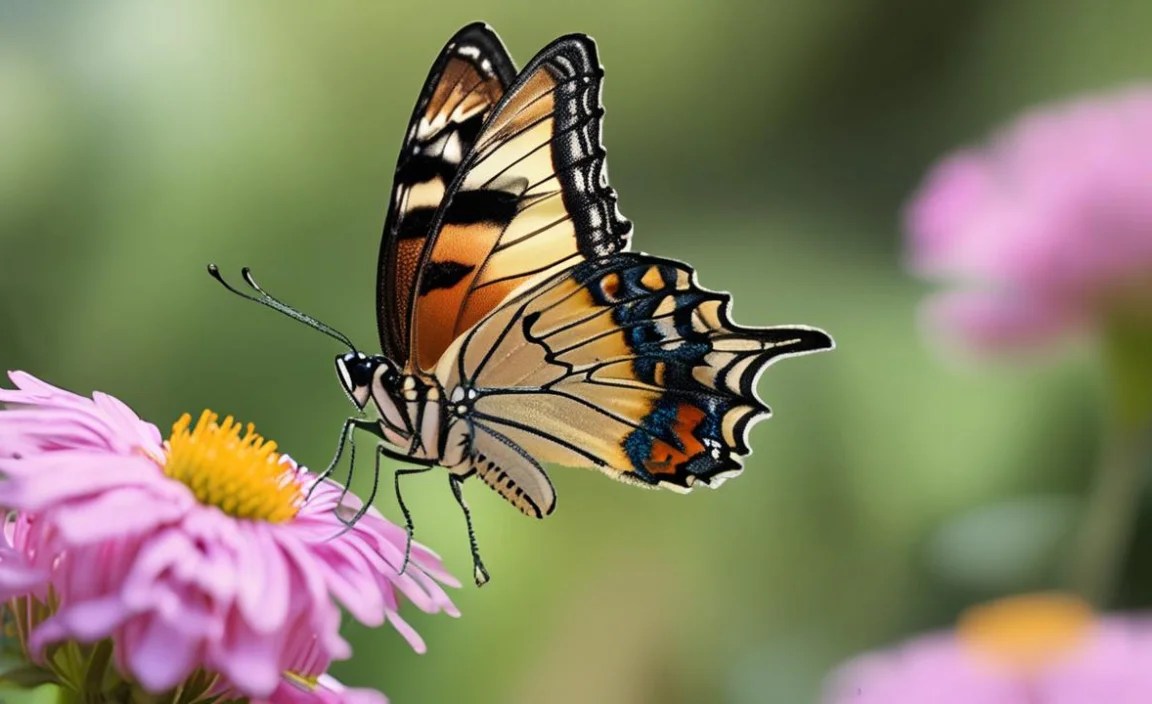
Once you have selected your nectar and host plants, it’s time to design your butterfly reserve. Consider the following elements:
- Layout: Arrange plants in a way that maximizes sunlight exposure and provides shelter from wind.
- Pathways: Create pathways through your reserve so you can easily access and observe the butterflies and plants.
- Grouping: Group plants with similar needs together to make maintenance easier.
- Aesthetics: Consider the overall appearance of your reserve and choose plants that complement each other in terms of color, texture, and form.
Here’s an example of how to layout your butterfly garden:
| Area | Plant Type | Description |
|---|---|---|
| Sunny Area | Nectar Plants | Plant butterfly bush, zinnias, and coneflowers in clusters. |
| Shady Area | Host Plants | Plant milkweed, parsley, and dill for monarch and swallowtail butterflies. |
| Windbreak | Shrubs | Plant native shrubs to provide shelter from wind. |
| Water Source | Butterfly Puddle | Create a shallow dish with water and pebbles for butterflies to drink. |
Step 6: Preparing the Soil
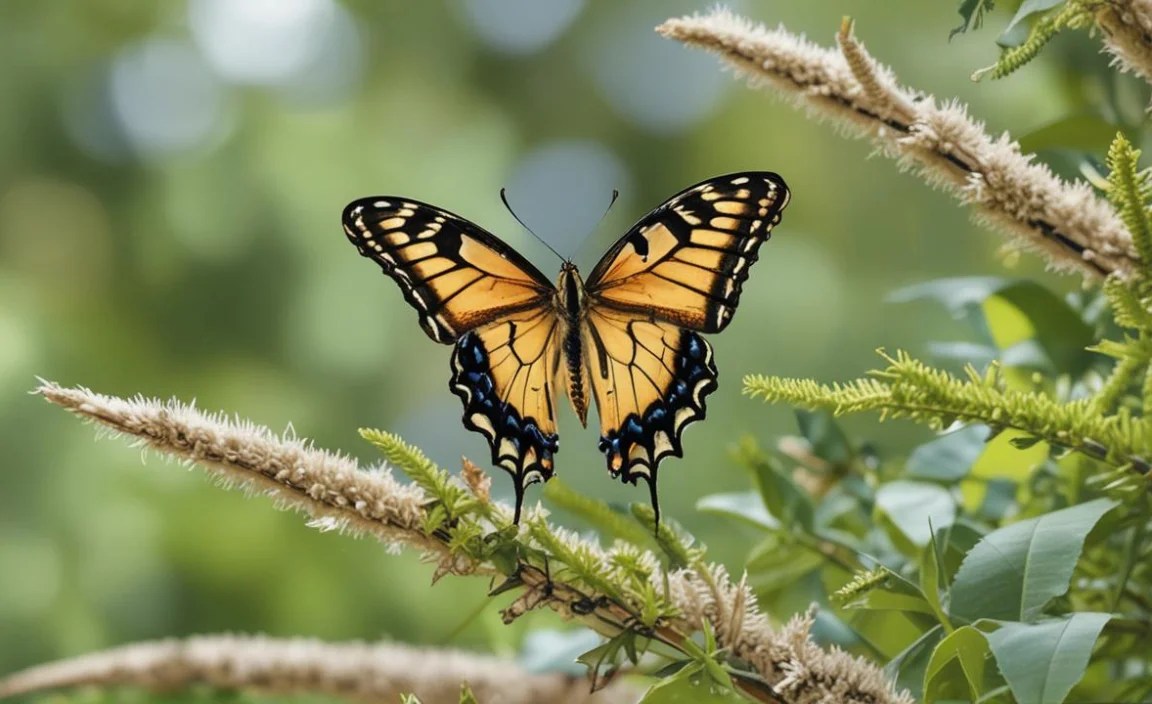
Healthy soil is essential for healthy plants. Before planting, prepare the soil by:
- Removing Weeds: Clear the area of any existing weeds and grass.
- Loosening the Soil: Use a garden fork or tiller to loosen the soil to a depth of at least 12 inches.
- Amending the Soil: Add compost or other organic matter to improve soil structure, drainage, and nutrient content.
- Testing the pH: Use a soil testing kit to check the pH of your soil and adjust it as needed. Most plants prefer a slightly acidic to neutral pH (6.0-7.0).
Step 7: Planting Your Butterfly Garden

Now it’s time to plant your nectar and host plants. Follow these tips for successful planting:
- Timing: Plant in the spring or fall when the weather is mild.
- Spacing: Follow the recommended spacing guidelines for each plant to ensure they have enough room to grow.
- Watering: Water plants thoroughly after planting to help them establish their roots.
- Mulching: Apply a layer of mulch around plants to help retain moisture, suppress weeds, and regulate soil temperature.
Step 8: Providing Water and Shelter

In addition to food, butterflies need water and shelter to thrive. Here’s how to provide these essential resources:
- Butterfly Puddles: Create shallow puddles with wet sand or mud for butterflies to drink from. Add some rocks or pebbles for them to land on.
- Shelter: Plant shrubs and trees to provide shelter from wind and predators.
- Roosting Spots: Butterflies often roost on tall grasses or twigs at night. Leave some of these natural elements in your reserve.
Step 9: Managing Pests and Diseases
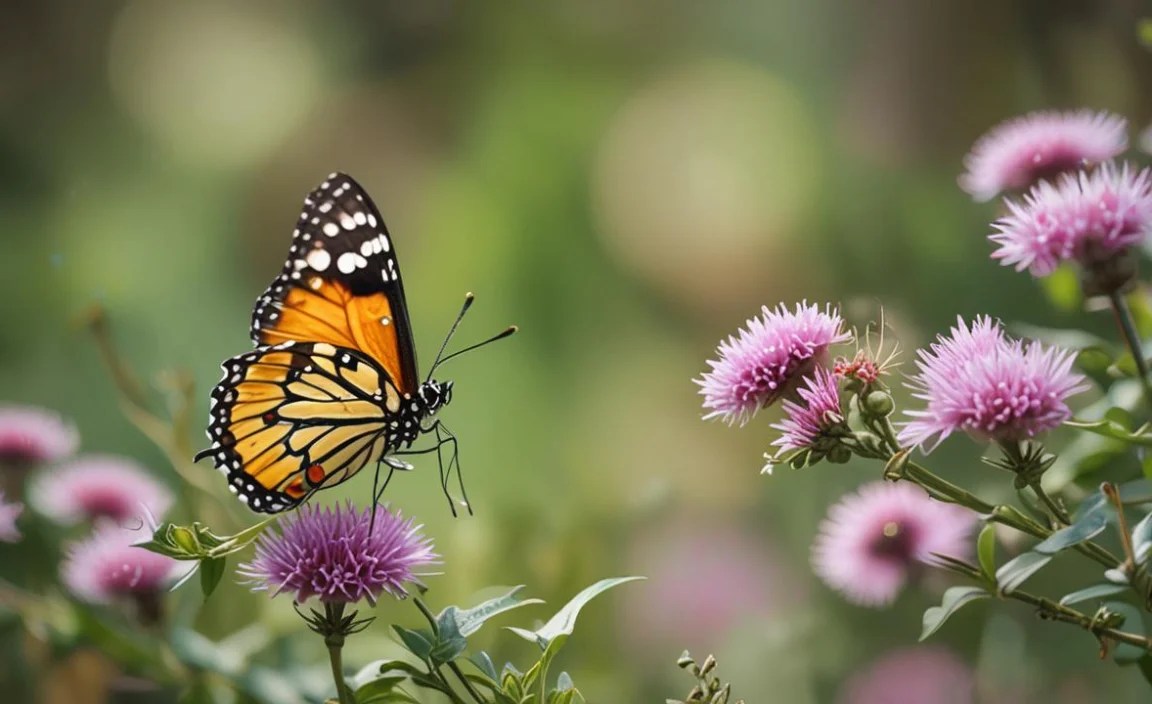
While you want to attract butterflies, you also need to manage pests and diseases that can harm your plants. Here are some tips for managing pests and diseases in your butterfly reserve:
- Integrated Pest Management (IPM): Use IPM techniques to control pests and diseases in a way that minimizes harm to beneficial insects.
- Handpicking: Remove pests like caterpillars and aphids by hand.
- Insecticidal Soap: Use insecticidal soap to control aphids and other soft-bodied pests.
- Neem Oil: Apply neem oil to control fungal diseases and certain insect pests.
- Avoid Broad-Spectrum Pesticides: Broad-spectrum pesticides can kill beneficial insects, including butterflies and their caterpillars. Avoid using these products in your butterfly reserve.
Step 10: Maintaining Your Butterfly Reserve
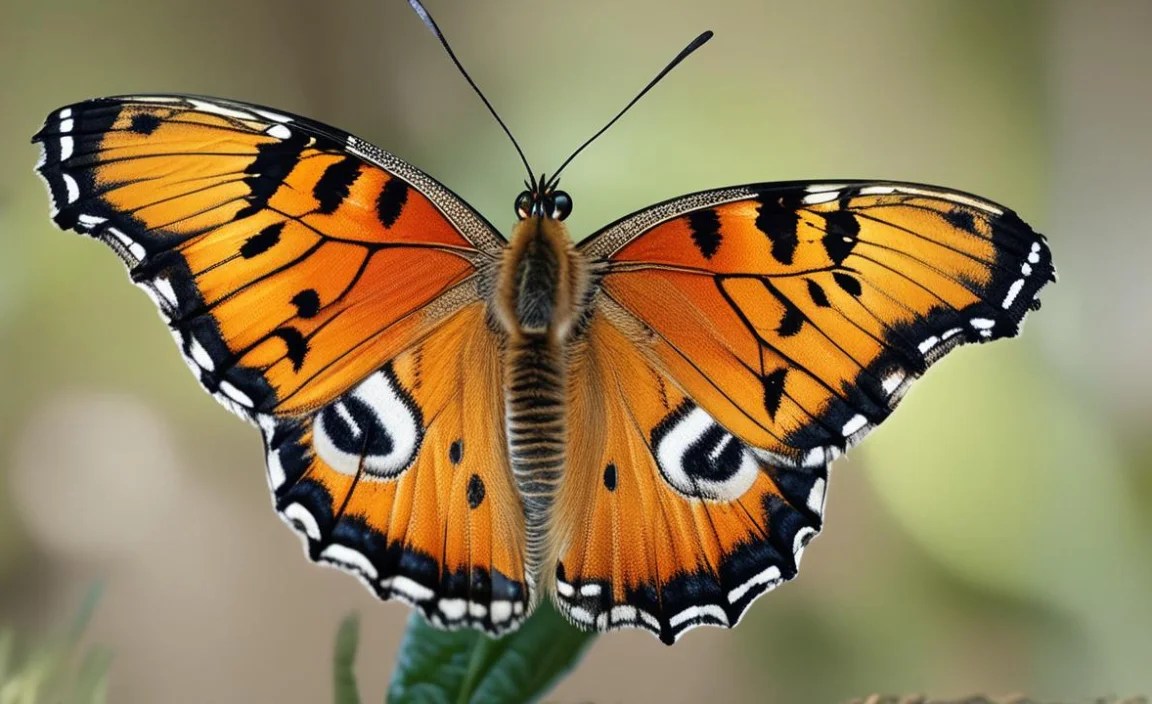
Regular maintenance is essential for keeping your butterfly reserve healthy and thriving. Here are some maintenance tasks to perform:
- Watering: Water plants regularly, especially during dry periods.
- Weeding: Remove weeds regularly to prevent them from competing with your plants.
- Deadheading: Remove spent flowers to encourage more blooms.
- Pruning: Prune plants as needed to maintain their shape and size.
- Fertilizing: Fertilize plants as needed to provide them with the nutrients they need to grow. Use a balanced fertilizer or compost tea.
- Monitoring: Regularly monitor your reserve for signs of pests, diseases, and other problems.
Here’s a maintenance schedule to help you stay on track:
| Task | Frequency | Description |
|---|---|---|
| Watering | As needed | Water plants when the soil is dry to the touch. |
| Weeding | Weekly | Remove weeds before they go to seed. |
| Deadheading | Weekly | Remove spent flowers to encourage more blooms. |
| Pruning | As needed | Prune plants to maintain their shape and size. |
| Fertilizing | Monthly | Fertilize plants with a balanced fertilizer or compost tea. |
| Monitoring | Weekly | Check plants for signs of pests, diseases, and other problems. |
Step 11: Observing and Enjoying Your Butterfly Reserve

The best part of creating a butterfly reserve is observing and enjoying the beautiful butterflies that visit your garden. Take time to sit and watch the butterflies as they flit from flower to flower. Observe their behavior and learn about their life cycle. Share your butterfly reserve with friends and family and inspire others to create their own butterfly habitats.
Advanced Techniques for Enhancing Your Butterfly Reserve
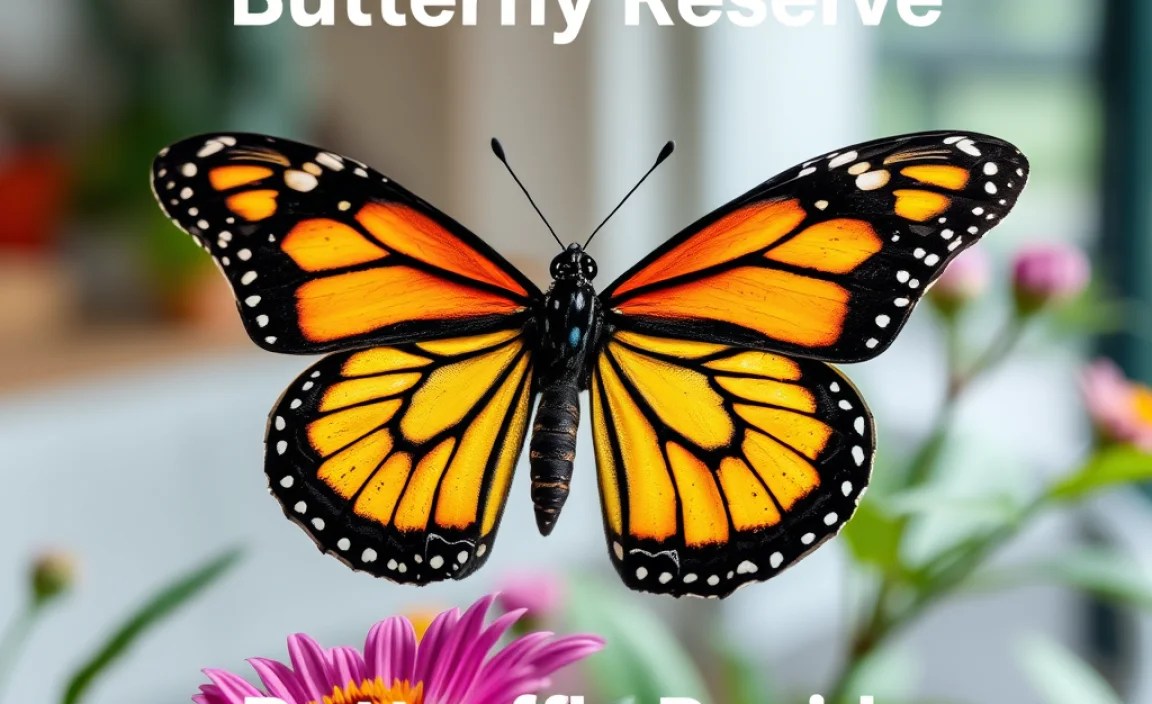
Creating a Butterfly House
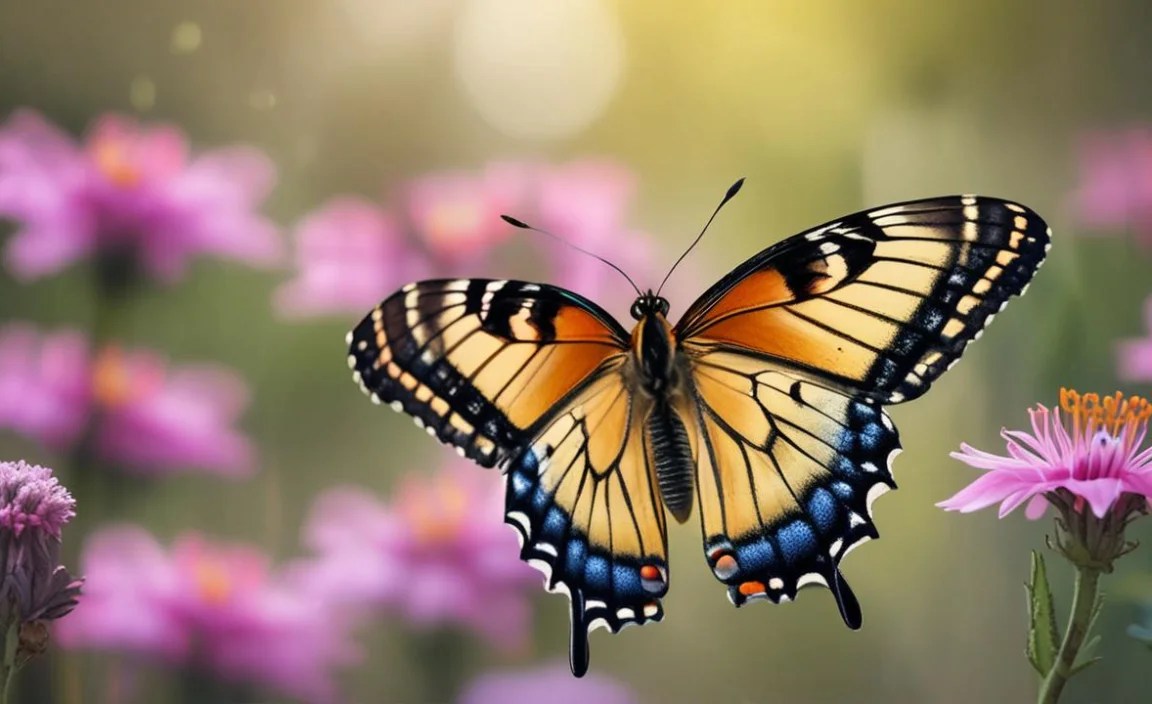
A butterfly house provides shelter and protection for butterflies, especially during bad weather. You can purchase a butterfly house or build your own using wood or other materials. Place the butterfly house in a sheltered location with partial shade.
Providing Overwintering Habitat
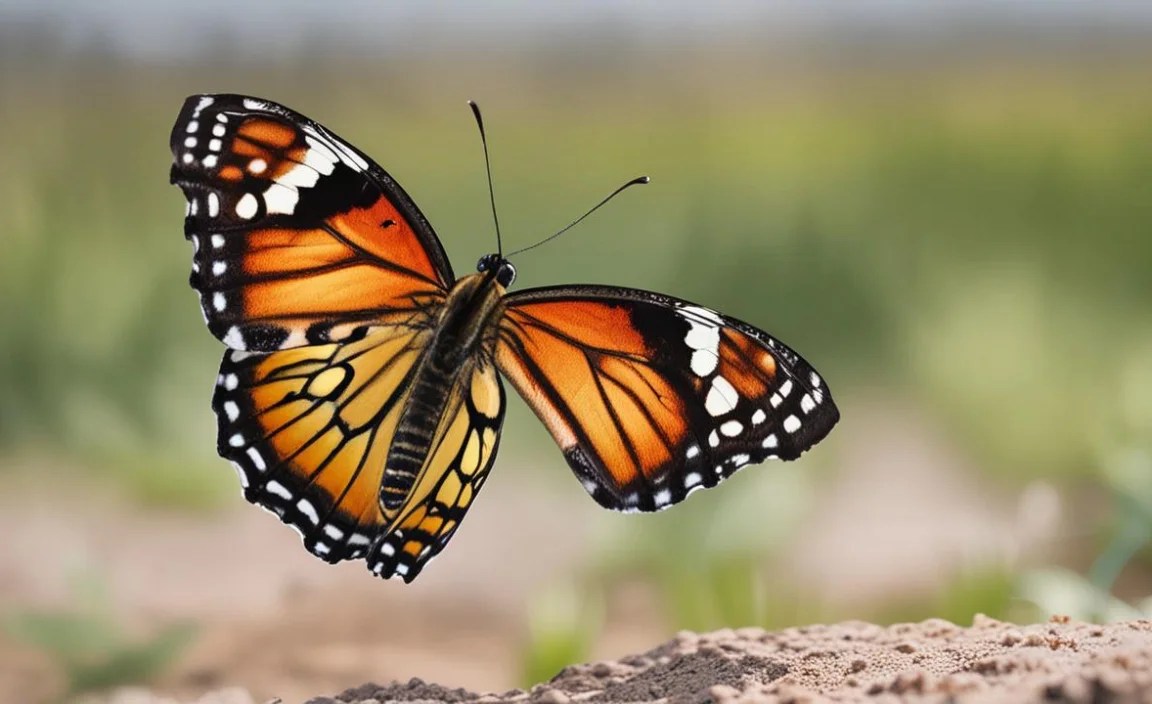
Some butterflies overwinter as adults, while others overwinter as pupae or larvae. Provide overwintering habitat by leaving leaf litter and dead plant material in your reserve. This will provide shelter for overwintering butterflies and other beneficial insects.
Raising Butterflies
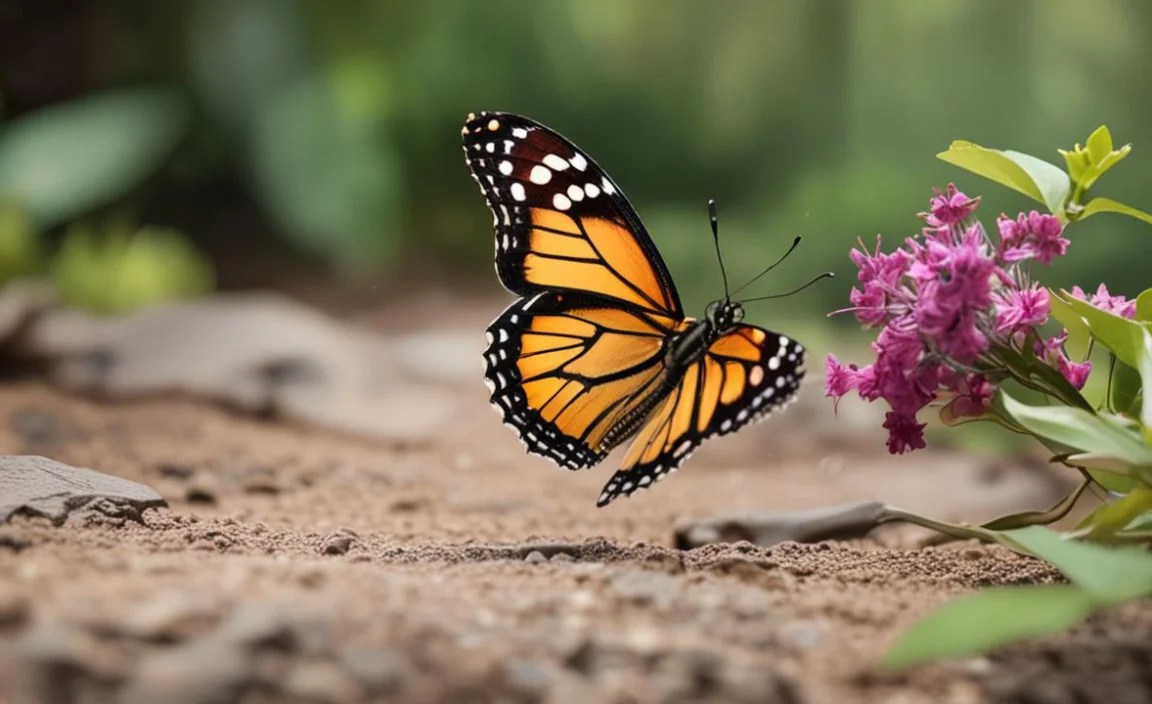
Raising butterflies can be a rewarding experience and a great way to learn about their life cycle. Collect eggs or caterpillars from your host plants and raise them in a safe enclosure until they emerge as butterflies. Release the butterflies back into your reserve.
Note: Be sure to check local regulations regarding the collection and raising of butterflies, as some species may be protected.
The Xerces Society offers detailed guides on responsible butterfly gardening and conservation practices.
Attracting Specific Butterfly Species
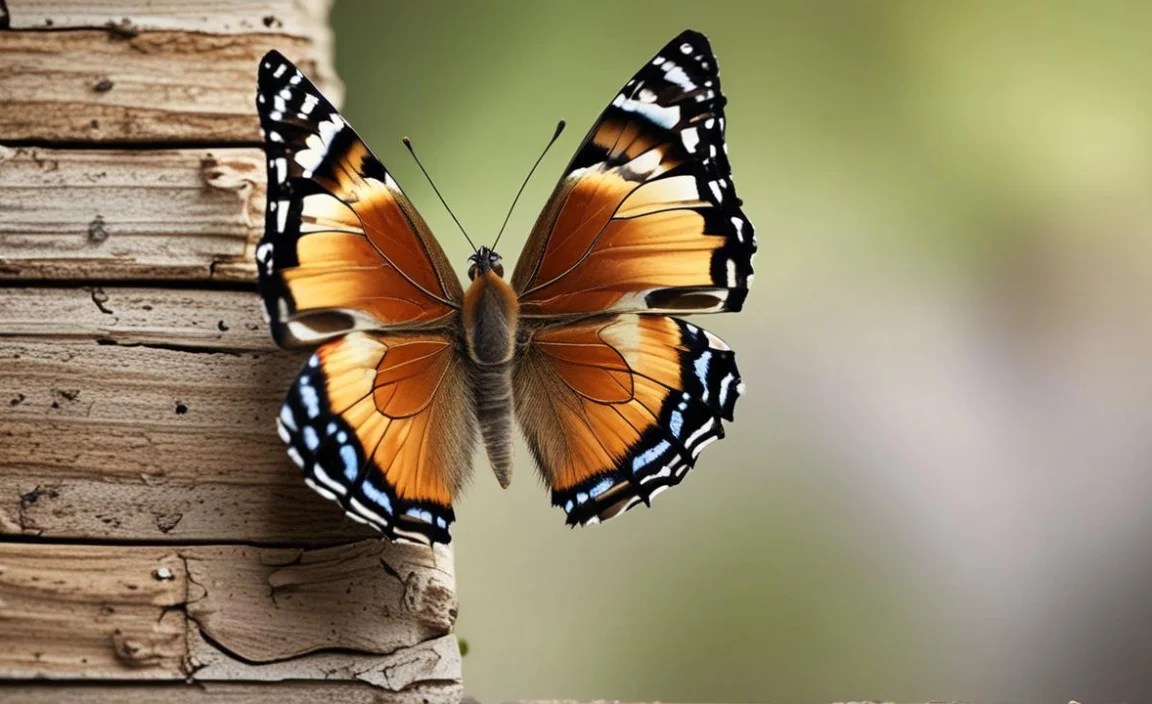
If you want to attract specific butterfly species, research their specific needs and provide the appropriate host and nectar plants. For example, if you want to attract monarch butterflies, plant plenty of milkweed.
Conclusion
Creating a butterfly reserve is a rewarding and impactful way to support these beautiful and essential creatures. By carefully planning your reserve, selecting the right plants, providing water and shelter, and managing pests and diseases, you can create a thriving habitat for butterflies. Remember, every effort, no matter how small, contributes to butterfly conservation. So, get started today and transform your space into a butterfly paradise. Happy gardening!


