
Butterflies of Chittagong Hill Tracts: A Colorful Guide

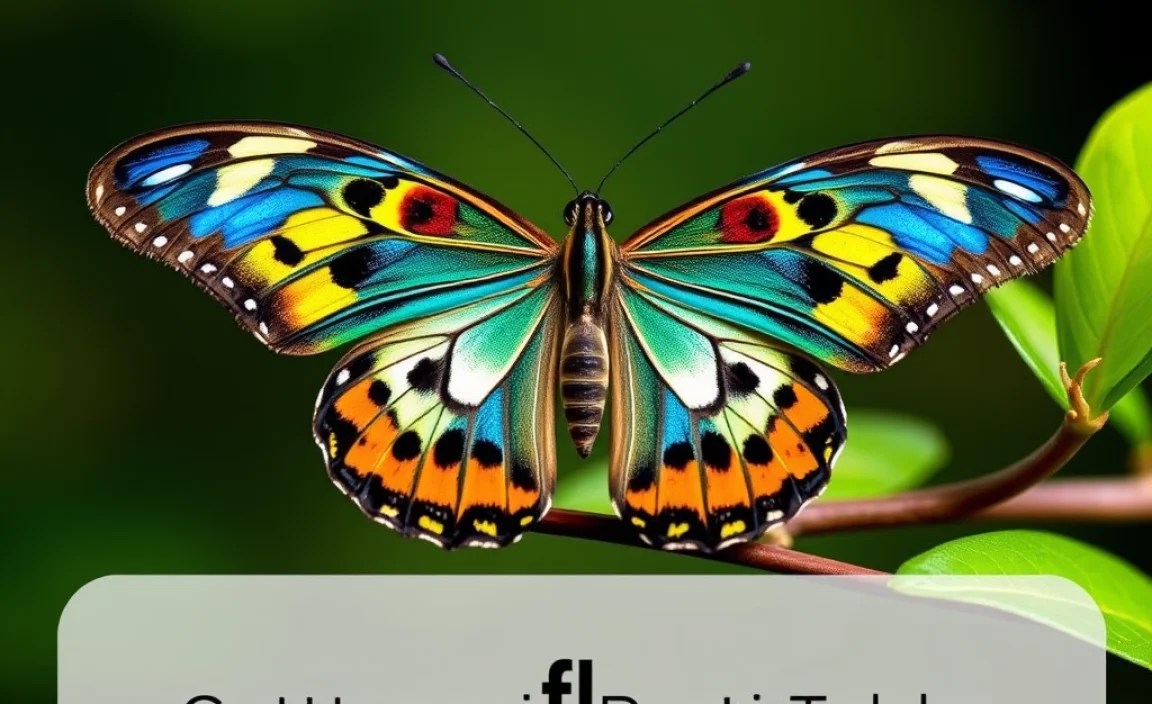
The Chittagong Hill Tracts region of Bangladesh is a biodiversity hotspot, home to a dazzling array of butterflies. Identifying these butterflies involves observing key features like size, color, wing patterns, and habitat. With careful observation and a good field guide, you can unlock the secrets of these beautiful insects.
Have you ever been captivated by the fluttering dance of butterflies, especially in a place as lush and vibrant as the Chittagong Hill Tracts? It’s a region teeming with life, and its butterflies are among the most stunning jewels. But identifying them can feel overwhelming, like trying to learn a new language. Don’t worry! This guide will break down the process into simple, manageable steps. We’ll explore the key characteristics to look for, helpful resources, and even some fascinating facts about these winged wonders. Get ready to transform from a curious observer into a confident butterfly identifier!
Frequently Asked Questions About Chittagong Hill Tracts Butterflies
Here are some common questions people have about butterflies in the Chittagong Hill Tracts:
What makes the Chittagong Hill Tracts a good place for butterflies?
The region’s diverse habitats, including forests, hills, and rivers, create a perfect environment for a wide variety of butterfly species. The warm, humid climate and abundant plant life provide food and shelter for butterflies in all stages of their life cycle.
How many different kinds of butterflies live there?
The exact number varies, but experts estimate that there are hundreds of different butterfly species in the Chittagong Hill Tracts. It’s one of the most butterfly-rich areas in Bangladesh!
What’s the best time of year to see butterflies in the Chittagong Hill Tracts?
The dry season, from late autumn to early spring (October to March), is generally the best time. During this period, the weather is pleasant, and many butterfly species are actively flying and breeding.
Are any of the butterflies in the Chittagong Hill Tracts endangered?
Yes, some butterfly species in the region are threatened due to habitat loss, deforestation, and climate change. Conservation efforts are crucial to protect these vulnerable insects.
Can I attract butterflies to my garden in the Chittagong Hill Tracts?
Absolutely! Planting native flowering plants that provide nectar for adult butterflies and host plants for caterpillars can create a butterfly-friendly garden. Avoid using pesticides, which can harm butterflies and other beneficial insects.
What should I do if I find an injured butterfly?
If you find an injured butterfly, you can try to help it by gently placing it on a flower with nectar or offering it a sugar-water solution (mix one part sugar with four parts water). If the butterfly is severely injured, it may be best to leave it to nature.
Where can I find more information about the butterflies of the Chittagong Hill Tracts?
You can consult field guides, online databases, and local butterfly experts. Organizations dedicated to butterfly conservation can also provide valuable information and resources.
Step-by-Step Guide to Identifying Butterflies in the Chittagong Hill Tracts

Identifying butterflies can seem daunting at first, but with a systematic approach, you can learn to distinguish between different species. Here’s a step-by-step guide to help you on your butterfly-identifying journey:
Step 1: Observe the Butterfly’s Size and Shape
Butterflies come in a wide range of sizes, from tiny skippers to large swallowtails. Pay attention to the overall size of the butterfly, as well as the shape of its wings. Are the wings rounded or angular? Are they long and narrow, or short and broad?
- Small Butterflies: Often skippers or smaller blues and coppers.
- Medium-Sized Butterflies: Many brush-footed butterflies fall into this category.
- Large Butterflies: Swallowtails and some nymphalids are among the largest butterflies.
Step 2: Note the Wing Colors and Patterns
The colors and patterns on a butterfly’s wings are often the most distinctive features. Take careful note of the colors present, as well as the arrangement of spots, stripes, and other markings. Are the colors bright and vibrant, or muted and subdued? Are the patterns symmetrical or asymmetrical?
- Color Combinations: Look for combinations like black and yellow (common in swallowtails), orange and brown (often seen in monarchs and related species), or blue and black (typical of many blue butterflies).
- Spot and Stripe Patterns: Note the size, shape, and arrangement of spots and stripes. Are they arranged in rows, scattered randomly, or concentrated in certain areas of the wing?
Step 3: Examine the Underside of the Wings
The underside of a butterfly’s wings can often be quite different from the upperside. In some cases, the underside may have more intricate patterns or different colors. Be sure to get a good look at both sides of the wings if possible.
- Camouflage Patterns: The undersides of wings often feature camouflage patterns that help the butterfly blend in with its surroundings when at rest.
- Eyespots: Some butterflies have eyespots on the undersides of their wings, which can startle predators and give the butterfly a chance to escape.
Step 4: Consider the Butterfly’s Behavior and Habitat
A butterfly’s behavior and habitat can also provide clues to its identity. Where did you see the butterfly? Was it feeding on a particular type of flower? Was it flying in a sunny open area or in a shady forest? Some butterflies are very specific about their habitat and food sources.
- Feeding Preferences: Some butterflies prefer nectar from certain types of flowers. Others feed on tree sap or even rotting fruit.
- Habitat Preferences: Some butterflies are found only in forests, while others prefer open meadows or wetlands.
Step 5: Use a Field Guide or Online Resource
A good field guide or online resource is essential for identifying butterflies. Look for resources that are specific to the Chittagong Hill Tracts region or to Bangladesh in general. These resources will typically include photographs or illustrations of different butterfly species, along with descriptions of their key characteristics.
Some excellent resources include:
- Project Noah: A citizen science platform where you can submit photos and get help identifying species.
- iNaturalist: Another great platform for identifying plants and animals, including butterflies.
- Local butterfly clubs and organizations: These groups often offer field trips and workshops to help people learn about butterflies.
Step 6: Compare Your Observations to the Field Guide
Once you have gathered as much information as possible about the butterfly, compare your observations to the descriptions and images in your field guide or online resource. Pay close attention to the key characteristics that distinguish different species. If you’re unsure of the identification, try comparing your photos to images online or consulting with a local butterfly expert.
Step 7: Practice and Patience
Identifying butterflies takes practice and patience. Don’t get discouraged if you can’t identify every butterfly you see right away. The more you observe butterflies and use your field guide, the better you will become at identifying them. Consider keeping a butterfly journal to record your observations and track your progress.
Common Butterfly Families of the Chittagong Hill Tracts

To further aid in your identification efforts, it’s helpful to understand the major butterfly families found in the Chittagong Hill Tracts. Here’s a brief overview of some of the most common families:
Nymphalidae (Brush-footed Butterflies)
This is one of the largest butterfly families, and it includes many familiar species such as monarchs, admirals, and fritillaries. Brush-footed butterflies are characterized by their reduced forelegs, which they use for tasting rather than walking. They often have bright colors and intricate patterns.
Papilionidae (Swallowtail Butterflies)
Swallowtails are among the largest and most striking butterflies. They are named for the elongated tails on their hindwings, which resemble the tails of swallows. Swallowtails are typically brightly colored, with black, yellow, and orange being common colors.
Pieridae (Whites and Yellows)
As their name suggests, whites and yellows are typically white or yellow in color. They are often found in open areas, such as meadows and fields. Some species are migratory.
Lycaenidae (Blues, Coppers, and Hairstreaks)
This is a diverse family of small butterflies. Blues are typically blue in color, while coppers are orange or copper-colored. Hairstreaks are named for the thin, hair-like lines on their wings.
Hesperiidae (Skippers)
Skippers are small, fast-flying butterflies with relatively thick bodies. They are named for their rapid, skipping flight. Skippers often have hooked antennae and relatively small wings compared to their body size.
Butterfly Identification Table: Key Features to Look For
This table summarizes the key features to look for when identifying butterflies in the Chittagong Hill Tracts:
| Feature | Description | Examples |
|---|---|---|
| Size | Overall size of the butterfly (small, medium, large) | Small: Skipper; Medium: Brush-footed butterfly; Large: Swallowtail |
| Wing Shape | Shape of the wings (rounded, angular, long, narrow) | Rounded: Some blues; Angular: Some swallowtails; Long and narrow: Some skippers |
| Upperside Color and Pattern | Colors and patterns on the upper surface of the wings | Black and yellow stripes, orange and brown spots, blue and black markings |
| Underside Color and Pattern | Colors and patterns on the underside of the wings | Camouflage patterns, eyespots, intricate markings |
| Habitat | Type of habitat where the butterfly is found (forest, meadow, wetland) | Forest: Some nymphalids; Meadow: Some pierids; Wetland: Some lycaenids |
| Behavior | Behavior of the butterfly (feeding on specific flowers, flying pattern) | Feeding on specific flowers, rapid skipping flight, territorial behavior |
Butterfly Conservation in the Chittagong Hill Tracts

The butterflies of the Chittagong Hill Tracts are facing a number of threats, including habitat loss, deforestation, and climate change. It’s crucial to take action to protect these beautiful and important insects. Here are some ways you can help:
- Support Conservation Organizations: There are many organizations working to protect butterflies and their habitats. Consider donating to these organizations or volunteering your time.
- Create Butterfly-Friendly Habitats: Plant native flowering plants that provide nectar for adult butterflies and host plants for caterpillars. Avoid using pesticides, which can harm butterflies and other beneficial insects.
- Educate Others: Spread the word about the importance of butterfly conservation. Talk to your friends, family, and neighbors about the threats facing butterflies and what they can do to help.
- Practice Sustainable Tourism: When visiting the Chittagong Hill Tracts, choose eco-friendly tour operators and accommodations. Support local businesses that are committed to conservation.
- Advocate for Policy Changes: Encourage your elected officials to support policies that protect butterfly habitats and promote sustainable land use practices.
Specific Butterfly Species to Look Out For

While the Chittagong Hill Tracts are home to a vast array of butterfly species, here are a few particularly interesting and beautiful ones to keep an eye out for:
Common Birdwing (Troides helena)
This large and striking butterfly is one of the largest butterflies in Bangladesh. The male has velvety black forewings and golden yellow hindwings, while the female is darker with more extensive black markings. The Common Birdwing is a protected species in Bangladesh.
Great Mormon (Papilio memnon)
The Great Mormon is a large swallowtail butterfly with several different female forms, some of which mimic poisonous butterflies to avoid predation. The male is black with white markings, while the females can be black with white markings, black with red markings, or brown with yellow markings.
Common Rose (Pachliopta aristolochiae)
The Common Rose is a beautiful butterfly with black wings and bright red spots. It is a common butterfly in gardens and forests throughout the region. The caterpillars feed on poisonous plants, making the butterfly unpalatable to predators.
Chocolate Soldier (Junonia iphita)
The Chocolate Soldier is a medium-sized butterfly with brown wings and distinctive eyespots. It is a common butterfly in forests and woodlands. The caterpillars feed on a variety of plants, including grasses and herbs.
Lime Butterfly (Papilio demoleus)
The Lime Butterfly is a common butterfly with black and yellow markings. It is often found in gardens and citrus orchards, as its caterpillars feed on lime and other citrus trees. While considered a pest in some areas due to its feeding habits, it’s still a beautiful and fascinating butterfly.
Building a Butterfly Garden in the Chittagong Hill Tracts
Creating a butterfly garden is a fantastic way to attract these beautiful insects to your backyard and contribute to their conservation. Here’s how to build a butterfly-friendly garden in the Chittagong Hill Tracts:
- Choose a Sunny Location: Butterflies need sunlight to warm their bodies and fuel their flight. Select a location that receives at least six hours of sunlight per day.
- Plant Nectar-Rich Flowers: Nectar is the primary food source for adult butterflies. Plant a variety of native flowering plants that provide nectar throughout the butterfly season. Some good choices include:
- Marigolds
- Zinnias
- Lantana
- Pentas
- Cosmos
- Provide Host Plants for Caterpillars: Caterpillars need specific plants to feed on. Research which butterfly species are common in your area and plant the host plants that their caterpillars require. Some examples include:
- Citrus trees for Lime Butterflies
- Aristolochia vines for Common Roses
- Milkweed for Monarchs (if applicable)
- Offer a Water Source: Butterflies need water to drink. Provide a shallow dish of water with pebbles or stones for them to land on.
- Avoid Pesticides: Pesticides can harm butterflies and other beneficial insects. Avoid using pesticides in your garden.
- Provide Shelter: Butterflies need shelter from wind and rain. Plant shrubs and trees to provide them with a place to rest and hide.
The Cultural Significance of Butterflies
Butterflies have held cultural significance in many societies throughout history. They are often seen as symbols of transformation, rebirth, and hope. In some cultures, butterflies are believed to be the souls of the dead. In others, they are seen as messengers from the spirit world.
In art and literature, butterflies are often used to represent beauty, fragility, and the fleeting nature of life. They can also symbolize freedom, joy, and the power of metamorphosis. Whether you view them as symbols of spiritual transformation or simply as beautiful creatures, butterflies have a special place in our hearts and minds.
Conclusion
Exploring the butterflies of the Chittagong Hill Tracts is a journey into a world of vibrant colors, intricate patterns, and fascinating ecological interactions. By learning to identify these butterflies, you not only gain a deeper appreciation for the natural world but also contribute to their conservation. Remember to observe carefully, consult your field guides, and practice patience. With each butterfly you identify, you’ll unlock a new secret of this remarkable region. So, grab your binoculars, head out into the field, and prepare to be amazed by the beauty and diversity of the butterflies of the Chittagong Hill Tracts. Happy butterflying!


