
Glasswing Butterfly Fact Sheet: FREE Amazing Facts

The Glasswing butterfly (Greta oto) is famous for its transparent wings, which help it camouflage in rainforests from Central to South America. These delicate butterflies feed on nectar and have a unique adaptation to store toxins from plants, making them unpalatable to predators. Glasswings play a vital role in their ecosystems as pollinators and are a joy to observe!
Have you ever dreamt of seeing a butterfly with wings so clear, it seems to disappear before your eyes? The Glasswing butterfly, with its magical transparent wings, is a true wonder of nature. But where do these enchanting creatures live, what do they eat, and how do they stay safe from predators? Learning about the Glasswing butterfly opens a window into the amazing world of insect adaptations and the delicate balance of rainforest ecosystems.
In this article, we’ll explore everything you need to know about the Glasswing butterfly, from its unique appearance and behavior to its vital role in the environment. Get ready to discover the secrets behind those see-through wings!
What Makes the Glasswing Butterfly Special?

The Glasswing butterfly (Greta oto) is a member of the nymphalid butterfly family. Native to Central and South America, it is best known for its distinctive transparent wings. Unlike most butterflies, the tissue between the veins of its wings lacks the colored scales that typically give butterflies their vibrant hues.
Appearance
The most striking feature of the Glasswing butterfly is, of course, its transparent wings. The wings are framed by a dark brown or black border, sometimes tinged with red or orange. This border adds contrast, making the transparent sections even more noticeable. The butterfly’s body is also typically dark brown, which further enhances the visual effect of its clear wings.
- Wingspan: Typically ranges from 5.6 to 6.1 cm (2.2 to 2.4 inches).
- Wing Structure: The transparency is due to the lack of colored scales in certain sections of the wing. The surface is also structured in a way that minimizes reflection of light.
- Body Color: Usually dark brown to black.
Habitat and Distribution
Glasswing butterflies are primarily found in the rainforests of Central and South America. Their range extends from Mexico to Panama and as far south as Argentina. They thrive in humid, tropical environments where their host plants are abundant.
- Geographic Range: Mexico to Argentina.
- Preferred Habitat: Humid tropical rainforests.
- Altitude: Typically found at elevations from sea level up to around 1,200 meters (3,900 feet).
Life Cycle
The life cycle of the Glasswing butterfly, like all butterflies, includes four stages: egg, larva (caterpillar), pupa (chrysalis), and adult.
- Egg: The eggs are small, greenish, and typically laid on the host plants, which are usually plants in the genus Cestrum.
- Larva (Caterpillar): The caterpillars are translucent with red stripes and bristles. They feed on the leaves of their host plants, accumulating toxins that make them unpalatable to predators.
- Pupa (Chrysalis): The pupa is silvery and reflective, resembling a drop of water or a piece of glass, providing camouflage.
- Adult: The adult butterfly emerges from the pupa, ready to reproduce and continue the cycle.
Detailed Look at Each Life Stage

Understanding each stage of the Glasswing butterfly’s life cycle provides insights into its unique adaptations and ecological role.
Egg Stage
The Glasswing butterfly’s life begins as a tiny egg, carefully laid on specific host plants. These plants are crucial because they will serve as the primary food source for the emerging caterpillars.
- Appearance: Small and greenish.
- Location: Laid on host plants, typically of the genus Cestrum.
- Duration: Eggs usually hatch within a few days.
Larva (Caterpillar) Stage
Once the egg hatches, the larva, or caterpillar, emerges. This stage is all about growth and preparation for the next phase of the life cycle.
- Appearance: Translucent with red stripes and bristles.
- Diet: Feeds on the leaves of Cestrum plants.
- Defense Mechanism: Accumulates toxins from the host plants, making them distasteful to predators.
- Molting: The caterpillar molts several times as it grows, shedding its skin to accommodate its increasing size.
Pupa (Chrysalis) Stage
After the larva has grown sufficiently, it enters the pupa stage, transforming inside a chrysalis. This is a period of significant change, as the caterpillar’s body reorganizes into the adult butterfly form.
- Appearance: Silvery and reflective, resembling a drop of water or glass.
- Camouflage: The reflective surface helps it blend in with its surroundings, protecting it from predators.
- Duration: This stage can last from a few days to a couple of weeks, depending on environmental conditions.
Adult Stage
The final stage is the emergence of the adult butterfly. The adult’s primary functions are reproduction and dispersal.
- Wings: Transparent with dark borders.
- Diet: Feeds on nectar from various flowers.
- Lifespan: Adult Glasswing butterflies typically live for several weeks to a few months.
- Reproduction: Mating occurs, and females lay eggs on host plants, continuing the life cycle.
Why Are the Wings Transparent?
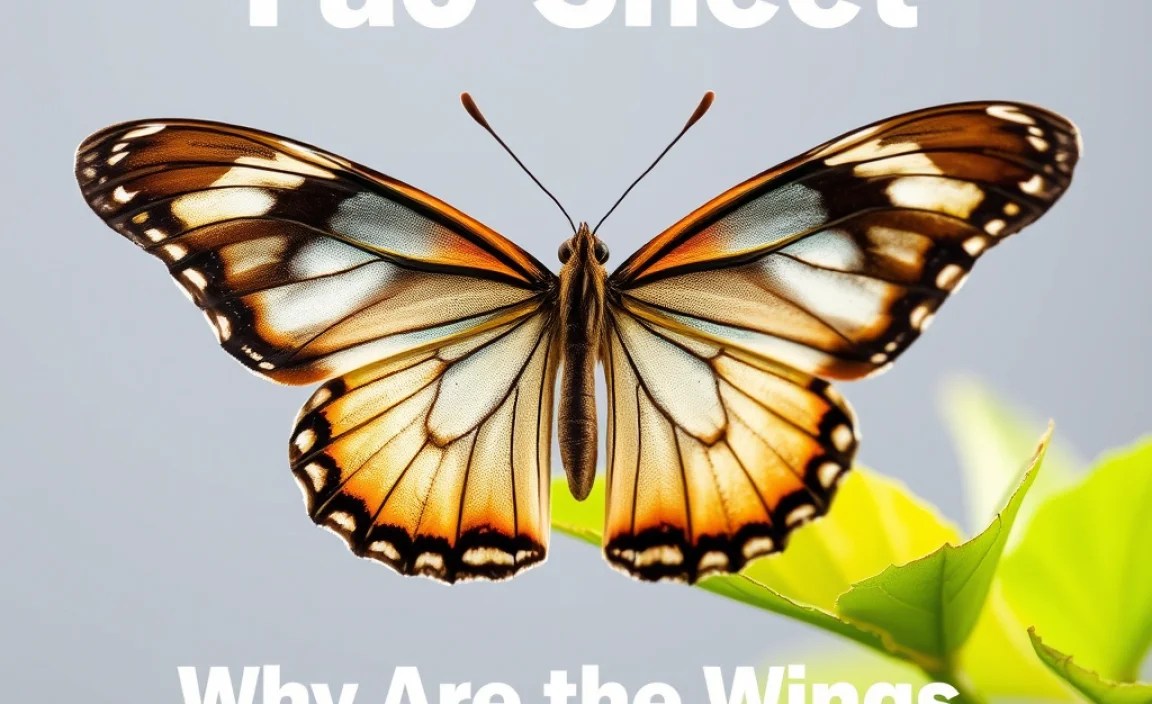
The transparency of the Glasswing butterfly’s wings is a fascinating adaptation that serves multiple purposes. Unlike most butterflies, the wings of Greta oto lack the dense covering of colorful scales that obscure the wing membrane. Instead, they have a sparse arrangement of nanostructures that minimize light reflection.
- Camouflage: The transparent wings allow the butterfly to blend seamlessly into its environment, making it difficult for predators to spot.
- Reduced Reflection: The nanostructures on the wing surface help to reduce glare, further enhancing the camouflage effect.
- Thermoregulation: While not the primary reason, the lack of scales may also play a minor role in regulating the butterfly’s body temperature.
Research published in the journal *Nature Communications* has shown that the unique nanostructures on the wings of Glasswing butterflies are responsible for their transparency. These structures reduce light reflection to as little as 2%, making the wings nearly invisible. [^1^]
Diet and Feeding Habits
The diet of the Glasswing butterfly varies between its larval and adult stages. Caterpillars primarily feed on the leaves of Cestrum plants, while adult butterflies consume nectar from a variety of flowering plants.
Larval Diet
- Primary Food Source: Leaves of plants in the genus Cestrum.
- Toxin Accumulation: Caterpillars ingest and store toxins from these plants, which protect them from predators.
Adult Diet
- Primary Food Source: Nectar from flowers.
- Variety: Adults feed on a wide range of flowering plants, contributing to pollination.
- Nutrient Acquisition: Nectar provides essential sugars for energy and flight.
Here’s a table summarizing the dietary habits of Glasswing butterflies at different life stages:
| Life Stage | Primary Food Source | Additional Information |
|---|---|---|
| Larva (Caterpillar) | Cestrum plant leaves | Accumulates toxins for defense |
| Adult Butterfly | Nectar from flowers | Provides energy for flight and reproduction |
Defense Mechanisms
Glasswing butterflies have developed several defense mechanisms to protect themselves from predators. These include camouflage, toxicity, and behavior adaptations.
- Camouflage: The transparent wings make it difficult for predators to see the butterfly against its natural background.
- Toxicity: As caterpillars, they ingest toxins from their host plants, which make them unpalatable to many predators.
- Flight Patterns: Erratic and unpredictable flight patterns can help them evade predators.
A study published in the *Journal of Chemical Ecology* found that the toxins accumulated by Glasswing caterpillars, primarily alkaloids, are effective in deterring predators such as birds and lizards. [^2^]
Ecological Role
Glasswing butterflies play several important roles in their ecosystems. As pollinators, they help to facilitate the reproduction of various plant species. Additionally, they serve as a food source for other animals, such as birds and spiders.
- Pollination: While feeding on nectar, they transfer pollen from flower to flower, aiding in plant reproduction.
- Food Source: They are part of the food web, providing sustenance for predators.
- Indicator Species: Their presence and health can indicate the overall health of their rainforest habitat.
The Xerces Society emphasizes the importance of butterflies, including the Glasswing, as indicators of ecosystem health. The presence or absence of these butterflies can reflect the quality and stability of their habitat. [^3^]
Conservation Status
The Glasswing butterfly is not currently listed as endangered or threatened. However, like many rainforest species, it faces threats from habitat loss due to deforestation and agricultural expansion. Conservation efforts are essential to ensure the long-term survival of this unique butterfly.
- Habitat Loss: Deforestation for agriculture, logging, and development reduces the available habitat for Glasswing butterflies.
- Climate Change: Changes in temperature and rainfall patterns can affect the availability of host plants and nectar sources.
- Pesticide Use: The use of pesticides in agriculture can harm or kill butterflies and their larvae.
Here’s a detailed table summarizing the threats to Glasswing butterflies and potential conservation strategies:
| Threat | Description | Conservation Strategy |
|---|---|---|
| Habitat Loss | Deforestation and land conversion reduce available habitat. | Protect and restore rainforest habitats through conservation reserves and sustainable land management practices. |
| Climate Change | Changes in temperature and rainfall affect host plants and nectar sources. | Reduce carbon emissions and promote climate-resilient conservation strategies. |
| Pesticide Use | Pesticides harm or kill butterflies and larvae. | Promote organic farming practices and reduce pesticide use in agricultural areas. |
Attracting Glasswing Butterflies to Your Garden
While Glasswing butterflies are native to rainforests, you can still attract them to your garden if you live in a suitable climate or have a greenhouse. Providing the right host plants and nectar sources is key.
Host Plants
- Cestrum Species: These are the primary host plants for Glasswing caterpillars.
- Other Options: Depending on your location, other plants in the nightshade family may also be suitable.
Nectar Sources
- Tropical Flowers: Plant a variety of tropical flowers that provide nectar.
- Butterfly Gardens: Create a butterfly garden with a mix of native and non-native flowering plants.
- Avoid Pesticides: Do not use pesticides, as they can harm or kill butterflies and their larvae.
The National Wildlife Federation provides resources and tips for creating butterfly-friendly gardens, including information on selecting the right plants and avoiding harmful chemicals. [^4^]
Fun Facts About Glasswing Butterflies
Here are some interesting and fun facts about Glasswing butterflies:
- Transparency: The wings are so transparent that you can often see right through them.
- Toxin Storage: They store toxins from their host plants, making them unpalatable to predators.
- Camouflage Masters: Their transparent wings provide excellent camouflage in rainforest environments.
- Unique Nanostructures: The wings have unique nanostructures that minimize light reflection.
- Habitat: They are primarily found in the rainforests of Central and South America.
Frequently Asked Questions (FAQ)
What do Glasswing butterfly caterpillars eat?
Glasswing butterfly caterpillars primarily eat the leaves of plants in the genus Cestrum. These plants provide the necessary nutrients for the caterpillars to grow and develop.
Where do Glasswing butterflies live?
Glasswing butterflies live in the humid, tropical rainforests of Central and South America, ranging from Mexico to Argentina. They prefer areas with abundant host plants and nectar sources.
Are Glasswing butterflies endangered?
No, Glasswing butterflies are not currently listed as endangered. However, they face threats from habitat loss due to deforestation and agricultural expansion, so conservation efforts are important.
How do Glasswing butterflies protect themselves from predators?
Glasswing butterflies protect themselves through camouflage (their transparent wings make them hard to see), toxicity (they store toxins from their host plants), and erratic flight patterns that help them evade predators.
Why are the wings of Glasswing butterflies transparent?
The wings are transparent because they lack the dense covering of colored scales found on most butterflies. Instead, they have nanostructures that minimize light reflection, enhancing their camouflage.
Can I attract Glasswing butterflies to my garden?
Yes, you can attract Glasswing butterflies to your garden by planting their host plants (Cestrum species) and providing a variety of nectar-rich tropical flowers. Avoid using pesticides, as they can harm the butterflies and their larvae.
What is the lifespan of a Glasswing butterfly?
The lifespan of a Glasswing butterfly varies depending on environmental conditions and predation. Typically, adult Glasswing butterflies live for several weeks to a few months.
Conclusion
The Glasswing butterfly is a remarkable creature, perfectly adapted to its rainforest environment. From its transparent wings to its unique feeding habits and defense mechanisms, it offers a fascinating glimpse into the wonders of nature. By understanding more about these butterflies and the threats they face, we can all play a part in helping to protect them and their habitats for future generations. Whether you’re a seasoned naturalist or just starting to explore the world of butterflies, the Glasswing butterfly is sure to captivate your imagination and inspire a deeper appreciation for the natural world.
[^1^]: Siddiquei, M. N., et al. “Pillar array structures reduce reflection over the entire visible spectrum in the glasswing butterfly.” *Nature Communications* 6 (2015): 6909.
[^2^]: Nishida, R., et al. “Sequestration of dietary plant toxins in butterflies.” *Journal of Chemical Ecology* 11.6 (1985): 713-727.


