
European Butterfly Species 2025 Update: Discoveries!

Want to know about the latest changes in European butterfly populations? This update covers new species discoveries, conservation efforts, and how climate change impacts these beautiful insects. Learn about the butterflies you can spot in your garden and how to help protect them!
Butterflies are more than just pretty faces; they’re vital parts of our ecosystems. But with changing climates and shrinking habitats, keeping track of their populations is more important than ever. It can feel overwhelming to stay updated, especially with so many different species. Don’t worry! This guide breaks down the latest information on European butterfly species in 2025.
We’ll explore new findings, discuss conservation efforts, and give you practical tips to support these delicate creatures in your own backyard. Get ready to discover the fascinating world of European butterflies and how you can make a difference!
Here’s what we’ll cover:
- New butterfly species identified in Europe.
- Updated conservation status of endangered butterflies.
- Impacts of climate change on butterfly habitats.
- Tips for creating a butterfly-friendly garden.
- Ways to get involved in butterfly conservation.
What’s New in the World of European Butterflies?

As a naturalist and butterfly enthusiast, I’m always excited to share the latest discoveries. Europe’s butterfly landscape is constantly evolving, and 2025 brings some interesting updates.
Newly Identified Species
One of the most exciting developments is the identification of previously unrecognized butterfly species. While no entirely *new* species have been officially named in 2024 or early 2025, genetic research continues to refine our understanding of existing species and subspecies. This sometimes leads to the reclassification of a subspecies as a distinct species. Keep an eye on publications from organizations like the Europeana Foundation for the latest taxonomic updates.
These reclassifications are usually based on detailed genetic analysis and morphological (physical characteristic) studies. This highlights the importance of ongoing research in understanding biodiversity.
Changes in Conservation Status
The conservation status of many butterfly species is constantly being reassessed. Factors such as habitat loss, pesticide use, and climate change all play a role. The IUCN (International Union for Conservation of Nature) Red List is the most comprehensive resource for assessing the conservation status of species worldwide. You can check their website for the latest updates on European butterflies.
Threatened Species Spotlight
Several European butterfly species remain under threat. Here are a few examples:
- Apollo Butterfly (Parnassius apollo): This iconic butterfly is threatened by habitat loss and climate change.
- Large Blue (Phengaris arion): Dependent on specific ant species, the Large Blue is vulnerable to changes in land management practices.
- Duke of Burgundy (Hamearis lucina): This butterfly is declining due to habitat fragmentation and loss of its larval host plant.
The Impact of Climate Change
Climate change is significantly affecting butterfly populations across Europe. Warmer temperatures, altered rainfall patterns, and more frequent extreme weather events are all taking their toll.
- Range Shifts: Many butterfly species are shifting their ranges northward or to higher altitudes in search of suitable habitats.
- Phenological Mismatches: Changes in temperature can disrupt the timing of butterfly life cycles, leading to mismatches with their host plants or nectar sources.
- Increased Extinction Risk: Species with limited ranges or specialized habitat requirements are particularly vulnerable to extinction.
Butterfly Habitats in Europe

Europe boasts a diverse range of butterfly habitats, from alpine meadows to coastal dunes. Understanding these habitats is crucial for effective conservation.
Key Butterfly Habitats
Here are some of the most important butterfly habitats in Europe:
- Grasslands: Home to many butterfly species, grasslands are threatened by agricultural intensification and habitat loss.
- Woodlands: Woodlands provide important habitat for butterflies that rely on specific tree species or understory plants.
- Wetlands: Wetlands support a variety of butterfly species, including those that depend on aquatic plants.
- Alpine Meadows: These high-altitude habitats are home to unique butterfly species adapted to cold climates.
Habitat Conservation Efforts
Numerous organizations are working to protect and restore butterfly habitats across Europe. These efforts include:
- Habitat Restoration: Restoring degraded habitats by planting native vegetation and removing invasive species.
- Sustainable Land Management: Promoting sustainable farming practices that benefit butterflies and other wildlife.
- Protected Areas: Establishing and managing protected areas to safeguard important butterfly habitats.
Identifying Common European Butterflies
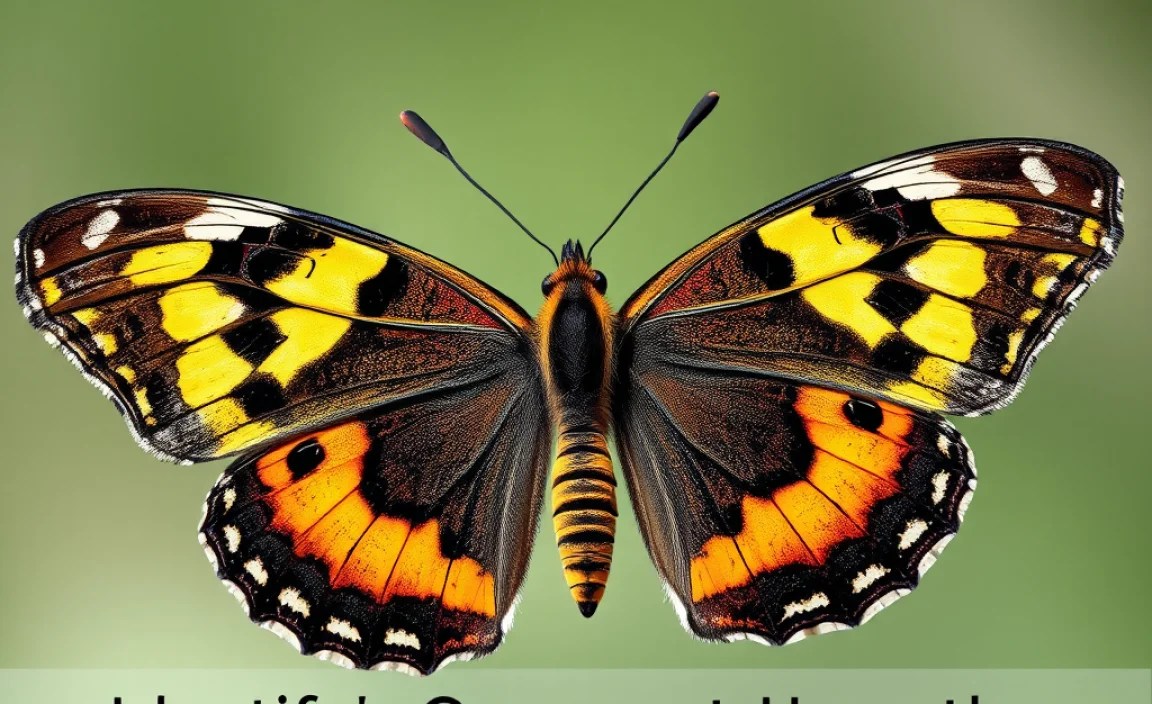
Learning to identify common butterfly species is a great way to connect with nature and appreciate the diversity of these insects. Here are a few of the most commonly observed butterflies in Europe:
Table: Common European Butterfly Species
| Species Name | Scientific Name | Appearance | Habitat | Flight Period |
|---|---|---|---|---|
| Small Tortoiseshell | Aglais urticae | Orange and black wings with blue spots | Gardens, meadows, woodlands | March-October |
| Peacock Butterfly | Aglais io | Reddish-brown wings with distinctive eyespots | Gardens, woodlands, parks | July-May (overwinters as adult) |
| Large White | Pieris brassicae | White wings with black tips | Gardens, fields, open areas | April-September |
| Small White | Pieris rapae | White wings with black spots | Gardens, fields, open areas | April-October |
| Common Blue | Polyommatus icarus | Male: Blue wings; Female: Brown wings with blue scales | Grasslands, meadows, gardens | May-September |
Tips for Butterfly Identification
Identifying butterflies can be challenging, but here are a few tips to help you get started:
- Observe Wing Patterns: Pay attention to the colors, patterns, and markings on the wings.
- Note Size and Shape: Consider the size and shape of the butterfly’s body and wings.
- Check the Habitat: Butterflies are often found in specific habitats, so note the type of environment where you see them.
- Use a Field Guide: A good field guide can be an invaluable tool for butterfly identification.
Creating a Butterfly-Friendly Garden
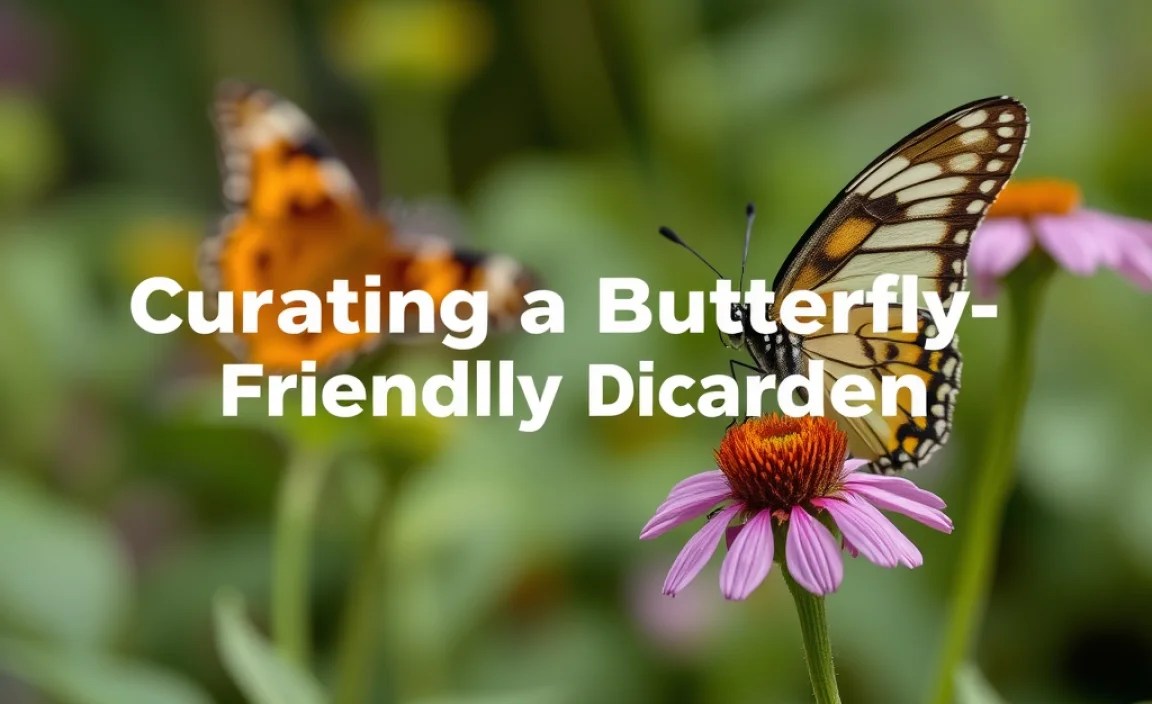
One of the best ways to help butterflies is to create a butterfly-friendly garden. By providing food, shelter, and breeding sites, you can attract these beautiful insects to your backyard.
Choosing the Right Plants
Butterflies need both nectar plants for adults and host plants for caterpillars. Here are some of the best plants for attracting butterflies:
Nectar Plants
These plants provide nectar, a sugary liquid that adult butterflies feed on:
- Buddleja (Butterfly Bush): A classic butterfly magnet with fragrant flowers.
- Lavender: Attracts butterflies and bees with its purple flowers and aromatic foliage.
- Sedum (Stonecrop): Provides late-season nectar for butterflies preparing for winter.
- Echinacea (Coneflower): A popular choice with daisy-like flowers in various colors.
- Verbena: Offers long-lasting blooms that attract a variety of butterflies.
Host Plants
These plants provide food for butterfly caterpillars:
- Nettles: The primary host plant for the Small Tortoiseshell and Peacock butterflies.
- Milkweed: Essential for Monarch butterflies (though less common in Europe).
- Thistles: Host plant for the Painted Lady butterfly.
- Cabbage Family Plants: Host plants for the Large White and Small White butterflies.
- Legumes: Host plants for various Blue butterfly species.
Providing Shelter and Water
In addition to food plants, butterflies need shelter from wind and rain. You can provide shelter by planting shrubs and trees or by creating a butterfly house. Butterflies also need water, so provide a shallow dish of water with pebbles or sand for them to land on.
Avoiding Pesticides
Pesticides can be harmful to butterflies and other beneficial insects. Avoid using pesticides in your garden, or choose organic options that are less harmful.
Butterfly Conservation Efforts in Europe

Many organizations and individuals are working to protect butterflies in Europe. Here are some of the key conservation efforts:
Organizations Involved in Butterfly Conservation
These organizations play a vital role in butterfly conservation:
- Butterfly Conservation Europe: A network of organizations working to conserve butterflies and their habitats across Europe.
- IUCN (International Union for Conservation of Nature): Assesses the conservation status of species worldwide, including butterflies.
- National Butterfly Conservation Organizations: Many European countries have their own butterfly conservation organizations, such as Butterfly Conservation in the UK.
How to Get Involved
There are many ways to get involved in butterfly conservation:
- Join a Butterfly Conservation Organization: Support their work through membership and donations.
- Participate in Butterfly Surveys: Help monitor butterfly populations by participating in citizen science projects.
- Create a Butterfly-Friendly Garden: Provide food, shelter, and breeding sites for butterflies in your backyard.
- Educate Others: Share your knowledge and passion for butterflies with friends, family, and community members.
Table: Butterfly Conservation Projects Across Europe
| Project Name | Location | Focus | Description |
|---|---|---|---|
| LIFE for MaB Programme | Spain | Habitat Restoration | Aims to improve the conservation status of butterfly habitats in the Mediterranean region through habitat restoration and sustainable land management. |
| Butterfly Monitoring Scheme | United Kingdom | Population Monitoring | Volunteers monitor butterfly populations across the UK to track changes in abundance and distribution. |
| FENNIA | Finland | Species Recovery | Works to recover threatened butterfly species through habitat management and captive breeding programs. |
| Natuurinvest | Netherlands | Habitat Creation | Creates new butterfly habitats by converting agricultural land into wildflower meadows and other butterfly-friendly habitats. |
Fun Facts About European Butterflies
Butterflies are fascinating creatures with many interesting adaptations and behaviors. Here are a few fun facts about European butterflies:
Butterfly Migration
Some European butterflies, such as the Painted Lady, undertake long-distance migrations. These migrations can span thousands of kilometers and involve multiple generations of butterflies. The Painted Lady migration is influenced by weather patterns and food availability.
Butterfly Camouflage
Many butterflies use camouflage to avoid predators. Some butterflies have wings that resemble leaves or bark, while others have bright colors that startle predators. The Comma butterfly, for example, has intricately patterned wings that blend in with tree bark.
Butterfly Symbolism
Butterflies have long been symbols of transformation, beauty, and hope. In many cultures, butterflies are associated with the soul or spirit. Their delicate nature and vibrant colors make them a popular subject in art and literature.
FAQ: European Butterfly Species 2025 Update
What is the most common butterfly in Europe?
The Small Tortoiseshell (Aglais urticae) is one of the most common and widespread butterflies in Europe. It can be found in gardens, meadows, and woodlands across the continent.
Are butterflies endangered in Europe?
Yes, many butterfly species in Europe are endangered or threatened due to habitat loss, climate change, and pesticide use. Organizations like Butterfly Conservation Europe are working to protect these species.
How can I attract butterflies to my garden?
You can attract butterflies to your garden by planting nectar-rich flowers and host plants for caterpillars. Providing a shallow dish of water and avoiding pesticides can also help.
What is the best time of year to see butterflies in Europe?
The best time to see butterflies in Europe is during the summer months (June-August), when many species are active and flowering plants are abundant.
What is the role of butterflies in the ecosystem?
Butterflies play an important role in pollination, helping to transfer pollen from one flower to another. They also serve as a food source for birds and other animals.
How does climate change affect butterflies?
Climate change can affect butterflies by altering their habitats, disrupting their life cycles, and increasing their risk of extinction. Many species are shifting their ranges northward in response to warming temperatures.
Where can I find more information about European butterflies?
You can find more information about European butterflies on the websites of Butterfly Conservation Europe, the IUCN, and national butterfly conservation organizations.
Conclusion
Keeping up with the latest information on European butterfly species is vital for effective conservation. From new species classifications to the impacts of climate change, there’s always something new to learn about these incredible insects. By creating butterfly-friendly gardens, supporting conservation organizations, and educating others, you can make a real difference in protecting butterflies for future generations. So, get outside, explore your local habitats, and discover the beauty and wonder of European butterflies!


