
European Butterflies of Balkans Region: Ultimate Guide

The Balkans are a biodiversity hotspot for butterflies! This guide helps you identify common Balkan butterflies like the Scarce Swallowtail and the Cleopatra. We’ll explore their habitats, host plants, and conservation status. Discover tips for butterfly watching and how to support these beautiful creatures in your own garden. Get ready to explore the colorful world of Balkan butterflies!
Have you ever been amazed by the sight of a butterfly fluttering through a field of wildflowers? The Balkans are home to a stunning variety of these delicate insects. But with so many different species, it can be tricky to tell them apart. This guide will help you identify the most common and beautiful butterflies of the Balkan region. We’ll explore where they live, what they eat, and how you can help protect them. Get ready to discover the fascinating world of Balkan butterflies!
Exploring the Butterfly Diversity of the Balkans

The Balkan Peninsula, with its diverse landscapes ranging from coastal regions to high mountains, is a haven for a rich variety of butterfly species. This makes it an exciting region for butterfly enthusiasts and conservationists alike. Let’s dive into the world of these fascinating creatures and learn how to identify some of the most commonly seen butterflies in the Balkans.
Identifying Common Balkan Butterflies
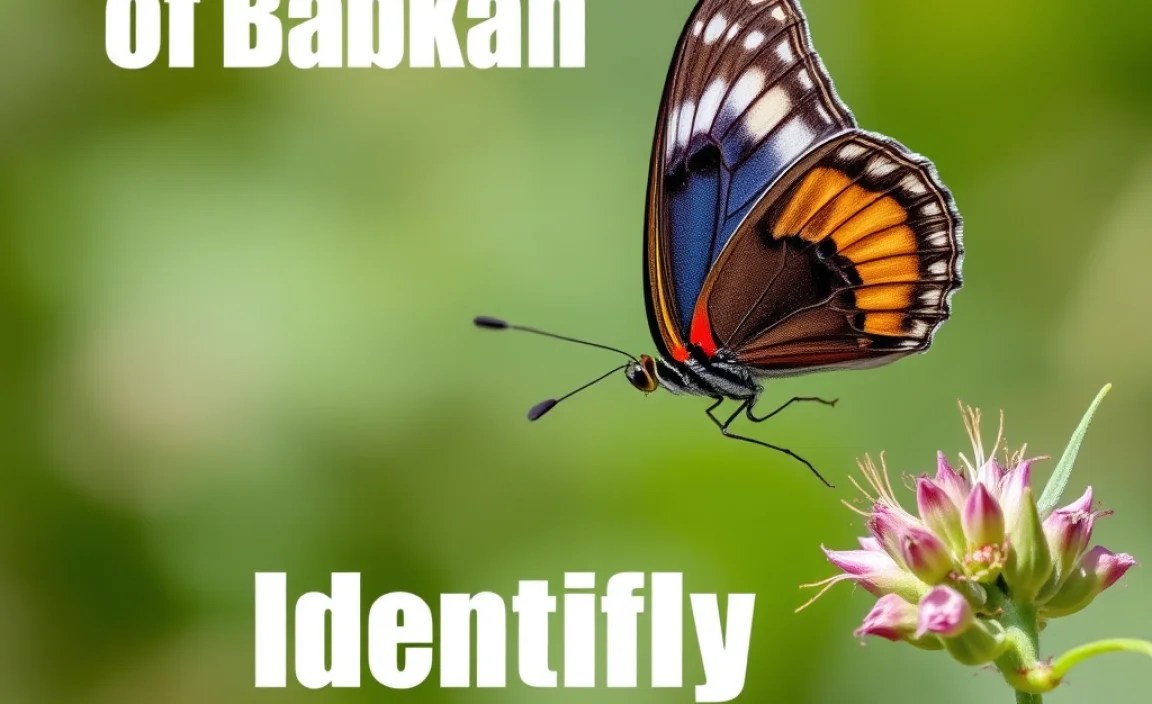
Recognizing different butterfly species can be a rewarding experience. Here are some of the most frequently encountered butterflies in the Balkan region, along with key features to help you identify them:
Swallowtail Butterflies
Swallowtails are among the largest and most striking butterflies, known for their elegant flight and distinctive tails on their hindwings.
- Scarce Swallowtail (Iphiclides podalirius): This butterfly is easily recognized by its pale yellow wings adorned with black stripes and long tails. It is often found in open woodlands and orchards.
- Old World Swallowtail (Papilio machaon): A vibrant yellow butterfly with black wing borders and blue and red markings on the hindwings. It is a common sight in gardens, meadows, and grasslands.
Whites and Yellows
This group includes butterflies with predominantly white or yellow wings, often with subtle markings.
- Cleopatra (Gonepteryx cleopatra): The male Cleopatra butterfly is distinguished by its bright orange forewings, while the female has pale yellow wings. They are commonly found in scrubland and woodland edges.
- Large White (Pieris brassicae): A familiar sight in gardens and agricultural areas, the Large White has white wings with black tips. It is known for its caterpillars feeding on cabbage and other brassica crops.
- Small White (Pieris rapae): Similar to the Large White but smaller, with less extensive black markings on the wings. It is also a common garden butterfly.
Blues
The Blues are a large group of small butterflies, typically with bright blue wings in males and often brown or blue wings in females.
- Common Blue (Polyommatus icarus): The male Common Blue has vibrant blue wings with a narrow black border, while the female has brown wings with orange spots along the edge. It is found in a variety of habitats, including grasslands and meadows.
- Adonis Blue (Polyommatus bellargus): The male Adonis Blue is a brilliant sky blue, while the female has brown wings with blue scales near the body. They are often found in chalk grasslands.
Browns
This group includes butterflies with various shades of brown wings, often with distinctive eye spots.
- Meadow Brown (Maniola jurtina): A very common butterfly with brown wings and a prominent black eyespot on the forewing. It is found in meadows, grasslands, and woodland edges.
- Speckled Wood (Pararge aegeria): This butterfly has brown wings with pale yellow spots, creating a dappled effect. It is often seen in woodlands, where it flies in shaded areas.
Nymphalids
Nymphalids are a diverse family of butterflies, often with brightly colored wings and intricate patterns.
- Red Admiral (Vanessa atalanta): A striking butterfly with black wings, red bands, and white spots. It is a migratory species, often seen in gardens and parks.
- Painted Lady (Vanessa cardui): Another migratory butterfly with orange and brown wings, marked with black spots and white markings. It is found in a wide range of habitats.
- Small Tortoiseshell (Aglais urticae): A colorful butterfly with orange, black, and yellow markings on its wings, and a row of blue spots along the edge. It is a common garden butterfly.
- Comma (Polygonia c-album): This butterfly has intricately patterned orange and brown wings with a distinctive white “comma” mark on the underside of the hindwing. It is often found in woodlands and gardens.
Butterfly Habitats in the Balkans

The Balkan region’s diverse habitats support a wide range of butterfly species. Understanding these habitats can help you find and identify different butterflies.
- Grasslands and Meadows: These open areas are home to many butterfly species, including Blues, Browns, and Skippers. Look for butterflies feeding on wildflowers and grasses.
- Woodlands and Forests: Shaded woodlands are ideal habitats for species like the Speckled Wood and various Nymphalids. Clearings and woodland edges provide sunny spots for butterflies to bask.
- Gardens and Parks: Many butterflies are attracted to gardens with flowering plants. Look for Swallowtails, Whites, and Nymphalids feeding on nectar-rich flowers.
- Mountains: High-altitude regions support specialized butterfly species adapted to colder climates. These may include unique Blues and Browns.
- Coastal Areas: Coastal habitats offer a mix of scrubland and open areas, attracting species like the Cleopatra and various migratory butterflies.
Host Plants and Butterfly Life Cycle

Butterflies have a fascinating life cycle, and understanding their host plants—the plants their caterpillars feed on—is crucial for their conservation.
Butterfly Life Cycle Stages
Butterflies undergo complete metamorphosis, which includes four distinct stages:
- Egg: Butterflies lay their eggs on specific host plants.
- Larva (Caterpillar): The caterpillar hatches from the egg and feeds voraciously on the host plant, growing and molting several times.
- Pupa (Chrysalis): The caterpillar transforms into a pupa, forming a protective shell around itself.
- Adult: The adult butterfly emerges from the pupa, ready to reproduce and continue the cycle.
Common Balkan Butterfly Host Plants
Here are some host plants that support common Balkan butterflies:
- Scarce Swallowtail: Caterpillars feed on fruit trees like hawthorn, blackthorn, and almond.
- Old World Swallowtail: Host plants include rue, fennel, and other members of the carrot family.
- Large White: Caterpillars feed on cabbage, broccoli, and other brassica crops.
- Small Tortoiseshell: Nettle plants are the primary host for Small Tortoiseshell caterpillars.
- Common Blue: Caterpillars feed on various legumes, such as bird’s-foot trefoil.
By planting these host plants in your garden, you can provide essential food sources for butterfly caterpillars and support local butterfly populations.
Butterfly Watching Tips for the Balkans
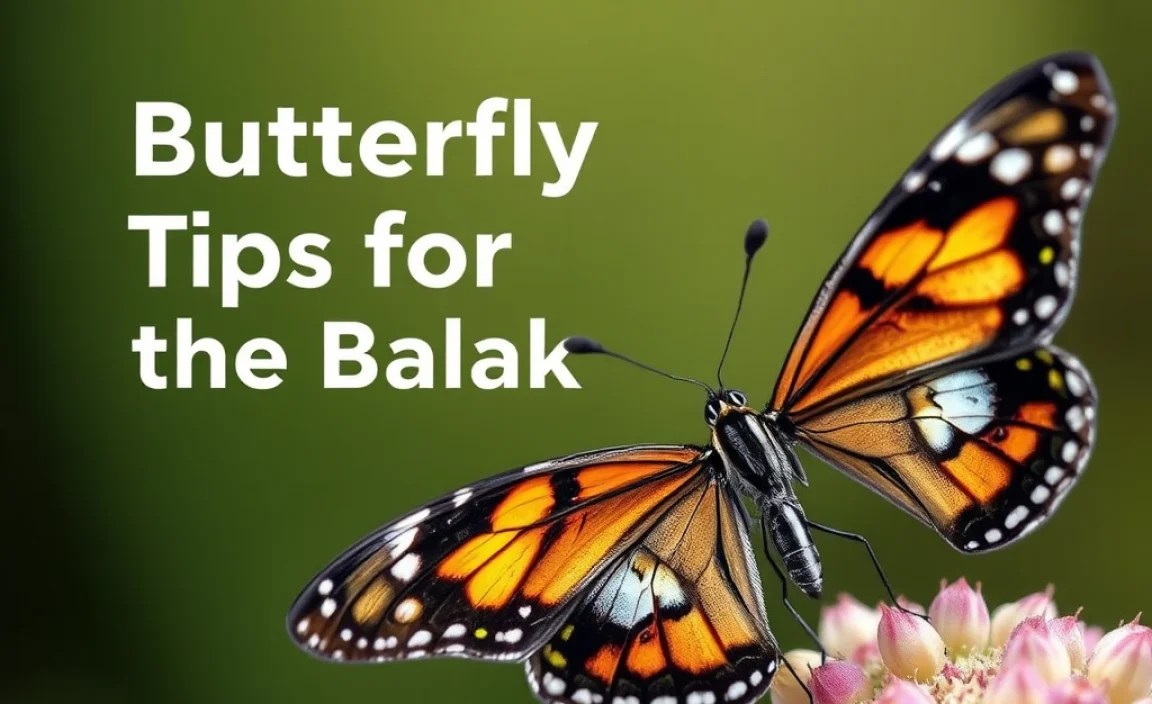
Butterfly watching, or butterflying, is a delightful way to connect with nature. Here are some tips for successful butterfly watching in the Balkans:
- Best Time to Go: The best time for butterfly watching is during the warmer months, from late spring to early autumn. Sunny days are ideal, as butterflies are most active in warm weather.
- What to Bring:
- A butterfly field guide or identification app.
- Binoculars for closer observation.
- A camera to capture your sightings.
- A notebook and pen for recording your observations.
- Comfortable walking shoes and appropriate clothing for the weather.
- Where to Look:
- Visit meadows, grasslands, woodlands, and gardens with a variety of flowering plants.
- Look for butterflies basking in sunny spots or feeding on nectar-rich flowers.
- Check host plants for caterpillars and eggs.
- Respect Nature:
- Avoid disturbing butterflies or their habitats.
- Do not collect butterflies unless you have a permit for scientific research.
- Stay on marked trails to protect sensitive environments.
Conservation Status and Threats
Many butterfly species face threats due to habitat loss, climate change, and pesticide use. Understanding their conservation status is crucial for protecting these beautiful creatures.
Threats to Balkan Butterflies
- Habitat Loss: The destruction of natural habitats, such as grasslands and woodlands, is a major threat to butterflies.
- Climate Change: Changes in temperature and rainfall patterns can disrupt butterfly life cycles and distribution.
- Pesticide Use: Pesticides can harm or kill butterflies and their caterpillars, reducing their populations.
- Agricultural Intensification: Modern farming practices, such as monoculture and heavy use of fertilizers, can reduce butterfly habitats and food sources.
- Urbanization: The expansion of cities and towns can lead to habitat fragmentation and loss of butterfly habitats.
Conservation Efforts
Various organizations and initiatives are working to protect butterflies and their habitats in the Balkans.
- Habitat Restoration: Restoring degraded habitats, such as grasslands and woodlands, can provide essential resources for butterflies.
- Protected Areas: Establishing and maintaining protected areas, such as national parks and nature reserves, can safeguard butterfly habitats.
- Sustainable Agriculture: Promoting sustainable farming practices that reduce pesticide use and maintain biodiversity can benefit butterflies.
- Public Awareness: Educating the public about the importance of butterflies and their conservation can encourage support for conservation efforts.
How to Create a Butterfly-Friendly Garden
You can play an important role in butterfly conservation by creating a butterfly-friendly garden. Here are some tips:
- Plant Nectar-Rich Flowers: Choose a variety of flowering plants that provide nectar throughout the butterfly season. Some good choices include lavender, buddleja (butterfly bush), salvia, and echinacea.
- Include Host Plants: Plant host plants for butterfly caterpillars, such as nettles for Small Tortoiseshells and brassicas for Large Whites.
- Provide a Water Source: Butterflies need water to drink. Create a shallow dish of water with pebbles or sand for them to land on.
- Avoid Pesticides: Use organic gardening methods and avoid pesticides that can harm butterflies and other beneficial insects.
- Provide Shelter: Plant shrubs and trees to provide shelter for butterflies from wind and rain.
- Create a Sunny Basking Spot: Butterflies need to bask in the sun to warm up. Provide a sunny spot with flat stones or bare soil for them to rest on.
By following these tips, you can create a beautiful and beneficial garden that supports local butterfly populations.
Butterfly Symbolism and Cultural Significance
Butterflies have long been symbols of transformation, beauty, and hope in various cultures around the world. Their delicate appearance and metamorphosis from caterpillar to butterfly make them powerful symbols of change and renewal.
- Transformation: The butterfly’s life cycle, from egg to caterpillar to pupa to adult, symbolizes personal growth, change, and transformation.
- Beauty: Butterflies are admired for their vibrant colors and graceful flight, representing beauty and joy.
- Hope: In many cultures, butterflies are seen as symbols of hope, new beginnings, and the promise of a brighter future.
- Soul and Spirit: Some cultures believe that butterflies represent the human soul or spirit, either as messengers from the afterlife or as embodiments of departed loved ones.
Frequently Asked Questions (FAQ)
What is the best time of year to see butterflies in the Balkans?
The best time to see butterflies in the Balkans is from late spring to early autumn, especially on warm, sunny days.
What are some common Balkan butterfly species?
Common species include the Scarce Swallowtail, Cleopatra, Common Blue, Meadow Brown, and Red Admiral.
How can I attract butterflies to my garden?
Plant nectar-rich flowers like lavender and buddleja, provide host plants for caterpillars, and avoid using pesticides.
What are the main threats to Balkan butterflies?
Habitat loss, climate change, pesticide use, and agricultural intensification are the main threats.
Where are the best places to go butterfly watching in the Balkans?
Look for butterflies in grasslands, meadows, woodlands, gardens, and protected areas like national parks.
What should I bring when I go butterfly watching?
Bring a butterfly field guide, binoculars, a camera, a notebook, and comfortable walking shoes.
Why are butterflies important to the environment?
Butterflies are important pollinators and indicators of a healthy ecosystem. They also serve as a food source for birds and other animals.
Conclusion
The butterflies of the Balkan region offer a captivating glimpse into the beauty and diversity of the natural world. By learning to identify these species, understanding their habitats, and supporting conservation efforts, you can contribute to the protection of these delicate creatures for future generations. Whether you’re an avid butterfly enthusiast, a nature lover, or simply curious about the world around you, exploring the butterflies of the Balkans is a rewarding and enriching experience. So, grab your field guide, head outdoors, and discover the enchanting world of Balkan butterflies!


