
European vs. North American Butterflies: Key Difference!

While butterflies worldwide share similarities, European and North American butterflies differ in several ways. European butterflies often exhibit brighter colors and patterns. North American species tend to be larger. Habitat ranges, migratory behaviors, and the variety of host plants for caterpillars also set them apart. Understanding these distinctions enhances appreciation for regional biodiversity.
Have you ever wondered if the butterflies fluttering around a garden in France are the same as those you see in your backyard in the United States? It’s a question many nature lovers ask! While butterflies everywhere belong to the same big family, there are fascinating differences between European and North American species.
These differences range from their vibrant colors to their preferred habitats and even their migration habits. This article will guide you through these distinctions, helping you identify and appreciate the unique characteristics of butterflies on both continents. Get ready to explore the beautiful world of butterflies and discover what makes each region so special!
Size and Appearance
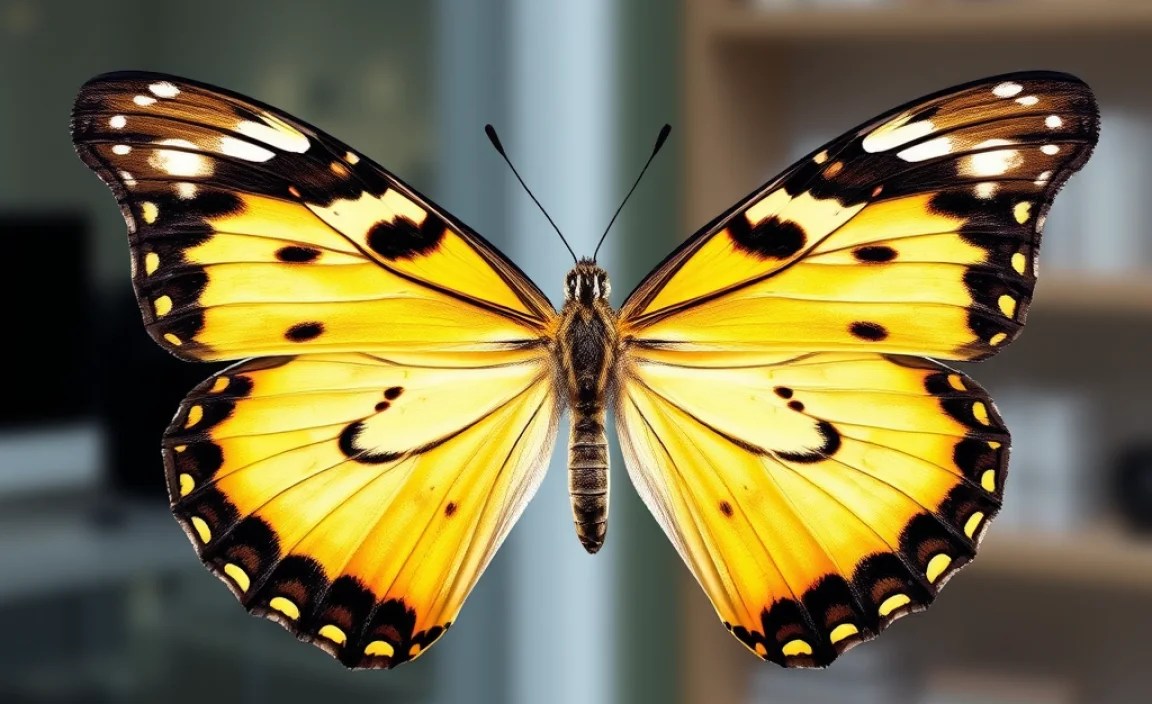
One of the first things you might notice when comparing European and North American butterflies is their size and general appearance. While there’s plenty of overlap, some trends can help you distinguish between them.
Size Differences
In general, North American butterflies tend to be larger than their European counterparts. This isn’t a hard-and-fast rule, of course, but it’s a noticeable trend. For example, the Monarch butterfly (Danaus plexippus), a well-known North American species, can have a wingspan of up to 4 inches (10 cm). In Europe, butterflies of that size are less common.
Coloration and Patterns
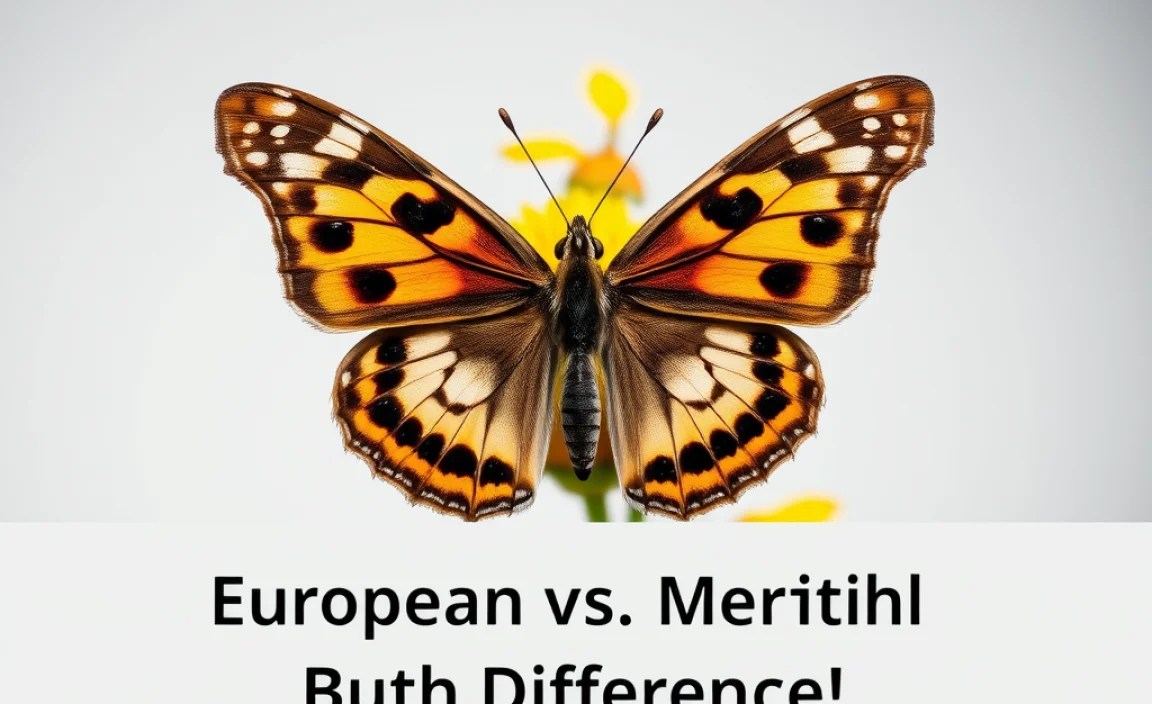
European butterflies are often celebrated for their vibrant and intricate patterns. Many species display dazzling colors and complex wing designs that make them stand out. Some notable examples include:
- Peacock Butterfly (Aglais io): Known for its striking eyespots on the wings.
- Swallowtail (Papilio machaon): Features bright yellow wings with black patterns and distinctive tails.
- Adonis Blue (Polyommatus bellargus): Males have vibrant blue wings.
North American butterflies can also be colorful, but they often have more muted or earthy tones. Here are a few examples:
- Monarch (Danaus plexippus): Recognizable for its orange wings with black veins and white spots.
- Viceroy (Limenitis archippus): Mimics the Monarch but has an extra black line across the hindwing.
- Mourning Cloak (Nymphalis antiopa): Dark brown with a pale yellow border.
The differences in coloration may be attributed to factors such as camouflage needs in different environments and the types of flowering plants available for nectar.
Habitat and Distribution
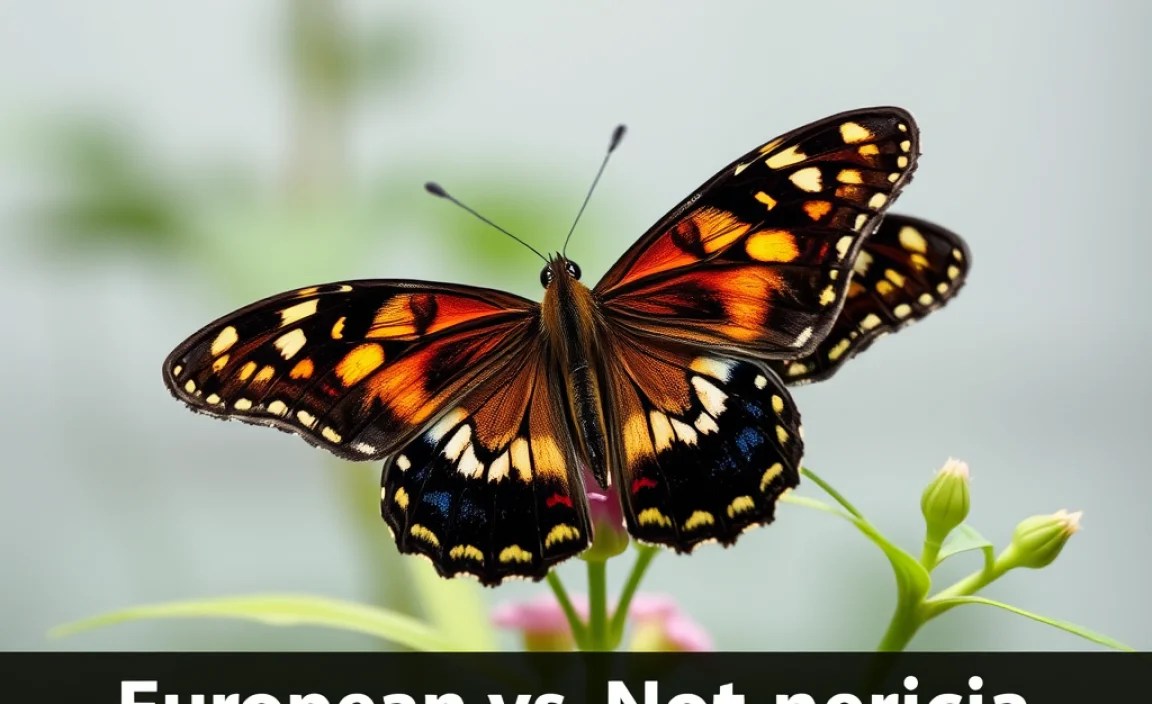
The types of habitats butterflies occupy and their geographical distribution vary significantly between Europe and North America. These differences are shaped by climate, vegetation, and geological history.
European Habitats
Europe boasts a diverse range of habitats, from Mediterranean scrublands to alpine meadows and boreal forests. This variety supports a wide array of butterfly species. Some common European butterfly habitats include:
- Meadows and grasslands: Home to many species, including various blues (Polyommatus spp.) and fritillaries (Boloria spp.).
- Woodlands: Sheltered environments favored by butterflies like the White Admiral (Limenitis camilla) and Purple Emperor (Apatura iris).
- Heathlands: Open, shrubby areas where species like the Silver-studded Blue (Plebejus argus) thrive.
North American Habitats
North America’s vast landscapes include deserts, prairies, forests, and mountains, each with its own unique butterfly fauna. Here are some typical North American butterfly habitats:
- Forests: Provide habitat for species like the Eastern Tiger Swallowtail (Papilio glaucus) and various hairstreaks (Eumaeus spp.).
- Deserts: Arid environments inhabited by butterflies like the Queen (Danaus gilippus) and various skippers (Hesperiidae family).
- Prairies and grasslands: Open areas where you can find species like the Regal Fritillary (Speyeria idalia) and various swallowtails (Papilio spp.).
Distribution Patterns
The distribution of butterfly species is also influenced by climate zones. For instance, Europe’s temperate climate supports a broad range of butterflies across the continent, while North America’s more extreme climates (from arctic to subtropical) result in distinct regional butterfly communities. According to the Xerces Society, habitat loss is a major threat to butterfly populations in both regions, impacting their distribution.
Host Plants and Diet
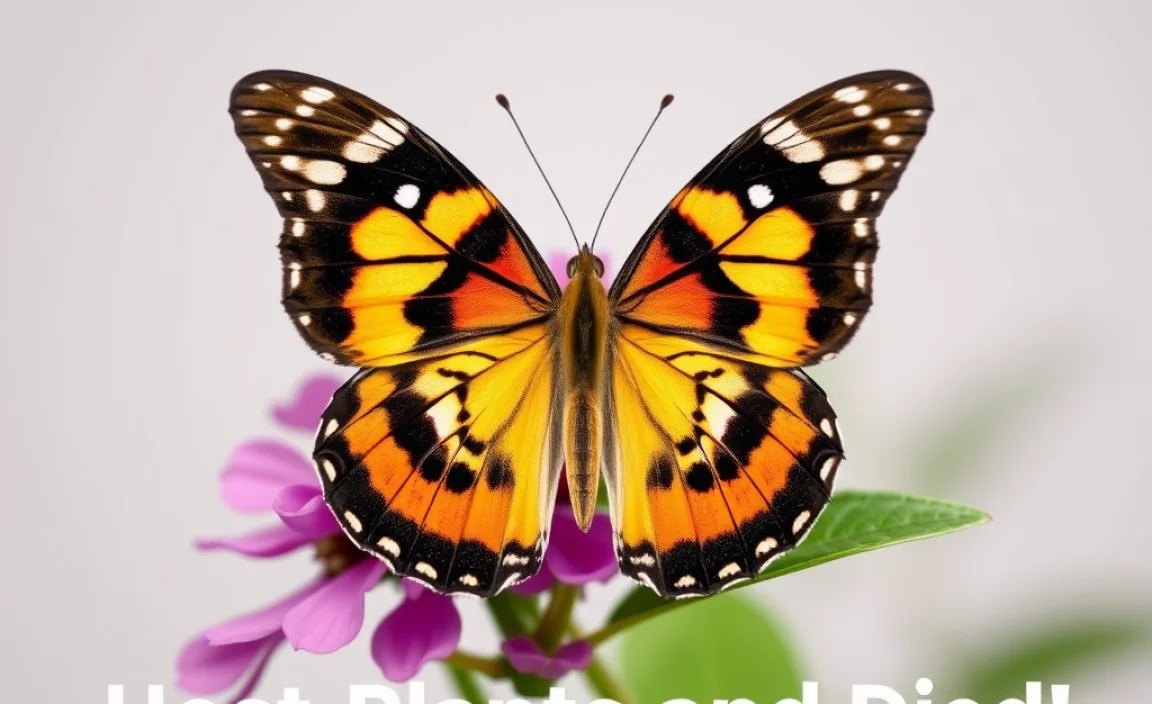
A butterfly’s life cycle is intimately linked to its host plant – the specific plant species on which the female butterfly lays her eggs, and which the caterpillar feeds upon. The choice of host plant is often highly specific, and differences in host plant availability can contribute to differences between European and North American butterfly faunas.
European Host Plants
European butterflies rely on a variety of native plants as host plants. Some examples include:
- Nettles (Urtica spp.): Host plant for the Peacock Butterfly (Aglais io) and Red Admiral (Vanessa atalanta).
- Bird’s-foot Trefoil (Lotus corniculatus): Used by many blue butterflies (Polyommatus spp.).
- Various grasses: Serve as host plants for many skipper butterflies (Hesperiidae family).
North American Host Plants
North American butterflies have their own set of preferred host plants. Some common examples are:
- Milkweed (Asclepias spp.): The essential host plant for Monarch butterflies (Danaus plexippus).
- Black Cherry (Prunus serotina): Host plant for the Eastern Tiger Swallowtail (Papilio glaucus).
- Various legumes: Used by many sulphur butterflies (Colias spp.).
Dietary Differences
Adult butterflies feed primarily on nectar from flowers, but their dietary preferences can vary. Some butterflies are generalists, feeding on nectar from a wide range of flowers, while others are specialists, preferring certain flower types. These preferences can influence the types of butterflies you find in different regions.
Migration Patterns
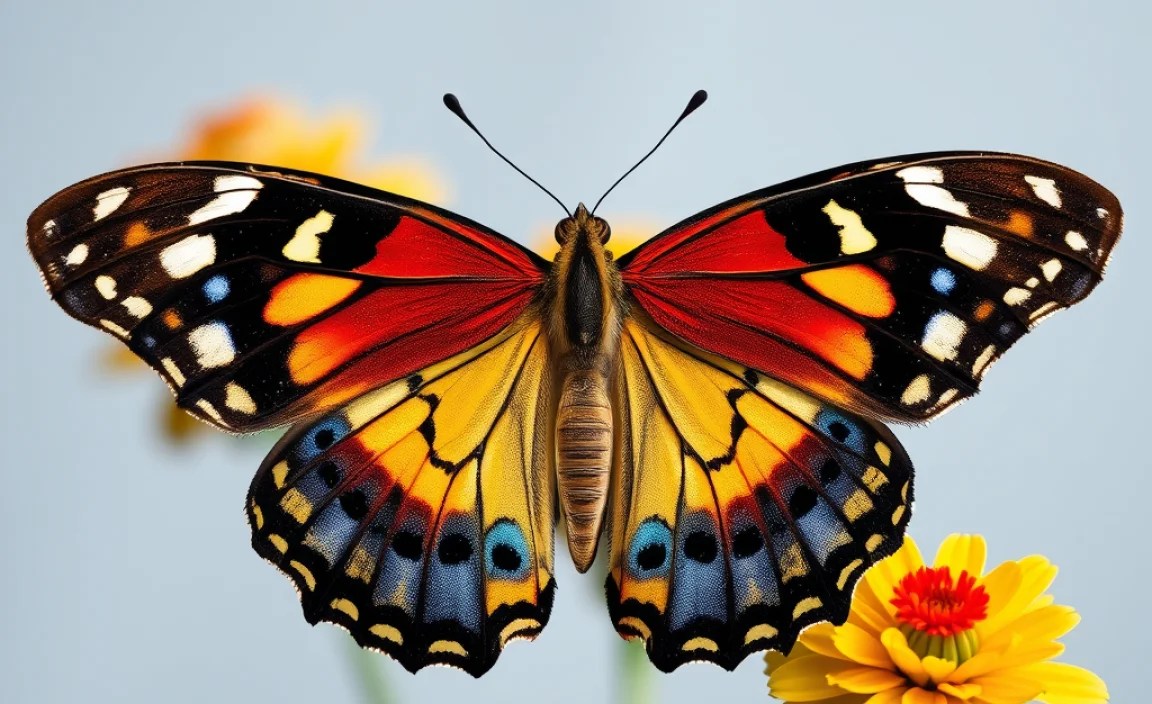
Migration is a fascinating aspect of butterfly behavior, and there are notable differences in the migratory patterns of European and North American butterflies.
European Migratory Butterflies
While not as extensive as the Monarch migration in North America, some European butterflies undertake significant migrations. Examples include:
- Painted Lady (Vanessa cardui): Migrates from North Africa and the Middle East into Europe each spring.
- Clouded Yellow (Colias croceus): Moves northward in Europe during the summer months.
North American Migratory Butterflies
North America is famous for the epic migration of the Monarch butterfly, which travels thousands of miles between Canada and the United States to overwintering sites in Mexico. Other migratory butterflies in North America include:
- Monarch (Danaus plexippus): Undertakes a multi-generational migration across North America.
- American Snout (Libytheana carinenta): Can exhibit large-scale migrations in response to environmental conditions.
Factors Influencing Migration
Migration patterns are influenced by factors such as climate, resource availability, and breeding opportunities. Changes in these factors due to climate change can disrupt migration patterns, posing a threat to butterfly populations.
Conservation Status
Butterfly populations are facing numerous threats worldwide, including habitat loss, pesticide use, and climate change. The conservation status of butterfly species varies between Europe and North America, reflecting regional differences in these threats and conservation efforts.
European Conservation Efforts
In Europe, many butterfly species are protected under national and international laws. Conservation efforts focus on habitat preservation, restoration, and management. Organizations like Butterfly Conservation Europe are actively involved in monitoring butterfly populations and advocating for their protection.
North American Conservation Efforts
In North America, organizations like the Xerces Society and the North American Butterfly Association (NABA) work to conserve butterfly habitats and promote sustainable practices. Efforts include creating butterfly gardens, restoring native habitats, and educating the public about the importance of butterfly conservation.
Threats to Butterfly Populations
Both European and North American butterflies face similar threats:
- Habitat Loss: Due to agriculture, urbanization, and deforestation.
- Pesticide Use: Which can directly harm butterflies and their host plants.
- Climate Change: Altering habitats and disrupting migration patterns.
Detailed Comparison Table
To further clarify the differences, here’s a table summarizing the key characteristics of European and North American butterflies:
| Feature | European Butterflies | North American Butterflies |
|---|---|---|
| Size | Generally smaller | Generally larger |
| Coloration | Often more vibrant and intricate patterns | May have muted or earthy tones |
| Habitats | Meadows, woodlands, heathlands | Forests, deserts, prairies |
| Migration | Localized migrations (e.g., Painted Lady) | Long-distance migrations (e.g., Monarch) |
| Conservation | Protected under national and international laws | Conservation efforts by organizations like the Xerces Society |
| Examples | Peacock, Swallowtail, Adonis Blue | Monarch, Viceroy, Mourning Cloak |
Examples of Butterfly Species
Let’s look at some specific examples to highlight the differences between butterflies in Europe and North America. These examples will give you a clearer picture of how to identify and appreciate the unique characteristics of butterflies from each region.
European Butterfly Examples
Here are a few notable European butterfly species:
- The Small Tortoiseshell (Aglais urticae): This butterfly is known for its bright orange wings with black spots and blue crescents along the edges. It’s a common sight in gardens and meadows across Europe. The caterpillars feed on nettles, making it a frequent visitor to areas with abundant nettle patches.
- The Common Blue (Polyommatus icarus): This butterfly is widespread in Europe and gets its name from the bright blue wings of the male. Females are typically brown with a blue dusting. It’s found in a variety of habitats, including grasslands, meadows, and gardens. The caterpillars feed on various legumes.
- The Brimstone (Gonepteryx rhamni): This butterfly is known for its distinctive yellow-green color and the shape of its wings, which resemble a leaf. It’s one of the first butterflies to emerge in spring and can be seen flying throughout the summer. The caterpillars feed on buckthorn.
North American Butterfly Examples
Here are some examples of North American butterfly species:
- The Black Swallowtail (Papilio polyxenes): This butterfly is found throughout North America and is known for its black wings with yellow spots and blue iridescent scales. The caterpillars feed on plants in the carrot family, such as dill, parsley, and fennel.
- The Red-Spotted Purple (Limenitis arthemis astyanax): This butterfly mimics the poisonous Pipevine Swallowtail, providing it with protection from predators. It has black wings with iridescent blue markings and red spots on the underside. The caterpillars feed on various trees, including cherry and willow.
- The Question Mark (Polygonia interrogationis): This butterfly is named for the distinctive white mark on its hindwing, which resembles a question mark. It has orange and brown wings with irregular edges. The caterpillars feed on various plants, including nettles and hackberry.
These examples showcase the diversity and beauty of butterflies in both Europe and North America. By learning to identify these species, you can gain a deeper appreciation for the natural world around you.
How to Attract Butterflies to Your Garden
Attracting butterflies to your garden is a rewarding experience that brings beauty and life to your outdoor space. Whether you’re in Europe or North America, there are several steps you can take to create a butterfly-friendly habitat.
Choosing the Right Plants
The key to attracting butterflies is to provide them with the plants they need for both food and reproduction. This means planting both nectar plants for adult butterflies and host plants for caterpillars.
Nectar Plants
Nectar plants provide adult butterflies with the energy they need to fly and reproduce. Some popular nectar plants for European gardens include:
- Lavender (Lavandula)
- Buddleja (Buddleja davidii)
- Thyme (Thymus)
In North American gardens, consider planting:
- Butterfly Bush (Buddleja davidii)
- Zinnia (Zinnia elegans)
- Coneflower (Echinacea purpurea)
Host Plants
Host plants are essential for caterpillars, as they provide the food source they need to grow and develop. Some host plants for European butterflies include:
- Nettles (Urtica dioica) for the Small Tortoiseshell
- Bird’s-foot Trefoil (Lotus corniculatus) for various blue butterflies
For North American butterflies, consider planting:
- Milkweed (Asclepias) for Monarchs
- Cherry trees (Prunus) for Swallowtails
Creating a Butterfly-Friendly Environment
In addition to providing the right plants, there are other steps you can take to create a welcoming environment for butterflies:
- Provide a water source: Butterflies need water, but they can’t drink from deep puddles. Provide a shallow dish of water with pebbles or sand for them to land on.
- Offer shelter: Plant shrubs and trees to provide shelter from wind and predators.
- Avoid pesticides: Pesticides can harm or kill butterflies and other beneficial insects. Use organic gardening methods instead.
- Provide sunny spots: Butterflies are cold-blooded and need to bask in the sun to warm up. Make sure your garden has plenty of sunny spots.
Additional Tips
- Plant in clumps: Butterflies are more attracted to large groups of flowers than to individual plants.
- Choose a variety of plants: Different butterfly species have different preferences, so plant a variety of nectar and host plants.
- Deadhead flowers: Removing spent flowers encourages plants to produce more blooms, providing a continuous source of nectar for butterflies.
- Be patient: It may take some time for butterflies to find your garden, but with the right plants and conditions, they will eventually come.
By following these tips, you can create a beautiful and inviting garden that attracts butterflies from near and far.
Frequently Asked Questions (FAQs)
Here are some frequently asked questions about the differences between European and North American butterflies:
- Are European butterflies generally smaller than North American butterflies?
- Yes, on average, European butterflies tend to be smaller than their North American counterparts, although there are exceptions.
- Do European butterflies have brighter colors than North American butterflies?
- European butterflies often exhibit more vibrant and intricate patterns compared to the more muted or earthy tones found in some North American species.
- What is the most significant difference in migration patterns?
- The most notable difference is the Monarch butterfly’s long-distance migration in North America, while European migrations are generally more localized, like that of the Painted Lady.
- Why is milkweed important for North American butterflies?
- Milkweed is the primary host plant for Monarch butterflies, essential for their caterpillars’ survival and development.
- What are the main threats to butterflies in both regions?
- The main threats include habitat loss, pesticide use, and climate change, all of which impact butterfly populations and their ecosystems.
- How can I help conserve butterflies in my area?
- You can help by planting native nectar and host plants, avoiding pesticides, providing a water source, and supporting local conservation organizations.
- Are there butterfly species found in both Europe and North America?
- Yes, some species, like the Painted Lady (Vanessa cardui), are found on both continents due to their migratory habits and adaptability.
Conclusion
Exploring the differences between European and North American butterflies reveals the incredible diversity and adaptability of these fascinating creatures. From size and coloration to habitat preferences and migration patterns, each region boasts unique butterfly species that contribute to the beauty and ecological balance of their environments. By understanding these distinctions, we can deepen our appreciation for butterflies and support conservation efforts to protect them for future generations. Whether you’re a seasoned naturalist or a curious beginner, the world of butterflies offers endless opportunities for discovery and wonder. As you continue to observe and learn about these delicate creatures, remember that every effort to protect their habitats and support their populations makes a difference. So, go out, explore, and let the beauty of butterflies inspire you to become a champion for nature!


