
Easy European Butterfly Latin Name Matching Guide

Quick Summary:
Matching European butterfly Latin names involves using field guides, online databases, and specialized apps. Start by noting key features like size, color, wing patterns, and habitat. Use these clues to narrow down possibilities in a butterfly identification resource. Verify your match by comparing detailed descriptions and range maps to ensure accuracy. This process helps you precisely identify butterfly species.
Have you ever been captivated by a butterfly fluttering through your garden, only to wonder what its name is? Identifying European butterflies can feel like solving a puzzle, especially with so many species flitting around. But don’t worry, it’s easier than you think! With a few simple tools and some keen observation, you’ll be matching butterflies to their Latin names in no time.
This guide will walk you through the steps of identifying European butterflies and matching them to their scientific names. We’ll cover the essential tools, key features to look for, and reliable resources to help you on your butterfly-naming journey. Get ready to uncover the names behind these beautiful winged creatures!
Tools for European Butterfly Latin Name Matching

To accurately match European butterflies to their Latin names, you’ll need a few essential tools. These resources will help you observe, record, and identify the butterflies you encounter.
- Butterfly Field Guide: A comprehensive field guide specific to European butterflies is invaluable. Look for one with detailed descriptions, illustrations, and range maps.
- Binoculars: A good pair of binoculars allows you to observe butterflies from a distance without disturbing them. Look for binoculars with a close focusing distance.
- Camera or Smartphone: Taking photos of butterflies is crucial for later identification. Capture clear images of the butterfly from multiple angles.
- Notebook and Pen: Jot down observations about the butterfly’s appearance, behavior, and location.
- Online Databases: Websites like leps.it and the Butterfly Conservation website offer extensive information and images of European butterflies.
- Butterfly Identification Apps: Apps like iNaturalist can help you identify butterflies based on photos and location data.
Step-by-Step Guide to Matching Butterfly Latin Names

Follow these steps to accurately match European butterflies to their Latin names:
Step 1: Observe Key Features
Begin by carefully observing the butterfly. Note the following characteristics:
- Size: Estimate the butterfly’s wingspan. Is it small, medium, or large?
- Color and Pattern: Describe the colors and patterns on the upper and lower sides of the wings. Are there spots, stripes, or bands?
- Wing Shape: Note the shape of the wings. Are they rounded, pointed, or scalloped?
- Habitat: Where did you see the butterfly? Was it in a meadow, forest, or garden?
- Behavior: How was the butterfly behaving? Was it nectaring on flowers, basking in the sun, or flying rapidly?
Step 2: Consult a Butterfly Field Guide
Use your observations to narrow down the possibilities in your field guide. Look for butterflies that match the size, color, and pattern you observed. Pay attention to the range maps to ensure the butterfly is found in your region.
Step 3: Compare with Online Databases
Cross-reference your field guide identification with online databases. Websites like Butterfly Conservation offer detailed information and images of European butterflies. Compare your photos with the images on the website.
Step 4: Use Butterfly Identification Apps
Butterfly identification apps like iNaturalist can be helpful, but they are not always accurate. Use them as a starting point and verify the identification with other resources.
Step 5: Confirm the Identification
Once you have a tentative identification, confirm it by comparing detailed descriptions and range maps. Pay attention to subtle differences in wing patterns and coloration. If possible, consult with an expert or post your photos on a butterfly identification forum.
Key Characteristics for Butterfly Identification
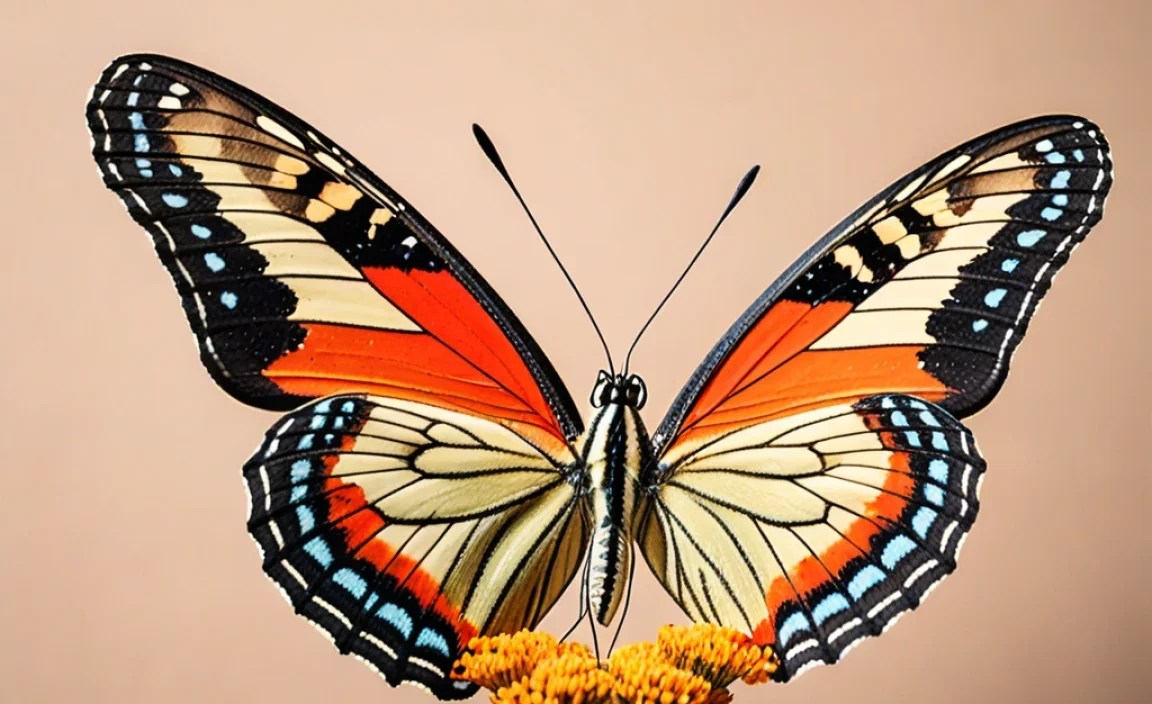
Understanding specific wing patterns and markings is essential for accurate butterfly identification. Here are some key characteristics to focus on:
- Eyespots (Ocelli): Circular markings that resemble eyes, often used to startle predators.
- Bands and Stripes: Distinct lines or bands of color that run across the wings.
- Spots: Individual dots or markings of various colors and sizes.
- Wing Borders: The edges of the wings, which can be smooth, scalloped, or fringed.
- Veins: The network of lines that support the wings, which can be prominent or subtle.
Common European Butterflies and Their Latin Names
Here’s a table showcasing some common European butterflies along with their Latin names and key identification features:
| Common Name | Latin Name | Key Identification Features |
|---|---|---|
| Small Tortoiseshell | Aglais urticae | Orange and black wings with blue spots along the edges. |
| Peacock Butterfly | Aglais io | Large eyespots on the wings, resembling peacock feathers. |
| Brimstone Butterfly | Gonepteryx rhamni | Bright yellow (male) or greenish-white (female) wings with pointed tips. |
| Large White | Pieris brassicae | White wings with black tips on the forewings. |
| Small Blue | Cupido minimus | Small size, blue upperwings (male) or brown upperwings with blue scales (female). |
| Red Admiral | Vanessa atalanta | Black wings with red bands and white spots. |
| Common Blue | Polyommatus icarus | Bright blue wings (male) with a brown border, females are brown with orange spots on the edge of the wings. |
| Speckled Wood | Pararge aegeria | Brown wings with cream or orange spots, often found in woodland areas. |
Understanding Butterfly Latin Names
Butterfly Latin names follow a binomial nomenclature system, consisting of two parts: the genus and the species. Understanding this system can provide insights into the relationships between different butterflies.
- Genus: The first part of the name, indicating the group of closely related species. For example, Aglais is the genus for tortoiseshell and peacock butterflies.
- Species: The second part of the name, identifying the specific species within the genus. For example, urticae is the species name for the small tortoiseshell butterfly.
Latin names are often derived from classical Greek or Latin words and can describe a butterfly’s appearance, behavior, or habitat. For example, Gonepteryx rhamni, the Brimstone butterfly, gets its name from “Gonepteryx” (angled wing) and “rhamni” (buckthorn, the larval food plant).
Tips for Accurate Butterfly Identification
Here are some additional tips to help you accurately identify European butterflies:
- Photograph the Butterfly: Capture clear images of the butterfly from multiple angles. This will allow you to examine the details more closely later.
- Note the Location and Date: Record the location and date of your observation. This information can help you narrow down the possibilities, as some butterflies are only found in certain regions or during specific times of the year.
- Consider the Habitat: Pay attention to the habitat where you saw the butterfly. Some butterflies are specific to certain habitats, such as meadows, forests, or wetlands.
- Observe the Behavior: Note the butterfly’s behavior. Is it nectaring on flowers, basking in the sun, or flying rapidly? This can provide additional clues to its identity.
- Use Multiple Resources: Don’t rely on just one resource for identification. Consult multiple field guides, online databases, and apps to confirm your identification.
- Join a Butterfly Group: Connect with other butterfly enthusiasts in your area. They can provide valuable insights and help you identify difficult species.
Challenges in Butterfly Identification
Butterfly identification can be challenging due to several factors:
- Variability: Butterflies can exhibit significant variation in color and pattern, even within the same species. This can be due to factors such as genetics, diet, and environmental conditions.
- Similar Species: Many butterfly species look very similar, making it difficult to distinguish them. Pay close attention to subtle differences in wing patterns and coloration.
- Damaged Wings: Damaged wings can obscure key identification features, making it difficult to identify the butterfly.
- Rarity: Some butterfly species are rare and localized, making them difficult to find and identify.
The Importance of Butterfly Identification
Accurate butterfly identification is essential for several reasons:
- Conservation: Identifying and monitoring butterfly populations is crucial for conservation efforts. By tracking changes in butterfly populations, we can assess the health of ecosystems and identify threats to biodiversity.
- Research: Butterfly identification is essential for scientific research. Researchers use butterfly data to study topics such as ecology, evolution, and climate change.
- Education: Butterfly identification is a valuable educational tool. It helps people learn about the natural world and develop an appreciation for biodiversity.
- Citizen Science: Butterfly identification is an important component of citizen science projects. By contributing data on butterfly sightings, citizen scientists can help researchers monitor butterfly populations and track changes in their distribution.
Attracting Butterflies to Your Garden
One of the best ways to practice your butterfly identification skills is to attract butterflies to your garden. Here are some tips for creating a butterfly-friendly habitat:
- Plant Nectar-Rich Flowers: Choose a variety of nectar-rich flowers that bloom throughout the butterfly season. Some good choices include buddlejas, lavender, and coneflowers.
- Provide Host Plants: Plant host plants for butterfly caterpillars. These are the plants that caterpillars feed on. Some common host plants include milkweed (for monarch butterflies), nettles (for small tortoiseshell butterflies), and buckthorn (for brimstone butterflies).
- Provide a Water Source: Butterflies need water to drink. Provide a shallow dish of water with pebbles or sand for them to land on.
- Avoid Pesticides: Pesticides can harm butterflies and other beneficial insects. Avoid using pesticides in your garden.
- Provide Shelter: Butterflies need shelter from the wind and rain. Plant trees and shrubs to provide shelter.
Frequently Asked Questions (FAQ)
What is the best field guide for European butterflies?
The best field guide depends on your region. “Butterflies of Britain and Europe” by Haahtela, Saarinen, Ojalainen, and Aarnio is a comprehensive option. Check local bookstores or online reviews for guides specific to your area.
How can I attract more butterflies to my garden?
Plant nectar-rich flowers like buddlejas and lavender, provide host plants for caterpillars, offer a shallow water source, avoid pesticides, and provide shelter with trees and shrubs.
What do butterfly Latin names mean?
Latin names follow a binomial system. The first name is the genus (group of related species), and the second is the species (specific identifier). For example, Aglais urticae (Small Tortoiseshell) has Aglais as the genus and urticae as the species.
Are butterfly identification apps reliable?
Apps like iNaturalist can be helpful but aren’t always accurate. Use them as a starting point and verify the identification with field guides and other resources.
How can I tell the difference between similar butterfly species?
Pay close attention to subtle differences in wing patterns, coloration, size, and habitat. Use a field guide and compare your observations with detailed descriptions and images.
Why is butterfly identification important?
Accurate identification is crucial for conservation efforts, scientific research, education, and citizen science projects. It helps us monitor populations, study ecosystems, and track biodiversity changes.
What should I do if I find a rare butterfly?
Photograph the butterfly, record the location and date, and report your sighting to a local butterfly conservation organization or natural history museum. This information can help monitor and protect rare species.
Conclusion
Matching European butterflies to their Latin names might seem daunting at first, but with the right tools and a bit of practice, it can become a rewarding and enriching experience. By observing key features, consulting field guides, and utilizing online resources, you can confidently identify these beautiful creatures and deepen your understanding of the natural world. So, grab your binoculars, head out into nature, and start exploring the fascinating world of European butterflies! Every identified butterfly brings you closer to understanding and appreciating the delicate balance of our ecosystems. Happy butterflying!


