
Butterfly Thermal Behavior: The Ultimate Guide

Quick Summary: Butterflies are cold-blooded creatures, so their body temperature depends on their environment. They use various strategies to regulate their temperature, such as basking in the sun to warm up, fluttering their wings to cool down, and seeking shade when it gets too hot. Understanding this thermal behavior is key to butterfly conservation and creating butterfly-friendly habitats.
Have you ever wondered how butterflies manage to fly on cool mornings or survive the heat of a summer afternoon? Butterflies, unlike mammals and birds, can’t regulate their body temperature internally. This means they’re heavily reliant on the environment to stay warm enough to fly and active, or cool enough to avoid overheating. It’s a delicate balancing act! Understanding how butterflies manage their temperature, or their thermal behavior, is super important for helping them thrive. Let’s explore the fascinating ways these delicate creatures deal with temperature changes.
Understanding Butterfly Thermal Behavior
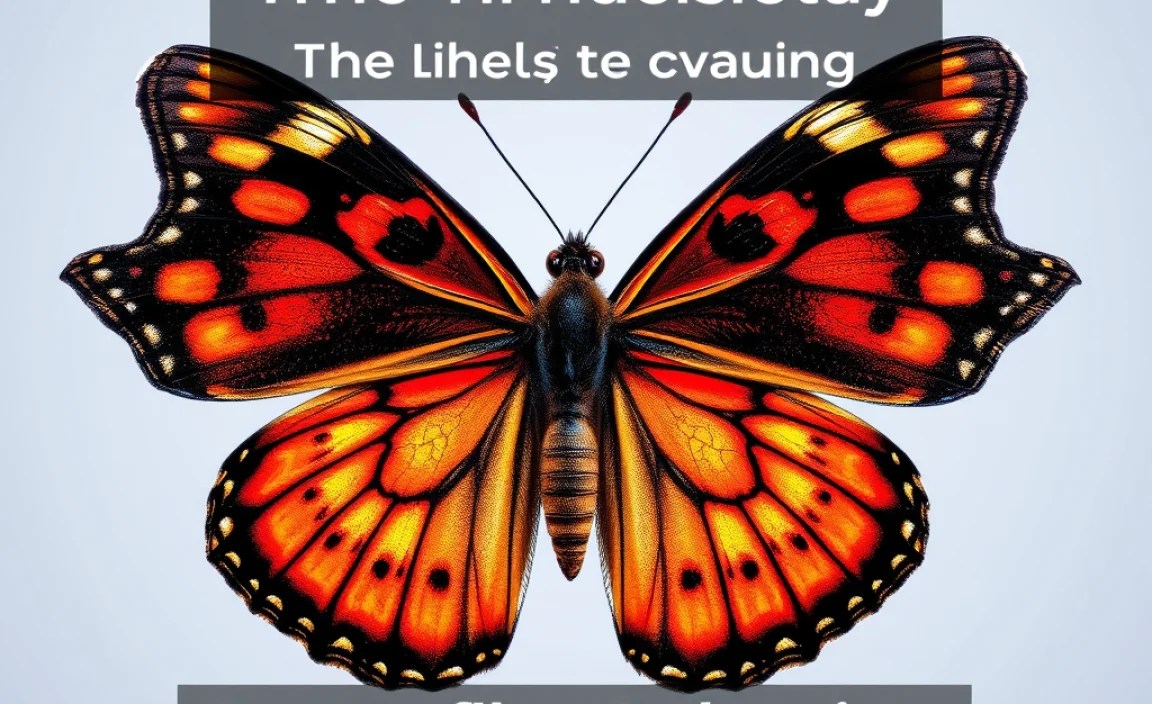
Butterfly thermal behavior refers to the strategies butterflies use to regulate their body temperature. Since butterflies are ectothermic (cold-blooded), their internal temperature is strongly influenced by their surroundings. To maintain an optimal body temperature for activities like flying, feeding, and mating, they employ several interesting techniques.
Why is Temperature Regulation Important for Butterflies?
Temperature dictates almost every aspect of a butterfly’s life. Here’s why:
- Flight: Butterflies need a certain body temperature (usually between 82-100°F or 28-38°C) to power their flight muscles. If they’re too cold, their muscles won’t work efficiently, and they can’t fly.
- Digestion: Enzymes responsible for digestion function best within a specific temperature range. Proper digestion ensures butterflies get the energy they need from nectar.
- Reproduction: Temperature affects mating behavior and egg development. Extreme temperatures can hinder reproduction.
- Survival: Prolonged exposure to extreme temperatures can be fatal to butterflies.
Basking: Soaking Up the Sun’s Warmth
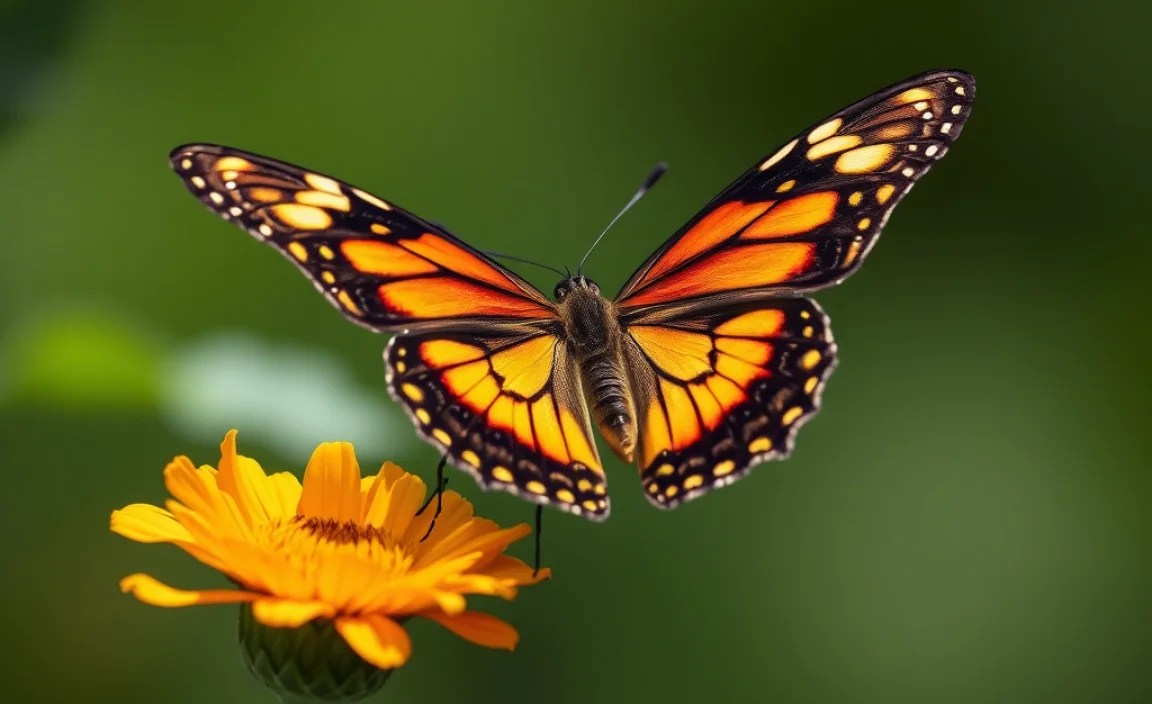
Basking is one of the most common ways butterflies warm up. You’ll often see them doing this early in the morning when temperatures are cooler.
How Basking Works
- Wing Position: Butterflies will often spread their wings wide open to maximize the surface area exposed to the sun.
- Body Angle: They may angle their bodies to catch the sun’s rays more directly.
- Wing Color: Darker-colored butterflies absorb heat more efficiently than lighter-colored ones.
Examples of Basking Behavior
Monarchs are famous for basking in the early morning to prepare for their long migratory flights. Swallowtails, with their dark wings, are also frequently seen basking to warm up quickly.
Fluttering and Shivering: Generating Heat Internally
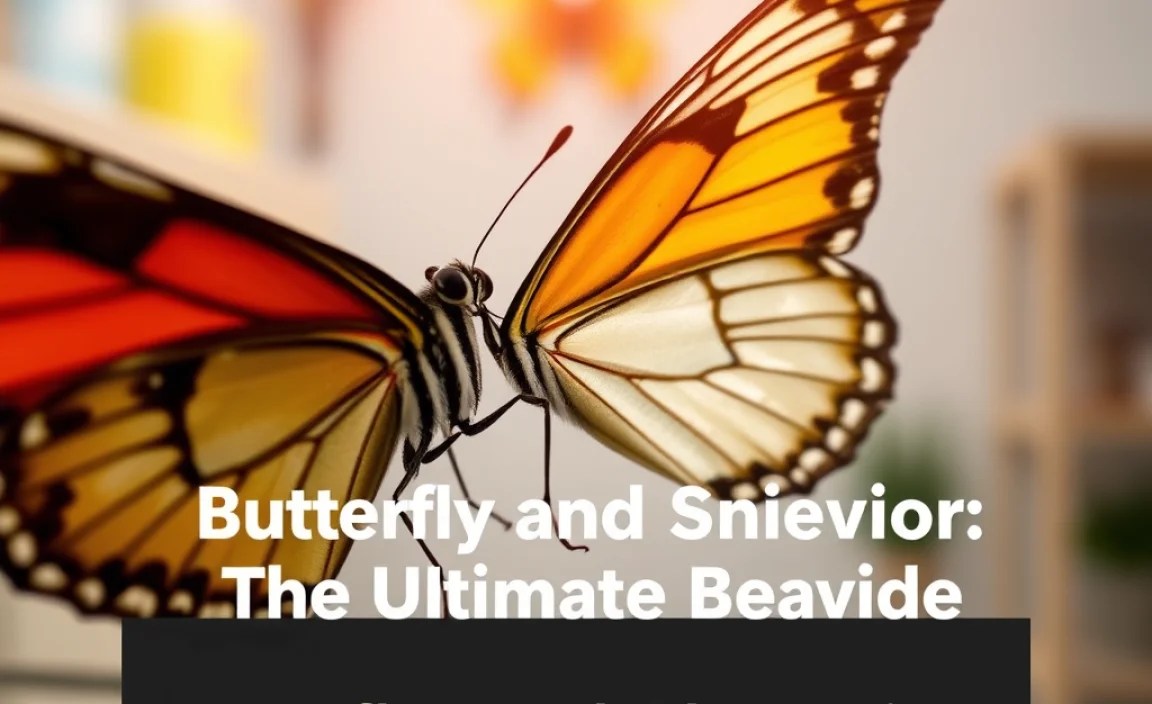
When basking isn’t enough, or when the sun isn’t available, some butterflies can generate heat internally.
Muscle Shivering
Butterflies can shiver their flight muscles, similar to how mammals shiver when cold. This generates heat that warms their thorax, the part of the body where the flight muscles are located.
Wing Fluttering
Some butterflies will rapidly flutter their wings without taking off. This also warms their flight muscles, allowing them to become active even on cooler days.
Seeking Shade: Avoiding Overheating
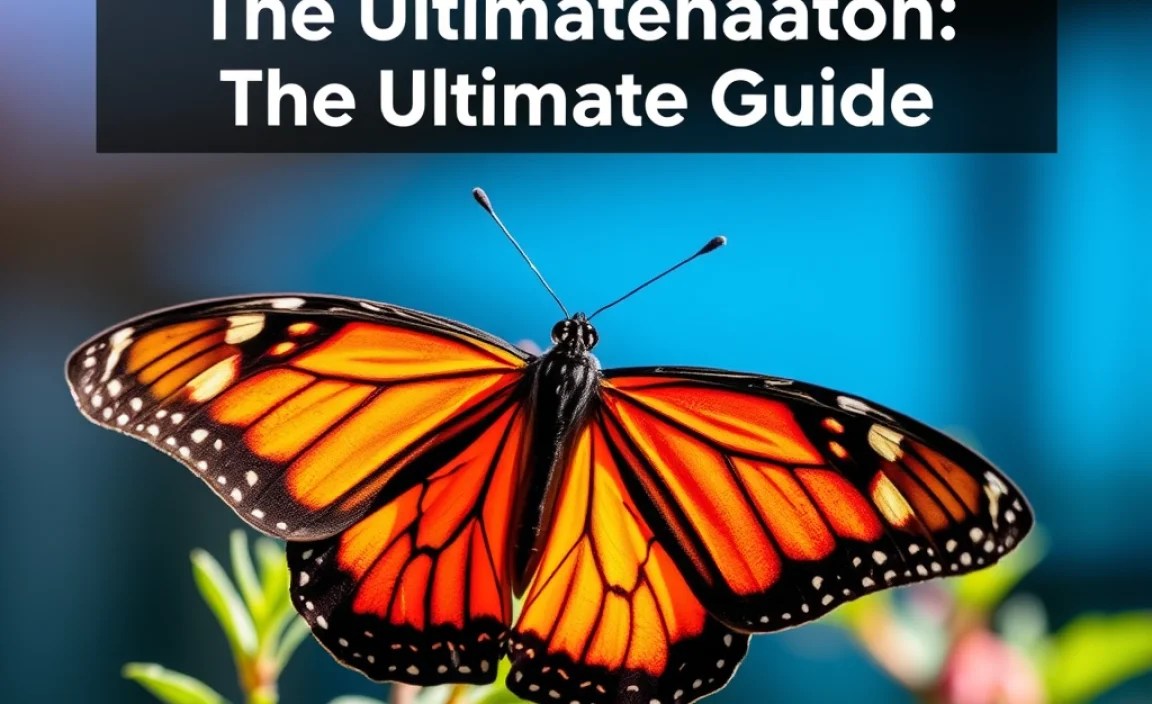
Just as important as warming up is avoiding overheating. Butterflies have several strategies for staying cool.
Finding Shelter
- Under Leaves: Butterflies often seek shelter under leaves to escape direct sunlight.
- In Shady Areas: They may move to shaded areas, such as forests or dense vegetation.
Wing Positioning
- Vertical Positioning: Butterflies might hold their wings vertically to minimize the surface area exposed to the sun.
- Reflecting Sunlight: Some butterflies have light-colored wings that reflect sunlight, helping to keep them cool.
The Role of Wing Color and Pattern

Wing color and pattern play a significant role in thermal regulation. Darker colors absorb more heat, while lighter colors reflect it.
Dark Wings
Butterflies with dark wings, like many swallowtails, can warm up quickly in the sun. This is advantageous in cooler climates or during cooler parts of the day.
Light Wings
Butterflies with light wings, such as many whites and sulphurs, are better suited to hot environments. Their light-colored wings reflect sunlight, helping them stay cool.
Wing Patterns
Some butterflies have complex wing patterns that create variations in temperature across the wing surface. This can help them regulate their temperature more precisely.
Environmental Factors Affecting Butterfly Thermal Behavior
Several environmental factors influence how butterflies regulate their temperature.
Sunlight
Sunlight is the primary source of heat for basking butterflies. The intensity and duration of sunlight directly affect how quickly they can warm up.
Air Temperature
Air temperature also plays a crucial role. On warm days, butterflies need to focus on staying cool, while on cool days, they need to find ways to warm up.
Wind
Wind can affect heat loss. Butterflies may seek shelter from the wind to reduce heat loss on cool days.
Humidity
Humidity can impact evaporative cooling. In humid environments, it’s harder for butterflies to cool down through evaporation.
Creating a Butterfly-Friendly Habitat: Considering Thermal Needs
If you want to attract butterflies to your garden, it’s essential to consider their thermal needs. Here’s how:
Provide Basking Spots
- Flat Rocks: Place flat rocks in sunny areas for butterflies to bask on.
- Bare Ground: Leave some areas of bare ground exposed to the sun.
Offer Shade
- Trees and Shrubs: Plant trees and shrubs to provide shade during hot weather.
- Dense Vegetation: Include dense vegetation where butterflies can take shelter.
Choose the Right Plants
- Nectar Plants: Select nectar-rich plants that bloom throughout the growing season.
- Host Plants: Plant host plants for caterpillars to feed on.
Consider Microclimates
Create microclimates in your garden by varying the exposure to sun and wind. This will provide butterflies with a range of thermal options.
Examples of Butterfly Thermal Adaptations
Butterflies have evolved various adaptations to cope with different thermal environments.
Migratory Butterflies
Migratory butterflies, like monarchs, have evolved behaviors that allow them to cope with a wide range of temperatures during their long journeys. They often bask in the sun to warm up before taking flight and seek shelter during extreme heat.
Alpine Butterflies
Alpine butterflies, which live in high-altitude environments, have adaptations that allow them to survive in cold conditions. They may have darker wings to absorb more heat and behaviors that minimize heat loss.
Desert Butterflies
Desert butterflies have adaptations that help them stay cool in hot, dry environments. They may have light-colored wings to reflect sunlight and behaviors that reduce water loss.
Tools for Observing Butterfly Thermal Behavior
Want to learn more about butterfly thermal behavior? Here are some tools you can use:
- Thermometers: Use a thermometer to measure air and surface temperatures in your garden.
- Binoculars: Use binoculars to observe butterfly behavior from a distance.
- Cameras: Use a camera to document butterfly behavior and wing patterns.
The Future of Butterfly Thermal Behavior Research
As climate change continues to impact ecosystems around the world, understanding butterfly thermal behavior is more important than ever. Researchers are studying how butterflies are responding to changing temperatures and how they may adapt in the future. This research is crucial for developing conservation strategies that can help butterflies survive in a changing world.
Case Studies: Butterfly Thermal Behavior in Different Species
Let’s look at a few specific examples of how different butterfly species manage their thermal needs.
Monarch Butterflies (Danaus plexippus)
Monarchs are well-known for their long migrations. During these journeys, they encounter a wide range of temperatures. They often bask in the sun to warm up before flying and seek shelter in trees to avoid overheating. Their migratory behavior is closely tied to temperature, as they need warm conditions to fly efficiently.
Swallowtail Butterflies (Papilio spp.)
Swallowtails are a diverse group of butterflies with varying thermal strategies. Darker swallowtails, like the Spicebush Swallowtail, bask more frequently to warm up quickly. Lighter swallowtails may be more active during the hottest parts of the day, avoiding the need to bask.
Cabbage White Butterflies (Pieris rapae)
Cabbage whites are common butterflies found in many gardens. They are relatively tolerant of a wide range of temperatures. They often flutter their wings to generate heat on cooler days and seek shade when it gets too hot.
Practical Tips for Butterfly Observation
If you’re interested in observing butterfly thermal behavior in your own backyard, here are some practical tips:
- Observe at Different Times of Day: Butterflies behave differently depending on the time of day and temperature. Observe them in the morning, afternoon, and evening to see the full range of their thermal strategies.
- Pay Attention to Wing Position: Note how butterflies position their wings in relation to the sun. Are they spreading them wide open to bask, or holding them vertically to avoid overheating?
- Look for Shivering or Fluttering: Watch for butterflies shivering their flight muscles or fluttering their wings. This indicates they are trying to generate heat.
- Document Your Observations: Keep a journal of your observations, noting the date, time, temperature, and butterfly behavior. This will help you track changes over time.
The Impact of Climate Change on Butterfly Thermal Behavior
Climate change is having a significant impact on butterfly thermal behavior. Rising temperatures and changing weather patterns are altering the habitats and behaviors of butterflies around the world.
Changes in Distribution
As temperatures rise, some butterfly species are shifting their ranges northward or to higher elevations in search of cooler conditions. This can lead to changes in species distribution and competition between different butterfly species.
Altered Phenology
Climate change is also affecting the timing of butterfly life cycles. Butterflies may emerge earlier in the spring or later in the fall, disrupting their interactions with host plants and other species.
Increased Stress
Extreme weather events, such as heat waves and droughts, can put additional stress on butterflies, making it harder for them to survive and reproduce.
Conservation Strategies to Protect Butterflies
Protecting butterflies in the face of climate change requires a multi-faceted approach.
- Habitat Restoration: Restore and protect butterfly habitats, including grasslands, woodlands, and wetlands.
- Plant Native Species: Plant native nectar and host plants to provide food and shelter for butterflies.
- Reduce Pesticide Use: Reduce or eliminate the use of pesticides, which can harm butterflies and other beneficial insects.
- Support Climate Action: Support policies and initiatives that address climate change and reduce greenhouse gas emissions.
- Educate Others: Educate others about the importance of butterflies and the threats they face.
Butterfly Thermal Behavior: A Summary Table
| Behavior | Description | Purpose | Example |
|---|---|---|---|
| Basking | Spreading wings wide to absorb sunlight | Warming up body temperature | Monarchs basking in the morning |
| Fluttering | Rapidly moving wings without flying | Generating heat internally | Swallowtails fluttering on cool days |
| Seeking Shade | Moving to shaded areas under leaves or vegetation | Avoiding overheating | Butterflies hiding under leaves during hot afternoons |
| Vertical Wing Positioning | Holding wings vertically to minimize sun exposure | Reducing heat absorption | Whites holding wings vertically on sunny days |
Resources for Further Learning
Want to delve deeper into the world of butterfly thermal behavior? Here are some resources to explore:
- The Xerces Society: A non-profit organization dedicated to protecting invertebrates and their habitats. Visit xerces.org for information on butterfly conservation.
- Butterfly Gardening Books: Look for books on butterfly gardening that provide information on creating butterfly-friendly habitats.
- University Extension Programs: Check with your local university extension program for workshops and resources on butterfly conservation.
FAQ: Butterfly Thermal Behavior
Why do butterflies need to regulate their temperature?
Butterflies are cold-blooded, so they rely on external sources to regulate their body temperature. This is crucial for flight, digestion, reproduction, and overall survival.
How do butterflies warm up?
Butterflies warm up primarily by basking in the sun. They spread their wings to maximize sun exposure. They can also shiver their flight muscles to generate heat.
How do butterflies cool down?
Butterflies cool down by seeking shade, holding their wings vertically to minimize sun exposure, and, in some cases, through evaporative cooling.
What role does wing color play in thermal regulation?
Darker wings absorb more heat, helping butterflies warm up quickly. Lighter wings reflect sunlight, helping them stay cool.
How can I help butterflies in my garden?
You can help butterflies by providing basking spots, offering shade, planting nectar and host plants, and creating microclimates in your garden.
How is climate change affecting butterflies?
Climate change is altering butterfly distributions, disrupting their life cycles, and increasing their stress levels due to extreme weather events.
What can I do to protect butterflies from climate change?
You can protect butterflies by supporting habitat restoration, planting native species, reducing pesticide use, supporting climate action, and educating others about butterfly conservation.
Conclusion
Understanding butterfly thermal behavior is key to appreciating these beautiful creatures and helping them thrive. By creating butterfly-friendly habitats that cater to their thermal needs, we can support their populations and ensure they continue to grace our gardens and landscapes. So, the next time you see a butterfly basking in the sun or seeking shade under a leaf, remember the amazing strategies they use to regulate their temperature and survive in a changing world. As passionate stewards of nature, we can each make a difference in protecting these delicate creatures for future generations. Let’s nurture our shared environment with care and understanding, ensuring a vibrant future for butterflies and the ecosystems they enrich.


