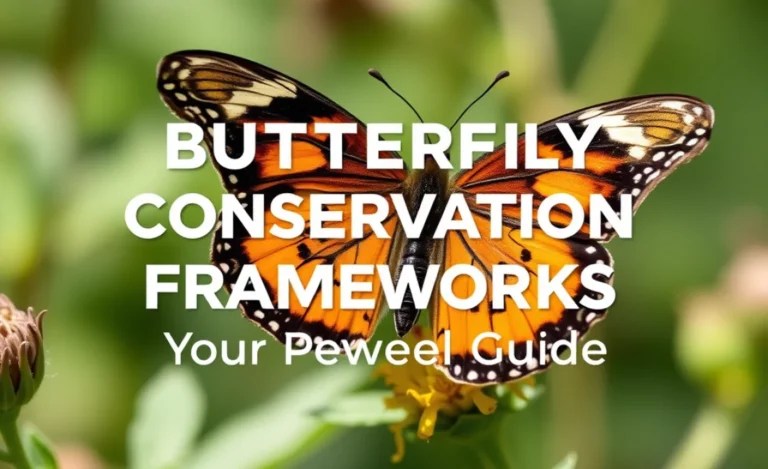
Butterfly Species at Risk: Discover How to Help!

Quick Summary: Several butterfly species are at risk due to habitat loss, climate change, and pesticide use. Protecting these beautiful creatures involves conserving their habitats, reducing pesticide use, and supporting conservation efforts. Simple actions like planting native plants and educating others can make a big difference in helping at-risk butterfly populations thrive.
Butterflies, with their vibrant colors and delicate wings, bring so much joy to our gardens and natural landscapes. But did you know that many butterfly species are facing serious threats? It’s disheartening to think that these amazing insects could disappear. The good news is, we can all take steps to help protect them! Understanding the challenges they face is the first step. Then, we can explore simple, effective actions to support their survival. Together, we can make a real difference for these beautiful creatures.
Why Are Some Butterfly Species at Risk?

Many factors contribute to the decline of butterfly populations. Understanding these threats is crucial for effective conservation.
Habitat Loss
Habitat loss is one of the most significant threats to butterflies. As natural areas are converted for agriculture, housing, and other development, butterflies lose the plants they need for food and shelter. For example, the monarch butterfly relies on milkweed plants, which are becoming increasingly scarce due to herbicide use and habitat destruction. The loss of specific habitats can devastate butterfly populations that depend on those areas for survival.
Climate Change
Climate change is also having a profound impact on butterflies. Changes in temperature and precipitation patterns can disrupt their life cycles, alter the timing of plant growth, and shift their geographic ranges. Some butterflies may not be able to adapt quickly enough to these changes, leading to population declines. Extreme weather events, such as droughts and floods, can further exacerbate these challenges, destroying habitats and reducing butterfly numbers.
Pesticide Use
Pesticides, particularly insecticides, pose a direct threat to butterflies. These chemicals can kill butterflies directly or indirectly by poisoning their food sources. Even low levels of pesticide exposure can weaken butterflies, making them more susceptible to disease and predation. Neonicotinoids, a class of insecticides widely used in agriculture and gardening, are particularly harmful to butterflies and other pollinators.
Other Factors
In addition to habitat loss, climate change, and pesticide use, several other factors contribute to the decline of butterfly populations:
- Disease: Butterflies are susceptible to various diseases, including viral, bacterial, and fungal infections. These diseases can spread quickly through butterfly populations, especially when they are stressed by other factors.
- Predation: Butterflies are preyed upon by birds, insects, and other animals. While predation is a natural part of the ecosystem, increased pressure from predators can negatively impact butterfly populations, especially when they are already struggling.
- Invasive Species: Invasive plants and animals can outcompete native species, disrupting ecosystems and harming butterfly populations. For example, invasive plants can displace the native plants that butterflies need for food and shelter.
Identifying Butterfly Species at Risk

Several butterfly species are currently considered at risk, facing threats to their survival. Here are some notable examples:
Monarch Butterfly (Danaus plexippus)
The monarch butterfly is famous for its incredible annual migration, traveling thousands of miles between breeding grounds in North America and overwintering sites in Mexico and California. However, monarch populations have declined dramatically in recent years due to habitat loss, pesticide use, and climate change. Efforts to protect monarch butterflies include restoring milkweed habitat, reducing pesticide use, and supporting conservation initiatives.
Regal Fritillary (Speyeria idalia)
The regal fritillary is a beautiful butterfly found in grasslands and prairies of the eastern and central United States. This species is threatened by habitat loss, fragmentation, and fire suppression. Regal fritillaries rely on specific host plants, such as violets, for their larvae to feed on. Conservation efforts focus on restoring and managing grassland habitats to support regal fritillary populations.
Karner Blue Butterfly (Lycaeides melissa samuelis)
The Karner blue butterfly is a small, endangered butterfly found in oak savannas and pine barrens of the northeastern and Great Lakes regions. This species is dependent on wild lupine plants, which serve as the sole food source for its larvae. Habitat loss and fire suppression have led to the decline of Karner blue butterfly populations. Conservation efforts include restoring oak savanna habitats and managing them with prescribed burns to promote lupine growth.
Miami Blue Butterfly (Cyclargus thomasi bethune-bakeri)
The Miami blue butterfly is one of the rarest butterflies in the world, found only in a few isolated locations in South Florida. This species is threatened by habitat loss, pesticide use, and climate change. The Miami blue butterfly relies on specific host plants, such as gray nickerbean, for its larvae to feed on. Conservation efforts include restoring coastal habitats and protecting them from development and pesticide exposure.
Other Notable Species
Here’s a table highlighting some other butterfly species at risk and their primary threats:
| Species | Habitat | Primary Threats |
|---|---|---|
| Oregon Silverspot (Speyeria zerene hippolyta) | Coastal grasslands | Habitat loss, invasive species |
| Bay Checkerspot (Euphydryas editha bayensis) | Serpentine grasslands | Habitat loss, climate change |
| Mitchell’s Satyr (Neonympha mitchellii) | Wetlands, sedge meadows | Habitat loss, habitat degradation |
How to Help Butterfly Species at Risk

Protecting butterfly species at risk requires a multi-faceted approach involving habitat conservation, sustainable practices, and community engagement. Here are some practical steps you can take to make a difference:
Create Butterfly-Friendly Habitats
One of the most effective ways to help butterflies is to create butterfly-friendly habitats in your yard, garden, or community. Here’s how:
- Plant Native Plants: Native plants are essential for providing food and shelter for butterflies. Choose plants that are native to your region and that serve as host plants for butterfly larvae. Some popular choices include milkweed for monarchs, violets for regal fritillaries, and lupine for Karner blue butterflies.
- Provide a Water Source: Butterflies need water to survive. You can provide a shallow dish of water with pebbles or stones for them to land on. Make sure to keep the water clean and fresh.
- Offer Shelter: Butterflies need shelter from wind, rain, and predators. Plant shrubs, trees, and tall grasses to provide them with protected areas.
- Avoid Pesticides: Pesticides can be harmful to butterflies and other pollinators. Avoid using pesticides in your yard and garden, or choose organic alternatives that are less harmful.
Support Habitat Conservation
Supporting habitat conservation efforts is crucial for protecting butterfly populations. Here’s how you can get involved:
- Donate to Conservation Organizations: Many organizations are working to protect butterfly habitats. Consider donating to these organizations to support their efforts.
- Volunteer Your Time: Many conservation organizations offer volunteer opportunities. You can help with habitat restoration, monitoring butterfly populations, and educating the public.
- Advocate for Conservation Policies: Contact your elected officials and urge them to support policies that protect butterfly habitats. This includes supporting funding for conservation programs and advocating for stronger environmental regulations.
Practice Sustainable Gardening
Sustainable gardening practices can help protect butterflies and other pollinators. Here’s how:
- Reduce Lawn Size: Lawns provide little habitat for butterflies and other wildlife. Consider reducing the size of your lawn and replacing it with native plants.
- Use Compost and Mulch: Compost and mulch can help improve soil health and reduce the need for fertilizers and pesticides.
- Conserve Water: Water is a precious resource. Conserve water by using efficient irrigation techniques and planting drought-tolerant plants.
Educate Others
Education is key to raising awareness about the importance of butterfly conservation. Here’s how you can educate others:
- Share Information: Share information about butterfly conservation with your friends, family, and community.
- Lead Educational Activities: Organize educational activities, such as butterfly walks, workshops, and presentations.
- Support Educational Programs: Support educational programs that teach children about butterflies and other pollinators.
Monitor Butterfly Populations
Monitoring butterfly populations can help track their status and identify potential threats. Here’s how you can get involved:
- Participate in Citizen Science Programs: Many organizations offer citizen science programs that allow you to help monitor butterfly populations. These programs often involve counting butterflies in specific areas and submitting your data to researchers.
- Report Sightings: Report sightings of rare or endangered butterflies to local conservation organizations. This information can help them track butterfly populations and identify areas that need protection.
The Role of Butterfly Gardens

Butterfly gardens play a vital role in supporting butterfly populations by providing essential resources and habitats. Here’s how butterfly gardens contribute to butterfly conservation:
- Providing Food Sources: Butterfly gardens provide nectar-rich flowers that adult butterflies need for energy. They also provide host plants that butterfly larvae need for food.
- Offering Shelter: Butterfly gardens offer shelter from wind, rain, and predators. They also provide overwintering habitat for butterflies and other insects.
- Creating Connectivity: Butterfly gardens can create corridors of habitat that connect fragmented landscapes. This allows butterflies to move between different areas and find the resources they need.
Designing an Effective Butterfly Garden
To create an effective butterfly garden, consider the following design principles:
- Choose a Sunny Location: Butterflies need sunlight to warm their bodies and fly. Choose a sunny location for your butterfly garden.
- Provide a Variety of Plants: Plant a variety of nectar-rich flowers and host plants to attract a wide range of butterfly species.
- Group Plants Together: Group plants together to create large patches of color that are more attractive to butterflies.
- Provide a Water Source: Provide a shallow dish of water with pebbles or stones for butterflies to land on.
- Avoid Pesticides: Avoid using pesticides in your butterfly garden, as they can harm butterflies and other pollinators.
Legal Protections for Endangered Butterfly Species

Many countries and regions have laws and regulations in place to protect endangered butterfly species and their habitats. These legal protections can play a crucial role in preventing extinction and promoting recovery.
Endangered Species Act (ESA)
In the United States, the Endangered Species Act (ESA) provides legal protection for listed species, including butterflies. The ESA prohibits the killing, harming, or harassing of listed species and requires federal agencies to consult with the U.S. Fish and Wildlife Service to ensure that their actions do not jeopardize the survival of listed species. The ESA also provides for the designation of critical habitat, which is essential for the conservation of listed species. You can find more information on the ESA from the U.S. Fish and Wildlife Service website.
International Agreements
Several international agreements also provide protection for endangered species, including butterflies. The Convention on International Trade in Endangered Species (CITES) regulates the international trade of endangered species to prevent overexploitation. The Convention on Biological Diversity (CBD) promotes the conservation of biodiversity, including butterflies, through national strategies and international cooperation.
Local and Regional Regulations
In addition to federal and international laws, many local and regional governments have regulations in place to protect endangered butterfly species. These regulations may include restrictions on development in critical habitat areas, requirements for habitat mitigation, and incentives for landowners to conserve butterfly habitats.
FAQ: Butterfly Species at Risk
What is the main threat to butterfly species?
The main threat to butterfly species is habitat loss. As natural areas are converted for agriculture, housing, and other development, butterflies lose the plants they need for food and shelter.
How does climate change affect butterflies?
Climate change can disrupt butterfly life cycles, alter the timing of plant growth, and shift their geographic ranges. Extreme weather events can also destroy habitats and reduce butterfly numbers.
What can I plant to attract butterflies to my garden?
Plant native plants that serve as host plants for butterfly larvae and provide nectar-rich flowers for adult butterflies. Milkweed is great for monarchs, violets for regal fritillaries, and lupine for Karner blue butterflies.
Are pesticides harmful to butterflies?
Yes, pesticides, especially insecticides, can be very harmful to butterflies. They can kill butterflies directly or indirectly by poisoning their food sources. Avoid using pesticides in your garden.
How can I help protect butterfly habitats?
You can help by donating to conservation organizations, volunteering your time, and advocating for conservation policies. Support efforts to restore and protect butterfly habitats.
What is a butterfly garden?
A butterfly garden is a garden designed to attract butterflies by providing them with food, water, shelter, and host plants for their larvae. It’s a great way to support butterfly populations.
What is the Endangered Species Act?
The Endangered Species Act (ESA) is a U.S. law that provides legal protection for listed species, including butterflies. It prohibits harming listed species and requires federal agencies to protect their habitats.
Conclusion
The decline of butterfly species at risk is a serious issue that demands our attention. As we’ve explored, these beautiful creatures face numerous threats, from habitat loss and climate change to pesticide use. But the story doesn’t end there. We have the power to make a positive impact through simple yet effective actions. By creating butterfly-friendly habitats, supporting conservation efforts, practicing sustainable gardening, educating others, and monitoring butterfly populations, we can help these species thrive. Each small step contributes to a larger movement, ensuring that future generations can marvel at the beauty and ecological importance of butterflies. Let’s work together to protect these delicate creatures and preserve the natural world for all.